Hunting the Missisquoi River Delta
Hunting the Missisquoi River Delta presents a truly unique challenge and immense reward for Vermont hunters. This isn't your typical Green Mountain hardwood ridge or Champlain Valley cornfield; it's a sprawling, watery labyrinth that demands specialized knowledge and equipment. If you've ever felt overwhelmed by the sheer scale of the marsh or confused by the specific regulations of a federal refuge, you're not alone. This guide aims to unravel the mysteries of the Missisquoi Delta, helping you understand its diverse ecosystem, navigate its complexities, and ultimately, find success in its rich hunting grounds.
Understanding the Missisquoi River Delta's Unique Ecosystem
The Missisquoi River Delta, where the Missisquoi River empties into Lake Champlain, is a gem, a mosaic of open water, cattail marsh, emergent vegetation, and islands of forested uplands. It's a truly dynamic environment, constantly shaped by water levels and seasons, and this unique blend of habitats is precisely what makes it such a magnet for wildlife, particularly waterfowl.
A Haven for Waterfowl and Migratory Birds
When you think of the Missisquoi Delta, waterfowl should immediately come to mind. It's a critical stopover point and breeding ground along the Atlantic Flyway, attracting a vast array of ducks and geese. You'll find everything from mallards, black ducks, and wood ducks dabbling in the shallow sloughs to diving ducks like bluebills and canvasbacks utilizing the deeper channels and open water. Canada geese are abundant, often feeding in the surrounding agricultural fields but staging and loafing in the delta's protected waters. The sheer volume of birds can be astounding, creating an almost overwhelming sense of opportunity, but also demanding smart, strategic hunting.
The delta's mix of food sources – submerged aquatic vegetation, seeds from marsh grasses, and invertebrates – provides a buffet for migrating birds, ensuring they stick around for a while. Understanding these food preferences and patterns is key to setting up effectively. A flock of mallards might be working a patch of wild rice one day, while geese might prefer a recently harvested cornfield just outside the refuge boundary the next. Staying nimble and scouting regularly, perhaps with an application like onX Hunt to mark potential hot spots, is crucial to consistent success here. It's not just about the numbers, but where those numbers are choosing to be.
Beyond the ducks and geese, the delta supports a multitude of other migratory birds, though many are protected. It's a vibrant, noisy place, especially at dawn, with red-winged blackbirds, marsh wrens, and various shorebirds all adding to the symphony. This rich biodiversity contributes to the overall health of the ecosystem, even if not every species is a game animal. It's a reminder of the importance of this unique habitat. Vermont Waterfowl Zones and Seasons covers the broader context, but the Delta truly stands out as a focal point.
Other Game Species Utilizing the Delta Edges
While waterfowl are undeniably the stars of the Missisquoi Delta, the transitional zones, where marsh meets higher ground, offer opportunities for other game. The fringes of the delta, particularly the wooded islands and the uplands bordering the refuge, can hold white-tailed deer, especially during the fall. These areas provide excellent cover, food sources like acorns and browse, and a sense of security from human disturbance that the deeper woods might not always offer. Deer will often use the thick marsh edges as bedding cover, especially if there are small pockets of higher, dry ground to escape rising water.
Small game like ruffed grouse and snowshoe hare can also be found in the thicker brush and timbered islands within or adjacent to the delta. Squirrels, too, will be present in any mature hardwood stands. While you might not plan a dedicated small game hunt within the deepest parts of the delta, keeping an eye out for these opportunities as you move to and from your duck blind can be productive. A well-placed shot on a grouse can be a delightful bonus to a quiet morning in the duck marsh. These "fringe" opportunities are often overlooked by hunters focused solely on waterfowl, but they can add a lot to your experience and your freezer.
Predators such as coyotes and fox also patrol these edges, drawn by the abundance of prey species. While you might not be actively calling coyotes in the middle of a duck hunt, understanding their presence helps paint a complete picture of the delta's ecosystem. The interplay between predators and prey is constant, and it shapes how other game animals use the landscape.
Navigating the Missisquoi River Delta's Challenges and Regulations
The Missisquoi Delta is a complex environment, and successful hunting here isn't just about finding the birds; it's about understanding and respecting the unique regulatory framework, particularly given the presence of the Missisquoi National Wildlife Refuge (NWR). This isn't a place where you can just walk in with a map and go; it requires careful planning and a deep dive into specific rules.
Understanding the Missisquoi National Wildlife Refuge Rules
A significant portion of the Missisquoi River Delta falls within the Missisquoi National Wildlife Refuge, which means specific regulations apply to hunting. These regulations are designed to protect both the wildlife and the habitat, ensuring sustainable use. It's absolutely crucial to consult the refuge's specific hunting brochure or website each year, as rules can change. You'll often find limitations on hunting days, approved areas, methods of take, and sometimes even specific bag limits that differ from statewide Vermont regulations. For example, certain areas might be closed to all hunting, or only open on particular days of the week, or for specific species.
Waterfowl hunting is often permitted in designated zones, but these zones are clearly delineated and might require non-toxic shot, as is standard for all waterfowl hunting, but also possibly specific gauge restrictions or other unique rules. Access points might be limited, and specific launch sites for boats might be required. Retrieving game can also have its own set of rules, particularly if a bird falls into a closed area. Always know your boundaries, and a reliable mapping app like onX Hunt can be invaluable here. It allows you to overlay refuge boundaries and property lines directly onto your map, ensuring you don't inadvertently trespass or hunt in a restricted zone. Ignorance of the rules is never an excuse, and refuge officers are diligent in their enforcement.
Beyond hunting, there are often rules about general access, like where you can motor a boat versus where only paddlecraft are allowed, or limitations on camping and vehicle use. These regulations are in place to preserve the wild nature of the refuge and minimize disturbance to the wildlife, so taking the time to truly understand them before you head out is non-negotiable.
Access Points, Watercraft, and Navigation
Accessing the Missisquoi Delta often means getting on the water. While some areas might have limited land-based entry, a boat, kayak, or canoe is usually essential for reaching prime hunting spots. Public boat launches are available along the Missisquoi River and on Lake Champlain, but navigating the delta itself can be tricky. The river channels wind and shift, and shallow areas can appear out of nowhere, especially during periods of low water. Getting stuck on a mudflat in the pre-dawn dark is not an experience you want to have.
Understanding water levels is paramount. The delta can be dramatically different after a heavy rain or during a dry spell. What was navigable by a shallow-draft boat one week might only be accessible by kayak the next. For those who hunt marshes and deltas, a flat-bottomed boat, a canoe, or a kayak are often preferred, allowing access to shallower sloughs and tighter cover. Airboats are generally prohibited in many sensitive areas, so traditional watercraft is usually the way to go. Make sure your boat is reliable, and always carry appropriate safety gear, including PFDs, a paddle, anchor, and a whistle. Decoying Ducks on Lake Champlain shares relevant insights for open water, but the Delta demands even more nuanced navigation.
Navigation is further complicated by the uniform appearance of the marsh. In low light or fog, it's incredibly easy to become disoriented. A GPS device or a robust mapping app is not just a convenience; it's a necessity. Mark your launch point, your intended hunting location, and any hazards you encounter. Having offline maps downloaded on your phone, like those offered by onX Hunt, can be a lifesaver when cell service inevitably disappears in the deeper parts of the marsh. Scout carefully, even using aerial photos on platforms like GoHunt, to identify channels, open pockets, and potential blind locations before the season. Trust me, finding your way back in the dark, with a limit of ducks and a cold wind blowing, is much easier when you've done your homework.
Hunting Strategies for the Missisquoi Delta
Hunting the Missisquoi River Delta successfully means adapting your strategies to its unique environment. Whether you're chasing waterfowl or looking for deer on the fringes, a thoughtful approach will yield better results than just showing up and hoping for the best.
Waterfowl Hunting: Decoys, Blinds, and Calling
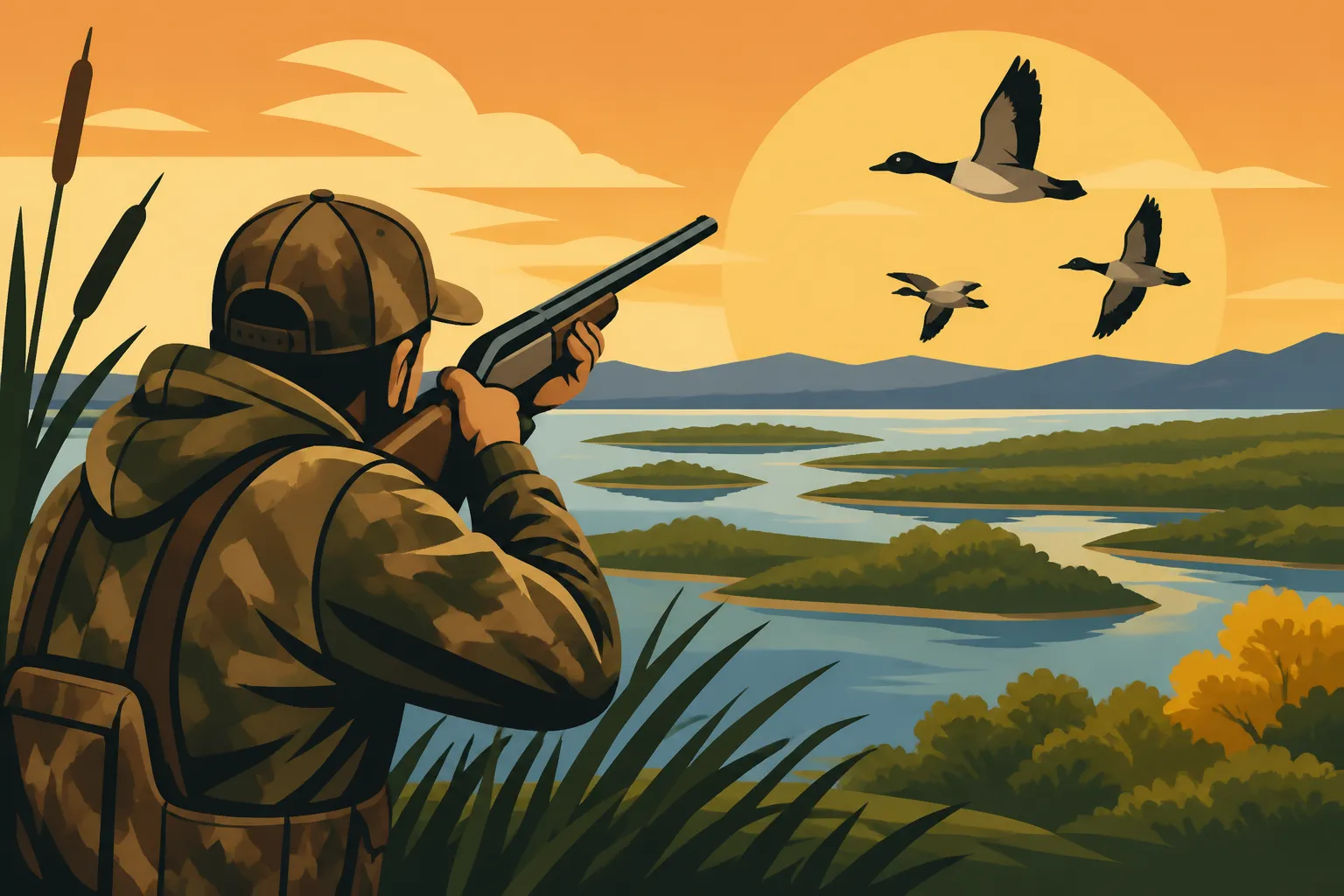
Waterfowl hunting is undoubtedly the main draw in the Missisquoi Delta, and it often involves a combination of decoys, natural or portable blinds, and strategic calling. For ducks, setting up a spread in a shallow slough or a protected pocket where birds are likely to feed or rest is key. Mallards and black ducks often prefer these calmer, shallower waters. A mix of dabbling duck decoys, perhaps with a few coot or diver decoys to add realism, can be effective. If you’re targeting geese, especially Canada geese, you’ll want larger decoys, often full-bodies, set up in open areas or along the edges of agricultural fields adjacent to the delta, where they like to feed. Vermont Duck and Goose Bag Limits will help you understand your targets.
Blinds in the delta can range from completely natural setups, tucked into thick cattails or brush, to portable marsh blinds or even layout blinds on the higher ground. The key is concealment. Waterfowl have incredible eyesight, and they'll spot anything out of place. Brushing in your blind with local vegetation is essential for it to blend seamlessly into the environment. Don't forget to hide your boat as well; a shining hull can flare birds from a mile away. Often, you're hunting very close to other hunters, so being completely concealed is not just about success, but about safety and courtesy.
Calling is another critical component. Learn to use a variety of calls for the species you're targeting. A good mallard call can be incredibly effective for bringing in wary greenheads, while a goose call can bring in high-flying flocks. Don't overcall; sometimes less is more, especially when birds are already working your spread. Observe how the birds are reacting and adjust your calling accordingly. Sometimes a simple feeding chuckle is all it takes, other times a series of pleading come-back calls is necessary. Practicing your calling well before the season is always a good idea.
Jump Shooting and Pass Shooting Opportunities
Beyond static decoy setups, the Missisquoi Delta also offers excellent opportunities for jump shooting and pass shooting, especially for more adventurous hunters. Jump shooting involves stealthily navigating the winding river channels or sloughs in a canoe or kayak, surprising ducks as they flush from concealed pockets. This requires quiet paddling, a keen eye, and quick reflexes. It's a highly active form of hunting that can be incredibly rewarding, especially if you enjoy the challenge of sneaking up on wary birds. This is where a small, maneuverable watercraft truly shines. You can push deep into areas larger boats can't reach, often finding birds that haven't been pressured.
Pass shooting involves positioning yourself along known flyways or choke points where birds regularly travel between feeding and roosting areas. This could be a narrow channel, a break in the trees, or an edge of a major body of water. It requires patience and an understanding of the birds' flight patterns, which often depend on wind direction and time of day. While less common for ducks in the dense delta interior, it can be very effective for geese traveling to and from fields, or for ducks moving between large bodies of water, especially during active migration. Setting up on a point overlooking a major channel where birds bottleneck can be very productive. Be mindful of shot distances; birds can appear to be closer than they are when flying high and fast.
Regardless of the method, safety is paramount. Always be aware of other hunters, refuge boundaries, and your shooting lanes. The delta can be busy, especially on opening weekend, so knowing where others are is critical.
Scouting and Reading the Delta Landscape
Effective hunting in the Missisquoi Delta begins long before opening day with meticulous scouting. The delta is a dynamic environment, and what worked last year might not work this year. Water levels change, vegetation grows and recedes, and bird patterns shift. Utilize tools like onX Hunt to study aerial imagery, identifying potential travel corridors, feeding areas, and good cover for blinds. Pay attention to satellite images from different times of the year if possible, to see how the landscape changes. Scouting Vermont Public Land Before Season is good advice, but the delta adds layers of complexity.
During your scouting trips, look for fresh sign: feeding activity, loafing birds, and clear flight paths. Spend time observing bird movements at dawn and dusk. Where are they flying from? Where are they going? What specific pockets of marsh are they using? Look for areas with abundant natural food sources, like submerged vegetation or wild rice. These are the places birds will naturally want to be. Note the wind direction, as this will heavily influence how birds approach your decoy spread.
Reading the delta's landscape also means understanding the subtle cues of the environment. A slight rise in elevation might mean drier ground for deer bedding. A patch of different vegetation could indicate a change in water depth or soil composition that attracts different types of ducks. Listen for the sounds of feeding birds, the distant calls of geese, and even the subtle movement of muskrats or beaver in the marsh, which can sometimes provide clues about water flow and depth. The delta whispers its secrets to those who take the time to listen and observe.
| Species Targeted | Primary Habitat in Delta | Key Hunting Strategy | Essential Gear Considerations |
|---|---|---|---|
| Ducks | Shallow sloughs, cattail marsh, emergent vegetation, river channels | Decoys (dabblers, divers), blind (natural/portable), calling, jump shooting | Waders, boat (canoe/kayak/jon), non-toxic shot, calls, camo |
| Geese | Open water, field edges bordering delta, larger channels | Decoys (full-body), layout blind (fields), calling, pass shooting | Waders/waterproof boots, larger boat, non-toxic shot, goose calls |
| Deer | Wooded islands, upland fringes bordering marsh, thick cover | Still-hunting, stand hunting (treestand/ground blind on edges), scouting for sign | Camo, boots, binoculars, mapping app, scent control |
| Small Game (Grouse, Hare) | Thick brush, forested islands, edges of uplands | Walk-up, jump shooting, opportunistic during waterfowl hunts | Shotgun, upland vest, good boots, awareness of surroundings |
Essential Gear for Hunting the Missisquoi River Delta
Hunting the Missisquoi River Delta requires more than just your typical hunting kit. The unique environment of the marsh and surrounding waterways demands specialized gear to keep you safe, comfortable, and effective. Skimping on the right equipment here can lead to a miserable, or even dangerous, experience.
Waterfowl Specifics: Waders, Boats, and Decoy Management
First and foremost, if you're waterfowl hunting the delta, a good pair of waders is non-negotiable. Chest waders, preferably insulated for the colder months, will be your best friend. You'll be wading through knee-deep (or sometimes waist-deep) water, mud, and thick vegetation to set decoys, retrieve birds, and position your blind. Leaky waders are the quickest way to end a hunt early and catch a nasty chill. Look for durable material, reinforced knees, and comfortable boots. Waders for Vermont Waterfowl Hunting delves deeper into these choices.
As for boats, the choice depends on the specific areas you plan to hunt and your budget. A sturdy jon boat with a shallow-running outboard is popular for larger channels and transporting gear. For quieter, shallower sloughs and jump shooting, a canoe or kayak is ideal. They allow stealthy navigation into areas where motorboats can't go. Whatever you choose, ensure it's stable, well-maintained, and has enough capacity for your gear, decoys, and a retrieved bird. Don't forget an anchor, paddles, and a bilge pump.
Decoy management can be a workout. You'll need plenty of decoys, often 2-3 dozen for ducks, and more for geese if you're targeting them. Decoy bags or specialized decoy trailers/sleds are invaluable for hauling them through mud and water. Strong decoy lines and weights are also crucial to keep your spread in place against currents and wind. Consider a spinning wing decoy or two (where legal) to add extra motion and draw attention.
Navigation and Communication in Remote Areas
Given the delta's confusing terrain and often spotty cell service, reliable navigation and communication tools are essential. A dedicated GPS unit or a smartphone with a robust mapping app like onX Hunt is an absolute must. Download offline maps of the entire area before you go, as cell signal can drop unexpectedly in the marsh. Mark your routes, blind locations, and any hazards or landmarks. This isn't just about finding your spot; it's about finding your way back safely, especially in the dark or fog. GoHunt's mapping features can also be used for pre-scouting and identifying terrain features remotely. Best GPS App for Vermont Public Land highlights more options.
For communication, consider a satellite messenger or a two-way radio, especially if you're hunting alone or in a group that might split up. These devices can be literal lifesavers if you run into trouble, allowing you to call for help even without cell service. A reliable headlamp with fresh batteries (and spares!) is also non-negotiable for pre-dawn setups and post-hunt retrievals. The delta is dark before sunrise, and trying to navigate by memory alone is a recipe for disaster.
Beyond the tech, a good old-fashioned compass and a paper map can serve as an invaluable backup, especially if your electronic devices fail. Knowing how to use them can provide peace of mind in truly remote areas.
Weather Protection and General Safety Gear
Vermont weather is famously unpredictable, and the delta compounds that variability. You're exposed to wind, cold, and often rain or sleet. Layering is critical. Start with a moisture-wicking base layer, add insulating layers (fleece or down/synthetic puffies), and top it off with a waterproof and windproof outer shell. Bring more layers than you think you'll need; you can always take them off. Gloves, a warm hat, and waterproof boots (if not wearing waders) are also essential. Frostbite or hypothermia are real risks in the marsh.
Safety gear should include a well-stocked first-aid kit, particularly one designed for outdoor use. A sharp knife for field dressing game (and for emergencies), a multi-tool, and a reliable fire starter are also good additions. Always let someone know where you're going and when you expect to return, and carry a fully charged phone, even if it's just for emergency use where service might exist. The Missisquoi Delta is beautiful, but it demands respect and preparation. Enjoy the hunt, but always prioritize safety first.
Disclaimer
This article is for general informational purposes only and does not constitute professional advice. Laws, prices and regulations vary by location and change over time. Consult a qualified professional for guidance on your specific situation.