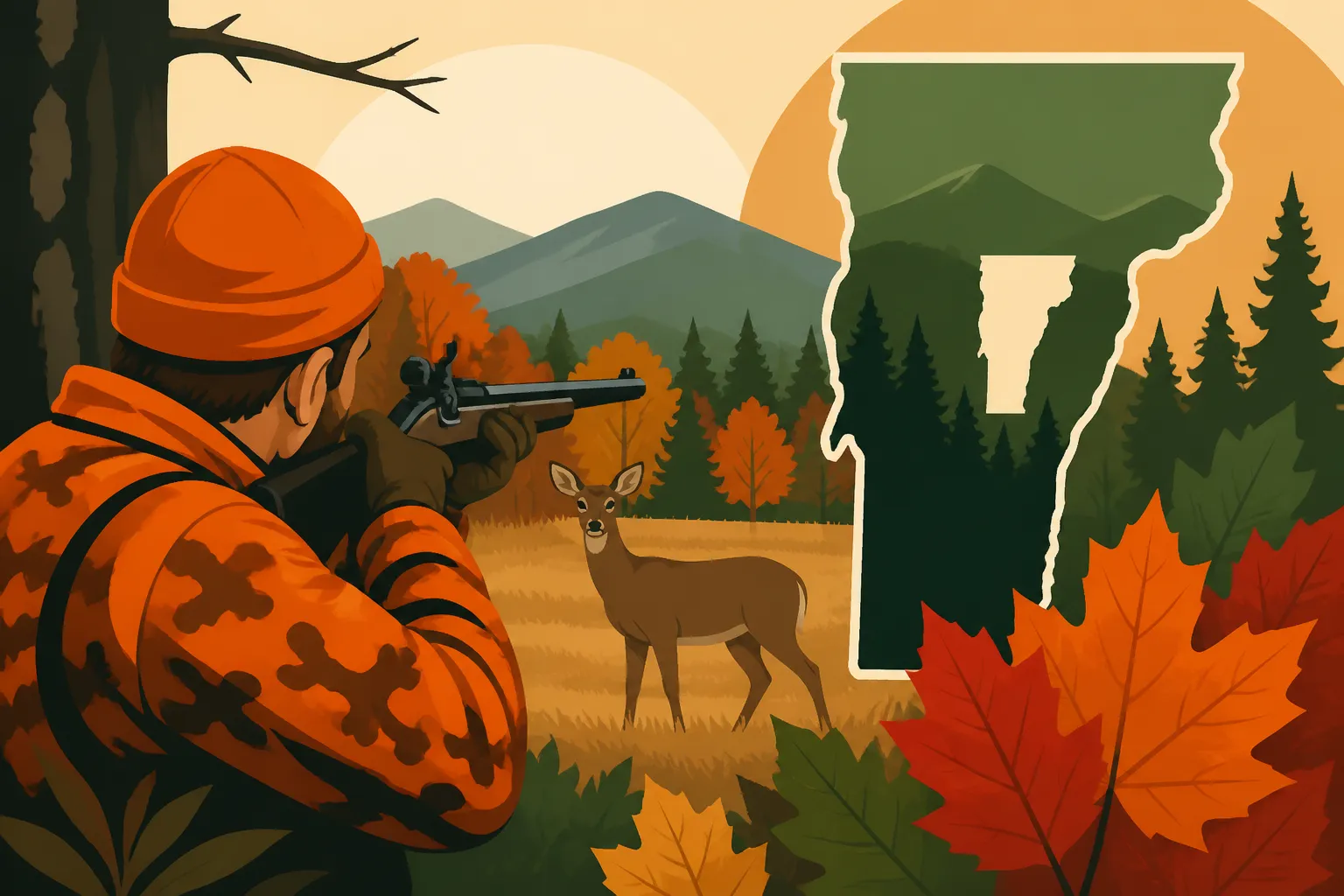
Hunting Vermont’s October Antlerless Muzzleloader Window
There's a special kind of quiet in the Vermont woods in early October, a crispness to the air that promises the season's change. Yet, for many hunters, this brief, unique window — the October Antlerless Muzzleloader season — often gets overlooked, seen as just a brief prelude to the main event. If you've ever felt like you're missing out on a prime deer hunting opportunity or found yourself confused by the specific regulations, this comprehensive guide is for you. We're going to dive deep into making the most of this often-underutilized hunt.
Navigating Vermont's October Antlerless Muzzleloader Opportunity
Vermont's hunting calendar is full of opportunities, but the October Antlerless Muzzleloader season holds a special place. It’s a chance to get into the woods with a primitive weapon during a time when deer are often still in their early fall patterns, before the full pressure of rifle season kicks in. It’s a distinct period that requires its own set of understanding and strategies to make the most of.
Understanding Season Dates and Permit Specifics
The first thing you absolutely need to nail down are the dates. Vermont's October Muzzleloader Antlerless season typically runs for a specific, shorter window, usually in the middle to latter half of October. This isn't a free-for-all; it's a precisely timed event. For the most up-to-date and accurate information, always refer directly to the Vermont Fish and Wildlife Department's official regulations, which are published annually. Don't rely on last year's memory or a buddy's casual advice – things can change, and it's your responsibility to know the current rules.
Beyond the dates, the "antlerless" designation is critical. This means you are specifically targeting does and fawns. No spikes, no basket racks, no mature bucks—just antlerless deer. To participate, you'll need the appropriate hunting license, obviously, but also a specific antlerless permit for the Wildlife Management Unit (WMU) you plan to hunt. These permits are typically allocated via a lottery system, and applying on time is paramount. Miss the deadline, and you're out of luck for this particular opportunity. It’s a unique permit structure compared to other seasons, so ensure you understand the application process and the specific WMU your permit is valid for.
It's a common mistake for hunters to assume their general archery or rifle permits cover this unique window, but that's simply not the case. The antlerless muzzleloader permit is a standalone requirement. If you happen to be one of the lucky few who drew a permit for a prime WMU like W, C, or P, then you’ve got a fantastic chance to fill the freezer before the real cold sets in. Always keep your license and permit readily accessible in the field, as game wardens are vigilant in ensuring compliance during these specific seasons.
The Rationale Behind This Unique Antlerless Season
You might wonder why Vermont carves out this specific antlerless-only muzzleloader season in October. It's not arbitrary; it's a strategic move by the Vermont Fish and Wildlife Department (VFWD) for herd management. Deer populations in various WMUs across the state need careful balancing. In some areas, deer numbers might be higher than the habitat can sustainably support, leading to overbrowsing or increased disease risk. This October season provides an early opportunity to reduce doe numbers in specific areas, contributing to a healthier overall herd by helping manage the buck-to-doe ratio and ensuring sufficient winter food resources.
By focusing on antlerless deer, the VFWD can achieve targeted population control without impacting the breeding potential of bucks before the peak of the rut, which typically occurs in November. It’s a tool that allows for precision management in areas where it's most needed. This early harvest also helps mitigate potential crop damage in agricultural areas, as deer are often still feeding heavily on fields and orchards in October. Think about the farmers in the Champlain Valley; this season provides a bit of relief by allowing hunters to reduce the impact of deer on their livelihood earlier in the fall.
Furthermore, this season introduces a traditional weapon — the muzzleloader — into the early fall narrative. It appeals to hunters who appreciate the challenge and heritage of primitive arms, offering a distinct experience that differs significantly from modern firearm seasons. It extends the overall hunting opportunity for ethical harvest, spreading out pressure and offering a chance for hunters to connect with the landscape during a beautiful time of year, all while serving an important biological purpose.
Comparing October to Vermont's December Muzzleloader Hunt
While both are muzzleloader seasons, the October and December windows are vastly different beasts, and understanding these distinctions is key to maximizing your success. The October season is strictly antlerless, as we've discussed, focused on population management before the primary breeding period. Deer are still in their early fall feeding patterns, often congregated around reliable food sources. Weather is generally milder, and foliage might still be on the trees, providing cover but also obscuring visibility.
| Feature | October Antlerless Muzzleloader Season | December Muzzleloader Season |
|---|---|---|
| Primary Target | Antlerless Deer (Does, Fawns) | Any Deer (Bucks, Does, Fawns) |
| Season Duration | Typically shorter (approx. 3-4 days) | Longer (approx. 9-10 days) |
| Weather Conditions | Milder, leaves often still present | Colder, often snow on the ground, bare trees |
| Deer Behavior | Feeding patterns, pre-rut | Post-rut, focusing on winter food/cover |
| Permit Type | Specific October Antlerless Permit | Any-Deer Permit (lottery) or Antlerless Permit |
| Hunter Density | Generally lower than rifle season | Can be moderate, especially with snow |
Conversely, the December Muzzleloader season, often referred to as the "late season," allows for "any deer" harvest, provided you have a valid tag (either an Any-Deer permit from the lottery or a bonus antlerless permit). By December, the rut is mostly over, deer are focused on packing on calories for winter, and wintering yards become crucial. Snow is often on the ground, making tracking easier but also highlighting deer movement corridors. Temperatures are significantly colder, demanding different gear and sitting strategies. The challenges shift from finding active feeding to identifying critical cover and late-season food sources like brassicas or standing corn, especially when you're Hunting into the December Muzzleloader Close. This later season is about endurance and capitalizing on deer's need for security and sustenance, whereas October is about intercepting early fall feeding and herd management.
Essential Strategies for October Muzzleloader Success
Hunting in October offers a sweet spot: cooler temperatures but not yet the brutal cold of late fall, and deer are still relatively predictable in their patterns. However, the antlerless-only restriction and the specific timing mean you need tailored strategies to punch that tag. It's not enough to just walk through the woods; you need a plan.
Pinpointing Key Early Fall Food Sources
In October, deer are absolute food hounds. They’re still building up fat reserves for the coming winter and, unlike the rutting chaos of November, their primary focus is simply eating. This makes identifying prevalent food sources your number one priority. Hard mast, especially acorns and beech nuts, are gold. If you can find a ridge in the Green Mountains or a flat in the Champlain Valley littered with fresh acorn drops, you've found a hotspot. Spend time scouting these areas, looking for fresh droppings, disturbed leaves, and tracks. It's often where you'll find does and their fawns browsing lazily, totally unaware of your presence if you're careful.
Soft mast is also incredibly important. Wild apples, crabapples, and even late-season berries can be magnets. Many old farmsteads or abandoned orchards tucked away in the Vermont landscape become prime feeding grounds. These spots can be absolute honey holes, but they can also be picked over quickly. A good rule of thumb is to look for varieties that drop later in the fall. I've had success finding groups of does still hitting wild apple trees in mid-October in Washington County. For the best results, utilize scouting apps like GoHunt to pinpoint historical agricultural areas or potential food plot locations on public land, which can give you a head start on identifying these valuable resources before you even set foot in the woods. Additionally, don't overlook agricultural fields; cut cornfields or standing soybeans can draw deer, especially near dense cover where they can feel secure before and after feeding.
Effective Still-Hunting and Stand Placement
Given the antlerless-only nature and the early fall foliage, still-hunting can be incredibly effective during this October window. The leaves might still be on the trees, providing great cover for you, but also making visibility a bit tricky. Move slowly, taking one or two steps, then pausing and scanning for several minutes. Use your binoculars to pick apart thickets and shadows. Focus on areas between bedding cover and known food sources, or along creek bottoms and old logging roads that deer use as travel corridors. This methodical approach allows you to cover ground quietly, intercepting deer as they move naturally throughout the day, which is crucial when Still-Hunting Green Mountain National Forest Timber.
For stand placement, think about pinch points and funnels that connect bedding areas to feeding areas. A saddle between two ridges, a narrow strip of woods between two open fields, or a transition line where thick cover meets more open timber can be excellent choices. Since you’re targeting antlerless deer, their patterns are often more consistent and less influenced by the sporadic movements of rutting bucks. Consider a morning setup overlooking a preferred food source, or an evening stand positioned along a travel corridor leading to that food. If you're Hanging a Stand on a Champlain Valley Field Edge, make sure your entry and exit routes are quiet and won't spook deer. Wind direction is always paramount, especially with the single-shot nature of muzzleloaders, where you often only get one chance.
Adapting to October's Variable Weather and Deer Behavior
October weather in Vermont is notoriously unpredictable. You could start the morning with a heavy frost and by afternoon be shedding layers in 60-degree sunshine. Or, a cold front could roll through, bringing damp, chilly rain. This variability demands adaptability in your hunting approach. On warm, sunny days, deer might be more nocturnal, bedding down earlier and moving later in the evening. Focus your efforts on the cooler parts of the day – early mornings and late afternoons – or hunt dense, shady cover where deer seek refuge from the sun and insects.
Conversely, a cold front can kick deer activity into high gear. After a sharp drop in temperature, deer often become more active during daylight hours, pushing hard to feed. This is when those food source locations truly shine. Dress in layers, as described in our guide on Layering for Vermont's Long Hunting Season, so you can adjust to the changing conditions without sacrificing comfort or stealth. Don't be afraid to hunt in light rain; it dampens sound, making still-hunting much quieter and often encouraging deer to move. However, be mindful of keeping your muzzleloader dry in wet conditions, as a misfire is the last thing you want when that antlerless deer steps into range.
Equipping Yourself for the Muzzleloader Hunt
Muzzleloader hunting is a distinct discipline that requires specific gear and a careful approach. It's not like grabbing your modern rifle and a box of cartridges; there's a ritual to loading and a singular focus on that one shot. For the October antlerless window, your equipment choices can significantly impact your success and confidence in the field.
Selecting the Right Muzzleloader and Ammunition
When it comes to choosing a muzzleloader for Vermont, especially for an October hunt, reliability and accuracy are paramount. In-line muzzleloaders are overwhelmingly popular due to their modern design, ease of cleaning, and consistent ignition. Brands like CVA, Traditions, and Thompson/Center offer excellent options that are widely available and well-regarded. Look for a rifle with a synthetic stock for durability in varied weather and a stainless steel barrel for corrosion resistance – Vermont's damp autumn days can be harsh on blued steel. A .50 caliber is the most common and versatile choice, offering plenty of knockdown power for whitetails.
Your ammunition choice is equally critical. For antlerless deer, you're looking for a projectile that expands reliably and provides efficient energy transfer. Sabots loaded with modern, expanding bullets like Hornady SST, Barnes Expander, or PowerBelt Aerolite slugs are excellent choices. Spend time at the range, trying different powder charges and bullet combinations to find what your specific rifle shoots most accurately. Every muzzleloader can be a bit finicky, so consistency is key. Don't just settle for "good enough" accuracy; strive for tight groups at your anticipated hunting distances. Remember, unlike a modern repeater, you get one shot, so make it count. Consider a dedicated article on Choosing a Muzzleloader for Two Different Seasons for more in-depth analysis.
Optimizing Your Optics and Sighting System
For muzzleloader hunting, your sighting system needs to be as robust and reliable as your firearm. Many muzzleloader hunters opt for a low-magnification scope, something in the 1-4x or 2-7x range, as shots in the timber are often at closer distances. A scope allows for precise aiming, especially in lower light conditions typical of early morning or late evening hunts. Ensure your scope is waterproof and fogproof, capable of handling the dampness of an October morning. Mounting it properly with strong, reliable rings is crucial, as muzzleloaders generate substantial recoil.
Alternatively, many traditionalists prefer open sights or peep sights. These offer excellent close-range acquisition and are less prone to issues like fogging or impact damage. While they demand more practice for precision, they certainly embody the spirit of primitive weapon hunting. Whatever your choice, spend ample time practicing with your chosen sighting system. Knowing your holdovers or point-of-aim at various distances will build confidence. A rangefinder is an indispensable tool in mountainous Vermont terrain, allowing you to accurately gauge distances and make ethical shots within your effective range, especially since Rangefinders for Vermont's Green Mountain Ridge Shots are often necessary.
Layering and Gear for Cool Autumn Days
October days in Vermont can begin with a crisp chill and end with surprisingly warm midday sun. Effective layering is not just a comfort choice; it's a strategic one that allows you to remain still and focused for extended periods. Start with a moisture-wicking base layer to manage sweat, which can quickly turn cold if you hike in. Add a mid-layer for insulation, like a fleece or lightweight puffy jacket. Your outer layer should be quiet, water-resistant, and break up your silhouette effectively. Opt for camouflage patterns that blend with the early fall colors of Vermont's hardwood forests, or muted earth tones.
Beyond clothing, a comfortable backpack is essential for carrying your muzzleloader accessories (powder, primers, bullets, loading tools), a quality knife, a small first-aid kit, a headlamp for pre-dawn or post-dusk movements, and plenty of water and snacks. Consider a small butt pad for comfort if you're planning a long sit. Reliable boots are also a must. You'll likely be covering varied terrain, from damp forest floors to rocky ascents, so choose waterproof boots with good ankle support. Investing in quality gear for a hunt like this means you can focus on the deer, not on shivering or soggy feet.
Pre-Season and In-Season Scouting Techniques
The October Antlerless Muzzleloader season rewards those who put in the legwork. Deer are creatures of habit, especially does and fawns, and understanding their movements and preferred habitats is the cornerstone of a successful hunt. This means diligent scouting, both before the season even opens and during your time in the woods.
Identifying Productive Antlerless Habitat
Antlerless deer, particularly does with fawns, prioritize security and readily available food. Look for areas that offer dense cover adjacent to food sources. This could be thick conifer stands, young clear-cuts that have regrown into brushy thickets, or deep draws and ravines that offer protection from predators and the elements. In the Champlain Valley, this might mean dense fencerows or small woodlots bordering active agricultural fields. In the steeper Green Mountains, look for benches and subtle terrain features that create pockets of thick cover on hillsides.
Water sources are another key component of productive habitat. While deer don't always need to drink daily, a reliable spring, creek, or beaver pond can be a major draw, especially if other factors like food and cover are also present. The combination of water, food, and cover creates an irresistible sanctuary for does and their young. When Reading a Green Mountain Deer Yard you'll notice how deer congregate in specific areas as winter approaches, but in October, their patterns are more spread out, though still tied to these essential elements. Consider how GoHunt can help you overlay topography with satellite imagery to identify these prime locations from the comfort of your home.
Leveraging Mapping Tools and Trail Cameras
In today's hunting world, digital mapping tools are absolutely indispensable, especially for navigating Vermont's diverse landscapes. Platforms like GoHunt, OnX Hunt, and BaseMap allow you to analyze satellite imagery, topography, and property lines right from your phone or computer. Use these tools to identify potential funnels, pinch points, bedding areas, and access routes on both public and private land (with permission, of course). Look for changes in vegetation, terrain features that funnel deer movement, and isolated pockets of cover. Mark potential stand locations, historical food sources, and even entry/exit paths to minimize disturbance.
Trail cameras are your eyes in the woods when you can't be there yourself. Deploy them on known travel corridors, over scrapes (though these will be few for antlerless deer), or near active food sources. Pay attention to the time of day deer are moving, their direction of travel, and the size of the groups. For this antlerless season, you're looking for consistent doe and fawn activity. Cellular trail cameras can be particularly useful in remote areas of the Northeast Kingdom, allowing you to monitor activity in real-time without disturbing the area. Just be sure to check Vermont's specific regulations on trail camera usage, especially on public lands.
Interpreting Fresh Deer Sign and Movement Patterns
Once you're actually in the woods, your ability to interpret fresh deer sign becomes critical. Fresh tracks in the mud or soft earth, especially those of multiple deer, indicate recent activity. Pay close attention to the direction of travel and if the tracks are moving to or from a particular food source or bedding area. Fresh droppings are another excellent indicator of recent presence; the color and consistency can even give you a clue about their diet. Rubs and scrapes, while primarily buck sign, can sometimes indicate overall deer traffic in an area, though they're not your primary focus for this antlerless hunt.
Look for browse lines on bushes and small trees, showing where deer have been feeding. If you find a patch of wild apples, check the ground for partially eaten fruit or fresh tracks. A key aspect of Reading Vermont Mud for Fresh Deer Movement is understanding that softer ground holds prints better and provides a clearer picture of activity. The more fresh sign you find, the more confident you can be that you're in an active area. Remember, deer patterns can change quickly based on weather, food availability, and pressure. Always be scouting, even when you're hunting, and be prepared to adjust your strategy based on what the deer are telling you.
Key Regulations and Ethical Hunting Practices
Hunting in Vermont comes with a responsibility to understand and adhere to all regulations. The October Antlerless Muzzleloader season, with its specific rules and limitations, requires extra diligence. Compliance isn't just about avoiding a fine; it's about respecting the game, the land, and the hunting tradition.
Licensing, Permits, and Proof of Eligibility
Before you even step foot in the woods, ensure all your paperwork is in order. You'll need a valid Vermont hunting license, of course. For this specific season, you must also possess an antlerless muzzleloader permit for the WMU you intend to hunt. These are acquired through the annual lottery system. Double-check that the WMU on your permit matches the area you're hunting. Carrying physical copies of your license and permit is always recommended, even if you have digital versions on your phone. A dead battery or no cell service could leave you in a tough spot if a game warden asks for verification.
It’s also imperative to understand your weapon's legalities. Ensure your muzzleloader meets the specific definitions and requirements set by Vermont Fish and Wildlife. This usually pertains to caliber (.45 caliber or larger), projectile type (single projectile), and ignition system. While most modern in-line muzzleloaders comply, it's wise to review the specific wording in the regulations. Ignorance of the law is not an excuse, and responsible hunters take the time to read and understand every detail before hitting the field. For comprehensive information on Vermont Muzzleloader Season Dates and associated rules, consult the official VFWD website.
Blaze Orange Requirements and Safety Protocols
Even though this is an early fall season, Vermont's blaze orange requirements are still in effect, especially as there might be other hunters in the woods, including archers. Hunters in Vermont are required to wear at least 50% of their outer clothing in blaze orange or blaze pink above the waist (visible from all sides). This typically means a blaze orange hat and a vest or jacket. While you might be focused on stealth, safety is paramount. That splash of color isn't for the deer – they don't see it like we do – it's for other hunters.
Beyond the legal requirement, practicing general firearm safety is non-negotiable. Treat every muzzleloader as if it's loaded. Keep the muzzle pointed in a safe direction. Keep your finger off the trigger until you are ready to shoot. Be absolutely sure of your target and what is beyond it. A muzzleloader's projectile can travel a significant distance. Understand your effective range with your chosen load and only take shots you are confident in making ethically. This means passing on a shot if there's any doubt about identifying the deer as antlerless or if the animal is too far for an ethical kill. The goal is a clean, quick harvest.
Proper Deer Reporting and Carcass Handling
Once you've successfully harvested an antlerless deer, the next crucial step is proper reporting. Vermont requires all deer to be reported to the Fish and Wildlife Department within 48 hours of harvest. This can typically be done online through their official portal or via the official VFWD app. You'll need your license and permit information, the date and time of harvest, the WMU where the deer was taken, and information about the deer itself (sex, whether it had antlers if applicable, etc.). This data is vital for the VFWD to monitor deer populations and make informed management decisions. Our guide on Reporting a Deer Through Vermont's App offers step-by-step instructions.
Field dressing your deer quickly and efficiently is also critical, especially in October when temperatures can still be mild. This helps cool the carcass and preserve the meat quality. Consider bringing game bags, especially if you're quartering a deer to pack it out of a remote area. If you need to transport the carcass whole, ensure you understand any rules regarding carcass movement, particularly concerning Chronic Wasting Disease (CWD) prevention, though Vermont remains CWD-free. The goal is to bring home healthy, high-quality venison, and responsible handling from the moment of harvest ensures that. Ethical hunting extends beyond the shot, encompassing every step until the meat is in the freezer.
Disclaimer
Please note: This article is intended for informational purposes only and does not constitute legal advice. Hunting regulations in Vermont are subject to change. Always consult the most current Vermont Fish and Wildlife Department regulations prior to any hunting activity.