Best Muzzleloader for the December Season
Hunting Vermont's December muzzleloader season can feel like a completely different world compared to the earlier archery or even the frenzied rifle season. The crisp air bites at your exposed skin, the woods are often blanketed in a fresh layer of snow, and every deer seems to move with an extra layer of caution. If you're looking to extend your time in the timber and brave the elements, choosing the right muzzleloader is paramount to your success and enjoyment. This guide is all about helping you understand what makes a muzzleloader truly shine when the temperatures plummet and the hunting gets tough in Vermont's late season.
The Unique Challenges of Vermont's December Muzzleloader Season
December in Vermont is no joke. It's a time when fair-weather hunters have long since packed up their gear, leaving the woods to those truly dedicated to the chase. But with that dedication comes a set of unique challenges that directly impact your choice of muzzleloader and your overall strategy.
Navigating Frigid Temperatures and Winter Weather
The most obvious challenge in December is, of course, the cold. We're talking about temperatures that can easily dip below freezing, sometimes well into the single digits, especially in the higher elevations of the Green Mountains or the expansive, open terrain of the Northeast Kingdom. This isn't just about keeping yourself warm – though a solid Layering for Vermont's Long Hunting Season strategy is critical – it's about how your equipment performs.
A muzzleloader's ignition system, whether percussion cap or primer, can be finicky in extreme cold. Moisture from snow or sleet can freeze, leading to misfires or hangfires, which can be absolutely heartbreaking when a late-season buck finally steps out. Imagine spending hours still-hunting through a hushed, snow-covered forest, only to have your shot go "click" instead of "bang" when you finally get a clear lane on a wary deer. It's a frustration many of us have faced, and it’s one you want to minimize through smart gear choices. Beyond the ignition, handling a muzzleloader with numb fingers while trying to reload in a hurry can be a real struggle. Small parts become harder to manipulate, and patience wears thin when your hands are aching.
Wary Deer and Limited Food Sources
By December, Vermont's deer herd has been pressured for months. They've seen countless hunters, heard the crack of rifles, and learned to be incredibly cagey. They've also shifted their patterns significantly, moving away from acorns and soft mast, which are long gone under the snow, and focusing on Late-Season Food Sources for Vermont Whitetails like browse, conifer stands for thermal cover, and agricultural fields. This means shots are often taken at deer moving cautiously, and opportunities might be fleeting.
The limited daylight hours also play a role. The windows for peak deer activity – dawn and dusk – are shorter, intensifying the need for reliable equipment during those critical periods. You might only get one chance, and your muzzleloader needs to perform flawlessly. Understanding hunting after a cold front can also be crucial, as deer might move more intensely after a deep freeze, making your equipment's reliability even more vital.
Essential Muzzleloader Features for December Success
Given these tough conditions, not just any muzzleloader will do. You need a firearm that's built for reliability, accuracy, and ease of use when the elements are actively working against you.
Reliability and Weather Resistance: Your December Priorities
When it's cold, wet, and everything conspires against you, reliability is king. This means a muzzleloader designed to minimize moisture intrusion and maximize consistent ignition.
- Sealed Breech Plug Systems: This is perhaps the single most important feature for December. Modern in-line muzzleloaders often feature sealed or "209 primer" ignition systems that do an excellent job of protecting the powder charge from moisture. Unlike traditional percussion caps that are more exposed, a 209 primer, often enclosed within a breech plug, creates a hotter, more consistent spark that’s less prone to misfires in damp or freezing conditions. Look for systems that claim "full encasement" or similar terms. This can make all the difference on a damp, foggy morning turning into a sleet-filled afternoon.
- Simple, Robust Actions: Less is often more in extreme conditions. A muzzleloader with a straightforward, sturdy action will be less likely to freeze up or fail due to accumulated ice or snow. Avoid overly complicated mechanisms that have many small moving parts susceptible to the cold.
- Corrosion-Resistant Finishes: While you should always clean your muzzleloader diligently after every hunt, a rifle with a robust, corrosion-resistant finish (like stainless steel or a tough synthetic coating) will better withstand the constant exposure to moisture, snow, and even road salt if you're transporting it frequently. This reduces the risk of rust and ensures smoother operation throughout the season.
Accuracy in Cold and Ease of Handling
Accuracy is always important, but when you might only get one shot at a wary December deer, it's non-negotiable. Furthermore, a user-friendly design makes the whole experience better when your fingers are stiff.
- Consistent Barrel Performance: The barrel is the heart of accuracy. Look for quality barrels that can maintain their consistency even as temperatures fluctuate. While most modern muzzleloaders are capable of excellent accuracy, some maintain it better across a range of conditions. Synthetic stocks tend to be more stable than wood in changing humidity and temperature, which can impact accuracy.
- Ergonomics for Gloved Hands: Think about how you'll operate the gun with heavy gloves or mittens on. Can you easily manipulate the hammer, safety, and breech plug? Larger, more accessible controls are a huge plus. Some muzzleloaders have oversized trigger guards to accommodate gloves, which is a small but mighty feature when it's really cold out. For instance, removing a breech plug for cleaning or a quick check, especially if you plan to unload at the end of the day or for a mid-day break, should not require a contortionist act in freezing weather.
- Manageable Weight: December hunting can involve trudging through deep snow or climbing steep, icy ridges. A heavy muzzleloader can become a real burden. While you don't want to sacrifice stability for weight, finding a balance that allows for comfortable carrying over long distances is key. You'll thank yourself when you're trekking back to the truck after a successful hunt, perhaps with a deer in tow. Consider how a lighter rifle, combined with a good pack, can make those long walks to find Finding Ground Others Walk Past much more manageable.
Choosing Your December Muzzleloader: In-line vs. Traditional
When it comes to muzzleloaders, the primary distinction most hunters consider is between modern in-line designs and more traditional percussion or flintlock systems. For Vermont's December season, this choice can significantly impact your hunting experience.
Modern In-line Muzzleloaders: The December Workhorses
Most hunters pursuing deer in Vermont's December muzzleloader season will gravitate towards a modern in-line rifle, and for good reason. They are generally much more reliable and easier to use in challenging conditions.
-
Pros:
- Superior Weather Resistance: As mentioned, their sealed ignition systems using 209 primers are far less susceptible to moisture and cold-related misfires. This is a game-changer when snow and freezing rain are common.
- Enhanced Accuracy: In-lines typically boast superior accuracy compared to traditional designs. This is due to several factors, including tighter tolerances, better barrel quality, and the ability to use sabots with modern bullets, which offer better ballistic performance. When you're making a precision shot through thick timber or across a clearing, that extra accuracy is invaluable.
- Easier Loading: Many in-lines feature removable breech plugs that make cleaning and de-fouling simpler, and often allow for quicker, more consistent loading. This isn't just about speed; it's about consistency, which feeds into accuracy.
- Scope Compatibility: Most in-line muzzleloaders come drilled and tapped for scope mounts, allowing you to use modern optics for improved visibility and precision, which is especially helpful during the low light of December mornings and evenings. A good scope for Best Muzzleloader Scope for Timber Shots can dramatically increase your effective range.
-
Cons:
- Less "Traditional" Feel: For some hunters, the modern aesthetic and functionality of an in-line takes away from the historical feel of muzzleloader hunting.
- Cleaning Can Still Be Messy: While easier than traditional, cleaning a muzzleloader, especially after using black powder substitutes, still requires attention.
Brands like CVA, Traditions, Thompson/Center, and Knight Rifles are popular choices for in-line muzzleloaders. They offer a range of models with features like stainless steel barrels, synthetic stocks, and advanced ignition systems perfectly suited for the rigors of a Vermont winter. When researching, sites like GoHunt often feature extensive gear reviews that can help you compare models and find one that fits your budget and needs.
Traditional Percussion and Flintlock Muzzleloaders: A Different Challenge
While less common for December deer hunting in Vermont due to their inherent limitations in cold, wet conditions, some purists still opt for traditional muzzleloaders.
- Percussion Cap Rifles: These use a small percussion cap placed on a nipple to ignite the powder.
- Pros: Simpler mechanical design, more traditional hunting experience.
- Cons: Exposed ignition system is highly vulnerable to moisture, leading to misfires. Cold, numb fingers can make cap placement difficult. Reloading is slower.
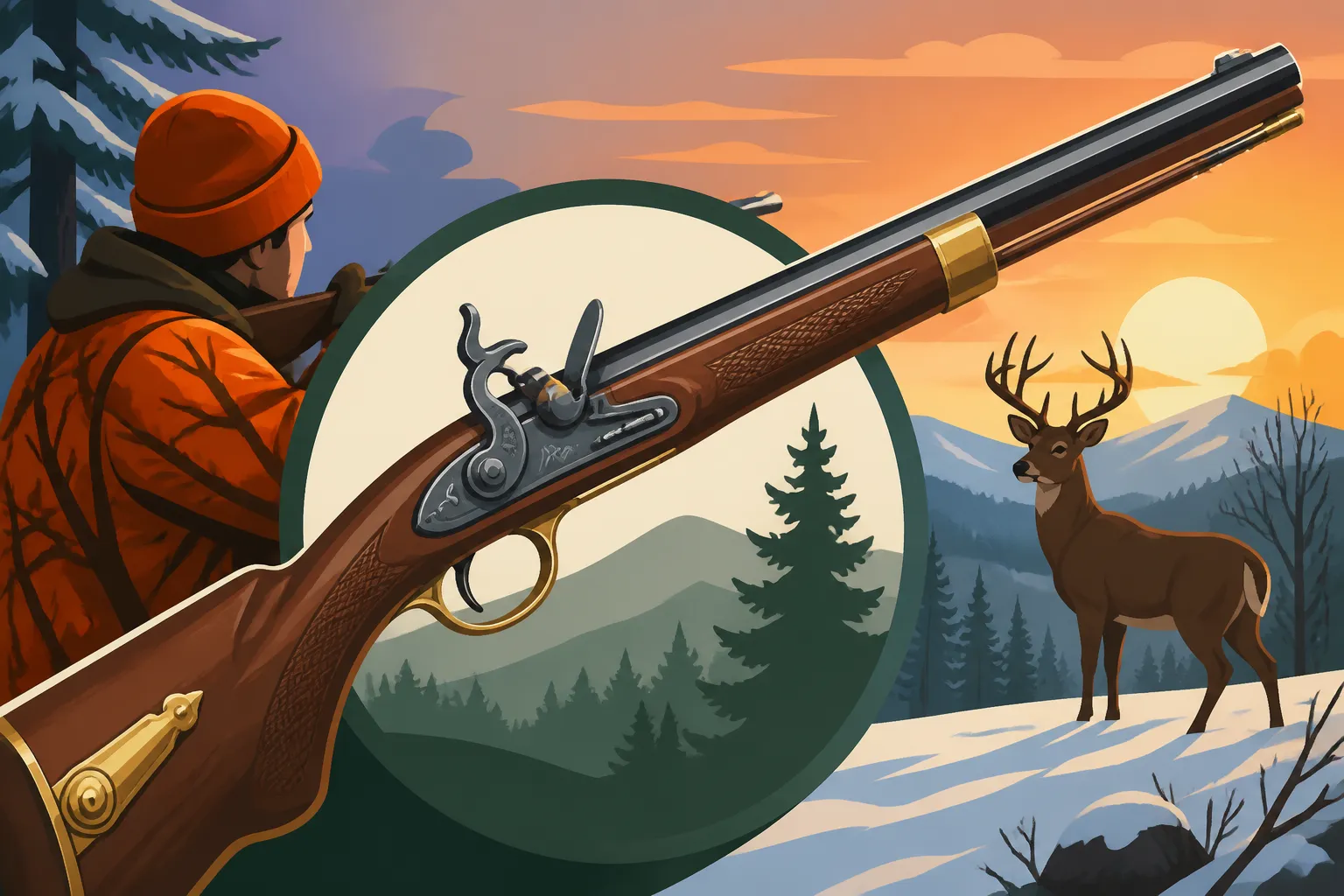
- Flintlock Rifles: These rely on a piece of flint striking steel to create a spark.
- Pros: The ultimate traditional experience, a true challenge.
- Cons: Extremely sensitive to moisture; even high humidity can make them unreliable. Slower ignition time (a visible flash in the pan before the main charge ignites). Very difficult to use effectively in snow or freezing rain.
For the December season, unless you are deeply committed to the traditional challenge, an in-line muzzleloader is almost always the more practical and reliable choice. The frustration of multiple misfires on a cold December morning can quickly sour what should be an enjoyable hunt.
| Feature | Modern In-line Muzzleloader | Traditional Percussion/Flintlock |
|---|---|---|
| Ignition System | Sealed 209 primer or similar | Exposed percussion cap or flint/frizzen |
| Weather Resistance | Excellent; highly reliable in cold/wet conditions | Poor; very susceptible to moisture/cold |
| Accuracy | High; often comparable to centerfire rifles | Moderate to low, depending on skill and conditions |
| Loading/Reloading | Relatively easy and consistent; faster for follow-up shots | Slower, more intricate; difficult with cold hands |
| Optics | Typically drilled for scopes | Iron sights or traditional peep sights |
| Maintenance | Requires thorough cleaning but generally straightforward | Requires meticulous cleaning and attention to components |
| Overall Reliability | Very High | Low to Moderate (especially in adverse weather) |
Beyond the Gun: Optics, Ammunition, and Maintenance for the Late Season
Having the best muzzleloader is only part of the equation. Your entire setup, from the scope to the bullet, and how you maintain it, will contribute to your success.
Scopes and Sights for Low Light and Snow
While some hunters prefer the challenge of open sights, a good scope can be a significant advantage in December. The shorter daylight hours mean you'll often be hunting in low-light conditions at dawn and dusk. Snow can create a glare that makes target acquisition tricky, but it also reflects light, potentially offering clearer visibility than a dark, snow-free forest.
- Low-Light Performance: Invest in a scope with good light-gathering capabilities. Larger objective lenses and quality glass make a difference.
- Variable Magnification: A 3-9x or 2-7x power scope is usually plenty for muzzleloader ranges in Vermont. You'll want the lower power for wide fields of view in dense timber, and the ability to dial up for more precise shots if an opportunity presents itself in a clearer cut or field edge.
- Reliable Mounts: Recoil can be tough on scopes and mounts. Ensure your scope is mounted securely with quality rings and bases. A scope that shifts its zero is worse than no scope at all. When planning your setup, researching reviews on GoHunt can sometimes highlight specific scope and mount combinations that hold up well under muzzleloader recoil.
Ammunition Choices for December Whitetails
The type of bullet and sabot you use can drastically affect accuracy and terminal performance. In December, deer often have thicker coats, and you might encounter tougher shots through light cover as they seek refuge.
- Conical Bullets vs. Sabots:
- Conical Bullets: These are solid lead bullets that engage the rifling directly. They are heavy and hit hard, making them a good choice for deer. However, they can be less accurate than sabots at longer ranges.
- Saboted Projectiles: These consist of a smaller-diameter bullet encased in a plastic sabot that engages the rifling. Sabots allow you to shoot modern, aerodynamic bullets designed for rifle cartridges, offering superior accuracy and flatter trajectories. They are generally the preferred choice for hunting deer. Common choices include Hornady SSTs, Barnes Expander MZ, and Federal Bor Lok.
- Bullet Weight and Construction: For Vermont whitetails, bullets in the 250-300 grain range are excellent choices. Look for bullets designed for controlled expansion, ensuring good penetration and energy transfer without excessive fragmentation. This is especially important if you need to bust through a shoulder or track a deer in deeper snow. Consider Sabot Choices for an Antlerless-Only Hunt if you're pursuing an antlerless tag, as specific bullet types can also be optimized for that scenario.
Cold-Weather Maintenance and Field Care
Proper maintenance is critical year-round, but it's amplified in December. Neglecting your muzzleloader in the cold can lead to serious issues.
- Pre-Hunt Preparation: Before each hunt, ensure your bore is clean and dry. A thin layer of bore butter or similar preservative can help prevent moisture. Check your breech plug to ensure it's clean and snug.
- Keeping it Dry in the Field: Moisture is your enemy. Use a quality scope cover. If snow or rain is falling, keep your muzzleloader pointed down and, if possible, protect the muzzle with a piece of electrical tape (which you can shoot through) or a specialized muzzle cover. When you're sitting in a stand, try to keep your rifle under a waterproof cover or close to your body to prevent moisture from accumulating and freezing. This often overlooked step, Keeping a Muzzleloader Dry in Late-Fall Rain, is paramount.
- Post-Hunt Cleaning: After every hunt, even if you didn't fire a shot, clean your muzzleloader thoroughly. Black powder and its substitutes are corrosive. Bring it inside, let it warm up, and then clean it using appropriate solvents. Pay special attention to the breech plug and bore. Dry it completely before storing.
- Dealing with a Misfire: If you experience a misfire in the field (and you've checked the safety, recapped, etc.), wait at least 30-60 seconds before safely removing the breech plug and unloading the powder. Trying to ram another charge down a potentially still-loaded barrel is incredibly dangerous. This is where the ease of removing a breech plug on an in-line really shines.
- Retrieving Your Harvest: After a successful shot, Field Dressing a Deer in Cold Weather presents its own challenges, but your muzzleloader needs to be secured and, ideally, protected from additional snow or dirt during the process. If you're fortunate enough to need to retrieve a deer from tricky terrain, know how to handle your firearm safely while Recovering a Deer From a Steep Ravine.
Vermont's December muzzleloader season offers a challenging but incredibly rewarding experience for the prepared hunter. By choosing a reliable, accurate, and weather-resistant muzzleloader, and pairing it with appropriate optics, ammunition, and meticulous maintenance, you'll be well-equipped to brave the cold and chase those elusive late-season whitetails.
Disclaimer
This article is for general informational purposes only and does not constitute professional advice. Laws, prices and regulations vary by location and change over time. Consult a qualified professional for guidance on your specific situation.