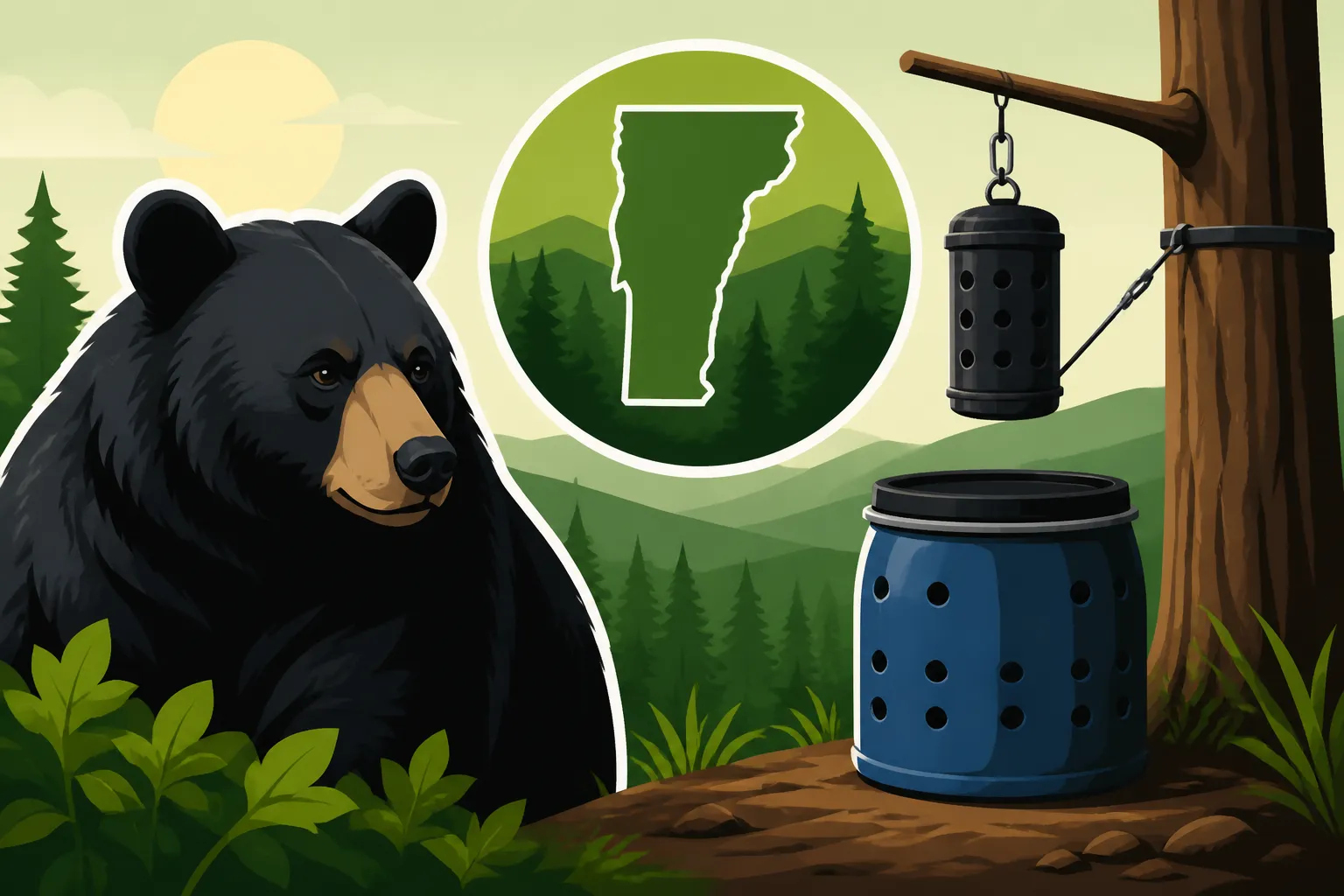
Best Bear Bait Site Setup
Hunting black bears in Vermont can be one of the most exciting and challenging pursuits our Green Mountains offer. Many hunters get frustrated, spending countless hours in the woods, seeing little more than a squirrel, because they haven't quite cracked the code on consistently bringing bears into their setup. This guide is all about demystifying one of the most effective strategies: creating and managing the best bear bait site setup, so you can increase your odds of a successful harvest.
Understanding Vermont's Bear Baiting Regulations
Before you even think about hauling a single bucket of bait into the woods, you absolutely must understand Vermont's specific regulations regarding bear baiting. This isn't just about playing by the rules; it's about protecting yourself from fines and ensuring ethical hunting practices. Trust me, the last thing you want is to put in all that effort, only to find you've accidentally broken a regulation. It's a common frustration, the feeling that the rules are a maze, but breaking them carries real consequences.
Permitting and Placement Rules
Vermont takes its bear management seriously, and that includes baiting. You can't just throw out some donuts and call it a day. First and foremost, you need a valid hunting license and a bear permit. Beyond that, there's a crucial step many folks overlook: you generally need to register your bait site with the state. This isn't just a suggestion; it's a requirement that helps the state monitor activity and ensure compliance. Each registered site usually gets a unique identifier, and you'll typically need to post signage indicating it's an active bait site.
When it comes to placement, there are strict rules to prevent issues with private property, public safety, and other hunters. You usually can't place a bait site too close to a dwelling, a public road, or even another registered bait site. This means doing your homework on land boundaries, public versus private access, and the local lay of the land is paramount. Imagine setting up the perfect site, only to discover you're a few yards too close to a property line or a walking trail – all that effort for nothing. Tools like GoHunt can be incredibly helpful here, allowing you to layer property boundaries and topography to ensure your chosen spot meets all legal distance requirements. It saves you from that gut-wrenching moment of realizing your hard work is in violation. Make sure you check the current rules regarding Vermont Bear Hunting Permit Requirements before you start any setup.
Legal Bait Materials and Restrictions
This is another area where hunters can easily get tripped up. While the idea of "bear bait" might conjure images of anything a bear would eat, Vermont has specific limitations on what you can use. Generally, sweet treats, grains, and certain produce are good to go. Think donuts, pastries, molasses, corn, oats, and certain fruits and vegetables. These are often readily available and affordable, making them popular choices.
However, and this is a big one, certain items are explicitly forbidden. Most notably, meat products or carcasses are typically not allowed. This is largely due to concerns about disease transmission, particularly Chronic Wasting Disease (CWD), and to prevent attracting other undesirable scavengers that could create conflicts or spread disease. The state is very proactive in its disease prevention efforts, as detailed in Vermont's CWD Prevention Rules, so understanding these bait restrictions is critical for the health of our deer and bear populations. Always double-check the latest regulations on allowed and prohibited bait materials. Don't assume that just because a bear likes something, you're allowed to use it. That assumption can lead to serious headaches.
Strategic Site Selection for Maximum Success
Once you've got the regulations down, the next critical step is picking the right spot. This isn't just about finding any place to put bait; it's about finding the best place that maximizes your chances of attracting a bear consistently and allowing for an ethical shot. This is where many hunters feel overwhelmed, looking at a vast landscape and wondering where to even begin.
Scouting for Bear Sign and Travel Corridors
Bears are creatures of habit, and they leave plenty of clues. Before you even think about bait, spend some serious time scouting. Look for actual bear sign: tracks in mud or dust, scat (which can tell you a lot about their diet), claw marks on beech trees where they've been feeding on nuts, or rubs where they've scratched against a tree. Pay close attention to trails that look well-used, especially those leading to known food sources like apple orchards, berry patches, or oak ridges. Bears often travel along natural funnels, such as saddles between ridges, creek bottoms, or the edges of dense cover. Think about where a bear would naturally move from its bedding area to a feeding area or water source.
A good scouting app or GPS unit can be invaluable here. You can mark sightings, potential travel routes, and bedding areas. The more information you gather, the clearer picture you'll get of a bear's routine. Remember, you're trying to intercept them, so setting up along a natural travel corridor, rather than just in a random patch of woods, drastically improves your odds. For a deeper dive into how to effectively scout our Vermont lands, check out Scouting Vermont Public Land Before Season. Understanding these patterns is the bedrock of a successful bait site.
Considering Accessibility and Wind
You've found an area with tons of bear sign – fantastic! But now comes the practical reality: can you access it quietly and consistently without disturbing the area or, more importantly, spooking a bear? Accessibility isn't just about how easy it is to hike in; it's about your entry and exit routes. You want a path that allows you to approach your stand or blind with the wind in your favor, and to leave without alerting nearby wildlife. Bears have an incredible sense of smell, so playing the wind is non-negotiable.
Look for terrain features that naturally mask your approach, like a low ridge, a creek bed, or a thick stand of softwoods. Consider the prevailing wind direction for the time of year you'll be hunting. You want your scent to blow away from where you expect the bear to approach, and certainly away from the bait itself. Many hunters forget about the thermals, especially in our hilly Green Mountain terrain, where air currents can shift dramatically with temperature changes. A morning thermal might pull your scent uphill, while an evening thermal might push it down into a valley. This often frustrates hunters who set up perfectly for a prevailing wind, only to have thermals betray them. For more on navigating those tricky air currents, have a look at Wind and Thermals in Steep Green Mountain Terrain. Choose a spot where you can consistently hunt without your scent being an issue.
Building an Effective Bait Station
Okay, you've got your permit, you know the rules, and you've found the perfect, strategic spot. Now it's time to actually build your bear bait site. This is where the rubber meets the road, and a well-constructed site can make all the difference in keeping bears coming back.
Containment and Presentation of Bait
The goal isn't just to dump bait on the ground; it's to make the bears work for it a little, and to keep other critters (like raccoons and coyotes) from devouring it all in one sitting. Effective containment means the bait lasts longer, and the bears have to spend more time at the site, increasing your opportunities. Many hunters use heavy-duty plastic barrels or metal culverts, chained or cabled to a tree. These barrels can have small openings or holes that allow bears to get at the bait but prevent them from just grabbing huge mouthfuls and running off.
Another popular method is creating a "crib" or "log pile." You stack heavy logs or timbers around the bait, making it difficult for the bear to access directly. This forces them to move and manipulate the logs, keeping them engaged and at the site longer. Some hunters even embed their bait barrels within these log piles for extra security and longevity. The key is to make it challenging enough to slow them down, but not so challenging that they give up. Bears are smart and persistent; they appreciate a good puzzle, especially if the reward is a delicious snack. For more ideas on how to secure your bait, check out Choosing a Bear Bait Container.
Scent Dispersal and Attractants
The initial draw is all about scent. Bears have an incredible sense of smell, and you need to leverage that to pull them in from a distance. The stronger and more appealing the scent, the more likely a bear will pick it up and follow it to your site. This often involves a multi-pronged approach.
First, your main bait source itself should be pungent. Things like stale pastries, sugary cereals, and molasses will start to ferment slightly, releasing a strong, sweet aroma. But you can enhance this significantly. Many hunters use liquid attractants, which can be poured over logs, leaves, or even the bait barrel itself. These often have super-concentrated sweet, fruity, or anise-like smells. Old cooking grease or bacon fat can also be a powerful draw, as bears are highly attracted to fatty smells.
Consider hanging "stink bombs" or scent wicks high in trees around the bait site. These could be rags soaked in strong attractants or commercially available scent bombs designed to release a powerful odor over a wide area. The higher the scent is placed, the further it can carry on the wind, essentially creating an aromatic breadcrumb trail for bears to follow. A strong initial scent helps cover that first visit from a bear. Once they find the bait and realize it's a reliable food source, they'll often return even if the scent isn't quite as strong.
Monitoring and Maintenance of Your Site
Setting up a bait site is not a "set it and forget it" endeavor. Consistent monitoring and maintenance are what turn a hopeful location into a hot spot that consistently attracts bears. This ongoing commitment is what separates the successful bear hunters from those who just fill a barrel once and hope for the best.
Regular Checks and Refills
The frequency of your visits is a delicate balance. You need to replenish the bait before it runs out, but you also don't want to visit so often that you leave too much human scent or disturb the area. Bears are incredibly sensitive to human presence, and too many visits can easily make them nocturnal or push them off your site entirely. Generally, checking every 3-5 days is a good starting point, but you'll adjust this based on how quickly the bait is being consumed.
When you do visit, be as stealthy as possible. Wear clean clothes, spray down with a scent eliminator, and try to approach and leave against the wind. Minimizing your time at the site is also important; get in, refill, check your cameras, and get out. Rotating bait types can sometimes keep bears interested, especially if they start to get "bored" with a particular food source. Some hunters will start with really pungent, high-fat items to get immediate attention, then switch to more volume-based, cost-effective baits once the bears are consistently visiting. This strategic rotation can be a great way to keep bears coming back for more. Think of it like a buffet: variety keeps them guessing and returning. You'll likely be Baiting a Bear Site in Late Summer to get them comfortable before the season.
Using Trail Cameras for Intelligence
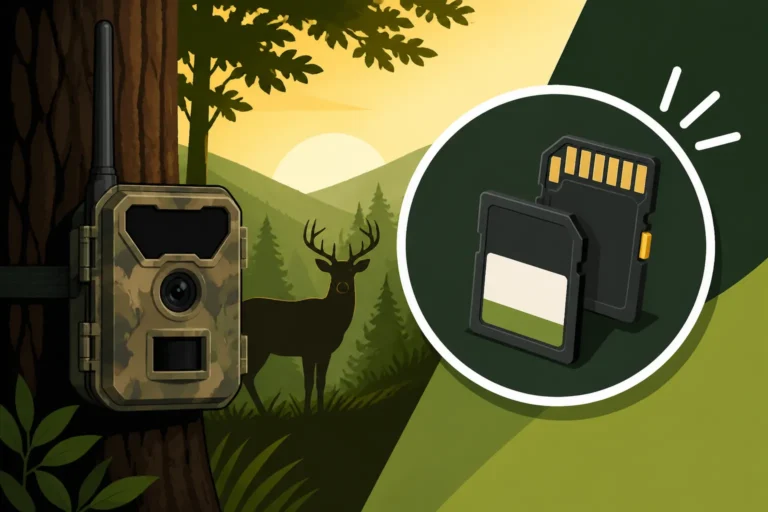
Trail cameras are, without a doubt, the single most valuable tool for monitoring a bear bait site. They are your eyes in the woods when you're not there, providing invaluable intelligence without adding human pressure. Without a camera, you're just guessing when bears are visiting, how many, their size, and their patterns. With a camera, you gain a clear understanding of exactly what's happening.
You'll quickly learn the specific bears that are hitting your site, their preferred times of day (are they mostly nocturnal, or do they visit during legal hunting hours?), and their approach paths. This data allows you to fine-tune your hunting strategy, choose the best times to sit, and even identify specific target bears. Many modern trail cameras offer cellular capabilities, allowing you to get real-time updates directly to your phone. This can be a huge advantage, letting you know when to go in for a hunt without having to make unnecessary trips to check the camera's SD card. When it comes to effective camera use, placement is key, so consider Trail Camera Placement on Public Land carefully. Investing in a reliable camera is one of the best decisions you can make for bear baiting success. For specific recommendations, you might find useful insights in Best Trail Camera for a Bait Site. Using a mapping app like GoHunt can help you plot camera locations and track bear movement patterns over time.
| Bait Type | Primary Attractant | Advantages | Disadvantages |
|---|---|---|---|
| Baked Goods | Sugar, sweet scent | Strong initial draw, readily available | Can spoil quickly, messy, expensive in bulk |
| Corn/Grains | Carbohydrates, bulk | Cost-effective, long-lasting, good filler | Less initial scent, needs to be contained well |
| Molasses/Syrups | Sugar, powerful scent | Excellent long-range attractant, sticky | Messy, can attract unwanted insects |
| Cooking Oil/Grease | Fat, pungent scent | Highly attractive, long-lasting scent trail | Can be very messy, may attract other scavengers |
| Fruits (Apples/Berries) | Natural sugars, local | Natural food source, bears accustomed to them | Seasonal, can be expensive, spoil quickly |
Successfully setting up a bear bait site in Vermont isn't just about throwing some food out; it's a calculated strategy involving strict adherence to regulations, meticulous scouting, thoughtful construction, and diligent maintenance. When you put in the work to understand the rules, identify prime locations, build an appealing and secure station, and consistently monitor it with tools like trail cameras and GoHunt, you'll dramatically improve your chances of encountering one of our magnificent Green Mountain bears. It’s a rewarding challenge, and a well-managed bait site can be the key to your success during Bear Hunting Vermont's Long September-to-November Season.
Disclaimer
This article is for general informational purposes only and does not constitute professional advice. Laws, prices and regulations vary by location and change over time. Consult a qualified professional for guidance on your specific situation.