Hunting Vermont’s Fall Shotgun Turkey WMUs
The crisp air of a Vermont autumn is truly something special, and for many of us, it brings with it the unique challenge and reward of fall turkey hunting. But let's be honest, figuring out the specific regulations, especially which Wildlife Management Units (WMUs) allow shotguns for these elusive birds, can feel like trying to decipher an ancient map. It’s frustrating when you just want to get out there, but the rules seem to shift or be unclear. This comprehensive guide is designed to cut through that confusion, giving you the detailed, actionable information you need to confidently and successfully pursue wild turkeys in Vermont's designated fall shotgun WMUs.
Understanding Vermont's Fall Shotgun Turkey WMU Rules
Navigating Vermont's hunting regulations can sometimes feel like a puzzle, particularly when it comes to fall turkey seasons, which have nuances depending on your chosen weapon and location. The Vermont Fish and Wildlife Department has specific guidelines to manage turkey populations effectively, and knowing these intimately is your first step toward a successful hunt. It’s not just about knowing when the season is, but where you can even bring a shotgun.
Delineating Shotgun-Legal Zones
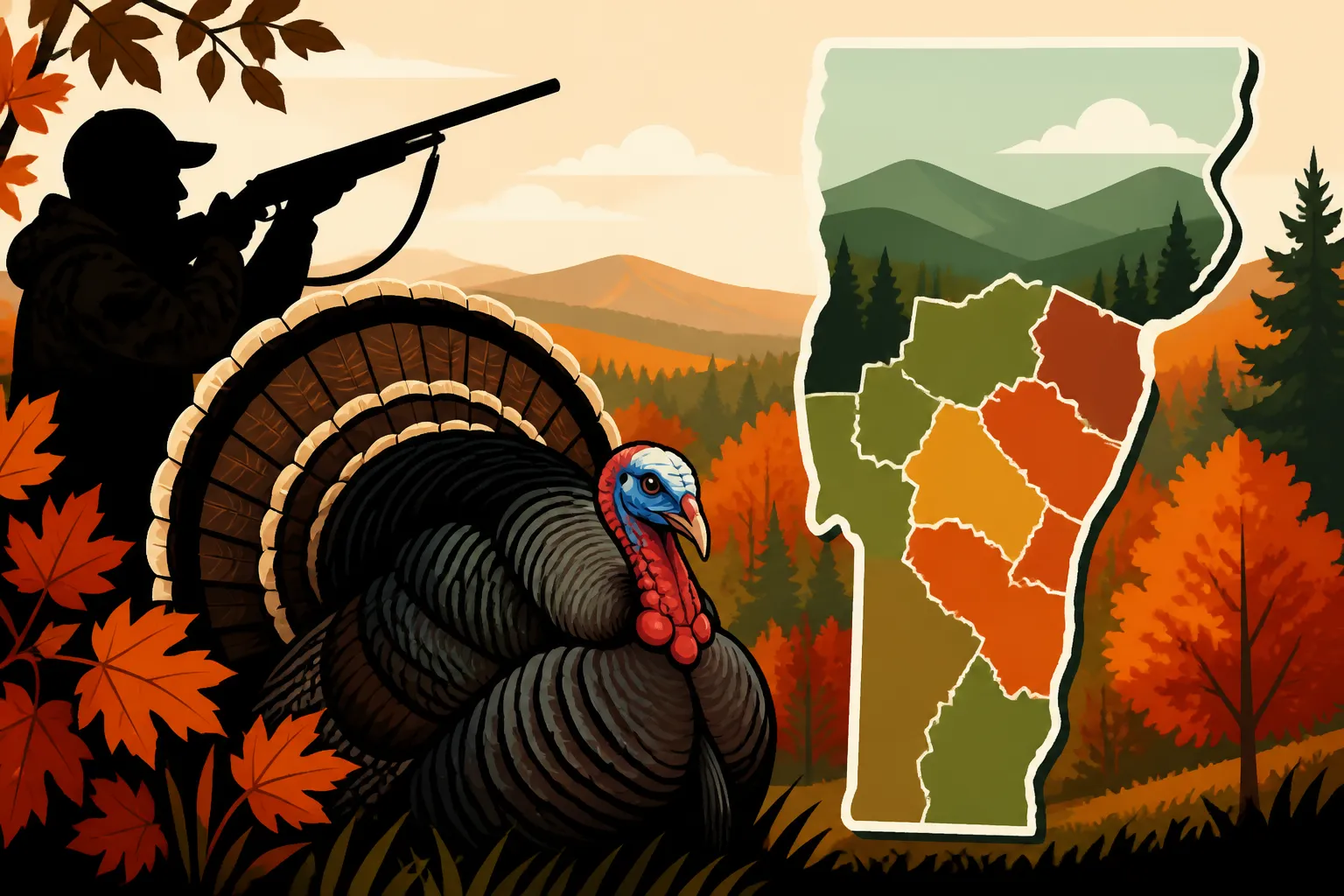
Unlike the spring season, where shotguns are generally permitted statewide, the fall turkey season in Vermont introduces a critical distinction: only certain WMUs allow the use of shotguns. This is a crucial detail that often catches new and even some seasoned hunters off guard. The reasoning behind this often lies in population density, habitat types, and management goals for particular areas. For instance, areas with higher human population density or specific wildlife corridors might have stricter regulations to minimize conflicts or ensure a more balanced harvest. The rest of the state during the fall is typically restricted to archery-only or is entirely closed for turkeys. Knowing which WMUs allow fall shotgun turkey hunting is paramount, and it’s always wise to double-check the current year’s regulations as these can occasionally be adjusted. You don't want to spend all that time scouting only to find out your chosen WMU is bow-only when you're geared for a shotgun hunt.
Permit and Season Dates for Fall Shotgun Hunting
Beyond the weapon restriction by WMU, there are specific permit requirements and season dates that apply to fall turkey hunting with a shotgun in Vermont. Generally, a valid Vermont hunting license is required, along with a specific turkey permit. Residents often enjoy a more liberal bag limit, sometimes even a two-bird limit for the entire season (though this typically applies to the spring). For fall, it's usually one bird, often of either sex, but again, always consult the current Vermont Fall Turkey Permit Rules. The season dates themselves can vary slightly year to year but typically fall within a specific window in October and November. This period is chosen to coincide with cooler weather, leaf drop, and before the peak of the deer rifle season, minimizing overlap and potential conflicts between different hunting activities. Pay close attention to these dates, especially if you plan to extend your fall hunting into other species, as early mornings in turkey season can quickly transition into deer scouting.
Legal Shotgun Ammunition and Restrictions
Once you've confirmed your WMU and secured your permits, understanding the legal ammunition for fall shotgun turkey hunting is the next critical piece of the puzzle. Vermont regulations are very clear on what you can and cannot use. Typically, shotguns larger than 10 gauge are prohibited, and shot sizes are generally restricted to #2 or smaller. This means no buckshot or slugs for turkeys, which is standard practice in most states but always worth confirming. The rationale here is to ensure an ethical harvest with minimal risk of crippling birds while also being safe for other users of public lands.
| Legal Shotgun Ammunition for Vermont Fall Turkeys | Restrictions |
|---|---|
| Shotgun gauge: 10 gauge to 20 gauge | No larger than 10 gauge, no smaller than 20 gauge for ethical harvest |
| Shot size: #2, #3, #4, #5, #6, #7 | No buckshot or slugs; #7.5 and #8 are also common |
| Shell type: Lead or non-toxic | Check specific WMA regulations for non-toxic shot requirements in certain wetland areas |
| Maximum shot capacity: 3 shells (1 in chamber, 2 in magazine) | Consistent with migratory bird regulations, though typically applies to turkeys as well |
It’s also important to ensure your shotgun itself complies with capacity limits. Most hunting shotguns are restricted to holding no more than three shells (one in the chamber, two in the magazine) for migratory birds, and this often extends to turkey hunting as well. Always double-check your firearm to ensure it's plugged correctly if it has a higher capacity. Using non-toxic shot is generally not required for turkeys on most lands but could be mandated in specific wetland WMAs, so pay attention to specific location-based rules that might be in effect.
Key Strategies for Hunting Fall Shotgun Turkeys
Fall turkey hunting is a beast all its own, fundamentally different from the spring gobbler pursuit. Forget the intense calling duels with lovesick toms; fall is about finding flocks, breaking them up, and then patiently calling them back together. It's a strategy rooted in the turkeys' social structure, which is both a challenge and a fantastic opportunity if you play your cards right.
Breaking Up a Fall Flock
The cornerstone of successful fall turkey hunting, especially with a shotgun, is the "bust 'em up and call 'em back" technique. In the fall, turkeys are typically in large, tight-knit flocks, often composed of hens and their poults (juveniles), sometimes with a few mature gobblers thrown in. These flocks rely heavily on safety in numbers and constant communication. Your goal is to scatter them so thoroughly that they feel compelled to regroup. This is often achieved by deliberately running into a flock, causing a cacophony of alarmed clucks and putts as they fly and run in every direction. Some hunters prefer to quietly approach a roosted flock before first light and then make a sudden, aggressive move as they fly down. Others stumble upon flocks while still-hunting and then press the advantage.
The key to a good break is dispersal. You want the birds to scatter widely and in different directions, making it harder for them to immediately reassemble. Once the chaos subsides, mark where the birds flew and ran. Understanding how to break up a fall turkey flock is vital; a weak break means birds might just trot a short distance and re-group, making your job much harder. After the break, resist the urge to immediately call. Give the birds at least 20-30 minutes, sometimes even longer, to settle down and start feeling the urge to regroup.
Calling Techniques After the Break
Once the flock is broken, the real art of fall turkey calling begins. The dispersed birds, especially the young ones, will soon begin to feel vulnerable and lonely. This is when they start calling to locate each other. Your job is to mimic these "lost calls" and bring them into shotgun range. The most effective calls after a break are typically soft yelps, kee-kees (the lost call of a young turkey), and clucks. Young birds, particularly poults, are often the most eager to come back to a perceived flockmate. A common strategy is to set up quickly in the area where the flock was broken, ideally with some cover, and then begin soft, infrequent calling. Avoid aggressive or loud calling at first; you're trying to sound like a lonely, lost bird, not an alarmed hen.
Listen intently. Often, you'll hear soft answering calls—a single yelp, a nervous putt—that can give away a bird's direction. When you hear these, adjust your calling to match the tone and frequency. Be patient. Sometimes it takes an hour or more for birds to commit to returning. Decoys can also play a huge role in convincing wary birds to close the final distance. For more in-depth knowledge, consider reading about Working a Fall Flock Apart Statewide With a Bow, as many of the calling principles apply equally to shotgun hunting, simply with a different weapon in hand.
Decoy Setups and Ambush Points
Decoys can be incredibly effective in fall shotgun turkey hunting, providing a visual focal point that draws wary birds into ethical range. After breaking up a flock, setting up a few hen or jake decoys can give the returning birds confidence that they are indeed heading back to their flock. Place your decoys in an open area that allows for clear shots, within 20-30 yards of your ambush point. The best ambush points are often near natural funnels, field edges, or subtle terrain features that returning turkeys are likely to follow. Think about where they'll naturally feel safe approaching.
When choosing your setup location, always consider your background and concealment. You want to be completely camouflaged and still, melting into the woods. A ground blind can be an excellent option for maintaining concealment, especially if you're hunting with kids or just want more freedom of movement. For tips on setting one up effectively, check out Using a Ground Blind on Public Land. When birds start to come in, they will often approach cautiously, circling the decoys, trying to visually locate the source of your calls. Remain absolutely still until they are within chip-shot range and presenting a clear, ethical shot. The patience required here can be immense, but the reward is worth it.
Scouting and Locating Flocks in Designated WMUs
You can't call them in if you don't know where they are. Fall turkey hunting success hinges heavily on pre-season scouting and understanding turkey behavior during this time of year. Unlike spring, where gobbling is your locator, fall turkeys are much quieter, making their food sources and travel patterns the key indicators of their presence.
Identifying Prime Fall Turkey Habitat
Fall turkeys are primarily driven by food. Their diet shifts from insects and greens in the summer to a heavy reliance on mast crops like acorns, beechnuts, and wild grapes, as well as waste grains in agricultural fields. Therefore, prime fall turkey habitat will typically be mature hardwood forests rich in oaks and beech, often interspersed with areas of softwoods for roosting, and adjacent to open fields. Look for areas with a variety of food sources, as turkeys will move throughout the day and season to find what's available. Creek bottoms and river corridors often hold excellent mast crops and provide natural travel routes.
During your scouting trips, keep an eye out for fresh turkey sign: tracks in soft earth or mud, droppings (larger and more scattered than deer droppings), shed feathers, and most importantly, scratchings in the leaf litter. Turkeys are constantly scratching and digging for food, leaving distinctive V-shaped patterns in the leaves. The fresher the scratchings, the more recently turkeys have been in the area. Pay attention to how turkeys use the landscape: where they prefer to roost, where they feed, and how they travel between these areas. Often, these patterns will remain consistent through the season.
Utilizing Technology for Scouting
In today's hunting world, technology can be your best friend for efficient scouting. Mapping apps like GoHunt, onX Hunt, or even the Vermont Fish and Wildlife App, are invaluable resources for identifying potential turkey habitat. You can overlay aerial imagery to pinpoint mature hardwood ridges, agricultural fields, and softwood thickets. Topographical maps will show you subtle drainages, benches, and saddles that turkeys might use as travel corridors. These tools allow you to do significant "e-scouting" from home, narrowing down promising areas before you even step foot in the woods.
When you hit the ground, these apps can help you navigate public lands, mark sign, and understand property boundaries if you're on private land. For broader public land scouting, consider reviewing information on Scouting Vermont Public Land Before Season. Don't forget trail cameras, either. While not as universally effective for fall turkeys as they are for deer, placing them on heavily used travel corridors or near prime food sources can sometimes provide valuable intelligence on flock movements, size, and composition. Remember to check specific WMU rules on trail camera usage, as some public lands have restrictions.
Interpreting Fall Turkey Sign
Learning to read turkey sign is like learning a new language in the woods. Fresh scratchings, as mentioned, are a huge indicator. Pay attention to the depth and freshness of the disturbed leaves. Look for dusting bowls—shallow depressions in dry soil where turkeys dust themselves to remove parasites. These indicate a well-used area. Roosting sites, often large conifers or hardwoods with sturdy horizontal limbs, can be identified by accumulated droppings and feathers underneath. Sometimes, you might even find feathers stuck in the bark from birds flying up and down.
Another key sign is droppings. Gobbler droppings are typically J-shaped, while hen and poult droppings are more coiled or blob-like. Fresh droppings are moist and shiny; older ones are dull and dry. Understanding the difference can help you determine what kind of birds are in the area. By combining all these visual cues with your mapping insights and an understanding of seasonal food preferences, you can build a comprehensive picture of where turkeys are active and how best to intercept them.
Essential Gear and Equipment for Fall Shotgun Turkey Hunting
Just like any specialized hunt, fall shotgun turkey hunting requires specific gear to maximize your chances of success and ensure a comfortable, safe experience. The right equipment can make all the difference when you're waiting for a wary flock to reassemble.
Shotgun and Choke Selection
For fall turkeys, a 12-gauge shotgun is the most popular choice, offering a good balance of power and pellet density. However, 20-gauge shotguns have become increasingly effective with modern ammunition, especially for smaller-framed hunters or those who prefer lighter recoil. The key is to pattern your shotgun with your chosen ammunition before the season. This means shooting at a turkey target at various ranges (20, 30, 40 yards) to see how dense and consistent your pattern is. You want a pattern that puts enough pellets in the kill zone (head and neck) to reliably anchor a bird at your maximum comfortable range.
Choke selection is also critical. A "turkey choke" (often an extra-full or even super-full constriction) is typically recommended to keep your pattern tight at longer ranges. Brands like Carlson's, Jebs, or Indian Creek offer excellent aftermarket turkey chokes designed to maximize pellet count in a small area. Don't just screw one in and assume it's perfect; patterning is non-negotiable. Your shotgun should feel comfortable to shoulder quickly and accurately, as opportunities can be fleeting.
Camouflage and Concealment
Fall turkey hunting demands top-notch camouflage, head to toe. Turkeys have incredible eyesight, distinguishing even the slightest movement or unnatural shape. A full camo pattern, whether it's a traditional woodland breakup or a modern photographic pattern, is essential. This includes a full facemask or face paint and gloves. You want to blend seamlessly into the autumnal woods, which means thinking about the colors of fallen leaves, tree bark, and shadows. Dress in layers, as fall mornings in Vermont can be quite chilly, but midday can warm up. Being able to shed or add layers quietly is important.
Concealment isn't just about what you wear; it's about how you position yourself. Always set up with your back against a wide tree or dense brush, which breaks up your silhouette and provides some cover for subtle movements. Minimize shiny objects that could reflect sunlight. The goal is to become an invisible part of the forest, allowing the turkeys to approach without detecting your presence.
Calls, Decoys, and Other Accessories
A variety of calls can be useful for fall turkeys. Mouth calls (diaphragm calls) are excellent for their hands-free operation and versatility, allowing you to mimic kee-kees, yelps, and clucks. Slate or pot calls are also very effective, capable of producing realistic lost calls and subtle yelps. Sometimes, even a simple box call can be enough to draw in a lonely bird. When choosing Calls for Vermont Turkeys, consider what you're most comfortable and proficient with, as realistic sound is more important than having every type of call.
Decoys, as discussed, are fantastic confidence boosters. A couple of hen decoys, perhaps one standing and one feeding, or a jake decoy to challenge an incoming bird, can make a huge difference. Carry them in quietly and set them up carefully. Other essential accessories include a comfortable seat cushion for long sits, a good pair of binoculars for spotting distant movement, and a rangefinder to confirm shot distances. Don't forget a sharp knife for field dressing, game bags to protect the meat, and a reliable headlamp for hiking in and out in the dark.
Field Dressing and Reporting Your Fall Turkey
Harvesting a fall turkey is a moment of triumph, but the job isn't done until you've properly cared for the bird and fulfilled your legal reporting obligations. Ethical hunting extends beyond the shot; it encompasses responsible game care and adherence to regulations.
Proper Field Dressing Techniques
Once your turkey is on the ground, the immediate priority is to cool the meat. Turkeys, especially if shot in warmer early-fall weather, can spoil quickly. Many hunters choose to field dress their birds by removing the entrails. To do this, make a small incision near the vent, carefully cut around the vent, and reach into the body cavity to pull out the internal organs. Be careful not to puncture the intestines. Once the organs are removed, allow the cavity to air out and cool. Some hunters also remove the head and feet, but often these are left attached for identification during transport.
Alternatively, some hunters prefer to breast out the bird immediately, especially if facing a long pack out. To do this, make an incision down the breastbone, peel back the skin, and carefully cut the breast meat away from the bone on both sides. This significantly reduces the weight you have to carry. If you do this, remember to leave proof of species and sex attached to the meat as required by Vermont regulations during transport. Always aim to get the meat cooled as quickly as possible, perhaps by placing it in a cooler with ice, especially on warmer days.
Vermont's Turkey Reporting Requirements
Reporting your harvest is a critical legal requirement in Vermont, and it provides valuable data for wildlife management. The Vermont Fish and Wildlife Department makes this process relatively straightforward. You are generally required to report your turkey within 48 hours of harvest. This can often be done online through their official portal or via their mobile app. You'll need your license number, the date and time of harvest, the WMU where you harvested the bird, and details about the bird itself (e.g., sex, spurs, beard length if applicable).
For detailed instructions and deadlines, always consult Vermont Turkey Checking Requirements in the current regulations. Failure to report your harvest can result in fines and other penalties. It’s not just a hoop to jump through; this data helps biologists track population trends, monitor harvest rates, and make informed decisions about future seasons and bag limits. Your participation is vital for the long-term health of Vermont's turkey resource.
Handling and Transporting Your Harvest
Once field dressed and reported, proper handling and transport are essential to ensure your turkey meat is of the highest quality. If you've breasted out the bird, place the meat in clean game bags or a cooler with ice. If transporting the whole bird, ensure it's secure and not exposed to excessive heat. Vermont law typically requires that proof of sex and species remain attached to the bird or packaged meat until it is processed for storage or consumption at your home or camp. This is to aid game wardens in verifying compliance with regulations.
When traveling, especially across state lines, be aware of any specific carcass import restrictions in other states, though this is less common for small game like turkeys than it is for deer, due to CWD concerns. For local transport within Vermont, simply ensuring the bird is legally tagged and reported, and that you have your license, is usually sufficient. A clean cooler with good ice can save your meat on a warm autumn day, especially if you have a longer drive home from the hunting grounds.
Navigating Public and Private Lands in Shotgun-Legal Zones
Vermont offers a mosaic of hunting opportunities, spanning vast public tracts and numerous private land parcels. Understanding how to access and legally hunt these lands is crucial, particularly in WMUs designated for fall shotgun turkey hunting.
Accessing Public Hunting Lands
Vermont boasts a significant amount of public land, including portions of the Green Mountain National Forest, numerous Wildlife Management Areas (WMAs), and various state forests and lands managed by the Vermont Department of Forests, Parks, and Recreation. These lands offer fantastic opportunities for fall turkey hunting. However, it's not always as simple as just showing up. Some WMAs might have specific rules or access points. It’s always best to research the specific public land you intend to hunt. Resources like the Vermont Fish and Wildlife Department's website, hunting apps like GoHunt, and topographical maps are invaluable for identifying boundaries, access roads, and potential hunting areas.
For a general overview, consider reviewing Scouting Vermont Public Land Before Season and Finding a Vermont WMA Near You. Remember that public lands are shared resources, meaning you'll likely encounter other hunters, hikers, and outdoor enthusiasts. Practice good hunter etiquette, including wearing adequate blaze orange (where required, though not typically for fall turkey with shotgun unless deer rifle season overlaps), being aware of your surroundings, and packing out everything you pack in. Always park legally and avoid blocking gates or roads.
Securing Private Land Permission
Many prime turkey habitats in Vermont, particularly those with a mix of mature hardwoods and agricultural fields, are on private land. Gaining permission to hunt these parcels can significantly expand your hunting opportunities. The key to securing private land access is respect, courtesy, and clear communication. Start by identifying landowners in areas you’ve scouted. A simple knock on the door, a polite introduction, and a clear request can go a long way. Always approach landowners well in advance of the season, not the day before.
Offer to share some of your harvest, help with chores, or simply provide your contact information. Be prepared to show your license and insurance if asked. If granted permission, respect their property as if it were your own. Follow any specific rules they set (e.g., no driving in fields, avoid certain areas) and leave gates as you found them. Always ask about specific boundaries to avoid accidental trespassing. Understanding Getting Private Land Permission in Vermont is key to unlocking some of the best hunting grounds the state has to offer. A positive relationship with a landowner can lead to hunting opportunities for years to come.
Respecting Landowner Rights and Regulations
Whether on public or private land, a deep respect for both the land and other users is paramount. On private land, remember that permission is a privilege, not a right. Never assume access, even if you’ve hunted a property before; always ask again each season. If you encounter posted land, respect the owner's wishes and do not trespass. Vermont law is clear on trespass and permission requirements.
On public lands, be mindful of noise, especially around popular trailheads or campgrounds. Share game retrieval paths with other hunters. And above all, always be aware of legal shooting distances from roads, dwellings, and other structures. This information is clearly outlined in the Vermont hunting regulations and is essential for safety and maintaining a positive image of hunters within the community. Ethical hunting is not just about legality; it's about being a good steward of the land and a respectful member of the outdoor community.
Disclaimer
Always consult the official Vermont Fish and Wildlife Department regulations for the most current and comprehensive information on hunting seasons, permits, and rules. This guide is for informational purposes only and should not replace official sources.