Hanging a Stand on a Champlain Valley Field Edge
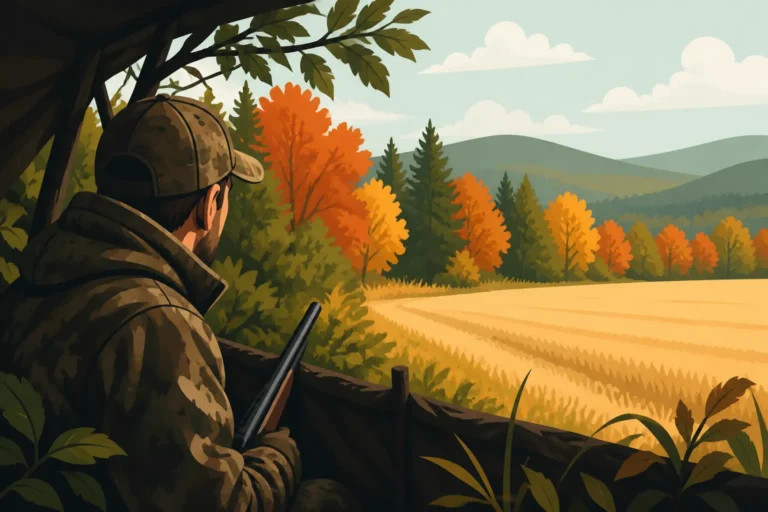
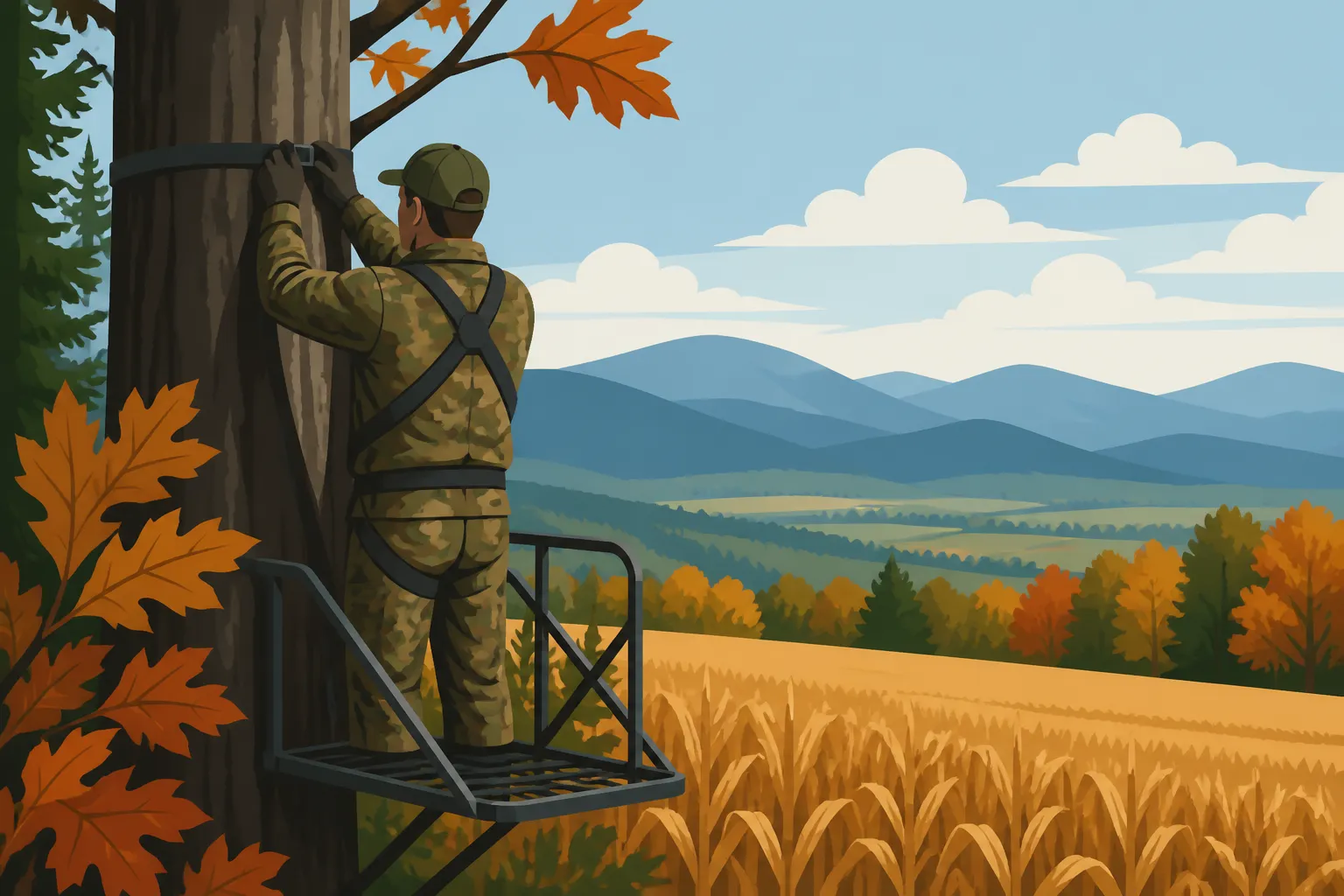
Hunting a field edge in the Champlain Valley can feel like both a blessing and a curse. You know the deer are there, drawn by the agricultural bounty, but getting into a good position without spooking them can be incredibly frustrating. They’re often on high alert in these open areas, and any false move can send them scattering. This guide will walk you through the precise steps and considerations for effectively hanging a stand on a Champlain Valley field edge, helping you turn those frustrating near-misses into successful hunts.
Understanding the Champlain Valley Field Edge Dynamics
The Champlain Valley is a unique hunting environment, a patchwork of vast agricultural fields, woodlots, and thick riparian zones along rivers and streams. Deer here are highly patterned around food sources, often bedding in nearby cover and moving to the fields to feed, especially in the evenings and mornings. Understanding these movements is critical before you even think about hanging a stand.
Why Field Edges Are Deer Magnets in the Champlain Valley
Deer in the Champlain Valley are heavily reliant on the food sources provided by agricultural fields. Whether it's standing corn, freshly cut alfalfa, soybeans, or even winter wheat, these fields are veritable buffets for whitetails. The edges where these fields meet timber, brush, or creek bottoms create natural travel corridors and staging areas. Deer often use the security of the woods to approach the field, pausing just inside the tree line before venturing out into the open. This makes these transitional zones incredibly productive for hunters. It's not just about what's in the field; it's about the safety and pathways the deer use to get to the field.
Think about a crisp October evening. Deer will start filtering out of the timber, browsing along the edge, nibbling on dropped kernels or tender new growth, before committing to the full exposure of the open field. This behavior provides a perfect window for a hunter positioned strategically along that edge. Furthermore, these edges often act as funnels, concentrating deer movement into predictable patterns, especially during the pre-rut and rut phases when bucks are cruising for does. Knowing when the rut peaks in early-to-mid November can help you decide when to focus your efforts.
Reading Deer Movement Along the Edge
Deer movement along field edges isn't random. They often follow subtle trails, old fence lines, ditches, or even changes in vegetation density. Before you pick a tree, spend significant time scouting. Look for heavily used trails entering and exiting the field, especially those leading to known bedding areas. Pay attention to rubs and scrapes, which indicate buck activity and often point to preferred travel routes. Fresh droppings and tracks are obvious indicators of recent activity.
One common pattern is that deer will often move parallel to the field edge, staying just inside the cover, until they reach a preferred entry point or a particularly attractive food source. They might use a small finger of woods that juts into a field or a brushy hedgerow as a staging area. Tools like the Vermont Fish and Wildlife App or mapping layers from services like GoHunt can be invaluable here. Use aerial photos to identify these natural funnels and pinch points where deer traffic is likely to be concentrated. Don't just look for any sign; look for the most sign, and try to discern the direction of travel and time of day.
The Impact of Crop Cycles and Food Availability
The type of crop in the field and its stage of growth will dramatically influence deer behavior. A standing cornfield in September offers both food and unparalleled cover, making it a challenge to hunt effectively from the edge alone. Deer might be bedding within the corn itself. However, once the corn is cut, the deer patterns shift, often concentrating on spilled grain or moving to other food sources. Similarly, a lush alfalfa field might be hot in the early season, but as it goes dormant, deer will shift to brassicas or acorns if available.
Keep a close eye on agricultural activity in your chosen area. A field that's been recently harvested might see a surge in deer activity as they clean up dropped grains. Conversely, heavy machinery in the field can push deer out for a day or two. Understanding these agricultural rhythms is like having an insider's tip to deer movement. If you're hunting after a poor acorn year, the field edges become even more critical, as natural food sources in the timber might be scarce, making the agricultural fields the primary draw.
Strategic Stand Placement for Success
Once you understand the general deer movement patterns, the next step is to pinpoint the exact location for your stand. This is where precision and careful planning really pay off.
Scouting the Perfect Tree and Approach
Choosing the right tree isn't just about finding one that's big enough. It's about finding a tree that offers natural concealment, provides good shot opportunities, and allows for a quiet, undetected approach and exit. Look for a tree with good branching structure that can break up your silhouette, or one that's part of a cluster of trees rather than a lone sentinel. Consider the sun's position throughout the day; you don't want to be backlit during prime hunting hours, especially in the morning or late afternoon.
Before ever climbing, walk the area. Identify potential approach routes that offer maximum cover and minimal noise. Can you use a ditch, a hedgerow, or a dip in the terrain to get to your stand undetected? Similarly, plan your exit route. The goal is to get in and out without alerting deer that might be in the field or nearby cover. Think about your entire hunting sequence, from parking the truck to climbing into your stand. Every step needs to be considered for stealth.
Playing the Wind and Thermals
This is arguably the most crucial factor in stand placement, especially in the Champlain Valley where fields can be open and winds can swirl. Deer have an incredible sense of smell, and even a slight breeze carrying your scent can bust your hunt before it even begins. Always, always hunt with the wind in your favor. This means setting up so your scent is blowing away from where you expect deer to approach or feed.
In the mornings, as the ground heats up, thermals will often rise. This means your scent will generally be carried upwards. In the evenings, as the ground cools, thermals tend to fall, carrying your scent downwards into valleys or depressions. On a field edge, this can be tricky. A rising thermal in the morning might pull your scent up and over deer approaching from the woods, but a falling thermal in the evening could dump your scent directly into the field. Pay attention to the prevailing wind direction for the specific day you plan to hunt, and have multiple stand locations to choose from for different wind conditions. Checking detailed wind forecasts is a non-negotiable step before every hunt.
Maximizing Concealment and Shot Angles
Beyond the wind, your ability to remain unseen is paramount. Choose a tree that offers ample cover, whether it's thick foliage (though this thins out as the season progresses) or a cluster of smaller trees that form a natural blind. If possible, position your stand slightly inside the timber line, rather than right on the edge, to give yourself a bit more concealment and to catch deer as they stage.
Think about shot angles. A stand hung too high might result in steep, difficult shots into the field or at deer close to the tree. Conversely, too low, and you risk getting busted by deer that are already on alert. A good general rule for a treestand is to be between 15-25 feet high, depending on the terrain and cover. Practice shooting from elevated positions before the season to ensure you're comfortable with downward angles. Clear any shooting lanes before the season starts, but do so subtly to avoid alarming deer. Remember, the goal is to be invisible and have an unobstructed shot at your target.
Essential Gear and Setup Considerations
Once you’ve done your scouting homework, it’s time to put boots on the ground and get that stand up. Having the right equipment and prioritizing safety are non-negotiable.
Choosing the Right Stand and Accessories
For field edge hunting, flexibility and quiet operation are key. Climbing stands are great for mobility if you have straight, limbless trees, allowing you to adapt to changing conditions or move around. However, many field edge trees might not be perfectly straight or have suitable bark for a climber. Ladder stands offer stability and comfort for longer sits, but they are less portable and can be harder to set up discreetly. Hang-on stands, combined with climbing sticks or a tree-access system, offer a good balance of flexibility and stability, allowing you to pick a wider variety of trees. Consider your budget, the specific trees you're eyeing, and how often you plan to move the stand.
Beyond the stand itself, consider accessories that enhance your hunt. A good pull-up rope is essential for safely bringing your bow or rifle into the stand. Backpack straps or a frame can make carrying your stand and sticks much easier, especially when navigating dense Vermont timber to reach that secluded field edge. A gear hanger will keep your essentials organized and within reach. For example, a quality rangefinder is invaluable for accurately judging distances in open field settings, and a pair of good binoculars can help you pick apart distant deer in the low light of dawn and dusk.
Safety First: Harnesses and Lines
Let's be absolutely clear: Never, ever climb into a treestand without a full-body safety harness. Falls from treestands are one of the leading causes of serious hunting injuries. Invest in a comfortable, well-fitting harness and wear it from the moment your feet leave the ground until they touch back down. Use a lineman's belt when hanging your stand to keep yourself secure while working, and always use a safety line or lifeline that stays attached to the tree from the base up, allowing you to remain tethered even as you ascend or descend.
Familiarize yourself with your harness and lifeline before the season. Practice using it in a low-risk environment. A fall can happen in an instant, and being properly secured can be the difference between a minor scare and a life-altering injury. Don't cut corners on safety, no matter how quick or easy you think a climb might be. Your life, and your family's peace of mind, are far too important.
Setting Up Discreetly and Efficiently
When it comes to hanging a stand on a field edge, discretion is paramount. Deer in these areas are often accustomed to human activity (farm equipment, passersby) but are hyper-sensitive to anything out of place in their immediate environment. Try to hang your stand during the middle of the day when deer activity is typically lower, or even better, on a rainy or windy day when your noise and scent are less likely to carry.
Work quickly and quietly. Avoid unnecessary noise from banging metal. Use tools that allow for efficient setup. Consider having a buddy help you, especially with ladder stands, to ensure safety and speed. After the stand is up, brush it in slightly with natural foliage if possible, breaking up its outline. Avoid leaving excessive human scent around the base of the tree. The less impact you make during setup, the less likely deer are to associate that spot with danger. This initial effort can greatly increase the long-term effectiveness of your stand. This careful approach also applies to your scouting efforts; minimizing disturbance when reading Vermont mud for fresh deer movement is key.
Hunting the Edge: Tactics for Different Conditions
Having your stand hung is just the beginning. The real art is in hunting it effectively, adapting to what the conditions throw at you.
Entry and Exit Routes
This is where many hunters unknowingly sabotage their own efforts. You can have the perfect stand location, but if your entry and exit routes spook deer, you might as well stay home. Plan your routes to use existing terrain features—ditches, fencelines, thick cover, creek beds—to your advantage, minimizing your visibility and noise. Always approach and depart with the wind in your favor, even if it means taking a longer, roundabout path. Avoid walking through areas where deer are likely to be feeding or bedding during your travel times.
If hunting a morning sit, arrive well before first light, using a headlamp with a red or green lens to preserve your night vision and minimize disturbance. For evening hunts, try to be in your stand at least an hour or two before deer are expected to show up. When leaving, wait until it's completely dark or after all deer have left the field. Sometimes, it's better to stay in the stand for an extra 30-45 minutes to let things calm down than to bust deer on your way out, educating them to your presence.
Timing Your Hunts for Peak Activity
The Champlain Valley field edges can be hot at specific times of day and specific points in the season. Early season (September/October) might see deer hitting fields right at first light and last light, particularly if they offer lush forage. As the weather cools and the rut approaches, daytime activity might increase. During the pre-rut, bucks will start cruising the edges, looking for does, making midday sits more productive than you might think. Knowing when Vermont bucks bed in thick cover can inform your timing.
Of course, weather plays a huge role. Cold fronts often stimulate deer movement, especially after a period of warm weather. A drizzly, overcast day might keep deer moving longer, feeling more secure than on a bright, sunny afternoon. Keep an eye on the forecast and consider hunting after a cold front. Pay attention to lunar phases too; some hunters swear by periods of increased activity around full or new moons, though anecdotal evidence varies. The key is to be flexible and willing to adapt your schedule to conditions.
Adapting to Weather and Pressure
Vermont weather can be unpredictable, especially in the Champlain Valley. One day can be warm and sunny, the next cold and rainy. Dress in layers to adapt to changing temperatures and conditions. Good rain gear is essential; nothing ruins a hunt faster than being cold and wet. Consider a quality insulated base layer for a September archery sit or a mid-layer for a November rifle hunt when the temperatures drop significantly.
Hunting pressure also impacts deer behavior. If your chosen field edge is getting heavily hunted, deer will quickly become nocturnal or shift their patterns to use thicker cover. Be aware of other hunters in the area. If you're seeing a lot of orange vests, consider moving to a less pressured spot, perhaps deeper in the Green Mountain National Forest or a more secluded section of public land. Learning to read Vermont's deer harvest reports can give you an idea of overall pressure and success rates in different WMUs. Sometimes, the best strategy is to find ground others walk past, seeking out those overlooked pockets that still hold deer.
| Key Considerations for Champlain Valley Field Edge Stands |
|---|
| Deer Activity |
| Wind & Thermals |
| Concealment |
| Shot Opportunities |
| Entry/Exit Routes |
| Crop/Food Source |
| Hunting Pressure |
| Safety |
Hanging a stand on a Champlain Valley field edge requires patience, meticulous scouting, and a deep understanding of deer behavior in an agricultural landscape. But when done right, these spots can be incredibly rewarding, offering consistent opportunities for success throughout the hunting season.
Disclaimer
Hunting involves inherent risks, including but not limited to falls from elevated stands and encounters with wildlife. Always prioritize safety, follow all local and state regulations, and ensure you have proper training and equipment. The information provided in this guide is for informational purposes only and should not replace professional instruction or local wildlife agency guidelines.