Cold-Weather Sitting Strategy in the Northeast Kingdom
Hunting in Vermont's wild Northeast Kingdom during the late season can be an exhilarating challenge, but the intense cold can quickly turn a hopeful morning into a miserable, short-lived sit if you're not prepared. This guide dives deep into practical strategies and essential gear to help you not only endure but truly thrive during those frigid sits, giving you the best chance to tag a late-season whitetail when others have already retreated indoors.
Understanding the Northeast Kingdom's Winter Challenge
The Northeast Kingdom (NEK) isn't just "cold" in the way some folks downstate might describe a chilly fall day. We're talking about a whole different beast when winter truly sets in. This region's unique geography and northern latitude combine to create conditions that demand respect and thorough preparation from any hunter serious about staying in the woods.
The Brutal Reality of NEK Cold
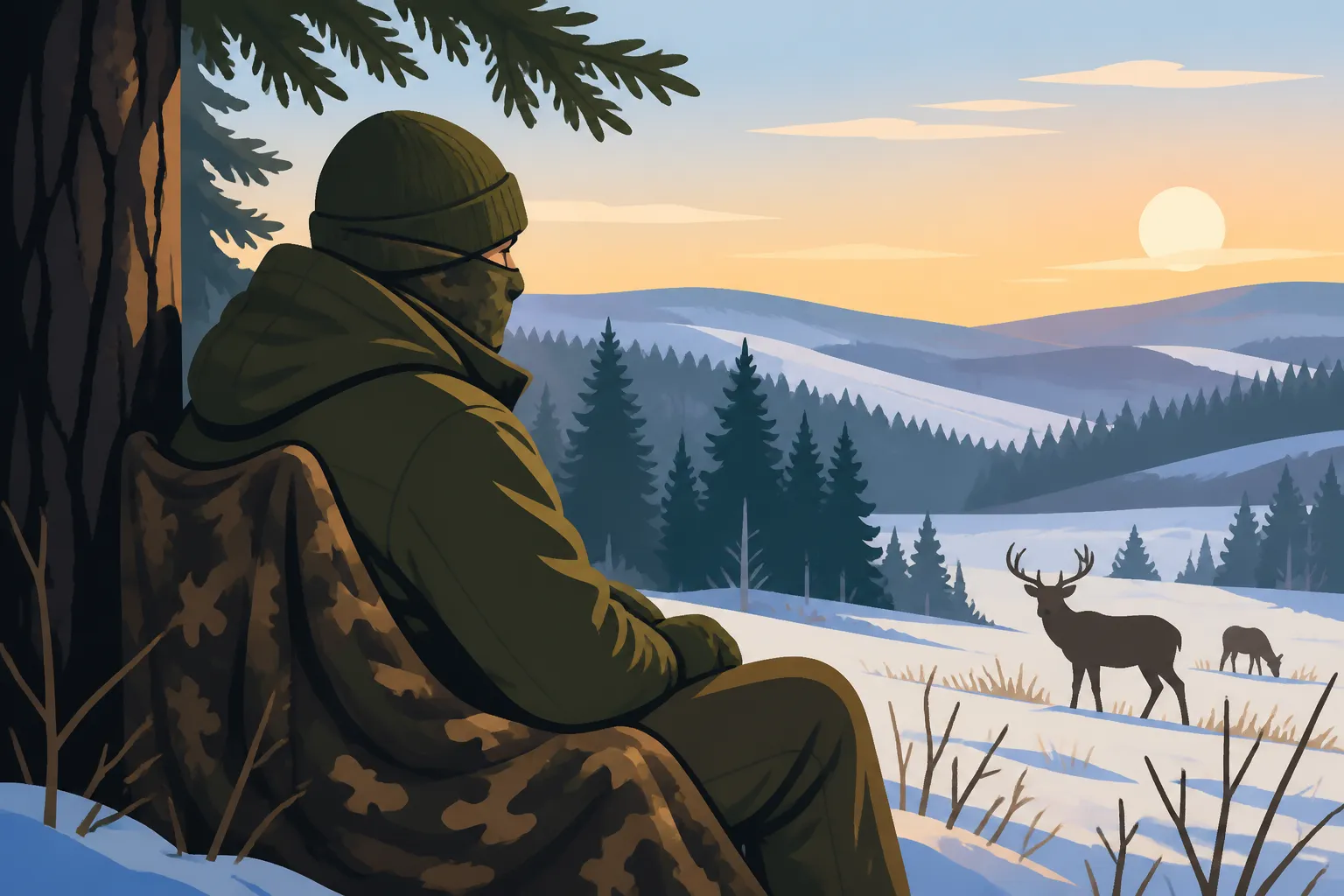
Imagine the biting wind whipping across a frozen pond, carrying with it the scent of snow and the distinct chill that seems to cut right through your bones. That's the reality of a late-season sit in the Northeast Kingdom. Temperatures can plummet well below zero, especially during clear, calm nights, and often struggle to break single digits even on sunny days. But it's not just the temperature; it's the sustained cold, coupled with relentless winds that can create dangerously low wind chill factors. This environment actively works against you, draining your body heat and making every minute on stand feel like an eternity. Your ability to stay still, focus, and make accurate shots is severely compromised when you're shivering uncontrollably. Many hunters simply can't hack it, packing up early, which gives the prepared hunter a significant advantage. This intense cold is a primary reason why hunter success rates can drop dramatically as the mercury falls, separating the dedicated from the fair-weather enthusiasts.
Beyond the physical discomfort, there's a significant mental game at play. The sheer psychological battle of sitting motionless for hours in such conditions can be draining. Your mind starts playing tricks on you, urging you to move, to warm up, to just quit. Overcoming this requires not just the right gear, but also a deep understanding of why you're out there and a mental fortitude that only experience can truly build. It's about having absolute confidence in your gear and your strategy, knowing that you've done everything possible to maximize your comfort and extend your effective hunting time. Without this preparation, even the most promising stand location can be wasted because you simply can't tough it out.
Identifying Late-Season Deer Behavior
As the temperatures drop and snow begins to accumulate in the Northeast Kingdom, deer behavior shifts dramatically from the frenetic activity of the rut. Their primary focus becomes survival: conserving energy and finding enough calories to make it through the harsh winter months. This means their movements become more predictable and concentrated around specific resources. They're no longer just wandering; every step is deliberate, driven by the instinct to eat and seek shelter. Understanding this crucial change is key to positioning yourself for success.
Late-season deer will gravitate towards the most efficient food sources available. This might mean agricultural fields with standing corn or brassicas if available, but more commonly, it's about browsing on woody stems, acorns if they're still accessible beneath the snow, or even digging for mast. Crucially, they seek out thermal cover – dense stands of conifers like spruce or fir that block the wind and trap what little warmth there is. These conifer thickets offer sanctuary from the cold and predators. Deer will often bed on south-facing slopes, catching any available sun to warm themselves. Your scouting, therefore, needs to shift from finding rut sign to identifying these vital food-to-cover corridors. For more on this, check out our guide on finding Late-Season Food Sources for Vermont Whitetails.
Their movement patterns also become more condensed. Instead of long, rambling travel, deer will often move directly from their bedding areas in thermal cover to nearby feeding zones, and then back again. These movements often occur during the warmest parts of the day, typically mid-morning to mid-afternoon, to minimize energy expenditure in the coldest hours of dawn and dusk. Understanding these compressed patterns allows you to optimize your stand times and locations, focusing your efforts on those critical transition areas and thermal sanctuaries. It’s a game of efficiency, both for the deer and for the hunter trying to intercept them. You can learn more about finding these areas by reading about Where Vermont Bucks Bed in Thick Cover.
Essential Gear for Extreme Cold Comfort
When you're facing down the bitter cold of the Northeast Kingdom, your gear isn't just about convenience; it's about survival and extending your time in the field. Skimping on quality or neglecting a crucial item can quickly lead to an uncomfortable, unproductive, and even dangerous situation. This is where investing in the right equipment truly pays off.
The Art of Layering: More Than Just Clothes
Layering is much more than simply piling on clothes; it's a strategic system designed to trap warmth, manage moisture, and adapt to changing conditions. You'll want to start with a high-quality base layer made of merino wool or a synthetic material. These fabrics are excellent at wicking moisture away from your skin, which is paramount in cold weather. If sweat gets trapped against your skin, it will cool rapidly and chill you to the bone, even if you have plenty of insulation on top. Avoid cotton at all costs for your base layer; once it gets wet, it stays wet and loses all insulating properties.
Next comes your mid-layers, which are your primary insulation. Fleece, down, or synthetic fill like Primaloft are all excellent choices here. The key is to have multiple mid-layers that you can add or remove as needed. For example, a heavy fleece jacket over your base layer, topped with a thinner insulated vest, gives you flexibility. When you're hiking into your stand, you'll likely shed a layer or two to prevent sweating. Once you're settled, you can quickly add them back on. This adaptability is critical for regulating your body temperature and preventing both overheating (which leads to sweating) and getting too cold. For a deep dive, check out our guide on Layering for Vermont's Long Hunting Season.
Finally, your outer shell needs to be windproof and water-resistant, or ideally, waterproof. This layer protects your insulation from the elements, especially the brutal winds that define NEK winters. A good quality hunting parka and insulated bibs designed for extreme cold are indispensable. Brands like Sitka, Kuiu, or even budget-friendly options from manufacturers like Cabela's or Bass Pro Shops offer specialized cold-weather gear that incorporates thoughtful features like articulated knees, silent fabrics, and strategically placed pockets. For serious December muzzleloader hunts, look into the most robust insulated options available, like those discussed in Best Insulated Layer for a December Muzzleloader Hunt, as these can make the difference between a productive hunt and an early retreat.
Critical Extremities Protection
While your core is vital, your hands, feet, and head are often the first to suffer in extreme cold, and their discomfort can quickly make your entire body feel miserable. Protecting these extremities is non-negotiable for a successful cold-weather sit. For your feet, forget about casual winter boots. You need heavily insulated, waterproof hunting boots designed for sub-zero temperatures. Look for boots with at least 1000-1200 grams of Thinsulate or an equivalent insulation. Brands like Schnee's, Kenetrek, or Irish Setter are popular choices among serious cold-weather hunters. Combine these with quality merino wool socks (again, avoid cotton!), and consider bringing a fresh pair to change into once you reach your stand, in case your feet sweat during the walk in. A boot blanket, essentially an insulated wrap for your boots, can provide an extra layer of warmth, especially during long, stationary periods. Chemical toe warmers can also be a game-changer when tucked strategically on top of your toes. Find more advice on Best Boots for Northeast Kingdom Bog Hunting.
For your hands, a multi-stage approach works best. Start with thin, form-fitting gloves that allow for dexterity (for handling your rifle, calls, or phone). Over these, wear a pair of heavy, insulated mittens or a large hand muff, preferably with a pocket for chemical hand warmers. Mittens are generally warmer than gloves because they keep your fingers together, sharing warmth. You can slip your hands out of the mittens when you need to make a shot, then quickly put them back in to retain heat. Having a dedicated hand muff slung around your waist is incredibly convenient for quick access and maintaining warmth without constantly putting on and taking off gloves.
Your head is a major source of heat loss, so keeping it covered is paramount. A good quality wool or fleece beanie, ideally one that can cover your ears completely, is essential. For really brutal days, a balaclava provides full face and neck protection, shielding exposed skin from windburn and frostbite. Some hunters even wear a thinner beanie under a hooded outer layer for maximum warmth. Remember, the goal is to create multiple barriers against the cold, preventing heat from escaping your body and cold air from penetrating your layers.
Practical Comfort Items for the Stand
Beyond your clothing, a few key items can dramatically improve your comfort and extend your effective hunting time in the cold Northeast Kingdom. First and foremost, a high-quality, insulated seat cushion is a non-negotiable. Sitting directly on a cold treestand platform or frozen ground will rapidly pull heat from your body. Look for a thick foam pad or an inflatable cushion with good insulation properties. Many brands offer cushions specifically designed for hunting, often with quiet, camouflaged exteriors. This small investment will make a huge difference in your ability to sit still for hours.
Another game-changer is a good thermos filled with a hot beverage. Coffee, tea, hot chocolate, or even a simple broth can provide much-needed internal warmth and a psychological boost when the cold starts to wear you down. Sip it slowly throughout your sit to maintain your core temperature. Pair this with high-calorie, easy-to-eat snacks like nuts, granola bars, or even a sandwich. Your body burns more calories just trying to stay warm in extreme cold, so replenishing those calories is crucial for sustained energy and warmth. Think about items that won't freeze solid and are easy to access quietly.
Don't forget a reliable headlamp with fresh batteries. Even if you plan to be out only during daylight, unexpected delays, tracking a deer after dark, or simply packing up in fading light can become perilous without proper illumination. A high-lumen headlamp, ideally with a red light option to preserve night vision, is essential. Consider carrying a spare battery pack or extra batteries, as cold temperatures can reduce battery life. Finally, a small backpack or fanny pack to carry these essentials, along with a first-aid kit and emergency fire-starting supplies, ensures you're prepared for anything the NEK throws your way. You can learn more about choosing a reliable light source in Best Headlamp for a Pre-Dawn Ridge Climb.
Strategic Tactics for Cold-Weather Success
Having the right gear is only half the battle; knowing how to strategically apply it and adapt your hunting approach to the unique challenges of the Northeast Kingdom's cold is what separates successful hunters from those who simply endure. It’s about being smart, efficient, and understanding the subtle cues of the environment.
Timing Your Hunts for Peak Activity
In the bone-chilling cold of the Northeast Kingdom, the idea of an all-day sit, while noble, often isn't the most productive or even feasible strategy. Unlike the rut, when bucks might move at any hour, late-season deer prioritize survival. They conserve energy and limit unnecessary movement. This means focusing your efforts on prime movement windows, typically when temperatures are at their highest and when deer are most likely to be traveling between bedding and feeding areas. This often means mid-morning through mid-afternoon.
Think about it: during the coldest hours of dawn and dusk, deer are hunkered down, trying to stay warm. As the sun climbs and temperatures nudge upward, even slightly, they'll become more active. They'll also be driven by hunger, having spent a long, cold night without food. Therefore, a strategic sit from perhaps 9:00 AM to 3:00 PM might yield more sightings and be far more comfortable than battling the coldest hours from first light to last. This approach also allows you to move quietly to your stand after the initial morning chill has somewhat broken, and to retrieve any downed game before the deep cold of night sets in. Being patient and smart about when you're on stand can conserve your energy and keep you mentally sharp for those critical moments.
Positioning Your Stand for Protection and Opportunity
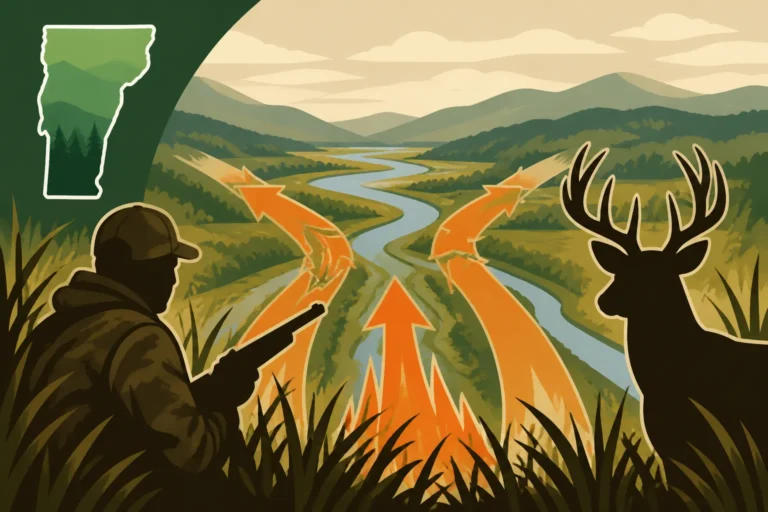
Your stand placement in the Northeast Kingdom's cold weather needs to consider two primary factors: where the deer are, and where you can minimize exposure to the elements. Deer will be seeking thermal cover and late-season food sources. This means setting up tight to dense conifer thickets on the leeward (downwind) side of ridges or hills, where the wind is broken, and temperatures are slightly higher. South-facing slopes that catch the most sun can also be excellent choices for ambushing deer moving to and from bedding. Focus on funnels that connect these areas, such as pinch points between two thickets or along a creek bottom that offers sheltered travel.
Beyond deer movement, critically evaluate your stand's exposure. Can you position yourself so a large tree or dense patch of evergreens blocks the prevailing wind? Sometimes, even moving your stand twenty yards can make a significant difference in your comfort. Consider using a ground blind that offers complete concealment and a substantial windbreak, especially if you can brush it in effectively. This isn't just about personal comfort; staying warmer allows you to sit longer, move less, and remain more alert. Remember to always approach your stand using routes that minimize scent and avoid disturbing potential bedding areas. A well-placed stand, chosen for both deer sign and human comfort, is a cold-weather winning combination.
Staying Mentally Tough and Physically Engaged
Battling the Northeast Kingdom's cold isn't just about physical endurance; it's a mental game. When the cold starts to gnaw at you, your mind will scream for warmth and movement. This is where pre-hunt preparation and in-the-moment strategies become crucial. Before you even leave the truck, have a positive mindset, reminding yourself why you're out there and the potential reward. Once on stand, actively engage your mind. Instead of focusing on the cold, focus on the hunt. Scan the woods, listen intently, mentally map out potential deer paths, and visualize success. This active engagement keeps your mind off the discomfort.
While extreme cold demands minimal movement, subtle, controlled movements can help maintain circulation without spooking deer. Flex your toes, clench your fists, tense and relax muscle groups in your legs and core. These small, internal movements can generate a little heat and prevent stiffening up. Drink your hot beverage slowly, eat your high-calorie snacks, and stay hydrated, even though you might not feel thirsty. Dehydration can exacerbate the effects of cold. Having confidence in your gear, knowing you've done everything possible to stay warm, will also bolster your mental resolve. For even more insights, read Cold-Weather Sitting Strategy in the Northeast Kingdom. This commitment to staying mentally and physically sharp despite the elements is what often leads to success when others have long given up.
Advanced Considerations for the Dedicated Hunter
Once you've mastered the basics of gear and strategy for cold-weather hunting in Vermont's Northeast Kingdom, there are always deeper layers to explore. These advanced considerations can give you an even sharper edge, turning tough hunts into rewarding experiences.
Understanding Wind and Thermals in Frozen Landscapes
Wind and thermals are always important for deer hunting, but in the frozen landscape of the Northeast Kingdom, their dynamics can be even more pronounced and, sometimes, counterintuitive. Cold, dense air tends to sink, and this effect is amplified in mountainous or hilly terrain. Early in the morning, as the air warms slightly, thermals will typically start to rise. Conversely, as evening approaches and temperatures drop, cold air will begin to fall, creating downward thermal drafts. Being aware of these predictable movements of air is paramount for scent control.
However, in extremely cold conditions, especially on clear, high-pressure days, a prevailing wind can often override local thermals, making its direction more consistent throughout the day. It’s crucial to know the forecast for the day's wind direction and how it might interact with the terrain you're hunting. For instance, a persistent northwest wind in a deep valley might funnel through specific saddles or draws, creating predictable scent corridors. Always have a wind checker handy and use it frequently to confirm airflow. Knowing how to read these subtle shifts and choose a stand location that keeps your scent out of known deer travel routes is a critical skill, especially when deer movements are already limited by the cold.
Utilizing Technology and Scouting Tools
In today's hunting world, technology can be a powerful ally, especially when planning cold-weather hunts in the rugged and often remote Northeast Kingdom. Mapping applications like onX Hunt, BaseMap, or even Vermont Fish and Wildlife's own app are invaluable. These tools allow you to study satellite imagery, topo maps, and land ownership boundaries from the warmth of your home. You can identify potential thermal cover (dense conifer stands), south-facing slopes, and access points without expending precious energy in the field. Using mapping apps for GPS and Mapping Apps for Vermont Public Land can prevent you from getting lost and help you navigate treacherous terrain.
Furthermore, applications like GoHunt can provide detailed weather forecasts, including wind chill, helping you fine-tune your layering strategy and identify the most favorable windows for your sits. Trail cameras are another crucial piece of technology. While retrieving cards in freezing temperatures can be a chore, strategically placed cameras can confirm deer movement patterns, identify preferred late-season food sources, and even show you exactly when deer are active during the coldest parts of the day. Cellular trail cameras, if you have service in the remote NEK, can be an absolute game-changer, providing real-time intelligence without disturbing your hunting area. Learn more about optimal Trail Camera Placement on Public Land to maximize your scouting efforts.
The Importance of a Recovery Plan
Successfully taking a deer in the extreme cold of the Northeast Kingdom is only half the battle; recovering that animal efficiently and safely is the crucial next step. In sub-zero temperatures, venison can freeze quickly, making field dressing more difficult. More importantly, a wounded animal can quickly succumb to the elements and hide itself in thick cover, making tracking even more challenging in snow and ice. Before you even climb into your stand, have a clear recovery plan in mind.
Consider the layout of the land, potential escape routes for a wounded deer, and your capabilities for tracking. If there's snow, tracking might be easier, but blood trails can sometimes be scarce or quickly covered. Always mark the spot of the shot with a piece of flagging tape or by tying a distinctive object to a branch. Note the time and direction the deer traveled. If you shoot a deer late in the day, especially in extreme cold, it's often wise to give it some time, but not too much time, before beginning your track. A quick, thorough tracking job is essential to prevent the meat from freezing solid or losing the animal. For more information, check out Recovering a Deer From a Steep Ravine.
Bring a reliable, sharp knife and a bone saw for field dressing, and wear gloves to protect your hands from both the cold and any potential bloodborne pathogens. If you're hunting alone, consider how you will extract the animal. A sturdy game cart, a sled (especially useful in snowy conditions), or even a heavy-duty tarp can aid in dragging the deer out. The Northeast Kingdom's terrain can be steep and rugged, so having a plan, and the right tools for extraction, will turn a potential ordeal into a manageable task, ensuring your hard-won venison makes it back to camp in good condition.
Cold-Weather Layering Comparison Table
| Layer Type | Material Examples | Key Function | Pros | Cons |
|---|---|---|---|---|
| Base Layer | Merino Wool, Synthetic Blends (Polyester, Polypropylene) | Wicks moisture, provides initial warmth | Excellent moisture management, odor resistance (merino), quick-drying | Can be expensive (merino), synthetics may retain odor over time |
| Mid-Layer | Fleece, Down, Synthetic Fill (Primaloft, Thinsulate) | Insulates, traps body heat | Lightweight, compressible (down), performs when wet (synthetic fill) | Loses insulating properties when wet (down), can be bulky (fleece) |
| Outer Shell | Gore-Tex, eVent, Durable Water Repellent (DWR) fabrics | Blocks wind, repels water/snow, protects insulation | Breathable, waterproof/windproof, durable | Can be noisy (some materials), expensive, less insulating on its own |
| Extremities | Insulated Boots, Merino Socks, Mittens, Balaclava | Prevents heat loss from hands, feet, head | Critical for comfort and safety, wide range of specialized options | Poor choices lead to rapid discomfort, can be bulky for dexterity (mittens) |
Disclaimer
Hunting is an inherently dangerous activity. This guide provides general information and strategies, but specific conditions and personal capabilities vary. Always prioritize safety, adhere to all Vermont Fish and Wildlife Department regulations, and inform someone of your hunting plans and expected return. Be prepared for emergencies and always consider local weather conditions and your own physical limits before heading into the field.