Jump-Shooting a Vermont Creek
There's a unique thrill in hunting waterfowl, but let's be honest, setting up elaborate decoy spreads in open water isn't always feasible, especially when birds get wise to traditional spots. Sometimes, the most exciting and productive method involves getting right in the thick of it. This guide will delve deep into the art of jump-shooting Vermont creeks, a dynamic strategy for ducks and geese that often gets overlooked, providing you with actionable advice to fill your strap.
Understanding Vermont's Creek Dynamics for Waterfowl
Creeks, rivers, and smaller waterways offer an incredible opportunity for waterfowl hunters who are willing to put in the legwork. Unlike vast open lakes or large agricultural fields, creeks provide natural concealment, diverse food sources, and often act as quieter havens for ducks and geese, especially when larger bodies of water become pressured or frozen.
Reading the Water and Habitat
Successfully jump-shooting a creek starts with understanding what makes these linear wetlands attractive to waterfowl in the first place. Ducks and geese aren't just looking for water; they're looking for specific features that offer food, protection, and a sense of security. Slow, meandering creeks with plenty of overhanging vegetation, submerged logs, and shallow muddy edges are prime targets. These areas often hold aquatic invertebrates, seeds from wetland plants, and small fish, all vital food sources. Look for distinct bends in the creek – these are natural ambush points where birds often rest, feed, and escape detection. Logjams create quiet eddies and current breaks, perfect for loafing birds. Undercut banks provide overhead cover and safe resting spots, while feeder streams can bring in fresh nutrients and create subtle currents that keep ice at bay longer in colder weather.
It's not just about what the water looks like; the surrounding habitat plays a huge role. Dense stands of alders, willows, and cattails along the banks offer crucial escape cover and hide roosting birds from overhead predators. Open patches of grass or small agricultural fields adjacent to the creek can be attractive to Canada geese, which will often fly from the creek to feed and return for resting. Different species have their preferences too. Wood ducks, with their affinity for wooded swamps, will often be found in heavily timbered sections of creeks, especially those with standing timber or beaver activity. Mallards are more adaptable, using both open and timbered stretches, while geese tend to favor wider, more open sections or adjacent fields.
Seasonal Considerations for Creek Hunting
The effectiveness of jump-shooting a creek can change dramatically throughout the hunting season, primarily due to shifting waterfowl patterns, food availability, and weather conditions. Adapting your approach to these seasonal nuances is crucial for consistent success.
During the early season, typically September and October, Vermont creeks are often lush with vegetation. This is prime time for local wood ducks and resident mallards. The dense cover provides excellent concealment for both hunters and birds, meaning you'll need to move slowly and keep your eyes peeled for subtle movements. Food sources like acorns falling from oaks along the banks, wild rice, and smartweed seeds are abundant. As you approach a bend, anticipate where birds might be feeding or loafing in the calmer waters. This is also when you'll learn a lot about how birds use specific stretches of water before migration really kicks in.
As mid-season arrives in November, things start to change. Leaves fall, making cover a little thinner, but migrating birds begin to push through. The water cools, and some of the smaller food sources may diminish. This is when larger flights of mallards, black ducks, and occasional divers might start using creeks as refuge from larger, more pressured waters. Focus on areas where food is still accessible, or where the creek offers significant protection from wind and cold. This is often the time when you'll encounter a wider variety of species. Knowing the specific Duck Migration Timing Through Vermont can give you a significant advantage, allowing you to target your efforts when new birds are pushing through.
Late season, generally December and into January (if open), presents unique challenges and opportunities. Ice becomes a major factor, forcing birds into the remaining open water. Spring-fed creeks, sections with faster currents, or areas downstream from culverts that prevent freezing become hotspots. These limited open-water pockets can concentrate large numbers of ducks and geese. Hardy mallards and black ducks will be the primary targets, often hunkered down in the thickest available cover along the banks, conserving energy. A keen eye for subtle thermal cover, like dense conifers or thick brush, will pay dividends. Understanding how weather fronts impact creek behavior is vital; a sudden cold snap might push new birds into open water refuges you've identified, making a quick morning hunt incredibly productive.
Essential Gear and Setup for Jump-Shooting
Jump-shooting is a minimalist's game compared to blind hunting, but that doesn't mean you can skimp on critical gear. Your success hinges on being mobile, stealthy, and prepared for whatever the creek throws at you.
Stealth and Camouflage
In jump-shooting, you are the blind. Blending seamlessly with the riparian environment is paramount. Your camouflage needs to match the typical Vermont creek bank—think a mix of browns, greens, and grays that mimic marsh grass, mud, and various tree barks. Gone are the days of bright, flashy gear. Quiet fabrics are an absolute must. The rustle of a jacket or the scrape of synthetic pants against brush can send birds flushing long before you ever see them. Wool, fleece, or specialized quiet synthetic blends are excellent choices. Layering is key, not just for warmth, but for adaptability. You'll be moving, often vigorously, which can generate heat, followed by periods of standing still in the cold. Having layers you can easily shed or add without making a ruckus is crucial. For detailed advice, consider reading our guide on Layering for Vermont's Long Hunting Season.
Beyond your main clothing, don't forget the details. A good face mask or face paint breaks up the outline of your head and prevents the glare of your skin from spooking birds. Gloves are essential not just for warmth, but also to conceal your hands. Keep your gear minimal; the less you have hanging off you to snag on branches or clank together, the better. A small, quiet backpack for a call, extra shells, and a drink is usually sufficient. Remember, every piece of gear should contribute to your ability to move silently and remain undetected.
Footwear and Firepower
Your feet are your most important tools in jump-shooting. You'll be wading, walking muddy banks, climbing over downed timber, and potentially breaking through thin ice. Therefore, reliable footwear is non-negotiable. Chest waders are generally the best choice, offering full protection from cold water, especially when crossing deeper sections or retrieving downed birds. Look for models with insulated boots for colder weather. While hip waders might seem more maneuverable, they often fall short when you encounter unexpected deep spots or need to retrieve a bird from slightly deeper water. If you're looking for more advice on this essential gear, check out our piece on Waders for Vermont Waterfowl Hunting.
For firepower, a 12-gauge shotgun is the gold standard, ideally capable of handling 3-inch shells for that extra punch. Pump-action or semi-automatic models are both excellent choices. When it comes to shot size, steel shot is legally required for waterfowl. For ducks, #3 or #4 steel is a versatile choice, offering a good balance of pattern density and energy for clean kills. If you're targeting larger ducks or expect to encounter Canada geese, #2 or even BB steel can be more effective. Carrying your shells efficiently and safely is also important. A shell belt or a designated pocket in your waders that's easily accessible and doesn't get wet is ideal. Always keep your gun's safety on until you're ready to shoulder and shoot, especially when navigating tricky terrain.
Navigation and Safety
Navigating unfamiliar creeks can be tricky, and safety should always be your top priority. A reliable GPS device or a mapping app on your phone is invaluable. Apps like GoHunt or onX Hunt allow you to see property lines, topographic features, and your current location, helping you stay on public land or within areas where you have permission. These apps also work offline, which is critical since cell service can be spotty in many of Vermont's more remote creek bottoms. Our guide on Using the Fish and Wildlife App Without Cell Service has more tips on maximizing your offline mapping capabilities.
Safety in jump-shooting extends beyond navigation. Swift currents, slippery banks, and cold water all pose risks. Always be aware of your retrieve capabilities before taking a shot over water that's too deep or fast. Consider hunting with a partner; not only does it offer an extra layer of safety, but two hunters can often work a creek more effectively, with one flanking a section while the other pushes. Always wear blaze orange when walking to and from your hunting spot, and consider wearing a PFD (personal flotation device) if you're navigating particularly deep or fast-moving water. Understanding the rules and regulations, such as Vermont Public Land Hunting Hours, is also essential to ensure a safe and legal hunt.
Executing the Jump-Shoot Strategy
Once you're geared up and have a solid understanding of the creek, it's time to put the strategy into action. Jump-shooting is less about calling and decoying, and more about stealth, anticipation, and quick reactions.
The Approach and Flushing Technique
The success of a jump-shoot hinges entirely on your approach. You need to be slow, quiet, and constantly vigilant. Think like a predator. Keep your movements deliberate and your eyes scanning ahead, not just on the water directly in front of you, but also around bends and into any dense cover that might conceal birds. If possible, work your way upstream or into any prevailing wind. This makes it harder for birds to hear or smell you, and when they do flush, they'll typically fly into the wind, often giving you a slightly slower, more predictable shot.
Anticipation is key. As you approach a bend, a logjam, or a thick patch of cattails, mentally prepare for birds to flush. Hold your shotgun in a ready position, but don't bring it to your shoulder until the birds are up. The "jump" itself is a rapid, decisive move. Instead of slowly peeking around a bend, you'll round it with purpose, surprising the birds and forcing them to flush. Sometimes, a quick stomp or shout might be needed to get reluctant birds airborne. Some ducks, particularly wood ducks and mallards, will often try to sneak away along the water's surface or hide deep in cover rather than flushing directly. Look for movement, ripples, or shadows that indicate a bird is trying to make a quiet escape. Our article on Reading a Marsh for a Morning Flight can provide valuable insights into deciphering subtle signs of waterfowl presence.
Shot Placement and Retrieval
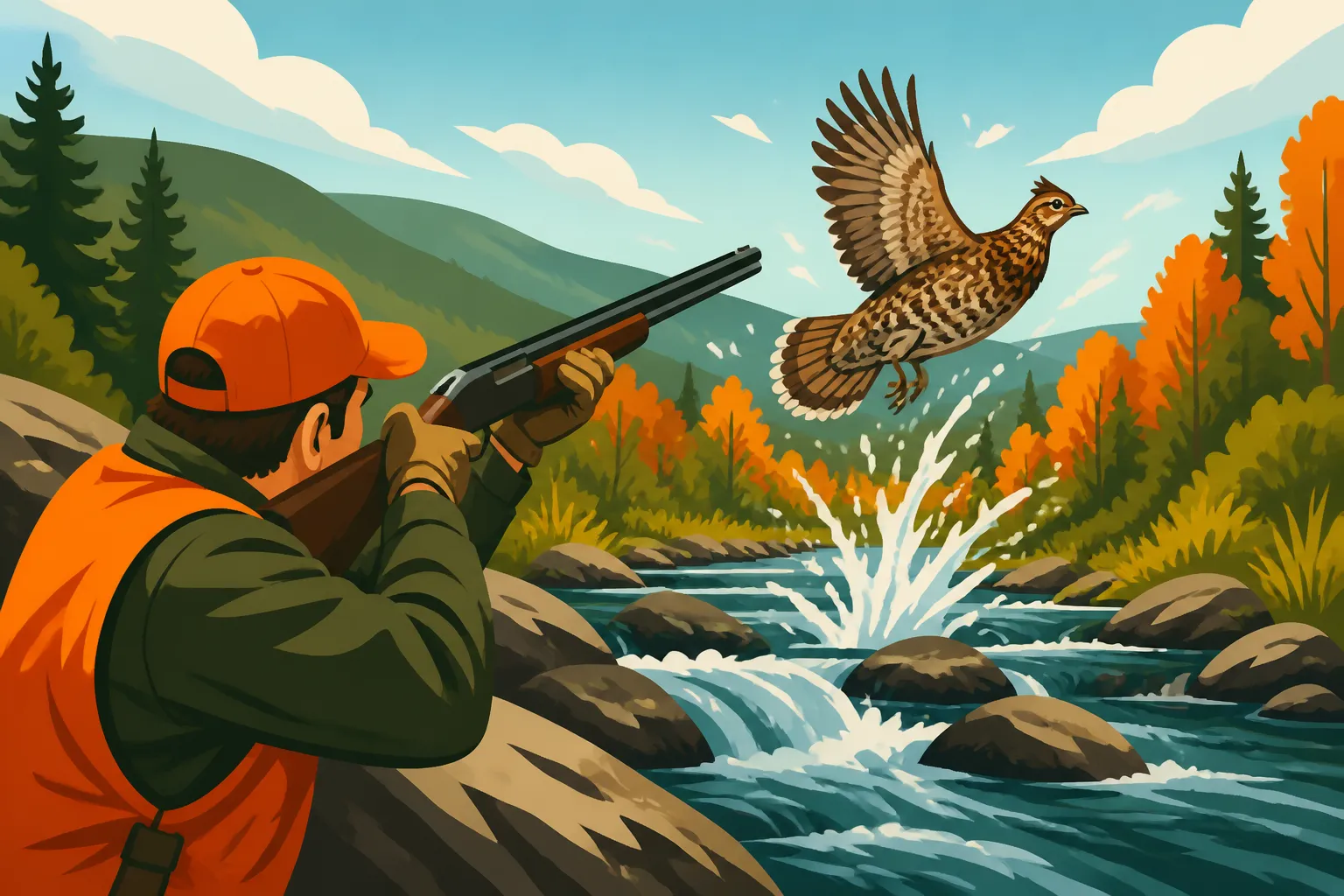
When birds flush, especially at close range, it's often a chaotic moment. Quick, decisive shots are paramount. This isn't long-range pass-shooting; these are often fast, quartering-away or going-away shots at birds that have just sprung from cover. Treat it like upland bird hunting: get the gun to your shoulder smoothly, swing through the bird, and pull the trigger. Focus on a good lead and follow-through. Misses often occur because hunters stop their swing as they pull the trigger.
Retrieval can be the most challenging aspect of creek hunting. Downed birds in strong currents, dense brush, or thick ice can quickly disappear. Mark the fall meticulously. Pick out a prominent landmark on the opposite bank or a unique tree stump to help pinpoint where the bird went down. If hunting with a partner, have one person focus solely on marking the bird. A good retrieving dog is an absolute game-changer for creek hunting, making what would be a near-impossible retrieve a simple task. Without a dog, you'll need to be prepared to wade, use a long retrieve pole, or carefully navigate slippery banks to get your bird. Always prioritize your safety over a downed bird; no bird is worth risking a fall into cold, swift water.
Post-Hunt Logistics and Ethics
Once you've collected your birds, the hunt isn't over. Be mindful of other hunters, especially if you're working a popular section of a creek. Avoid disturbing birds that might have settled further downstream. Always be aware of the daily Vermont Duck Daily Bag Limit and stop hunting once you've reached your quota for specific species.
Respect for private property is also crucial. Even if you're hunting public land, creeks often weave through private parcels. Using mapping apps like GoHunt is essential for staying on track. If a bird falls on private land where you don't have permission, you are legally obligated to ask the landowner before attempting retrieval. Never assume permission. Building positive relationships with landowners can even open up new hunting opportunities. Pack out all your trash, including spent shells, and leave the creek bank cleaner than you found it. This ensures that these valuable hunting opportunities remain available for everyone, year after year.
| Shot Size (Steel) | Primary Target Species | Range (Approx.) | Notes |
|---|---|---|---|
| #7 or #6 | Small Teal, Wood Ducks | 20-30 yards | Good pattern density for smaller birds. |
| #4 | Mallards, Teal, Wood Ducks | 25-35 yards | Versatile all-around duck load for creeks. |
| #3 | Mallards, Black Ducks | 30-40 yards | Better knock-down power for larger, tougher ducks. |
| #2 | Geese, Large Ducks | 35-45 yards | Suitable for close-range geese or long-range ducks. |
| BB | Geese | 40-50 yards | Optimal for Canada geese at typical jump-shooting ranges. |
Disclaimer
Hunting is an inherently dangerous activity. Always prioritize safety, adhere to all Vermont Fish & Wildlife Department regulations, and complete necessary hunter education. This guide is for informational purposes only and does not supersede official hunting laws or safety guidelines.