Sitting a Field Edge in Late Season
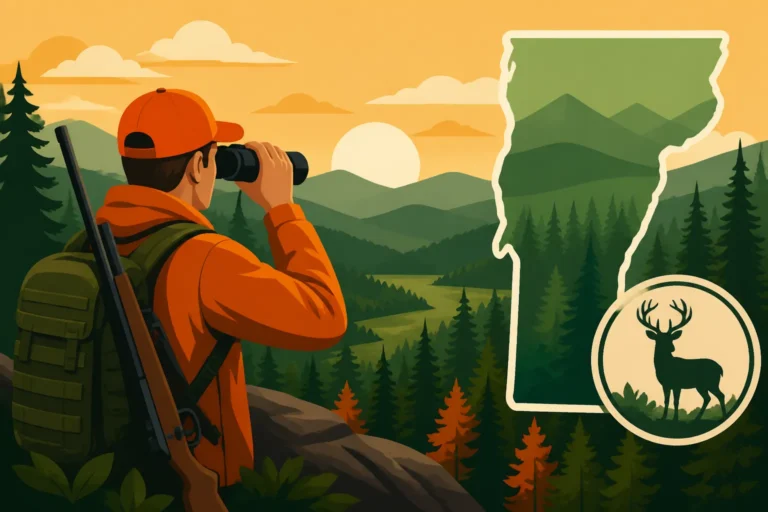
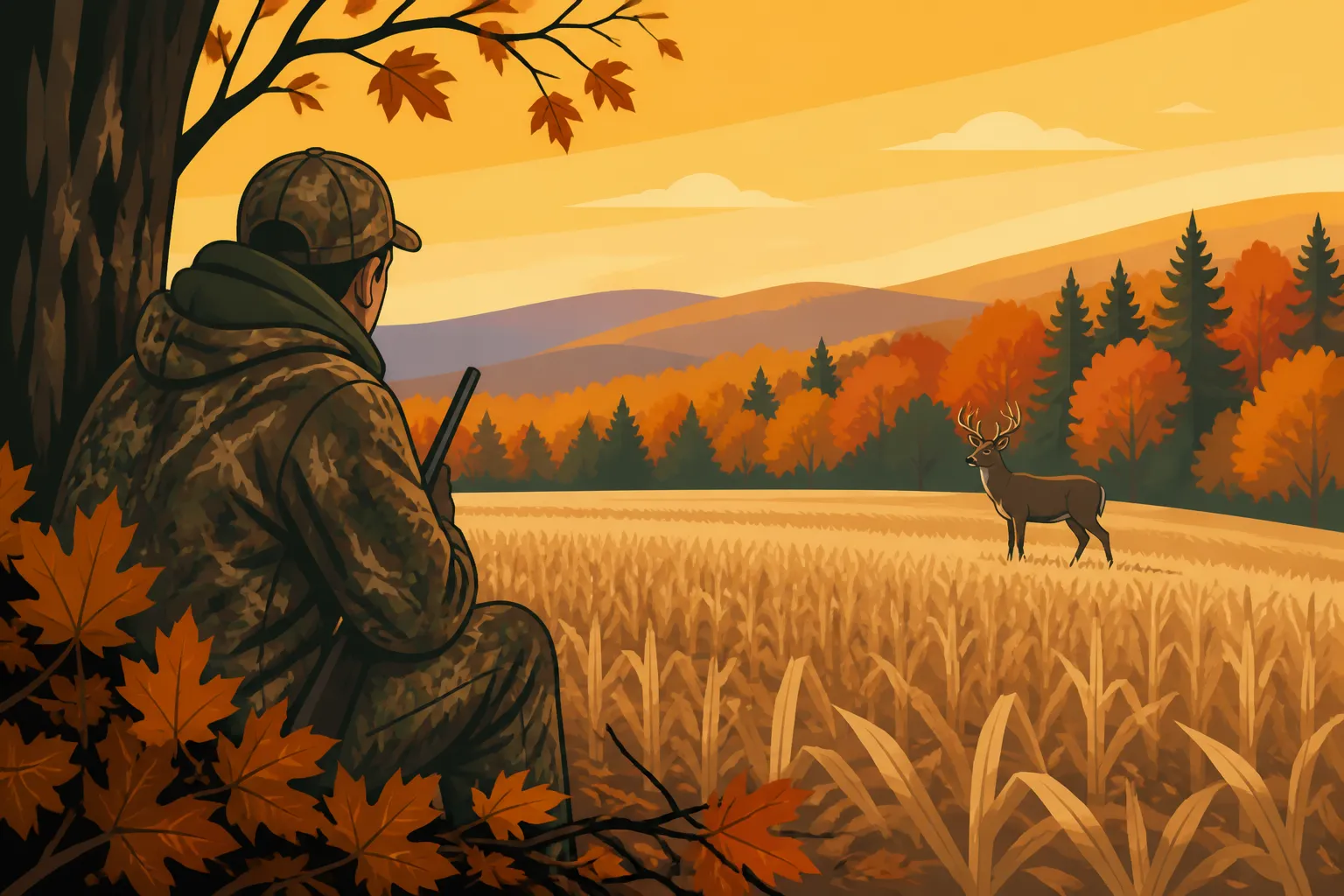
As the vibrant foliage fades and temperatures plummet, many Vermont hunters face the disheartening reality of deer seemingly vanishing from their usual haunts, especially around open fields. Those crisp early season field edge sits feel like a distant memory, replaced by challenging conditions where deer are hyper-alert and pressured. This guide will walk you through the nuances of successfully sitting a field edge in late season, helping you adapt your strategy for those elusive, cold-weather whitetails and make those long, frigid hours count.
The Irresistible Pull of Late Season Field Edges
When the snow flies and the mercury dips, deer priorities shift dramatically. Gone are the days of plentiful mast and lush greenery everywhere; survival becomes paramount, driven almost entirely by the need for readily available calories. This intense drive for food makes certain field edges veritable magnets for whitetails, even those that have become incredibly wary. Understanding which field edges, and why they become hotspots, is your first step towards a successful late-season hunt.
Identifying Key Food Sources
Not all fields are created equal in the late season. A cut hayfield that was buzzing with activity in September might be completely barren in December, offering zero nutritional value. What you’re looking for are remnants of high-energy crops or browse that can sustain deer through the harsh winter months. These could be standing crops that farmers left unharvested, or fields adjacent to natural browse that becomes more accessible as other food sources disappear.
Consider a standing cornfield, for instance, particularly if it's been thinned by earlier harvest or trampled by deer. Those remaining ears of corn are a goldmine of carbohydrates that deer desperately need. Similarly, fields of soybeans, if left standing, can provide vital protein. Even some brassica plots, if planted by landowners or clubs, can hold strong appeal well into the cold season, as the freezing temperatures can actually sweeten the forage, making it more palatable to deer. Identifying these specific types of fields is critical.
Beyond agricultural crops, don't overlook natural food sources bordering fields. Oak flats that still hold acorns, or apple orchards with dropped fruit, can be incredibly attractive, even if partially covered by snow. A good approach is to integrate scouting efforts with tools like GoHunt, which can help you identify potential agricultural parcels and property lines where these high-value food sources might exist, allowing you to focus your efforts. Knowing your Late-Season Food Sources for Vermont Whitetails is paramount to pinpointing these areas.
Prioritizing Thermal and Security Cover
Deer aren't just looking for food; they're looking for survival. In late season, that means finding both calories and protection from the elements, as well as from persistent hunting pressure. A prime field edge isn't just about the food; it's about the adjacency of that food to dense, protective cover. Think thick cedar swamps, dense conifer stands, or steep, south-facing slopes that offer a reprieve from bitter winds and deep snow.
These areas provide crucial thermal cover, shielding deer from brutal winter winds and allowing them to conserve precious energy. A deer that can feed heavily and then immediately duck into a thick stand of pines or a tight cedar swamp won't have to travel far, minimizing exposure and energy expenditure. This makes the transition zones between these thickets and the food source incredibly high-traffic areas, especially during the colder hours of daylight.
Furthermore, late season deer are incredibly wary due to months of hunting pressure. They've heard calls, smelled human scent, and seen hunters, making them much more nocturnal and hesitant to venture into open areas. The best field edges offer immediate, escape-route-friendly cover. Deer will often stage just inside the timber line, waiting until the last vestiges of daylight fade before cautiously stepping out to feed. This requires precise timing and a commitment to staying on stand well into legal shooting light, or even after.
Deciphering Deer Movement and Sign on Field Edges
Once you've identified a promising late-season field edge, the real detective work begins. Deer don't just randomly appear; they utilize specific travel corridors, and their patterns become more predictable around vital food sources. Learning to read the subtle (and sometimes not-so-subtle) clues they leave behind is essential for setting up in the right spot.
Locating Entry and Exit Points
Deer, especially pressured late-season deer, are creatures of habit and efficiency. They'll use the path of least resistance and the safest route when moving from cover to food. Look for distinct trails entering and exiting the field, particularly where dense cover meets the open expanse. These trails might not be as pronounced as in early season, especially if snow is on the ground, but consistent use will still leave a tell-tale path.
Pay close attention to funnels or pinch points that naturally concentrate deer movement. This could be a narrow strip of timber connecting two larger woodlots, a small drainageway that dips into the field, or even a low spot in a fence line. Deer will instinctively use these features to minimize their exposure. An excellent example might be an Entry Routes Through a Cut Cornfield where deer repeatedly step out at the same few spots, often where the corn transitions into a thicker hedgerow or creek bottom.
Also, consider the wind and thermals. In Vermont's varied topography, wind currents can be complex. Deer will often approach a field edge from downwind, circling to scent-check the area before committing. Understanding the prevailing wind direction and how it interacts with the local terrain, particularly in areas like the Green Mountains, is crucial for predicting their final approach and setting up accordingly. Using tools to predict wind direction, like specialized hunting apps, can provide a significant advantage for predicting these movements.
Interpreting Fresh Sign in Cold Weather
Fresh sign in late season is like gold. Tracks in new snow are the clearest indicator of recent activity. Large, distinct tracks signify mature deer, and if you can discern a drag mark from a larger deer, you might be looking at a significant buck. Follow these tracks backward into the cover to understand where the deer are bedding or staging. Following them forward will show you exactly where they're feeding.
Beyond tracks, look for fresh droppings and browse. Droppings that aren't frozen solid or covered in snow indicate very recent presence. In late season, deer are often browsing on woody stems, evergreen saplings, or the remaining remnants of agricultural crops. Freshly nipped branches with ragged edges from deer (as opposed to clean cuts from rabbits or elk) confirm their feeding preferences. Scrapes and rubs might be less active than during the rut, but a fresh rub on a small sapling might indicate a buck still making his rounds, or marking territory near a vital food source.
Don't forget to consider areas like a Reading a Green Mountain Deer Yard. These wintering areas become incredibly important. While deer may not be bedding in the field, they are moving from these yards to nearby food sources. Finding active trails leading from such a yard to a field edge vastly increases your chances. A clear understanding of deer behavior in these critical wintering grounds can help you predict their movements to the field.
Strategic Setup for Success: Stand or Blind Placement
Now that you've got a handle on why deer are where they are and how they're moving, it's time to translate that knowledge into an effective setup. Late season means colder temperatures, highly educated deer, and often, less forgiving cover. Your stand or blind placement needs to be meticulous, focusing on concealment, scent control, and comfort.
Optimizing Concealment and Shot Angles
Late season foliage is sparse, meaning your silhouette is easily picked out against the bare branches. This makes finding a tree with dense cover – even if it's a conifer or an oak that holds some dry leaves – absolutely vital for a treestand setup. You need to be able to break up your outline completely. If a suitable tree is scarce, consider a ground blind. A well-brushed-in ground blind can offer incredible concealment, especially if it's been in place for a while and deer have grown accustomed to it. For instance, successfully Brushing In a Blind on a Field Edge involves using natural materials to make it blend seamlessly into the environment, preventing deer from flagging it as a foreign object.
When choosing your exact spot, think about shot angles. You want a clear lane to the primary feeding area and any prominent travel corridors. In late season, deer may be moving quickly to and from cover, so having clear shooting windows is essential. Be mindful of the sun's position – you want the sun at your back during prime evening hunting hours, not shining directly into your face. Also, try to position yourself where the wind carries your scent away from the anticipated deer movement, ideally blowing into the field or parallel to the deer's approach.
Remember that late-season deer are often bigger-bodied and have thicker hides. This makes shot placement even more critical. Practice shooting in cold weather with your hunting clothes on, and understand your ethical limits. A marginal shot in cold weather can mean a much longer, more difficult track, which is the last thing you want when it's freezing and snow is falling.
Considering Wind and Thermal Dynamics
In hilly terrain, like much of Vermont, wind and thermals are rarely straightforward. While a weather app might tell you the wind is blowing west, local topography can create swirling currents, especially at dawn and dusk. This is particularly true in valleys or near ridge lines. Deer use these micro-thermals to their advantage, often moving uphill in the morning as warm air rises, and downhill in the evening as cold air sinks.
Your setup needs to account for this. If you anticipate deer moving from a bedding area on a ridge down to a field in the evening, set your stand higher up their travel route where the rising evening thermals will carry your scent away from their approach. Conversely, if deer are likely to be moving uphill in the morning, positioning yourself lower in the travel corridor might be more advantageous, letting the sinking morning thermals carry your scent down past them. Tools like GoHunt can provide detailed topographical maps that help you visualize these thermal dynamics, enabling a more informed stand choice.
It’s a constant battle against your scent, and late season makes deer even more sensitive. Avoid walking directly through the areas you expect deer to use. Plan your entry and exit routes meticulously, perhaps using a ditch, a creek bed, or a dense fenceline to minimize your impact. This strategic consideration of Wind and Thermals in Steep Green Mountain Terrain can make or break a hunt, ensuring your scent cone doesn't blow directly into the deer's travel path.
Mastering the Late Season Field Edge Sit
So, you’ve done your scouting, chosen your spot, and the cold Vermont wind is biting. Now comes the hard part: enduring the elements and staying mentally sharp for hours. Late season success often hinges on your ability to outlast the deer and maintain focus when conditions are brutal.
The Importance of Warmth and Patience
This isn't a casual sit. Cold-weather hunting demands serious attention to layering. You’ll be sitting for extended periods, and inactivity leads to rapid heat loss. Start with a good base layer that wicks moisture away, add insulating mid-layers, and top it off with a windproof, waterproof outer shell. Investing in quality gear for Layering for Vermont's Long Hunting Season is not just about comfort; it's about safety and your ability to concentrate. Hand warmers, heated vests, and insulated boots are not luxuries; they are necessities when the temperature drops into the single digits.
Patience is perhaps the most critical virtue in late season. Deer movement can be sporadic, and their peak activity often centers around the last hour of daylight and the first hour of legal shooting light. You might sit for hours seeing nothing, only for a cautious doe or a weary buck to suddenly materialize at the field edge. Rushing in, giving up early, or fidgeting constantly will ruin your chances. Embrace the solitude, stay warm, and be ready when the opportunity finally arises. This commitment to staying put is especially crucial when implementing a Cold-Weather Sitting Strategy in the Northeast Kingdom, where conditions can be exceptionally harsh and deer patterns are highly influenced by the elements.
Often, you'll find that late-season bucks are still solitary, sometimes pushing does, but often just focused on feeding. This means you might only see a single deer, or a small group, rather than the larger numbers seen earlier in the season. Each sighting is precious and demands your full, unwavering attention.
Adapting Tactics for Pressured Deer
Late season deer have been hunted for months. They know what human scent means, they react quickly to noise, and they are incredibly observant. This means your tactics need to be subtle and low-impact. Minimizing movement in your stand, using a quiet draw on your bow, or slowly raising your rifle are all critical. Every slight motion is magnified in the sparse cover.
Calling, if you choose to do it, should be very subtle. Soft grunts or doe bleats might pique a deer's curiosity, but aggressive calls are more likely to spook an already wary animal. Decoys can work, particularly a single doe decoy near the field edge, but they also require careful setup and consideration of wind direction to ensure the decoy appears natural. If deer have been heavily pressured, such as during Hunting Vermont's November Rifle Season, they'll have adapted to staying hidden and moving cautiously, making your low-impact presence even more vital.
Finally, consider your exit strategy. Just as important as a quiet entry, your exit should avoid spooking deer that might be feeding or staging in the field after dark. If possible, wait 20-30 minutes after legal shooting light ends, or even longer, to allow any deer in the field to move off naturally. This minimizes your footprint and keeps your prime hunting spot viable for future sits. Knowing how to efficiently get in and out is as important as the sit itself, particularly when dealing with wary, late-season whitetails.
| Late Season Field Edge Food Source | Primary Benefit | Ideal Setup Proximity | Potential Drawback |
|---|---|---|---|
| Standing Corn/Soybeans | High energy | 20-50 yards | Attracts other critters |
| Brassica/Clover Plots | Protein/Carbs | 30-60 yards | May be frozen solid if too cold |
| Dropped Apples/Acorns | Carbs | 10-40 yards | Limited availability; competes with bears/turkeys |
| Browse (young saplings) | Sustenance | Edge of thick cover | Lower appeal, less concentrated |
| Cut Hayfield with Clover | Residual forage | 50-100 yards | Less nutritional value, higher exposure |
Disclaimer
Hunting is an inherently dangerous activity. Always prioritize safety, adhere to all Vermont Fish and Wildlife Department regulations, and respect private property. This guide is for informational purposes only and does not supersede official hunting laws or safety guidelines. Practice ethical hunting and know your limits.