Sitting a Creek Crossing at First Light
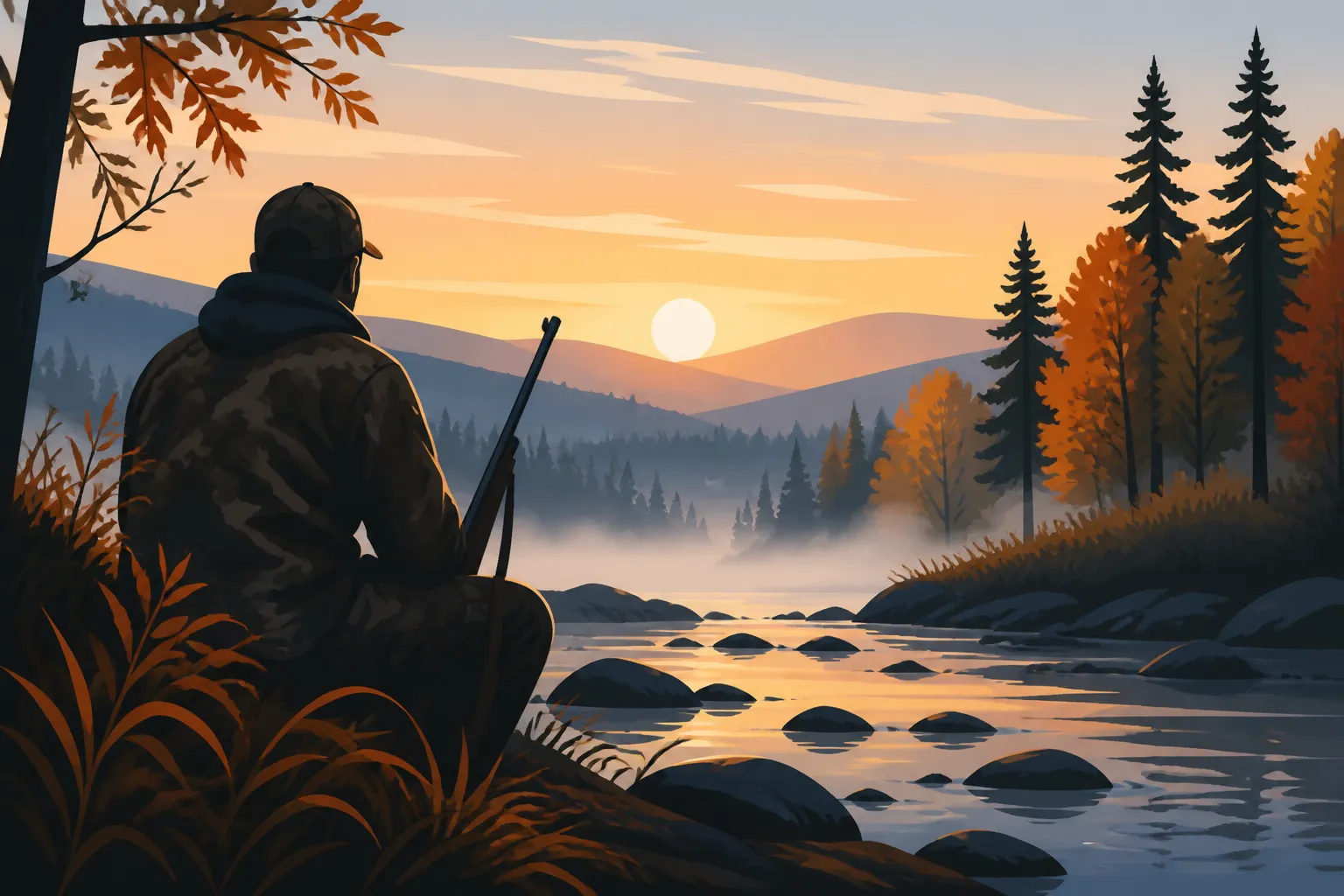
There's nothing quite like the anticipation of a crisp Vermont morning, the air still, the world just beginning to stir. But let's be honest, finding that perfect deer travel route, the one where they're consistently moving at legal shooting light, can feel like chasing ghosts. Many hunters get frustrated, setting up in seemingly good spots only for the deer to appear just out of range or after the sun's fully up. This guide is all about honing in on one of Vermont's most consistently productive early-morning hotspots: the creek crossing, and how to effectively hunt it at first light.
Why Creek Crossings Are Deer Magnets in Vermont
Creek crossings aren't just random spots on the landscape; they're essential arteries in a deer's daily life, especially at dawn. Deer are creatures of efficiency, and they'll always choose the path of least resistance when moving between bedding areas, feeding grounds, and water sources. A well-worn creek crossing offers exactly that – a known, relatively safe, and often concealed route across a waterway.
Understanding Deer Movement Patterns Near Water
Deer rely heavily on water, not just for drinking, but also as a natural barrier and a means of travel. In Vermont's varied topography, from the rolling hills of the Champlain Valley to the steep grades of the Green Mountains, creeks and streams crisscross the landscape, carving out natural funnels and pinch points. Deer, particularly when moving under the cover of darkness or twilight, will gravitate towards these established crossings. They know them, they trust them, and they use them repeatedly. Imagine a mature buck slipping from a remote bedding thicket down to a farmer's hayfield for an evening graze. As the first hint of gray light appears, he'll often reverse course, but he won't just wander aimlessly. He'll take the most direct, secure route back to his sanctuary, and frequently, that involves a well-used creek crossing.
These patterns are even more pronounced during the rut, when bucks are actively seeking does and covering more ground. A doe in estrus crossing a creek can leave a scent trail that will draw bucks from a surprising distance. Understanding these ingrained habits is the first step to successful hunting. You're not just looking for any old stream; you're looking for the highway the deer are using.
Identifying Key Crossing Points
Not all creek crossings are created equal, and knowing how to scout for the prime spots is crucial. Look for areas where the creek narrows, where banks are less steep, or where a downed log or a cluster of rocks provides an easier path. In larger streams or rivers, shallow riffles or gravel bars become natural crossings. Don't be fooled by areas that look easy to cross for a human; deer are looking for subtly different advantages – often where overhead cover persists or where the approach to the water is naturally screened.
You might find these crossings along a logging road or where a game trail intersects a stream. Often, these spots are where two distinct habitat types meet – say, a dense conifer thicket on one side and a mature hardwood stand on the other. This creates a natural travel corridor that deer will exploit. Pay close attention to subtle terrain features, even minor elevation changes can influence how deer approach and exit a crossing. While you can certainly spend hours Scouting Vermont Public Land Before Season, dedicated time on the ground directly at potential crossing points is invaluable.
Scouting for Fresh Sign
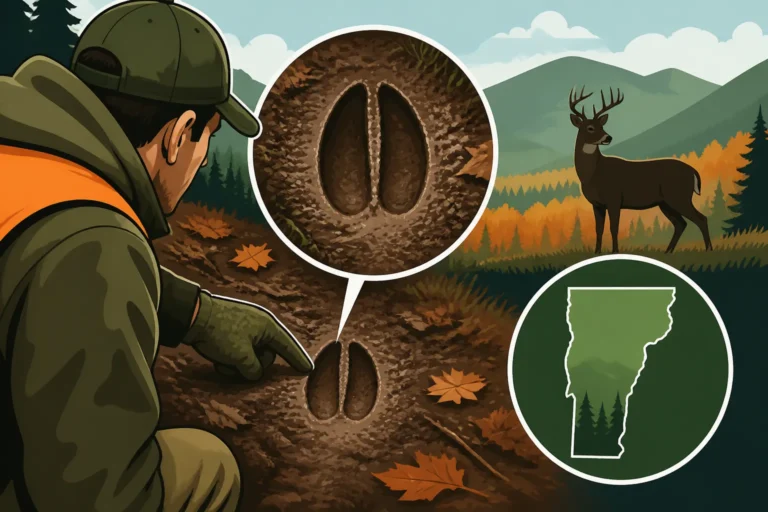
Once you've identified potential crossing points, it's time to become a detective. Look for fresh deer tracks in the mud or soft soil on either side of the creek. Pay attention to the size and direction of the tracks; larger, deeper tracks might indicate a mature buck. Scrapes and rubs near the crossing, especially during the pre-rut and rut, are like neon signs pointing to heavy buck activity. Also, look for droppings and disturbed leaves where deer have obviously paused or milled around.
In dryer conditions, the sign might be less obvious. You'll have to rely on well-worn trails leading to and from the water. If you're really stumped, consider setting up a trail camera for a week or two. Place it on a well-used trail leading to the crossing, not directly on the crossing itself, to avoid spooking deer. A camera can confirm regular first-light movement and help you pinpoint the exact time deer are passing through. Tools like GoHunt can be incredibly useful here, allowing you to mark potential crossings on a topo map and analyze terrain features from your couch before you ever hit the woods, saving you precious scouting time. These insights can give you a leg up, revealing subtle contours or historical aerial imagery that might suggest prime crossing locations.
Setting Up for Success at Dawn
Once you've found your promising creek crossing, the real work begins: deciding on your setup. A successful first-light hunt at a creek crossing hinges on your ability to be in position, undetected, and ready before the deer even think about moving.
Optimal Stand or Blind Placement
Your primary goal is to remain concealed while having a clear shot at the crossing. For an elevated position, a treestand is often ideal, as it gets your scent and silhouette above a deer's primary line of sight. Place your stand 15-25 yards from the crossing, ideally downwind or crosswind of the expected deer approach. Look for a tree that offers good cover from behind, such as a cluster of pines or a leafy maple, rather than a lone, bare oak. Consider the sun's angle at first light; you don't want to be backlit, silhouetting yourself against the rising sun.
If a suitable tree isn't available, a well-brushed-in ground blind can be incredibly effective. Position it so you have a clear shooting lane, but ensure it blends seamlessly into the natural surroundings. You might need to bring in some natural vegetation from elsewhere to enhance its camouflage. When Using a Ground Blind on Public Land, remember to set it up a few days in advance if possible to allow deer to get used to its presence, or at least ensure your entry and exit are as quiet and stealthy as possible on the morning of the hunt.
| Stand Type | Advantages | Disadvantages | Ideal Use Case |
|---|---|---|---|
| Hang-on Treestand | Highly mobile, adaptable to many trees, elevated perspective | Requires climbing gear, can be noisy to install | Scouting multiple spots, precise placement |
| Climbing Treestand | Self-sufficient, easy to move after initial setup | Requires straight, limb-free trees, can be noisy climbing | Single-day hunts, finding good cover on a suitable tree |
| Ladder Stand | Stable, comfortable, good for all-day sits | Less mobile, fixed location, visible from a distance | Long-term use on private land, established crossings |
| Ground Blind | Great concealment, warmth, protection from elements | Limited visibility, scent can be an issue, fixed location | Thick cover, areas without good trees, inclement weather |
Playing the Wind and Thermals
This cannot be stressed enough: wind direction and thermals are paramount when hunting creek crossings, especially at first light. In Vermont's varied terrain, thermals often drop down slopes and into valleys as the air cools overnight. As the sun rises and warms the earth, thermals will begin to lift. This means that at first light, your scent might be carried down into the creek bottom, directly where deer are likely to be crossing.
Always try to set up where the prevailing wind and predictable thermals carry your scent away from the crossing and the deer's likely approach. This often means being on the downwind side of the crossing relative to the deer's anticipated travel route from bedding to feeding. If hunting a deep ravine or valley, arriving extra early allows you to observe the thermal currents as they begin to shift. Even a slight breeze can make or break your hunt. Understanding Wind and Thermals in Steep Green Mountain Terrain is critical for consistent success, as these microclimates can change rapidly with the rising sun.
Managing Your Scent Profile
Deer have an incredible sense of smell, and any lingering human odor can send them into another county. Before heading out, shower with scent-free soap and shampoo. Wear clean hunting clothes that have been washed in scent-free detergent and stored in an airtight container or bag. Use a quality scent eliminator spray on your clothes, boots, and gear. Pay extra attention to your boots, as they pick up scent from the ground that can be easily dispersed as you walk.
Think about your entry and exit routes. Can you approach your stand or blind without walking through areas where deer are likely to travel? Can you use a logging road, a ridge top, or even the creek itself (if shallow enough and legal) to minimize your scent dispersal? The less you contaminate the immediate area around the crossing, the higher your chances of success. A careful approach can make all the difference in preventing deer from busting you before you even settle in.
Mastering the First Light Window
The first hour of daylight is often the most magical, and the most critical, for hunting creek crossings. This is when deer are typically making their way back to bedding areas after a night of feeding.
Timing Your Arrival and Setup
You need to be in your stand or blind at least 30-45 minutes before first light, preferably even earlier. This means walking in the dark, often with a headlamp set to a red light to preserve your night vision and minimize disturbance. The key is stealth. Move slowly, deliberately, and quietly. Any snapping twigs or rustling leaves will alert deer to your presence long before you see them. If you're using a climbing stand or hang-on, ensure you've practiced setting it up silently in the dark beforehand.
Have all your gear organized and easily accessible. Your bow or rifle should be ready, rangefinder handy, and calls (if you're using them) within reach. By the time legal shooting light arrives, you should be completely settled, motionless, and observing. This stillness is crucial. Deer will often pause and scan an area before committing to a crossing. Any movement, even a subtle one, can be detected.
Maximizing Shot Opportunities
When a deer approaches the crossing, resist the urge to move too quickly. Wait for the right moment. If you're bowhunting, wait for the deer to present a broadside or slightly quartering-away shot as it steps into the water or onto the opposite bank. For rifle hunters, ensure you have a clear, ethical shot with no obstructions. Always be mindful of your backdrop and what's beyond your target.
Many deer will pause at the water's edge to drink or scan their surroundings before crossing. This can be a prime opportunity, but also a moment when they are most alert. If you anticipate deer crossing from a particular direction, position yourself to shoot when they are at their most vulnerable angle, usually in the middle of the crossing or just as they step out. Practice shooting from your stand or blind at various angles and distances so you're confident when the moment of truth arrives. The short timeframe of legal light demands quick, decisive action.
Patience and Post-Shot Strategy
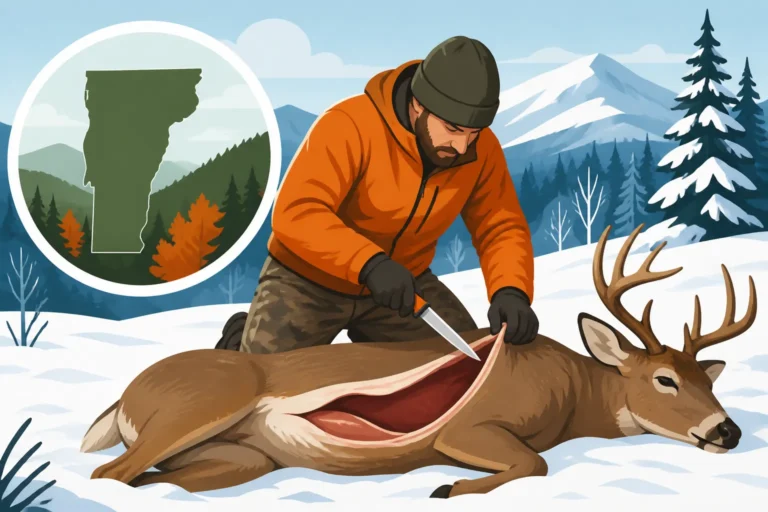
Patience isn't just for waiting for the deer; it's also vital after the shot. If you make a good shot, observe the deer's reaction. Did it run off quickly, or did it stumble? Mark the last spot you saw it. Then, wait. For a bow shot, a minimum of 30-60 minutes (or even longer if the shot felt less than ideal) is often recommended before you begin tracking. This allows the deer to bed down and expire, rather than being pushed further by your pursuit.
If it's a rifle shot and the deer runs, give it at least 15-20 minutes before taking up the trail, unless you clearly saw it drop. During this time, stay in your stand, replay the shot, and mentally mark where the deer was standing and where it ran. Once you do begin tracking, move slowly and methodically, looking for blood, broken branches, or disturbed leaves. Learning to effectively Blood Trailing After Dark in Vermont can be a valuable skill, but it's always preferable to recover game in daylight. Remember to mark your entry point to the trail.
Adapting to Conditions and Pressure
Vermont's hunting conditions can be unpredictable, and creek crossings, while consistent, are not immune to these variables. Being adaptable is key to long-term success.
Hunting After a Cold Front or Rain
A cold front often brings high-pressure systems and clear skies, which can stimulate deer movement, especially at dawn. Following a sharp drop in temperature, deer are often more active as they seek out food sources to fuel their bodies. This can make creek crossings even more productive as deer move more deliberately between food and cover.
Rain, especially light rain or drizzle, can be a bowhunter's best friend. It dampens the forest floor, making for quieter approaches, and washes away human scent. Deer often move during light rain, though heavy downpours usually push them into thick cover. After a heavy rain, however, deer often become very active as the weather clears, heading to feed and water. The soft, muddy ground near creek banks after a rain is also an excellent time to find fresh tracks and confirm active crossing points, allowing you to fine-tune your setup. Remember to read Reading Vermont Mud for Fresh Deer Movement for the best insights.
Dealing with Increased Pressure
Public land in Vermont can see significant hunting pressure, especially during opening weekends and the peak of the rut. Creek crossings, being natural funnels, can attract multiple hunters. If you find your primary crossing is being pressured, don't give up.
- Go Deeper: Sometimes the answer is simply to walk further. Many hunters stop at the first easy-to-reach crossing. By venturing deeper into the woods, you might find less-pressured crossings that deer are using to avoid human activity.
- Hunt Midday: While first light is prime, pressured deer might shift their movement patterns. Sometimes, deer will use crossings during midday lulls when other hunters have retreated for lunch.
- Utilize Thick Cover: Look for crossings adjacent to dense cedar swamps, blowdowns, or other thick cover where deer feel safe. Hunters often avoid these areas, making them sanctuaries.
- Adjust Entry/Exit: If other hunters are using the same access points, consider a different, more circuitous route, even if it adds time to your walk.
Remember, deer learn quickly from pressure. If they're constantly seeing hunters near a specific crossing, they'll adjust their patterns. Keep scouting, and don't be afraid to move your setup if the deer aren't showing up as expected. This also applies to understanding Hunting a Funnel Between Two Woodlots, as external pressure can dictate how deer use even the most predictable travel routes.
Using Mapping Tools for Advantage
Modern technology has revolutionized how we scout and hunt. Tools like the GoHunt app are invaluable for planning your creek crossing strategy. You can use aerial imagery to identify potential crossings, mark bedding and feeding areas, and map out your entry and exit routes—all from your phone. The GoHunt app's topographical maps can help you visualize elevation changes that influence thermals and deer movement. You can even check parcel boundaries to ensure you're on public land or have permission for private land.
Before you head into the field, especially in areas with spotty cell service, make sure to download offline maps on your GoHunt app. This allows you to navigate and confirm your location accurately, even without a signal. Leveraging these digital tools allows you to be more efficient with your time and more precise with your setup, increasing your chances of success when you're Hunting into the December Muzzleloader Close or during any season.
Disclaimer
Hunting involves inherent risks. Always prioritize safety, follow all local and state hunting regulations, and obtain proper licenses and permits. Consult the Vermont Fish and Wildlife Department for the most current rules and season dates.