Vermont December Muzzleloader Season Dates
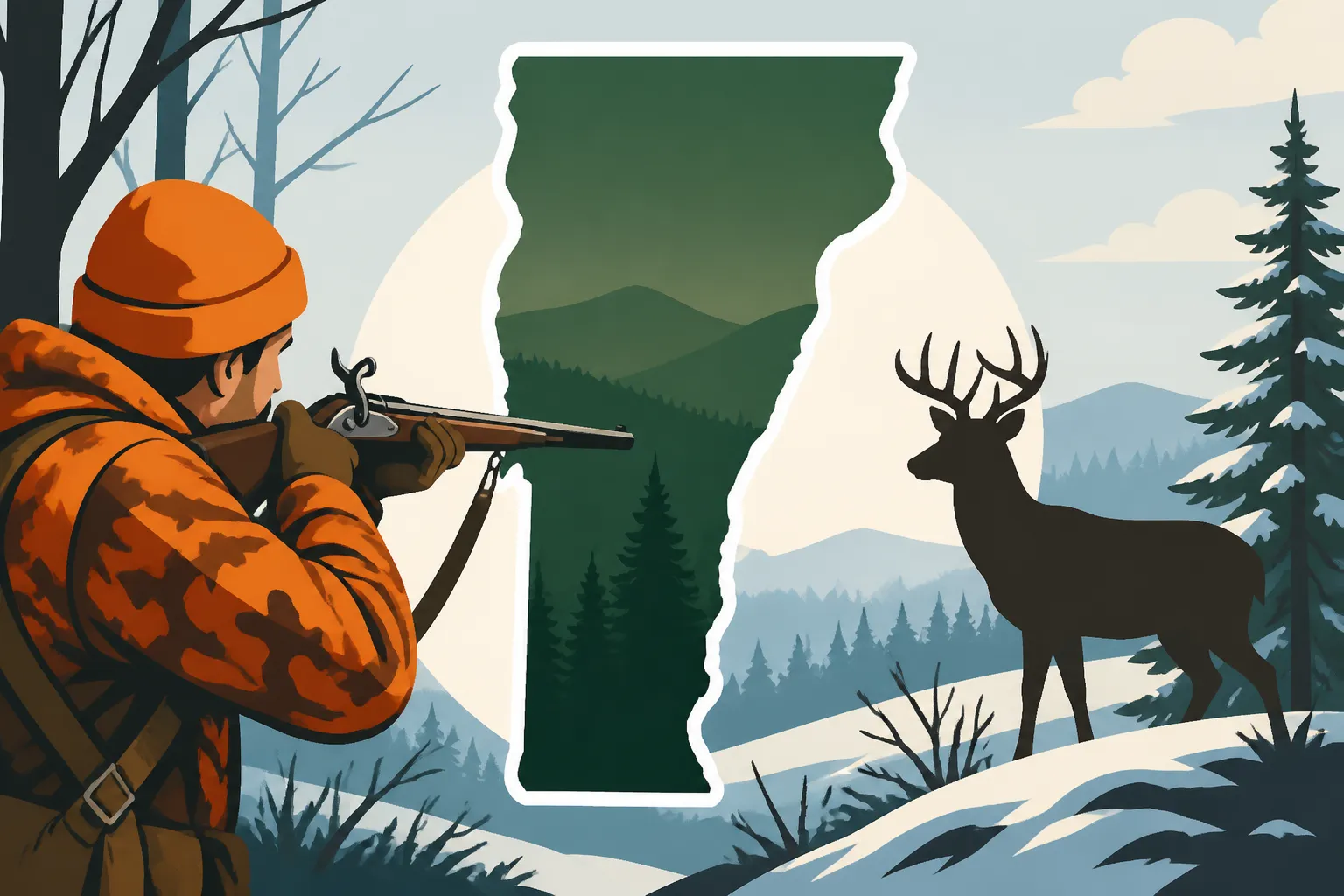
Oh, the crisp air of December in Vermont, the quiet hush of potential snow, and the distinct challenge of hunting with a muzzleloader. For many of us, this late-season opportunity is a cherished tradition, a chance to extend our time in the woods after the flurry of rifle season. But let’s be honest, deciphering the exact dates and regulations for the Vermont December muzzleloader season can sometimes feel like trying to track a ghost buck through a blizzard—it's tricky, and you want to be absolutely sure you’re on the right path. This guide is here to cut through the confusion, lay out the precise season dates, and arm you with the knowledge to make your late-season muzzleloader hunt a success.
Understanding the Vermont December Muzzleloader Season: Key Dates and Details
The December muzzleloader season in Vermont isn't just an afterthought; it's a strategic period designed to offer hunters a unique opportunity and aid in deer management, particularly for antlerless harvest. If you've ever felt that post-rifle-season lull, this is your chance to get back out there with a different kind of challenge.
Official Season Dates and What They Mean
Historically, and consistently, Vermont's muzzleloader season after the regular rifle season closes typically runs for about a week in December. For the most up-to-date and precise information, always check the Vermont Fish & Wildlife Department's official hunting guide. However, generally speaking, hunters can anticipate this season to open on the second Saturday of December and run through the following Sunday. For example, if the second Saturday falls on December 9th, the season would run from December 9th through December 17th. These dates are crucial, so mark them on your calendar, double-check them with the official VFWD regulations each year, and prepare accordingly.
This period is distinct from the earlier Vermont Muzzleloader Season Dates in October, which is often focused on antlerless opportunities. The December season offers a broader scope, allowing hunters with valid permits to pursue either antlered or antlerless deer, depending on their tag allocation for the Wildlife Management Unit (WMU) they are hunting. It's a fantastic chance to fill a freezer, especially if the rifle season proved elusive, or to simply extend your passion for deer hunting into the colder months.
Why This Season Exists
You might wonder why Vermont carves out this specific window for muzzleloaders. It's a combination of tradition, opportunity, and wildlife management. Muzzleloaders, with their single-shot nature and slower loading times, present a distinct challenge that many hunters appreciate. It forces a different kind of patience, a more deliberate approach that connects us to a bygone era of hunting. From a management perspective, it provides additional harvest opportunity, especially in WMUs where antlerless deer numbers need to be managed to maintain a healthy herd balance. After the intense pressure of the rifle season, deer may have settled back into their patterns, or deep snow might have them concentrated in specific areas, making the December muzzleloader hunt a unique prospect. It also gives hunters who prefer the challenge of traditional firearms a dedicated window outside of the modern rifle season.
It's a testament to Vermont's commitment to diverse hunting opportunities and sound wildlife management. Whether you're a seasoned muzzleloader enthusiast or considering trying it for the first time, understanding these dates and the reasons behind them is the first step toward a successful hunt.
Essential Gear and Tactics for December Muzzleloading Success
Hunting in December in Vermont is a different beast altogether compared to early fall. The weather is colder, the days are shorter, and the deer are often more concentrated but also warier. Your gear and tactics need to reflect these changes if you want to be successful during the Hunting Into the December Muzzleloader Close.
Muzzleloader Considerations for Cold and Wet Weather
When you’re out in December, your muzzleloader isn't just a tool; it's your primary connection to success, and it needs to perform flawlessly in potentially harsh conditions. Forget those mild, sunny days of October; December can throw anything from biting cold to freezing rain or heavy snow at you. That means keeping your powder dry and your ignition system reliable is paramount. Many hunters opt for in-line muzzleloaders with 209 primer ignition systems, as they tend to be more resistant to moisture compared to percussion or flintlock systems. However, regardless of your chosen firearm, moisture management is critical. Carry your powder in sealed containers, use waterproof caps for your primers, and consider a muzzleloader cover or a piece of electrical tape over the muzzle to prevent snow or rain from entering the barrel.
For projectiles, consider sabots with a bullet that performs well in cold conditions. You want something that will expand reliably without fragmenting excessively, even after hitting heavy bone. Brands like Hornady and Barnes offer excellent options for muzzleloader projectiles that are designed for consistent performance. Make sure your chosen bullet and powder combination are sighted in for the distances you expect to shoot. You might also find that some Sabot Choices for an Antlerless-Only Hunt vary depending on the specific regulations or your personal preference for trajectory and knockdown power.
Dressing for Success: Layering in Extreme Cold
The biggest frustration for many December hunters isn't finding deer; it's staying warm enough to remain still and focused. Vermont’s December weather can be brutal, with temperatures often dipping well below freezing, accompanied by wind or wet snow. The key to combating this is strategic layering.
Start with a good moisture-wicking base layer to pull sweat away from your skin. On top of that, build with insulating layers like fleece or down. A good mid-layer is crucial for retaining body heat, and you might even want to double up on these if you're planning a static sit. Finally, an outer shell that is both waterproof and windproof is non-negotiable. Look for materials that don't make a lot of noise as you move, as deer are incredibly attuned to unnatural sounds in the quiet winter woods. Don't forget extremities: an insulated hat, neck gaiter, and high-quality gloves or mittens are vital. Hand warmers, placed in strategic spots like your pockets or inside your mittens, can make a huge difference in comfort and endurance. Remember, a cold hunter is a distracted hunter, and distractions lead to missed opportunities. Check out strategies for a Cold-Weather Sitting Strategy in the Northeast Kingdom if you plan to hunt in Vermont's colder regions.
Here's a quick gear checklist for a typical December muzzleloader hunt in Vermont:
| Item | Description | Why it's Important |
|---|---|---|
| Muzzleloader | In-line 209 primer system preferred for reliability. Cleaned, sighted-in, and protected from moisture. | Ensures consistent performance in cold/wet conditions, accuracy for ethical shots. |
| Ammunition | Pre-measured powder charges in waterproof containers, reliable sabots/bullets, plenty of 209 primers. | Prevents misfires, ensures proper ballistics, allows quick reloading if needed (though only one shot is typically allowed at a time). |
| Cleaning Kit | Speed loader, patch puller, bore brush, solvent, oil, extra patches/wipes. | Essential for field maintenance and ensuring subsequent shots are clean. |
| Optics | High-quality binoculars (8x-10x), rangefinder, scope (low light capabilities). | Crucial for identifying deer, assessing trophy quality, and ensuring accurate shot placement. |
| Base Layers | Synthetic or merino wool, moisture-wicking long underwear. | Wicks sweat, prevents chilling, maintains core body temperature. |
| Mid-Layers | Fleece jacket/pants, insulated vest. | Provides primary insulation, trapping warmth. |
| Outer Layers | Waterproof, windproof, quiet jacket and pants. Insulated if standing still. | Protects from elements, retains heat, prevents game from hearing you. |
| Head/Neckwear | Insulated hat, neck gaiter/balaclava. | Prevents significant heat loss (up to 50% can be lost from the head), protects from windburn. |
| Gloves/Mittens | Insulated, waterproof, and dexterity-friendly for shooting. Hand warmers. | Keeps hands warm and functional, allows for trigger control. |
| Boots | Waterproof, insulated (800g+ for sitting), comfortable, good traction. | Keeps feet warm and dry, prevents frostbite, provides stability on uneven terrain. |
| Safety Gear | At least 400 square inches of blaze orange (hat, vest, or both). First-aid kit. | Meets legal requirements, enhances visibility to other hunters, addresses minor injuries. |
| Navigation | GPS device or smartphone with mapping app (e.g., GoHunt, onX Hunt), compass, physical map. | Prevents getting lost, helps navigate private/public land boundaries, marks key locations. |
| Scent Control | Scent-free laundry detergent, spray, storage bags. | Reduces human odor detection by deer, especially crucial for wary late-season animals. |
| Field Dressing | Sharp knife, gutting gloves, game bags, drag rope. | Essential for quick, clean processing of harvested game and easier transport. |
| Food & Water | High-energy snacks, insulated thermos with hot drink (coffee/tea/broth), water bottle. | Maintains energy levels, hydration, and keeps you warm from the inside out. |
Hunting Tactics: Where to Find Deer in December
In December, deer behavior shifts significantly. They're often focused on the limited Late-Season Food Sources for Vermont Whitetails available and seeking thermal cover to escape the cold and snow. Instead of sprawling out across vast timber, they'll often concentrate in specific areas.
- Food Sources: Look for areas where late-season food is abundant. This could be standing cornfields, leftover apple orchards, areas with remaining mast crops (like beech nuts if it was a good year), or browse-heavy clear-cuts. Deer will hit these spots hard, especially during periods of deep snow when other food sources are buried. Identifying these feeding areas is a prime tactic.
- Thermal Cover: Deer need to escape the bitter cold and wind. This means dense softwood stands (pine, hemlock, spruce) that offer thermal protection are prime bedding areas. South-facing slopes that catch more sun can also be magnets for deer seeking warmth. When Reading a Green Mountain Deer Yard, pay attention to trails leading into and out of these thickets.
- Tracking in Snow: If Vermont gets a fresh snowfall during the season, it can be a game-changer. Fresh snow allows you to track deer movement, identifying individual animals or small groups. This is a classic still-hunting technique, moving slowly into the wind, reading the sign, and anticipating where the deer might be headed. Being able to track a deer in fresh snow can be an incredible advantage.
- Patience and Persistence: December hunting often means longer sits and colder conditions. Deer movement can be sporadic, especially after a cold front. Being prepared for an all-day sit is crucial. Also, consider that if you're Hunting Deer After a Cold Front, deer might be moving to feed more aggressively before or after the most intense cold snap.
Remember to utilize mapping tools like GoHunt, which can help you identify property lines, topography, and potential habitat features even without cell service once downloaded. This kind of advanced planning is invaluable for a successful late-season hunt.
Navigating Permits, Regulations, and Late-Season Challenges
Beyond the weather and deer behavior, the administrative side of hunting—permits, regulations, and reporting—is just as important. Understanding the rules helps ensure a legal and ethical hunt, something every Vermont hunter prides themselves on.
Muzzleloader Permits and Tagging
To participate in the December muzzleloader season, you'll need a valid Vermont hunting license. For residents, this usually means your general hunting license, plus a muzzleloader tag. Non-residents will also need their respective license and tag. It’s always best to purchase your Vermont Hunting Licenses and What They Cost well in advance through the Vermont Fish & Wildlife Department's online portal or a licensed agent.
During the December muzzleloader season, your bag limit and what you can harvest (antlered vs. antlerless) will depend on the specific tags you hold for the WMU you're hunting. Typically, if you have a general deer tag remaining, you can use it for an antlered buck. Antlerless permits are usually specific to certain WMUs and are issued to manage herd numbers. Always double-check your tags and the regulations for your specific WMU to avoid any missteps. Some hunters will be Hunting a Muzzleloader Tag After Rifle Season Closes specifically to fill an antlerless tag if they weren't successful earlier in the year.
Critical Regulations: Blaze Orange, CWD, and Lures
Vermont has clear safety regulations, and one of the most important is the blaze orange requirement. During the muzzleloader season, hunters are generally required to wear at least 400 square inches of blaze orange above the waist. This is for your safety and the safety of others in the woods. Ensure your orange is clearly visible from all directions. For full details, refer to How Much Blaze Orange Vermont Requires.
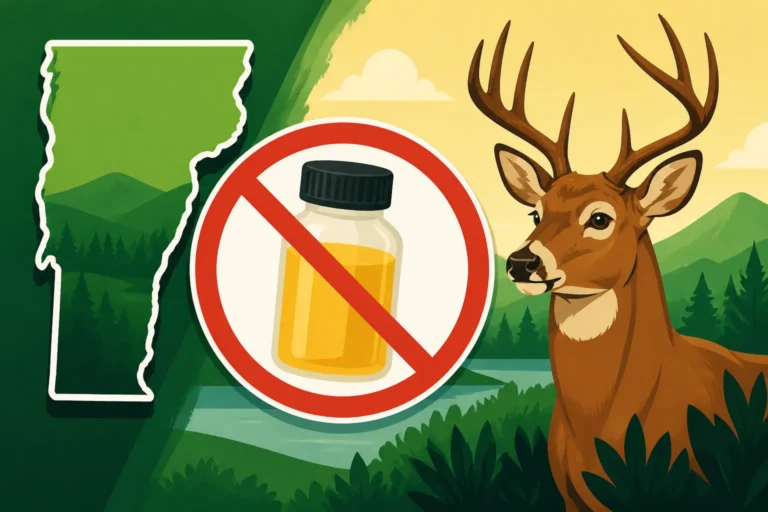
Chronic Wasting Disease (CWD) is a serious concern for deer herds across North America, and Vermont has stringent rules in place to prevent its introduction. While Vermont remains CWD-free, it's vital to be aware of regulations regarding carcass importation and certain deer lures. Vermont prohibits the use of urine-based deer lures to reduce the risk of CWD transmission. Always consult the latest Vermont CWD Prevention Rules before using any attractants or bringing parts of deer harvested out-of-state into Vermont. These rules are in place to protect the health of our local deer population.
Upon harvesting a deer, you are legally required to report it to the Vermont Fish & Wildlife Department within 48 hours. This can typically be done online, through the VFWD app, or at an authorized check station. Reporting your harvest is not just a formality; it provides critical data that wildlife biologists use to manage the deer herd, set future season dates, and make informed decisions about herd health and population.
Private Land Access
A significant portion of Vermont hunting takes place on private land. Always obtain explicit permission from landowners before hunting on their property. This isn't just common courtesy; it's the law in Vermont. Even if land isn't posted, it's considered private, and you need permission. Building relationships with landowners can unlock fantastic hunting opportunities, especially for late-season deer often found on farm edges or woodlots adjacent to agricultural fields. Never take access for granted, and always leave the property better than you found it.
Maximizing Your December Hunt: Scouting and Persistence
December hunting can be rewarding, but it demands a different mindset and focused preparation. The challenges are real, but so are the rewards of a successful late-season hunt.
The Power of Late-Season Scouting
You might think scouting is primarily for pre-season, but it’s arguably even more critical in December. Snow provides a blank canvas, revealing every deer track, scrape, and browse line. Fresh snow can quickly show you where deer are moving from bedding to feeding areas. If there’s no snow, look for heavily used trails near thermal cover and remaining food sources. Pay attention to how deer are using the landscape to conserve energy. They’ll take the path of least resistance and won’t expend unnecessary energy in deep snow unless forced to.
Utilize tools like the GoHunt app or onX Hunt to study aerial maps, identify potential bedding thickets, and locate pinch points or funnels that deer might use to travel between food and cover. This digital scouting, combined with boots-on-the-ground investigation, will significantly increase your odds. Remember, deer patterns can change quickly with weather shifts, so staying adaptable is key.
The Mental Game of December Hunting
Let's face it, December hunting can be tough. The cold can be relentless, the days are short, and sometimes it feels like the deer have simply vanished. This is where persistence and a strong mental game come into play. Don’t get discouraged if you don’t see deer right away. Keep moving slowly if you’re still-hunting, or stay focused and patient if you’re in a stand.
It's often the hunters who brave the elements, stick with it, and truly understand the late-season deer behavior who find success. Embrace the quiet beauty of the winter woods, the solitude, and the unique challenge. Every track, every fresh browse sign, and every gust of wind carries information. Learn to read it. The satisfaction of harvesting a deer under these challenging conditions is truly unparalleled.
So, as you gear up for the Vermont December muzzleloader season, remember the dates, prepare your equipment for the cold, understand the regulations, and most importantly, bring your A-game in terms of patience and persistence. May your powder stay dry and your aim be true!
Disclaimer
The information provided in this guide is for general informational purposes only and does not constitute legal advice. Hunting regulations, season dates, and permit requirements in Vermont are subject to change. Always consult the official Vermont Fish & Wildlife Department regulations and directives before planning any hunting trip. It is the hunter's responsibility to know and follow all applicable laws and regulations.