Vermont’s Split Lake Champlain Season Explained
There’s nothing quite like a cold, crisp morning spent waiting for the first ducks to buzz your decoys on Lake Champlain. But if you’re a waterfowl hunter in Vermont, you know the frustration that comes with keeping up with the regulations, especially when it comes to the Lake Champlain Zone’s unique split season. It’s not just a single opening and closing; it’s a nuanced dance with migration patterns and management goals, and understanding its rhythm is key to a successful hunt. This guide is here to untangle the complexities, explain the "why," and help you plan your hunts for maximum enjoyment and ethical success.
Understanding the Rationale Behind the Split Season
Many hunters find the split season concept a bit perplexing, wondering why Vermont just doesn't have one continuous waterfowl season like some other states. Believe me, I've heard the grumbling at boat ramps and coffee shops. It feels like an extra hoop to jump through, another set of dates to memorize when you're already juggling work, family, and scouting time. But there's a very good reason behind it, rooted deeply in wildlife management science and the very nature of waterfowl migration.
The primary driver for a split season, particularly in a unique geographic region like the Lake Champlain Basin, is to maximize hunter opportunity while still adhering to federal migratory bird harvest guidelines and protecting local breeding populations. Ducks and geese don't all migrate at once; it's a staggered event. Early-season ducks, often comprised of locally breeding birds and early migrants like wood ducks, teal, and some mallards, arrive and depart differently than the later-season pushes of northern-breeding mallards, black ducks, and divers.
If Vermont just had one long, continuous season, we'd either open too early, putting pressure on local birds before they've completed their breeding cycle or before young birds are fully flight-capable, or we'd open too late, missing the prime opportunity for those early-season species. Conversely, a continuous season might close too soon, cutting off access to the large influx of birds that arrive with the colder weather in November and December. By "splitting" the season, the Vermont Fish and Wildlife Department, in cooperation with federal guidelines, can essentially create two distinct windows that align with these different migration waves. It's a strategic move to give hunters the best chance at various species throughout the fall, without over-harvesting specific populations.
Tailoring Season Dates to Migration Patterns
Think about it this way: the ducks you're seeing in early October are often very different birds, or at least from different cohorts, than the ones working your spread in late November. Early in the season, when the leaves are still on the trees and the mornings are brisk but not freezing, you're primarily targeting local birds and the first waves of northern migrants. These birds are often more vulnerable, less "educated," and are focused on readily available food sources like acorns or leftover agricultural crops.
As the season progresses and cold fronts push down from Canada, a whole new population of birds arrives. These might be birds that bred much further north, are harder to decoy, and are more geared towards finding open water and high-energy food to fuel their journey south. A continuous season would force wildlife managers to choose a middle ground that wouldn't perfectly suit either scenario. By implementing a split, they can set specific bag limits, shooting hours, and even zone-specific rules that reflect the biological realities of these distinct migratory periods. This ensures that when the "big push" of mallards or greater scaup arrives, hunters have a dedicated opportunity to pursue them, often after a brief respite where the birds can settle in without immediate hunting pressure. This is a crucial element that distinguishes the Lake Champlain Zone from the Vermont Interior Zone Waterfowl Dates.
Balancing Hunter Opportunity and Conservation Goals
The split season isn't just about ducks; it's also about hunters. Hunters, like myself, often have preferred times to hunt. Some love the warm, early-season hunts, chasing wood ducks in flooded timber or greenheads in cut cornfields. Others live for the late-season, icy conditions, bundling up in layout blinds, and working large decoy spreads for big pushes of mallards. A split season allows for both of these preferences to be catered to, giving different groups of hunters a chance to experience the type of waterfowl hunting they love most.
Without the split, one group might feel short-changed. Imagine if the season started too late for those early-season teal. Or if it closed before the major diver migration hit the lake. By creating these two distinct periods, the department aims for a more equitable distribution of hunting opportunity. It’s also a conservation tool. The "break" in the middle of the season provides a period of reduced pressure, allowing birds that have arrived to settle into new feeding and resting areas, potentially making them less wary when the second segment opens. This short reprieve can be beneficial for bird populations, giving them a chance to rest and refuel, particularly during intense migratory pushes.
Key Dates and Zones for Lake Champlain Waterfowl Hunters
The Lake Champlain Zone is a beast of its own, extending beyond just the lake itself to include associated rivers and wetlands. It’s crucial to know your boundaries and, even more importantly, the specific dates that govern hunting within this unique area. The most up-to-date dates are always available on the Vermont Fish and Wildlife Department's official website, but generally, the Lake Champlain Zone operates with two distinct segments.
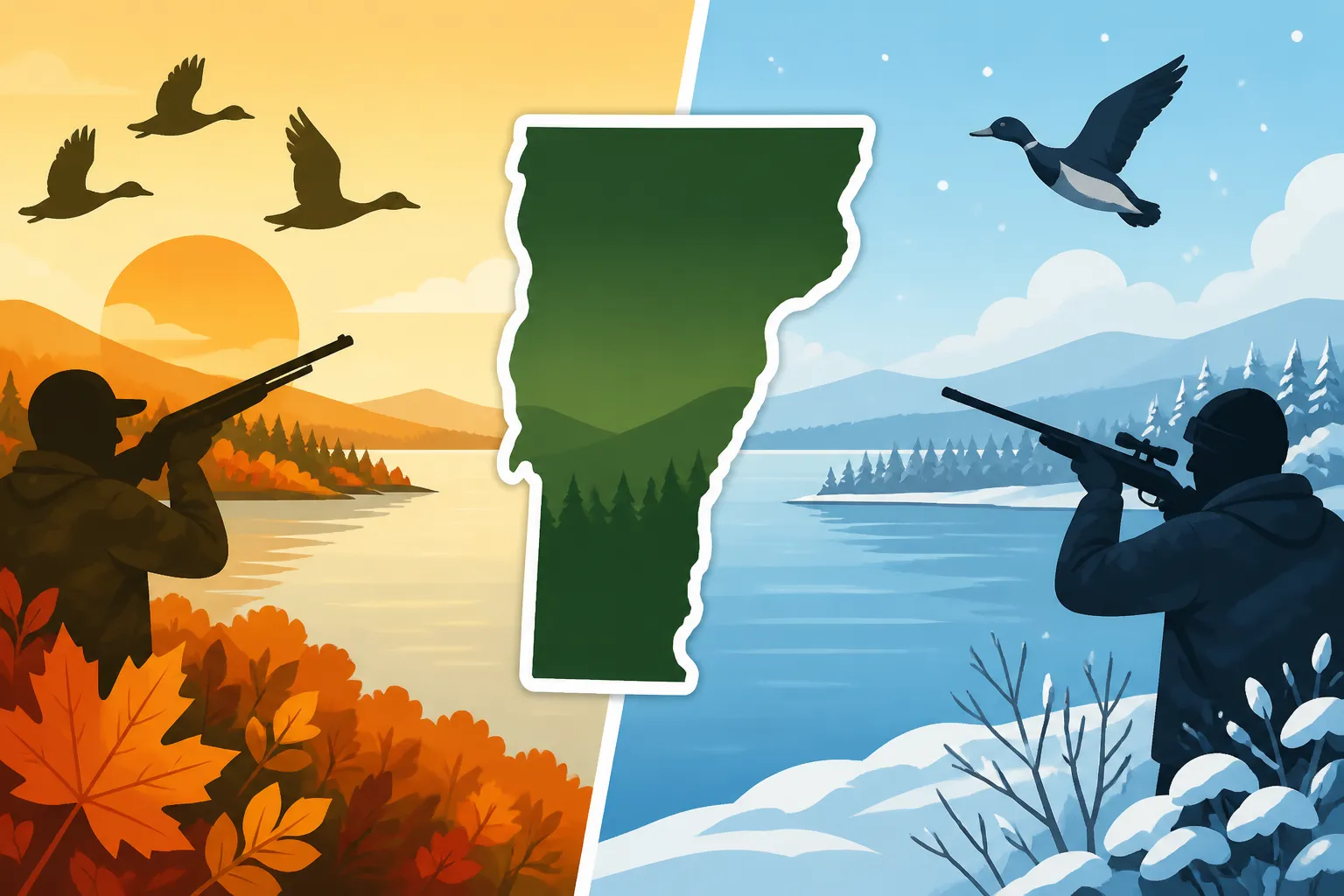
The first segment typically opens in early October, often around the first weekend, and runs for about two to three weeks. This is your classic "early season" opportunity, often characterized by milder weather and a good chance at local birds and early migrants. You’ll see a lot of puddle ducks—mallards, wood ducks, green-winged teal, black ducks—and maybe a few early geese. The atmosphere is generally more relaxed; hunters might be jump-shooting small creeks, setting up on farm ponds, or decoying shallow marshes.
Following this initial period, there's a mandatory closure, usually lasting a week or two, which is the "split" part of the equation. This break allows birds to rest and new migrants to arrive without immediate hunting pressure. Then, the second segment opens, typically around early to mid-November, and continues through to mid-December. This is often when the big northern pushes of ducks arrive, especially mallards, black ducks, and various diver species like bluebills and buffleheads, along with significant numbers of Canada geese. The weather is usually colder, ice becomes a factor, and the hunting often shifts to larger bodies of water, open fields, and permanent blinds.
Understanding Zone Boundaries and Specificity
It’s not enough to just know the dates; you also need to know where those dates apply. The Lake Champlain Zone is well-defined. It essentially covers Lake Champlain and all of its bays, coves, and tributaries upstream to the first highway bridge. This can be tricky, so if you’re unsure, it’s always best to consult a detailed map or the official Vermont Fish and Wildlife regulations. For example, if you’re thinking of Hunting a Missisquoi River Delta, you’d definitely be in the Lake Champlain Zone.
For hunters who also dabble in other areas, remember that the Vermont Interior Zone Waterfowl Dates and Vermont Connecticut River Zone Waterfowl Dates will have entirely different season structures and dates. You can't just apply Lake Champlain rules to a marsh near Rutland or a river stretch by Brattleboro. It's a common mistake, especially for those who travel between zones, so always double-check your location. Many hunters use apps like GoHunt to verify their location against zone boundaries, which can be incredibly helpful for avoiding accidental violations.
| Lake Champlain Waterfowl Season Segments (General) | Typical Dates | Primary Species Focus | Typical Weather |
|---|---|---|---|
| Segment 1 (Early Season) | Early Oct – Late Oct | Wood Ducks, Green-winged Teal, Local Mallards, Early Geese | Mild, Crisp, Fall Foliage |
| Closed Period (Split) | Late Oct – Early Nov | (No Hunting Permitted) | Cooling, Transition |
| Segment 2 (Late Season) | Early Nov – Mid Dec | Northern Mallards, Black Ducks, Divers, Canada Geese | Cold, Icy, Wintery |
Please note: These dates are general and subject to annual changes by the Vermont Fish and Wildlife Department. Always consult the current year's official regulations for exact dates.
Strategic Approaches for Hunting the Split Season
The split season demands a flexible and strategic approach from waterfowl hunters. You can't just hunt the same way throughout; the birds, the weather, and the available food sources change dramatically from early October to mid-December. Adapting your tactics is not just recommended, it's essential for consistent success.
During the first segment, when the weather is still relatively mild, focus on smaller, sheltered bodies of water. This is prime time for wood ducks and teal. Think beaver flows, small farm ponds, and winding creek bottoms. Decoy spreads can be smaller, more natural. I often use a mix of wood duck and mallard decoys, sometimes just a half-dozen. Concealment is paramount since the leaves are still mostly on the trees, providing cover but also making birds harder to spot. If you're considering Decoying Mallards on Lake Champlain early in the season, target the shallower bays and coves with abundant vegetation. Jump-shooting smaller, often overlooked waterways can also be incredibly effective during this period, especially on cloudy, drizzly days.
When that mid-season break hits, don't just put your gear away. This is a fantastic time for scouting. Use the lull to identify new feeding areas, observe flight patterns of incoming birds, and locate new loafing spots that might have developed due to changing water levels or food availability. Check out areas like Hunting a Lake Champlain Marsh to see where birds are concentrating after the initial pressure. This intelligence gathering during the split can pay huge dividends when the second segment opens, especially if new birds have moved in. You might even use this time to scout for other species, such as during Fall Turkey Hunting Vermont's Statewide Archery Window, which can overlap with the waterfowl split.
Adapting Your Setup for Different Migration Waves
As the second segment approaches, often signaled by colder temperatures and even snow, your strategy needs to shift. The birds you're targeting are likely more wary, have seen more pressure, and are often concentrated on larger, more open water or in significant agricultural fields. This is when large decoy spreads, often featuring dozens of mallards, black ducks, and diver decoys, become more effective. Layout blinds in open fields become essential for Layout Blind Hunting a Champlain Valley Field if you're targeting geese. For ducks, focus on main lake points, major tributary mouths, and deeper, open water where divers prefer to feed.
It's also a time when calling becomes more critical. Early season, a simple feed call or chuckle might suffice. Late season, you might need to be more aggressive, working a full range of calls to grab the attention of high-flying flocks. Weather plays a massive role; blustery, nasty days often bring the best late-season hunting, pushing birds off large, open water and into more sheltered areas where they might be more vulnerable. Don't be afraid to pull out the bigger guns in terms of gear—more durable waders, warmer layering, and more robust boat setups if you're hunting the main lake. Having a good mapping app like GoHunt on your phone can help you identify deeper water access points and public land boundaries for late-season hunts.
Navigating Licenses and Regulations for Waterfowl on Lake Champlain
Beyond just the season dates, waterfowl hunting in Vermont, especially in the Lake Champlain Zone, involves a specific set of licensing and regulatory requirements that every hunter needs to be acutely aware of. Ignoring these can lead to fines, loss of privileges, and most importantly, can harm the conservation efforts we all benefit from.
First and foremost, you'll need a valid Vermont hunting license. For residents, this is often the Vermont Resident Base License Cost, while nonresidents will pay more. On top of that, if you plan to hunt migratory birds, which includes all ducks and geese, you'll need a Vermont Migratory Bird License and a federal duck stamp. These are non-negotiable. The Vermont migratory bird license is relatively inexpensive, but the federal duck stamp is crucial – not just for legal hunting, but because 98 cents of every dollar from its sale goes directly to conserving wetland habitats critical for waterfowl. You might also consider the Vermont Migratory Bird Stamp Cost as an additional way to contribute.
You also need to be HIP (Harvest Information Program) certified. This is a quick and free registration that helps wildlife agencies gather data on migratory bird harvests. Without it, you’re not legally allowed to hunt migratory birds. All of these can usually be purchased or obtained through Vermont's online licensing portal, making it relatively convenient.
Understanding Bag Limits and Other Rules
Bag limits for ducks and geese can vary by species and even change within the season, though typically not during the split segments themselves for the Lake Champlain Zone. It's vital to know the specific daily bag and possession limits for each species you might encounter. For example, a "Vermont Duck Daily Bag Limit" usually has specific restrictions on certain species like mallards (hen vs. drakes), wood ducks, or black ducks. These limits are in place to manage populations responsibly, ensuring sustainable hunting for future generations.
Other regulations to keep in mind include shooting hours, which are typically from one-half hour before sunrise to sunset. You cannot use lead shot for waterfowl hunting; it's strictly non-toxic shot, like steel, bismuth, or tungsten. This is an environmental protection measure to prevent lead poisoning in birds. Also, be mindful of decoys; there are limits on the number of decoys you can use on certain public lands, and leaving decoys out overnight is generally prohibited. Make sure to review the Vermont Duck and Goose Bag Limits and all other pertinent regulations for the current season before heading out.
Finally, blaze orange requirements are also something to be aware of. While not typically required for waterfowl hunting when actively hunting from a blind or boat, if you're walking to or from your hunting spot through fields or woods during overlap seasons, especially Bowhunting During Vermont's Rifle Season, you need to display blaze orange. The safest bet is to always have some accessible if you're moving between locations where other hunters might be present. Always remember to retrieve all your spent shells and leave no trace behind. It’s not just regulation; it’s being a responsible steward of the land and the resource.
Disclaimer
Please remember that hunting regulations, season dates, and license requirements can change annually. It is your responsibility to consult the official Vermont Fish and Wildlife Department website or printed regulations booklet for the most current and accurate information before planning any hunting trip.