How Close a Vermont Mentor Must Stay
Hunting with a new generation is one of the most rewarding experiences a outdoors person can have, but wading through the rules for mentored youth hunting can sometimes feel like trying to navigate thick cover in the dark. It’s easy to get confused about exactly what's required, especially when it comes to how close a mentor needs to stay. This guide is here to cut through that fog, providing clarity on Vermont's specific proximity rules for mentored youth hunters and offering practical advice to keep everyone safe and legal in the field.
Understanding Vermont's Mentored Youth Hunting Program
The idea behind mentored youth hunting isn't just to get more folks into the woods; it's about passing on a legacy, instilling safety, and fostering a deep respect for nature and the animals we pursue. Vermont's program is designed to create a structured yet exciting entry point for young, aspiring hunters, ensuring they learn good habits from day one under the watchful eye of an experienced adult. It’s a fantastic way to introduce someone to the outdoors without the immediate pressure of full licensure, allowing them to focus on the experience itself.
The Spirit Behind Mentored Hunting
For many of us, our first hunting experiences were alongside a parent, grandparent, or another trusted adult. That connection, that hands-on learning, is priceless. Mentored hunting programs formalize that tradition, making it accessible even if a young person doesn't have an immediate family member who hunts. The ultimate goal is to nurture responsible, ethical hunters who understand the importance of conservation and fair chase. It's not just about pulling a trigger; it's about understanding game behavior, reading the landscape, and respecting the privilege of hunting. These programs are a vital component in ensuring that Vermont's rich hunting heritage continues to thrive, giving young individuals the opportunity to discover the same passion and connection to the wild that we’ve enjoyed for years. Without new blood, our traditions fade, and these programs are truly the lifeblood of the future of hunting.
Who Qualifies as a Mentor and Mentee
Getting started with a mentored hunt in Vermont has a few key requirements to ensure everyone involved is properly prepared. For the mentee, generally, they must be at least 8 years old. The beauty of the mentored program is that it allows them to participate in big game, turkey, and waterfowl seasons without first completing a hunter education course or holding a hunting license. This removes a significant barrier to entry, letting them experience hunting firsthand before committing to the full education process. However, there are age caps; once they reach a certain age, typically 16, they'll need to complete hunter education and obtain their own licenses.
For the mentor, the requirements are a bit more stringent, and rightfully so, as they are entirely responsible for the mentee's safety and adherence to the law. A mentor must be at least 18 years old and hold a valid Vermont hunting license for the current year. This isn't just a formality; it ensures the mentor is familiar with current regulations, season dates, and ethical practices. They also need to have successfully completed a hunter education course themselves, proving they understand firearm safety and hunting regulations. Additionally, a mentor can only supervise one mentee at a time. This one-on-one focus is critical for safety and effective teaching, ensuring the mentor's attention isn't divided. It means they can truly devote themselves to instructing the mentee, observing their every move, and intervening if necessary. This close supervision is a cornerstone of the program, designed to prevent accidents and cultivate highly skilled and ethical future hunters.
The Core Proximity Rule: What the Law Says
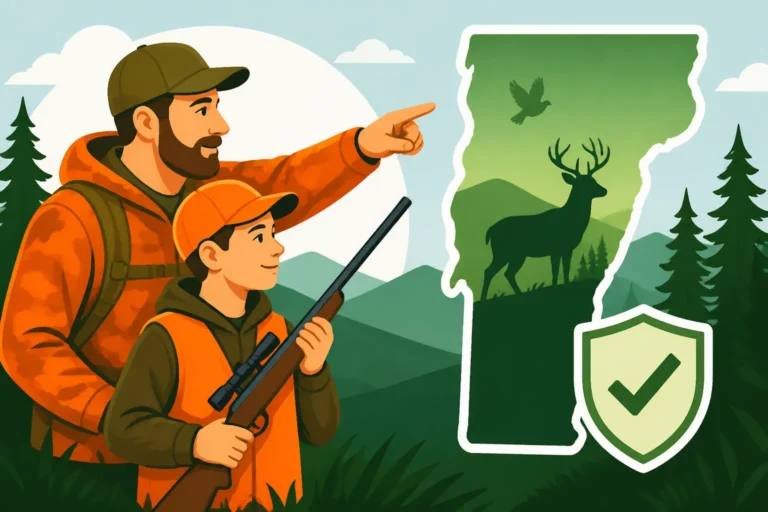
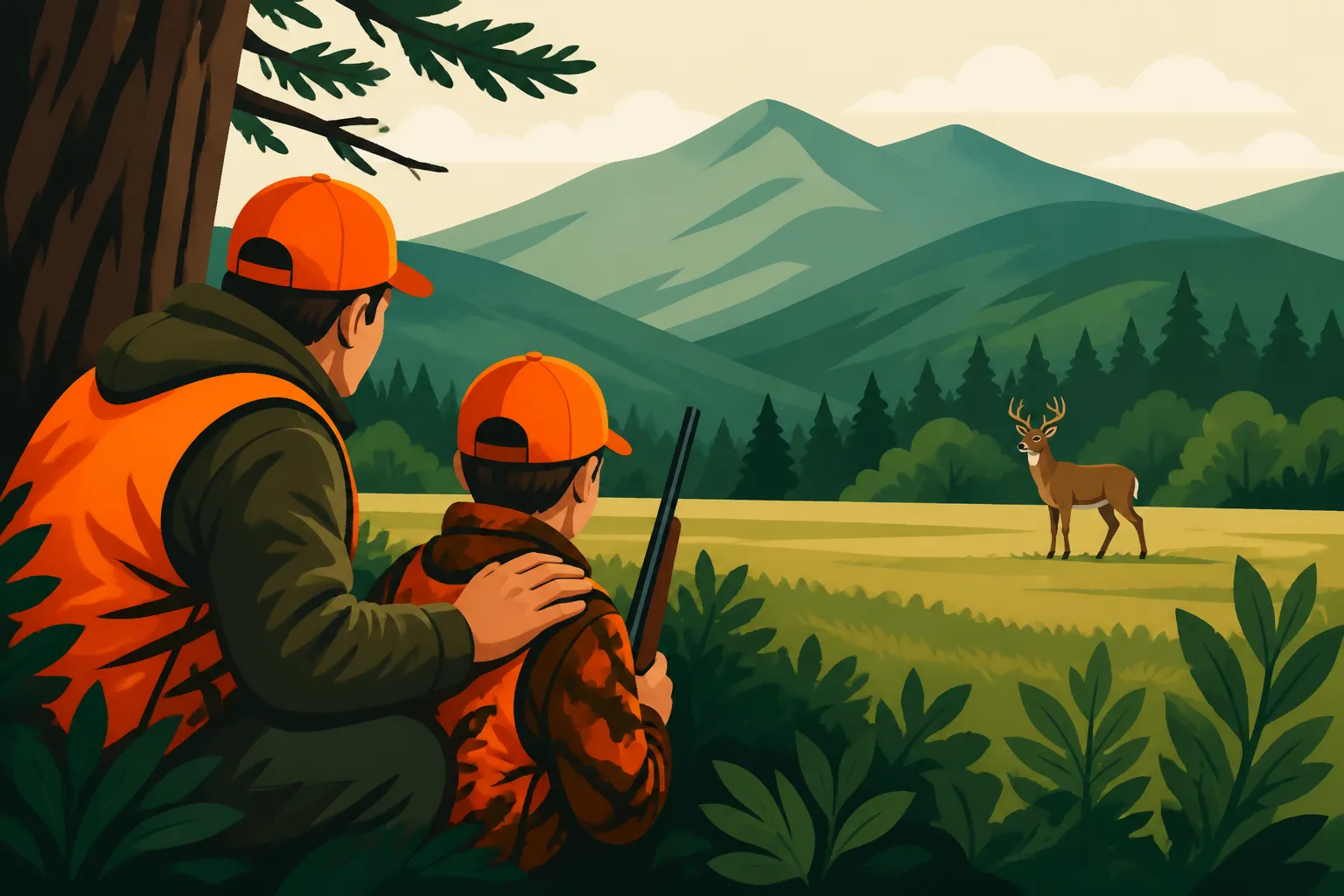
Alright, let's get down to the brass tacks of what brought you here: how close does a mentor actually have to be? In Vermont, the law is quite clear and provides a good balance between supervision and allowing the mentee some level of independence under observation. According to the Vermont Fish & Wildlife Department, when a mentored youth hunter is actively hunting with a firearm, the mentor must remain within arm's length of the mentee.
This isn't just a suggestion; it's a hard rule. "Arm's length" typically means close enough to physically touch the mentee, to quickly grab the firearm if necessary, or to offer immediate verbal correction. This rule applies anytime the mentee is carrying or actively using a firearm or bow. It doesn't mean you have to hold their hand, but it does mean you need to be right there, practically shoulder-to-shoulder, especially when moving through cover, setting up for a shot, or tracking game. This regulation is designed for maximum safety, giving the mentor instantaneous control over any situation that might arise. It takes the guesswork out of the equation and ensures that an inexperienced hunter always has an expert immediately at their side for guidance and safety.
Practical Implications of Mentor Proximity in the Field
Knowing the "arm's length" rule is one thing; putting it into practice in the varied terrain of Vermont is another. From dense Green Mountain timber to open Champlain Valley fields, maintaining that close proximity requires constant awareness and careful planning. It's not always easy, but it’s absolutely essential for the safety of the mentee and everyone else in the woods.
Safety First: Why Proximity Matters
The "arm's length" rule isn't an arbitrary restriction; it's the bedrock of safety for mentored youth hunts. Think about it: a young hunter, even one with some shooting experience, might react differently when face-to-face with a deer or turkey in the wild. Adrenaline can surge, and judgment can be clouded. Being within arm's length means you can:
- Immediately intervene: If the mentee points the firearm in an unsafe direction, forgets to check their background, or hesitates on a shot, you are there to correct it instantly. This immediate feedback is invaluable.
- Maintain firearm control: In a split second, you can grab the firearm, guide it, or even prevent an accidental discharge. This is especially crucial when navigating challenging terrain or transitioning from walking to shooting.
- Make judgment calls: You can whisper instructions, confirm legal targets (e.g., distinguishing between a legal buck and a doe, or an adult turkey versus a jake), or advise against an unethical shot due to distance or cover.
- Prevent fatigue-related errors: A young hunter might tire more quickly than an adult, leading to lapses in concentration. Close proximity allows you to observe these signs and take breaks before mistakes happen.
It’s all about creating an environment where the mentee can learn confidently, knowing an experienced and capable adult is literally right by their side. This direct, constant supervision reduces risk significantly and helps build good habits from the start.
Different Scenarios and Staying Within Bounds
Applying the arm's length rule can look a bit different depending on your hunting situation. It’s not a one-size-fits-all approach, but the principle remains the same: immediate control and guidance.
- Still-Hunting/Stalking: This is where the rule is most critical and sometimes the most challenging to maintain. If you're still-hunting through a thick hardwood ridge in the Northeast Kingdom, the mentee should be literally a step or two in front of you, or right beside you. You’re moving as one unit, constantly scanning, and you’re prepared to physically guide their movements or the firearm at any moment. You need to ensure they’re not getting ahead or falling behind where you can't instantly reach them. This is where using a robust mapping app like those from GoHunt can be invaluable, allowing you to track your exact position and ensure you're sticking together, especially in unfamiliar territory. It helps keep you oriented and focused on the mentee, not getting lost.
- Treestand Hunting: Here, "arm's length" is pretty straightforward. You'll likely be in a two-person treestand, or the mentee will be in a stand immediately adjacent to yours, close enough for you to reach over and touch them. The key is that you maintain that physical proximity where you can assist with safety harnesses, firearm handling, and making quick decisions on shot placement. When climbing in or out, the mentor should always be securing the mentee's safety line and assisting with the firearm. Remember to choose a stand setup that allows this constant connection.
- Ground Blind Hunting: This is perhaps the easiest scenario to maintain arm's length, as you'll naturally be sitting shoulder-to-shoulder inside the blind. This setup allows for easy communication, whispered instructions, and physical guidance without breaking the rule. You can help them position the firearm, teach them how to use shooting sticks, and ensure they have a clear, safe shooting lane.
- Waterfowl Hunting: Whether in a permanent blind, a layout blind, or jump-shooting a creek, the mentee should be right there with you. When decoys are set and you’re waiting, you’ll be together. If you’re jump-shooting, the mentee should be right behind or beside you, moving cautiously, allowing you to control the situation and call out targets or safety commands instantly. Decoying ducks on Lake Champlain, for example, means you'll both be hunkered down, usually within easy reach.
The crucial takeaway is that the "arm's length" rule isn't just about the shot; it's about every moment the mentee is armed in the field. It's a continuous commitment to safety and direct instruction, no matter the hunting method.
Communication and Constant Awareness
Beyond the physical proximity, effective communication and constant awareness are paramount when mentoring a youth hunter. It's not enough to simply be close; you need to be actively engaged and connected to what the mentee is doing, seeing, and feeling.
- Verbal Cues: Establish clear, concise verbal cues for "stop," "slow down," "wait," "look left," or "safety on." Practice these before you even step into the woods. In a critical moment, a whispered word can make all the difference. For instance, if you're Still-Hunting Green Mountain National Forest Timber, you might use a soft "freeze" command to alert them to movement ahead without spooking game.
- Non-Verbal Signals: In situations where silence is golden, develop non-verbal signals. A tap on the shoulder, a hand gesture for "slow," or a pointing finger can communicate critical information without sound. This is especially useful when Rattling and Grunting Vermont Bucks and you need absolute quiet.
- Sensory Awareness: As the mentor, you need to be hyper-aware of your surroundings and the mentee's responses. Are they getting tired? Are they distracted? Are they focusing too much on the gun and not enough on their footing or surroundings? Their body language will tell you a lot.
- Anticipate and Prepare: Always be thinking a few steps ahead. If you're approaching a thick patch of cover or a fence line, anticipate how you'll navigate it safely with the mentee and their firearm. Talk through scenarios beforehand. For instance, discuss how to handle Entry Routes Through a Cut Cornfield before you reach one.
- Pre-Hunt Briefings: Before each hunt, have a brief discussion about the plan, safety rules, and expectations. Remind them of the "arm's length" rule and why it’s so important. Discuss what to do if you get separated (though this should be highly unlikely given the proximity rule).
Ultimately, constant awareness means you are not just supervising but actively participating in the hunt with the mentee, guiding them through every decision and movement. It's a partnership where you're the experienced guide, and they are the eager student. The more you communicate and remain vigilant, the safer and more educational the experience will be for everyone. Tools like GoHunt's mapping features can help you stay oriented, allowing you to focus your attention on the mentee rather than worrying about navigation.
Beyond Proximity: Other Important Mentoring Responsibilities
While the "arm's length" rule is critical for immediate safety and legal compliance, the mentor's role extends far beyond physical proximity. True mentorship is about imparting a comprehensive understanding of hunting, wildlife, and conservation, preparing the mentee for a lifetime of responsible outdoor enjoyment.
Educating on Ethics and Conservation
The most significant lesson a mentor can pass on isn't just how to shoot, but why we hunt and how to do it ethically. This means teaching the mentee about:
- Fair Chase Principles: Explaining what constitutes a fair shot, avoiding practices that give an undue advantage, and understanding the concept of respect for the animal. This includes proper shot placement for a quick, humane kill.
- Wildlife Management and Conservation: Discussing why certain seasons exist, bag limits, and the role of hunting in managing healthy populations. Talk about Vermont's CWD Prevention Rules and why they're so important. Help them understand the ecological balance and how their actions contribute to it. For example, when applying for a Vermont Moose Permit, discuss the state's efforts to manage moose populations due to winter tick concerns.
- Leave No Trace: Instilling the importance of packing out everything you pack in, leaving the woods cleaner than you found them, and respecting the natural environment.
- Hunter's Image: Teaching the importance of representing hunters positively to the non-hunting public, through respectful behavior, adherence to laws, and proper game care. This might include discussing why Vermont Sunday Hunting Rules are different from other days, or local nuances that build respect.
- Understanding the Animal: Teach them about deer habits, like Where Vermont Bucks Bed in Thick Cover, or the behavior of Wild Turkeys in Vermont. This deepens their connection and appreciation for the pursuit.
These ethical considerations are often far more lasting than the immediate thrill of the hunt. They shape the mentee into a responsible hunter and conservationist, ensuring that the legacy of hunting is carried forward honorably.
Field Dressing, Tracking, and Recovery
The hunt doesn't end when the shot is fired. A crucial part of responsible hunting involves the efficient and respectful handling of game after the harvest. A good mentor will guide the mentee through these vital steps:
- Tracking and Blood Trailing: Teach them how to properly track an animal, interpret blood sign, and maintain patience. This skill is vital, especially when Tracking a Deer in Fresh Green Mountain Snow. Explain the importance of waiting an appropriate amount of time before taking up a trail.
- Field Dressing: This is a hands-on lesson. Explain why field dressing is necessary (to cool the meat quickly) and how to do it hygienically and efficiently. Let them participate as much as they are comfortable, starting with smaller tasks and progressing to more involved steps. Discuss the best ways for Field Dressing a Deer in Cold Weather to preserve the meat.
- Game Recovery and Transport: Show them how to tag the animal properly and how to physically recover it from the woods. This might involve using a game cart, a sled in the snow, or physically dragging. Discuss local regulations for Registering a Vermont Deer Online or at a check station.
- Meat Care and Processing: Once the animal is out of the woods, discuss the steps for proper meat care, from hanging and aging (if appropriate) to butchering. This completes the cycle and ensures the mentee understands the full responsibility of harvesting an animal for food. This is an excellent time to introduce them to the concept of Handling Venison From a Healthy Herd to ensure the best table fare.
These practical skills are not only essential for ethical hunting but also build confidence and competence in the young hunter, making them a more self-sufficient and capable outdoors person.
Respecting Landowners and Regulations
Finally, a mentor's responsibility includes instilling a deep respect for both the law and private property. This often overlooked aspect is critical for the future of hunting access.
- Trespass Laws and Permission: Emphasize the absolute necessity of obtaining permission before hunting on private land. Discuss Vermont's Posted Land Rules and what they mean. Teach them how to approach landowners politely and professionally, understanding that asking for Getting Private Land Permission in Vermont is a privilege, not a right.
- Boundaries and Property Lines: Show them how to identify property lines using maps (like those from GoHunt or the Vermont Fish and Wildlife App) and physical markers. Explain the importance of staying within permitted areas. This is especially vital when Hunting a Champlain Valley Dairy Farm Edge where property lines can be subtle.
- Reporting and Regulations: Stress the importance of knowing and adhering to all hunting regulations, including season dates, bag limits, and weapon restrictions. Teach them how to properly report a deer through Vermont's app or other methods. Explain topics like Vermont's Dual Antlerless Permit Rule and how it impacts hunting strategy.
- Hunting Hours: Remind them of the legal hunting hours for various species and why these rules are in place. This ensures they develop good habits and respect the law.
By instilling these values, a mentor helps to create a new generation of hunters who are not only skilled but also respectful stewards of the land and its wildlife, ensuring that hunting remains a cherished tradition in Vermont for years to come.
| Aspect of Mentored Youth Hunting | Requirement/Detail | Mentor Role |
|---|---|---|
| Mentee Age | Minimum 8 years old (no maximum, but must take Hunter Ed by 16 for continued hunting) | Active supervision, safety instruction |
| Mentor Age | 18 years or older | Must be 18+, possess valid VT hunting license & Hunter Education |
| Proximity Rule (Firearm/Bow) | Within arm's length of mentee at all times during active hunting | Constant physical proximity and immediate intervention capability |
| Mentor-to-Mentee Ratio | 1 mentor per 1 mentee | Undivided attention to one mentee |
| Hunter Education (Mentee) | Not required for mentored hunt | Teach safe firearm handling and field ethics |
| License (Mentee) | Not required for mentored hunt | Ensure mentor has proper licensing |
| Game Tagging | Mentor tags the animal under their license | Guide mentee through proper tagging procedure |
| Safety Gear | Blaze orange/pink as required for season | Ensure mentee wears appropriate safety colors |
Disclaimer
Please be aware that hunting regulations, season dates, and licensing requirements can change. While this guide aims to provide accurate and up-to-date information, it is always your responsibility to consult the official Vermont Fish & Wildlife Department regulations before engaging in any hunting activities. This content is for informational purposes only and should not be considered legal advice.