Vermont License Year Start Date
It's a common moment of panic for any hunter: you've spent weeks scouting, sighting in your rifle, and getting your gear ready, only to realize, often at the last minute, that you're not entirely sure if your hunting license is still valid. Trying to navigate different state regulations, especially when some licenses run on a fiscal year and others on a calendar year, can be truly frustrating and lead to unnecessary stress right before a big hunt. This comprehensive guide will clear up all that confusion by detailing exactly when Vermont's hunting license year begins, how it impacts your season planning, and what you need to do to ensure you're always legal in the field.
Understanding Vermont's Annual License Cycle
For hunters, anglers, and trappers in the Green Mountain State, understanding the annual license cycle is paramount. Unlike some states that operate on a fiscal year (often starting in July or April), Vermont keeps things straightforward with a calendar year system.
When Your Vermont License Becomes Active
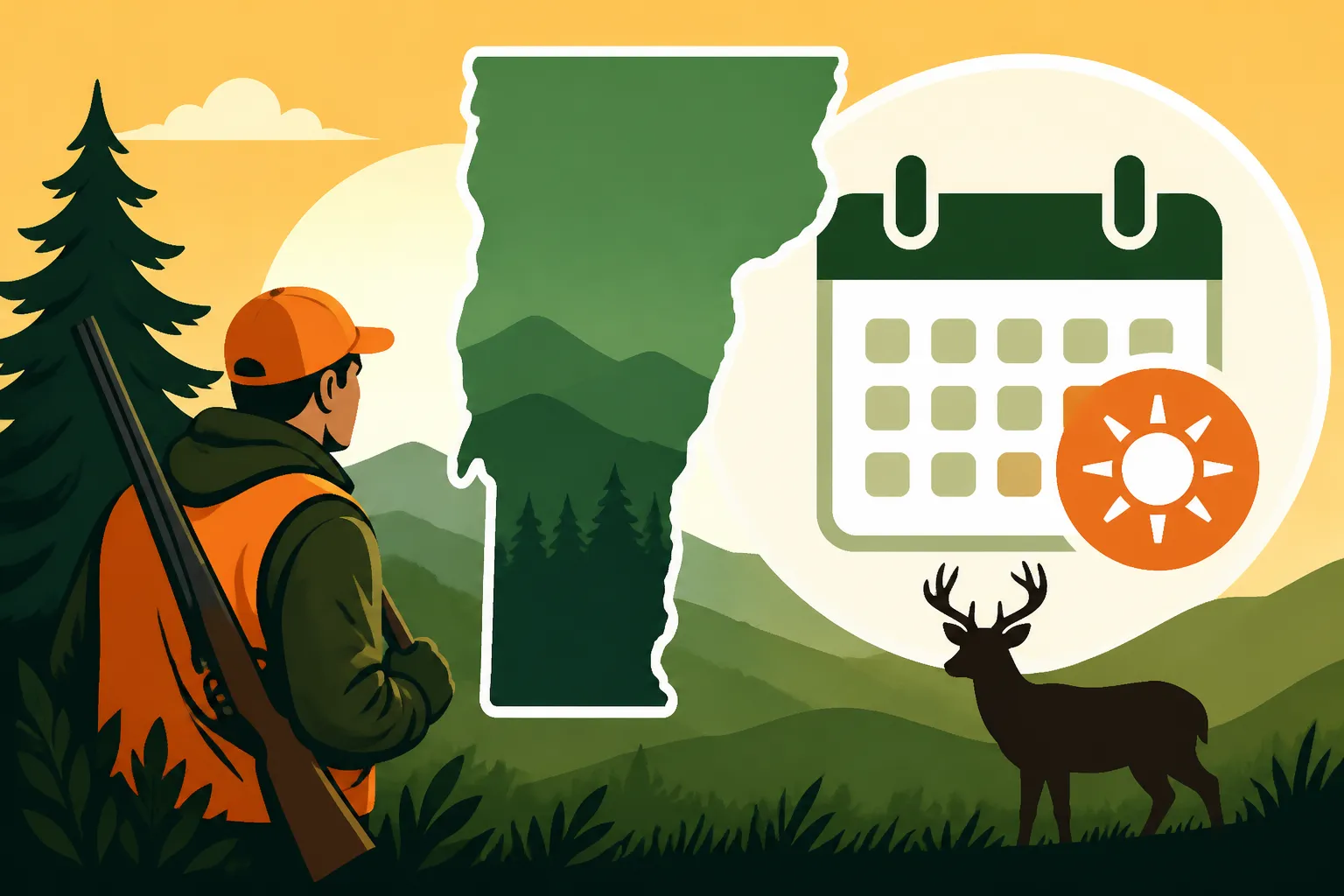
Let's cut right to it: Vermont's hunting, fishing, and trapping licenses are valid from January 1st through December 31st of any given year. This means if you purchase a 2024 license, it's good from the very first day of January until the last day of December of that same year. It's a clean, calendar-year-based system that, once you get used to it, makes planning much simpler. This consistent start date helps align all the various outdoor activities under one clear validity period. So, whether you're chasing coyotes in January or eyeing a late-season deer tag, your annual license follows this established timeline.
Why the Calendar Year System Works for Vermont
Vermont's choice of a January 1st to December 31st license year isn't arbitrary; it serves a practical purpose for both the state's Fish & Wildlife Department and the hunters themselves. For the state, it simplifies administrative tasks, aligns with federal reporting requirements for various wildlife programs, and makes data collection more consistent year-over-year. Think about how much easier it is to track harvest data, permit allocations, and revenue when everything starts and ends with the calendar.
For hunters, this system offers a predictable framework. You don't have to worry about a license expiring mid-season or trying to figure out if your "spring" turkey license also covers the "fall" hunt if they cross over fiscal years. If you hold a valid annual license for 2024, you're covered for all applicable seasons within that calendar year, provided you also have the necessary additional stamps or permits (like migratory bird certification or specific bear permits). This clarity allows for easier planning, especially when considering different hunting opportunities throughout the year, from early spring gobblers to hunting into the December muzzleloader close.
Practical Implications for Your Hunting Season
Knowing the Vermont license year start date is one thing, but truly understanding its practical implications for your hunting season is where the rubber meets the road. It affects everything from when you should renew to planning for those seasons that straddle the new year.
Planning Around the January 1st Start Date
The biggest takeaway here is to always ensure your license is current before you head afield, especially for those early season opportunities. For many hunters, the instinct is to renew their license right before the fall deer seasons kick off. However, with a January 1st start date, if you want to be out calling coyotes in January, chasing snowshoe hare in February, or even just scouting, your license needs to be for the current calendar year.
Imagine this scenario: you had a fantastic hunting the December muzzleloader season and you're already thinking about next year's expanded archery. You might still be in the "2023 hunting mindset" even as January 1st, 2024, rolls around. If you decide to go shed hunting on public land and carry a firearm for predator control, you’ll need that 2024 license in hand. For those who enjoy small game and predator hunting in Vermont through the winter, this is especially critical. Don't get caught out in the cold, literally, with an expired license.
Specific Seasons and Permit Validities
While the general license covers the calendar year, specific permits or stamps might have their own nuanced validity periods or application processes. For instance, while your annual hunting license is January 1st to December 31st, the Vermont moose permit lottery application process usually happens in June, with drawings in July. The permit itself, if drawn, is then valid for the moose season within the current calendar year. The same goes for special antlerless permits; they fall within the current license year.
It's crucial to differentiate between the general annual license and specific tags or endorsements. Your annual hunting license is the foundation, but many activities require additional permits. For example, if you plan on spring turkey hunting in Vermont, you'll need a spring turkey permit in addition to your annual hunting license, both valid for the current calendar year. The dates for these seasons, such as Vermont archery season dates or Vermont rifle season dates, are set within this calendar framework, meaning you need the current year's base license to participate.
Here's a quick look at the core license validity:
| License Type | Validity Period | Renewal Period | Notes |
|---|---|---|---|
| Annual Hunting License | January 1 – December 31 | Anytime prior to Jan 1 | Essential for all hunting activities. |
| Annual Fishing License | January 1 – December 31 | Anytime prior to Jan 1 | |
| Annual Trapping License | January 1 – December 31 | Anytime prior to Jan 1 | |
| Migratory Bird Cert. | Federal Fiscal Year (July 1 – June 30) | Before hunting migratory birds | This one is different due to federal rules. |
| Specific Permits (e.g., Moose, Bear) | Within Current License Year | Varies by application/draw date | Requires valid annual hunting license. |
Always pay close attention to any specific permit's validity dates, even if your base hunting license is good for the calendar year.
Navigating License Purchases and Renewals
Staying on top of your license status is critical. Thankfully, Vermont has made the process fairly accessible, whether you prefer the convenience of online renewals or the personal touch of an in-person purchase.
Online Purchase: Convenience at Your Fingertips
The Vermont Fish & Wildlife Department's online portal is undoubtedly the easiest way for most hunters to purchase or renew their licenses. You can typically do this from the comfort of your home, anytime, day or night. This is particularly handy for those who suddenly remember their license status at 10 PM the night before an early morning hunt. You can instantly purchase your Vermont hunting licenses and what they cost, along with any necessary permits like a migratory bird stamp or a bear permit.
When you purchase online, you'll receive a digital copy of your license and permits, which you can often carry on your phone, though it's always wise to have a printed backup. Many hunters also find platforms like GoHunt invaluable for keeping track of renewal dates and managing their licenses digitally. Such tools can send reminders, integrate with mapping apps, and generally streamline your pre-season prep. The ability to easily manage your buying a license through Vermont's online portal ensures you're always good to go, no matter where you are.
In-Person: Local Support and Real-Time Tags
For those who prefer a more traditional approach, or if you need a physical tag immediately, purchasing your license in person at a licensed agent is still a great option. Vermont has numerous license agents across the state, including many town clerks, sporting goods stores, and bait shops. These local vendors are often invaluable sources of local information, too, and can help ensure you get exactly what you need.
The benefit of buying in person is that you walk out with your physical license and any required tags (like deer tags for certain seasons or turkey tags) immediately. This can be a huge relief if you're traveling and suddenly realize you forgot something. Before you head out, double-check your license status, a feature often conveniently available on platforms such as GoHunt, or by simply checking the date on your physical card. This direct interaction also supports local businesses and keeps you connected with the hunting community in Vermont.
Common Pitfalls and How to Avoid Them
Even with a clear calendar year system, hunters can sometimes run into issues with their licenses. A little foresight and proactive checking can save a lot of headaches.
The "Oops, I Forgot to Renew" Scenario
We've all been there, or know someone who has: the sudden realization, often on opening day, that your license is expired. For Vermont hunters, this typically happens if you haven't bought your new license for the current year by January 1st, or at least before your first hunt of the new calendar year. This is particularly relevant for those who primarily hunt in the fall and might not think about their license again until September. However, if you're pursuing early season bear with an early bear permit cost or hunting Vermont's expanded archery zones in September, you must have your current calendar year license.
The best way to avoid this panic is to make it a habit to renew your license annually, usually right around the new year. Set a reminder on your phone, or better yet, make it part of your end-of-year hunting gear maintenance ritual. Tools from GoHunt or similar services can help you stay organized with digital reminders and easy access to your license information. This preventative measure ensures you're always compliant with Vermont hunter education requirements and ready for whatever the woods throw your way.
Staying Updated on Regulations and Special Permits
Beyond the general license, Vermont's hunting regulations can change, and special permits sometimes have specific rules that don't perfectly align with the general calendar year. For example, knowing the latest on Vermont's new archery-during-rifle overlap rule or understanding Vermont's CWD prevention rules is as important as having your base license. These regulations are published annually, and it's your responsibility as a hunter to stay informed.
Always review the Vermont Fish & Wildlife Department's official hunting guide each year. This guide will detail all season dates, bag limits, special zones, and any changes to licensing or permit requirements. For example, if you harvest a deer, knowing the Vermont deer reporting requirements and deadline is part of your responsibility after the hunt. This diligent approach ensures not only that your license is current, but that you're also fully informed on all aspects of ethical and legal hunting in Vermont.
Conclusion
Understanding the Vermont license year start date is a fundamental piece of knowledge for any hunter who steps into the Green Mountain State's woods. With a clear January 1st to December 31st validity, it simplifies your planning and ensures you're always on the right side of the law. By marking your calendar for annual renewal, taking advantage of online purchasing options (perhaps with a helpful app like GoHunt), and staying informed on specific season permits and regulations, you can focus on what truly matters: enjoying the hunt. Remember, preparation isn't just about your gear and scouting; it starts with a valid license in your pocket.
Disclaimer
Please note that hunting regulations, license fees, and season dates are subject to change. Always consult the official Vermont Fish & Wildlife Department website or their most current printed hunting guide for the most up-to-date and accurate information before planning your hunt. This article is intended for informational purposes only and should not be considered a substitute for official regulations.