Vermont Moose Tag Refund Policy
It's a familiar ache, isn't it? That mix of adrenaline and anticipation when you finally draw a coveted Vermont moose permit, only for life to throw an unexpected curveball your way. Whether it's a sudden illness, a major family event, or an unavoidable work conflict, the thought of losing out on such a rare opportunity—and the money you've invested—can be incredibly frustrating. This guide is here to shed light on the realities of Vermont's moose tag refund policy, helping you understand what to expect if unforeseen circumstances arise.
Understanding the Vermont Moose Lottery and Permits
Drawing a Vermont moose permit isn't just about getting a piece of paper; it's about securing access to a truly unique and often once-in-a-lifetime hunting experience in the Northeast Kingdom. The sheer rarity of these permits means there's a significant commitment involved, both financially and in terms of planning, long before you even step foot in the woods.
The Weight of a Drawn Moose Permit
For many, the annual Vermont moose lottery is a nail-biting affair. The odds are notoriously low, especially for non-residents, and even for residents, it can take years, sometimes decades, to finally have your name called. When that notification arrives, it's not just a permit; it's a dream realized, an opportunity that thousands of other hopeful hunters vied for. The excitement is palpable, but it also comes with a weighty understanding of the effort, time, and money that goes into applying for a Vermont Moose Permit and preparing for the hunt itself. This isn't like picking up an extra deer tag; it’s a deeply valued allocation from the state.
Initial Application and Permit Costs
The financial investment begins long before you receive a drawn permit. There's an application fee just to enter the lottery, which, like most state lotteries, is non-refundable whether you’re successful or not. This fee covers the administrative costs of running the lottery system. If you are one of the lucky few to draw a permit, the actual permit fee is substantial. For residents, the cost for a moose permit can be a significant chunk of change, and for non-residents, the fee is considerably higher. You can learn more about the specific costs involved at Vermont Moose Permit Cost If Drawn. This financial commitment, combined with the low odds of drawing, is why hunters understandably want to understand their options if something goes wrong.
The Official Vermont Moose Tag Refund Policy
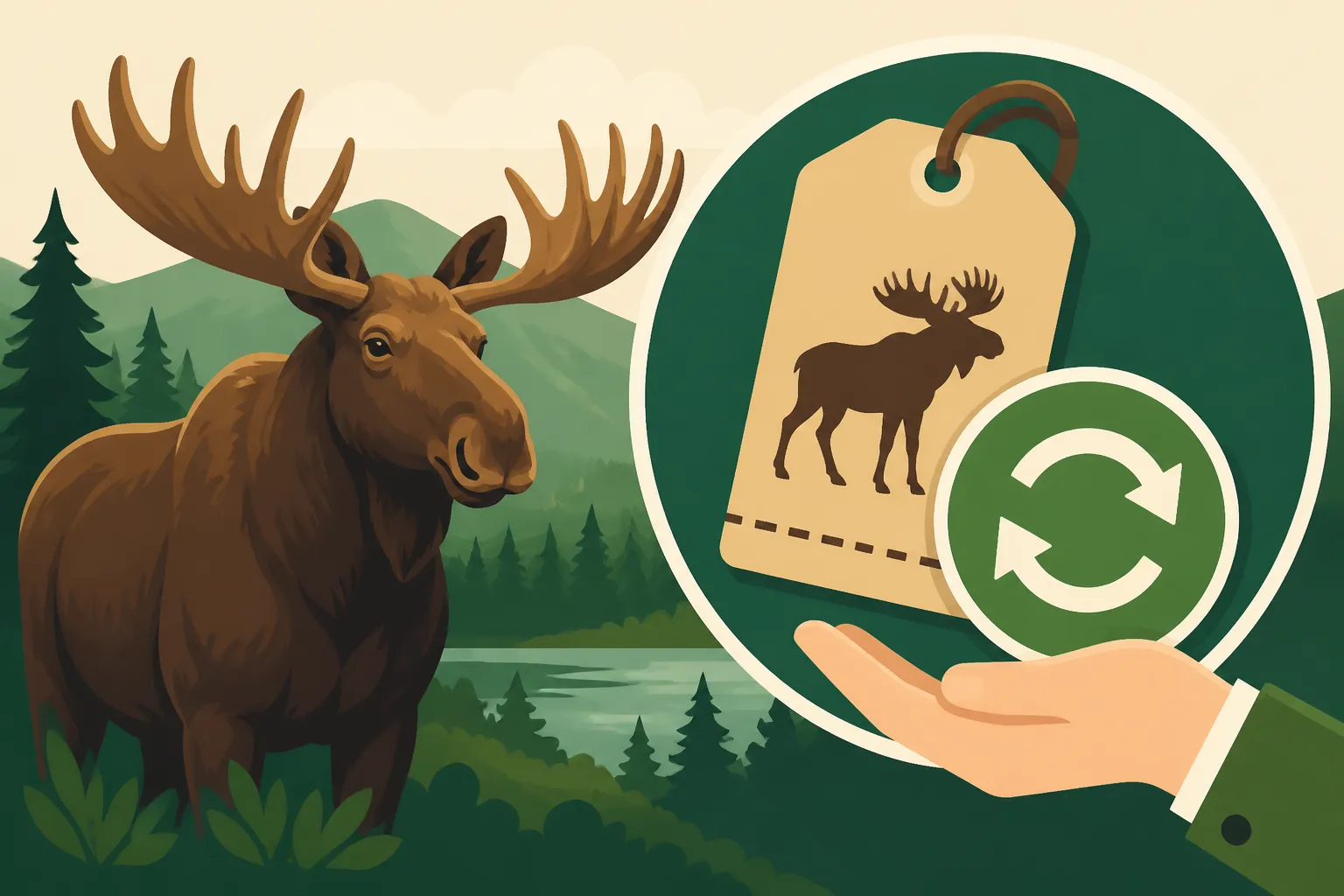
When it comes to refunds for hunting licenses and permits, most state wildlife agencies, including Vermont Fish & Wildlife, operate under very strict guidelines. The Vermont moose tag refund policy is no exception; it’s designed to be robust against casual cancellations while allowing for truly exceptional circumstances. The general stance is that permits, once issued and paid for, are non-refundable.
Strict Conditions for Refunds
The Vermont Fish & Wildlife Department’s policy on moose permit refunds is explicit and quite firm. A refund for a drawn moose tag is generally not offered simply because your plans have changed or you've had a change of heart. The conditions under which a refund might even be considered are extremely narrow, often requiring documentation of a severe and unforeseen personal tragedy or medical emergency. We’re talking about situations like the death of the permit holder or a debilitating medical condition that makes hunting physically impossible, and even then, these circumstances typically need to occur before the hunting season commences. This isn't unique to Vermont; many states treat special permits with a similar level of finality once they are issued.
The "No Refunds for Change of Mind" Clause
It's a tough pill to swallow, but you can’t get a refund just because you can no longer make the hunt or decide it's not for you. Life happens, and schedules can shift dramatically, but the state treats the purchase of a moose permit as a definitive transaction for a limited, highly sought-after resource. The permit grants you the opportunity to hunt moose in a specific zone during a specific season, such as Hunting a Drawn Moose Zone in the Northeast Kingdom. It doesn’t guarantee success or flexibility in scheduling. Many dedicated hunters use detailed planning platforms like GoHunt to meticulously organize their hunts months in advance, often including contingency plans for travel and time off, precisely to avoid situations where a refund might be considered.
Key Deadlines and Documentation
Should an extraordinary circumstance genuinely arise that might qualify for a refund, time is absolutely of the essence. Any request for a refund must be made promptly and well in advance of the season opening. This typically means before the Vermont Moose Lottery Application Deadline for the initial application, and definitely before the start of the moose season itself if you’ve drawn a tag. You'll be expected to provide comprehensive documentation, such as official medical records or a death certificate, to substantiate your claim. The department reviews these on a case-by-case basis, and their decision is final. Delaying a request significantly diminishes any chance of approval, as the state needs ample time to potentially reallocate the permit or make other arrangements.
Common Scenarios and What to Expect
Let's walk through some typical situations that hunters might face and how they usually align with Vermont’s moose tag refund policy. It’s important to manage expectations, as the policy is designed to uphold the integrity of the limited permit system.
Illness or Injury Pre-Season
Imagine you've drawn that coveted permit, diligently planned your hunt, perhaps even started gathering specific gear for a Vermont Moose Hunt, and then, weeks before opening day, you suffer a serious injury or unexpected medical diagnosis that genuinely prevents you from hunting. This is one of the very few scenarios where a refund might be considered. However, the bar is set high. You would need to provide official, verifiable medical documentation from a licensed physician stating that you are medically unable to participate in the hunt. A minor sprain or a bad cold won't cut it. The illness or injury must be severe enough to render you truly incapacitated for the duration of the season. Even with robust documentation, the decision rests solely with the Vermont Fish & Wildlife Department, often after a thorough review.
Unexpected Travel or Work Conflicts
This is arguably the most common and heartbreaking reason hunters find themselves unable to use their drawn tags. A last-minute deployment, an unavoidable business trip, a major family emergency that requires extensive travel, or even just unforeseen work demands can derail carefully laid plans. Unfortunately, the state generally views these as personal scheduling conflicts. Because the moose permits are so limited and issued through a lottery, the responsibility falls on the hunter to ensure they can commit to the hunt dates once the permit is secured. While entirely understandable from a personal standpoint, these reasons typically do not meet the strict criteria for a refund under Vermont’s policy. The state cannot be expected to accommodate every individual’s fluctuating personal or professional calendar for such a limited resource.
Not Finding a Moose During the Hunt
Let’s be realistic: hunting is not always about filling a tag. Sometimes, despite all your scouting, preparation, and effort, a moose simply doesn't materialize, or you don't get a shot opportunity. This is the inherent nature of hunting, especially for a challenging species like moose in Vermont’s rugged terrain. A moose permit grants you the privilege to hunt, not a guarantee of harvesting an animal. Therefore, an unsuccessful hunt is absolutely not grounds for a refund. The state has provided the opportunity as promised, and the outcome of the hunt rests on a multitude of factors, many of which are beyond anyone's control.
Here’s a quick overview of common refund scenarios:
| Scenario | Refund Likely? | Conditions/Notes |
|---|---|---|
| Death of Permit Holder | Yes | Requires official documentation (death certificate). |
| Debilitating Illness/Injury Pre-Season | Possible | Requires extensive medical documentation from a licensed physician, subject to review. |
| Unexpected Work/Travel Conflict | No | Generally considered a personal scheduling issue, not covered. |
| Change of Mind / Decided Not to Hunt | No | Permits are issued for the opportunity, not on a whim. |
| Unsuccessful Hunt | No | Hunting success is not guaranteed; permit grants opportunity. |
| Lost or Stolen Permit | No | Treat permits like cash; replacement might be possible but not a refund. |
Alternative Options Beyond a Refund
Given the stringent refund policy, it's wise for hunters to consider what other options might be available, even if they don't involve getting your money back. Understanding these alternatives can help manage the disappointment of an unusable tag.
The Non-Transferable Nature of Permits
One of the most common questions, and a natural thought when you can't go, is whether you can just transfer your permit to a friend or family member. Unfortunately, Vermont moose permits are almost universally non-transferable. The permit is issued to a specific individual based on the lottery draw, and that person’s name is linked directly to that specific tag. You cannot legally give or sell your permit to someone else. This is a crucial rule to prevent a black market for permits and to maintain fairness in the lottery system, which is intended to give everyone an equal shot at a permit, as discussed in Vermont's Moose Permit Lottery. Any attempt to transfer or use a permit by someone other than the designated holder could result in serious legal penalties, including fines and loss of future hunting privileges.
Considering Permit Insurance
While the state of Vermont doesn't offer "refund insurance," a growing number of private insurance companies and hunting organizations have begun to offer third-party hunt cancellation or trip interruption insurance. This is a separate financial product, completely independent of the state wildlife agency. Such policies are designed to cover a range of unforeseen events, from medical emergencies and travel cancellations to job loss, which could prevent you from going on your hunt. If you're someone who is consistently worried about investing in a high-cost, limited-entry tag like a moose permit, exploring these private insurance options might offer peace of mind. Platforms that cater to serious hunters, like GoHunt, often have resources or forums where hunters discuss these types of insurance options, providing insights into different providers and policy coverages. It's a proactive step many hunters take to protect their investment, understanding that the state's refund policy is extremely limited.
Donating Your Tag
If a refund isn't possible and you absolutely cannot use your permit, one selfless option is to simply let the tag expire unused. While it won't get you your money back, it ensures that the moose population in your designated WMU isn't over-harvested by an additional hunter, especially important with ongoing management efforts related to Vermont's Winter-Tick-Driven Moose Permit Strategy. Sometimes, knowing that you're still contributing to sound wildlife management, even in disappointment, can offer a small measure of solace. You might also consider informing the Vermont Fish & Wildlife Department if you know you won't be using your tag, though this doesn't guarantee any change or refund for you. It's simply an act of good sportsmanship within the hunting community. Ultimately, a drawn tag is a privilege, and even if unused, it represents a limited allocation toward the overall management goals for Vermont’s moose herd, which currently has Vermont's Eighty-Five 2026 Moose Permits allocated.
Disclaimer
This article is intended for informational purposes only and does not constitute legal advice. Hunting regulations and policies are subject to change. Always consult the most current Vermont Fish & Wildlife Department regulations and official guides for precise and up-to-date information regarding hunting licenses, permits, and refund policies.