Vermont’s Place on the Atlantic Flyway
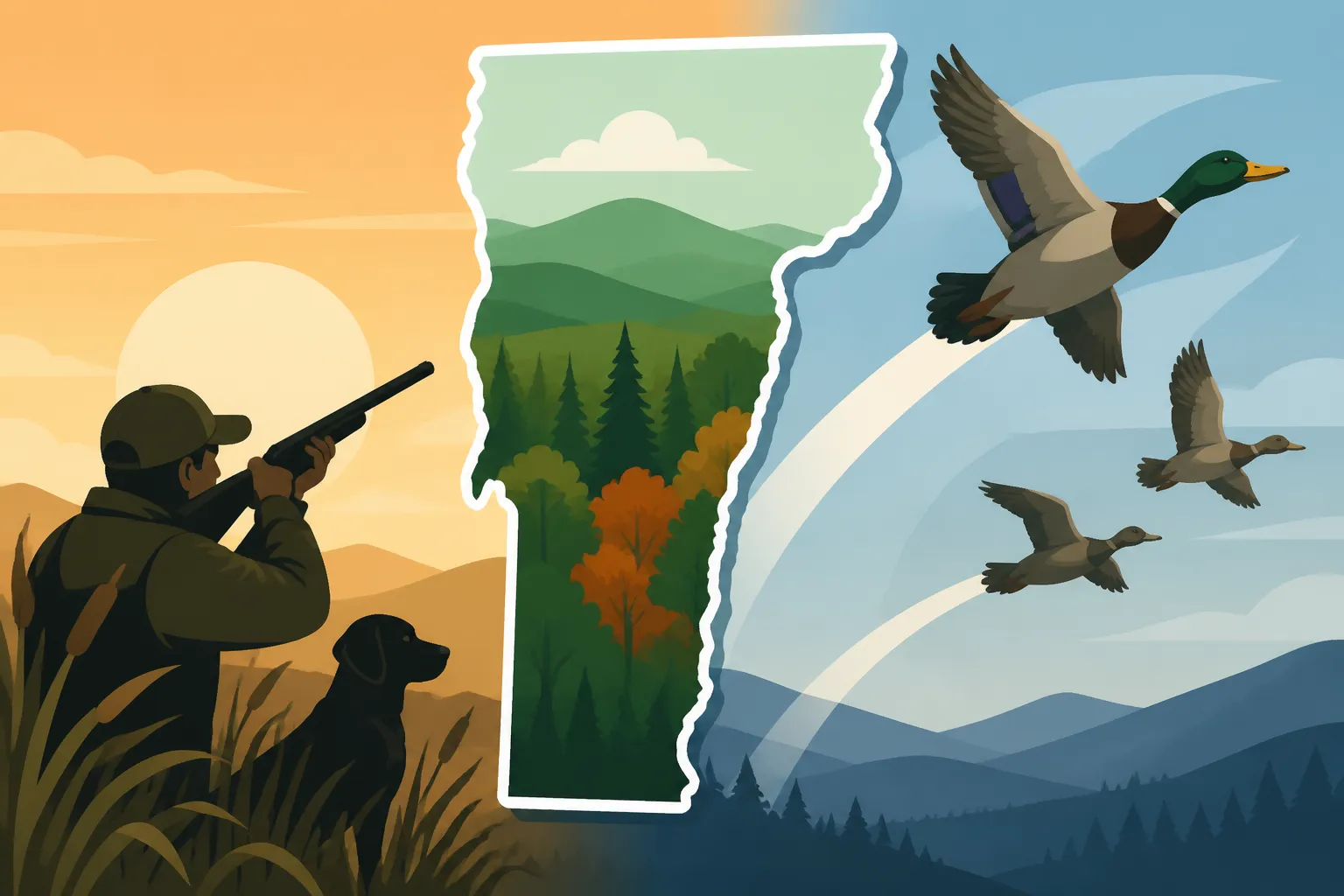
For many hunters in Vermont, the pursuit of waterfowl can often feel like a constant battle against the elements and unpredictable bird movements. We’ve all stood in a cold marsh, wondering when the flight will truly arrive, or if the birds we’ve seen are merely passing through. It's easy to get frustrated by volatile weather patterns, early freeze-ups, or the sheer vastness of water to cover. This comprehensive guide aims to demystify Vermont's crucial position on the Atlantic Flyway, helping you understand the migratory paths, key species, and best strategies to put more ducks and geese in your bag.
Understanding the Atlantic Flyway and Vermont’s Geographic Position
When we talk about waterfowl, the concept of a "flyway" is absolutely fundamental. It’s not just a casual term; it represents a major north-south migratory corridor, like an invisible highway in the sky, that ducks, geese, and other migratory birds follow between their breeding grounds in the north and their wintering habitats further south. Vermont, nestled within the broader framework of the Atlantic Flyway, plays a surprisingly significant and dynamic role in this grand migration.
Defining the Atlantic Flyway
The Atlantic Flyway stretches from the Arctic tundra of Canada and Alaska, down the entire eastern seaboard of North America, all the way to the Caribbean and South America. It’s one of four major flyways on the continent, each a vital artery for millions of birds. This vast network encompasses a diverse range of habitats, from boreal forests and wetlands where many birds breed, through agricultural fields and large inland lakes that serve as critical staging areas, to coastal marshes and estuaries where they spend their winters. For a duck or goose, the flyway isn’t just a path; it's a lifeline, dictating their movements, food sources, and even survival. Understanding this immense scale helps us appreciate why a cold front in Quebec can have a direct impact on the bird numbers we see down here in Vermont just a few days later.
Vermont’s Unique Geographic Role
While Vermont might be a landlocked state for the most part, its western border is defined by Lake Champlain, a colossal freshwater lake that acts as a major migration funnel. To the east, the Connecticut River serves as another significant corridor for birds traveling north and south. In between, the Green Mountains rise, creating a varied landscape of smaller rivers, scattered wetlands, farm ponds, and agricultural fields that offer crucial stopover and feeding opportunities. This combination of major water bodies and diverse inland habitats makes Vermont a vital resting and refueling point for a tremendous variety of waterfowl on their long journey. Many birds use these features as distinct navigation points, following the contours of the land and water as they travel, making certain areas predictable hotspots if you know what to look for. You might be surprised at how many birds pass through or linger in a seemingly small Vermont marsh.
Historical Context of Waterfowl Migration
The patterns of waterfowl migration across what we now call the Atlantic Flyway are not new; they've been unfolding for millennia, shaped by geological changes, climate cycles, and the availability of food and safe breeding grounds. Indigenous peoples along these routes have long observed and relied upon these migrations. Early European settlers also quickly recognized the abundance of game birds passing through. Over centuries, these patterns have evolved, sometimes subtly, sometimes dramatically, in response to human activities like habitat alteration, agricultural expansion, and, more recently, climate change. Understanding this history helps us appreciate the resilience of these birds, but also the delicate balance that conservation efforts strive to maintain. Even with modern mapping tools like GoHunt, the core migratory instincts of these birds remain tied to these ancient routes.
Key Waterfowl Species in Vermont’s Flyway
Vermont sees an impressive array of waterfowl species pass through, each with its own preferred habitats, diets, and migratory timing. Knowing which birds to expect, and where, is half the battle when planning your hunt. While some are just passing through, others will linger, especially if food and open water are plentiful.
Ducks of the Vermont Flyway
The duck species that grace Vermont’s waters are incredibly diverse, offering varied hunting opportunities.
- Mallards: Arguably the most common and recognizable duck, mallards are ubiquitous in Vermont, found on everything from Lake Champlain to small farm ponds and flooded timber. They're dabbling ducks, preferring shallower waters where they can tip to feed. You'll find a strong resident population, augmented by waves of migratory birds from Canada starting in mid-fall.
- Black Ducks: These dark, shy ducks are often found in similar habitats to mallards but tend to prefer more secluded, brackish, or wilder waters. They are highly prized by hunters for their wariness and excellent table fare. Vermont sees a good number of migratory black ducks, especially during the colder pushes of October and November.
- Wood Ducks: With their stunning plumage, wood ducks are an early season favorite. They prefer wooded swamps, beaver flowages, and small, timbered creeks. Many wood ducks are locally bred, and they tend to migrate south relatively early, often by late October, making the September and early October seasons prime for these colorful birds. Their distinctive "woo-eek" call is a hallmark of a Vermont dawn in the marsh.
- Green-winged Teal and Blue-winged Teal: These are the smallest North American dabbling ducks. Blue-wings are early migrants, often moving through Vermont in September, offering fast-paced shooting. Green-wings follow later, often in October, and can be found in similar shallow water habitats, particularly where muddy edges and emergent vegetation provide abundant food.
- Ring-necked Ducks: A common diving duck in Vermont, particularly on larger ponds and the quieter bays of Lake Champlain. They often arrive in October and can provide excellent action, particularly if you're set up on a deeper pond or lake where they prefer to feed on aquatic vegetation.
- Common Mergansers: These large, fish-eating diving ducks are often seen on larger rivers and lakes. While not typically sought after for their meat, they are a strong presence on Vermont waters and offer a striking sight, especially as they congregate in larger numbers during migration.
Geese: Canada and Snow Geese
Geese also form a significant component of Vermont's waterfowl picture, bringing different hunting challenges and rewards.
- Canada Geese: Vermont hosts both a healthy resident population and a substantial number of migratory Canada geese. The resident birds can be found throughout the state, often frequenting agricultural fields for grazing. Migratory geese arrive in waves from the far north, with peak numbers often occurring in late October and November. These birds offer fantastic field hunting opportunities, especially in the Champlain Valley, if you can get permission from landowners. Understanding the difference between resident and migratory flocks can be key to success, as their patterns and wariness can differ. Learning to distinguish their calls and flight patterns is crucial.
- Snow Geese: The sight of a massive flock of snow geese descending into a field is truly one of nature's great spectacles. While not as consistently present as Canada geese, Vermont does see good numbers of snow geese during their spring and fall migrations, particularly in the Champlain Valley. They are often seen in huge, noisy flocks, offering a unique hunting experience. Their numbers can be unpredictable, depending on weather and food sources, but when they hit an area, it's an event not to be missed. Watching a thousand white birds twisting against a grey sky is an unforgettable experience for any hunter.
Other Migratory Birds
Beyond the primary game species, the Atlantic Flyway through Vermont is also a corridor for a host of other fascinating migratory birds, underscoring the ecological richness of our state. While not targeted by hunters, their presence highlights the health and connectivity of the flyway. For instance, the majestic Tundra Swans occasionally pass through, their long necks and graceful flight a stark contrast to the more common ducks and geese. Various shorebirds, from sandpipers to plovers, also utilize Vermont's wetland and mudflat habitats during their incredible journeys. Even though they're not on the hunting roster, their movements are often tied to the same weather fronts and habitat conditions that influence our target species, offering valuable clues about the broader migratory picture. Observing these non-game species can deepen our appreciation for the intricate natural world we immerse ourselves in as hunters.
Vermont’s Major Waterfowl Hunting Zones
Vermont’s Department of Fish & Wildlife has carved the state into three distinct waterfowl zones, each with its own characteristics, regulations, and hunting opportunities. These zones are designed to better manage hunting pressure and align seasons with the distinct migratory patterns and habitat availability across different regions. Understanding these boundaries and their unique features is absolutely critical for any waterfowl hunter in Vermont.
Lake Champlain Zone
The Lake Champlain Zone is, without a doubt, Vermont's premier waterfowl destination. This massive lake, spanning over 120 miles north to south, acts as a gigantic magnet for migratory birds. It offers an incredible diversity of habitats, from shallow bays choked with wild rice and emergent vegetation to deep, open water where diving ducks congregate. The zone's proximity to the Canadian border means it often sees the first pushes of northern birds. Hunters here often focus on decoying ducks on Lake Champlain in the vast marshes and shallow water sections, or pass-shooting geese over agricultural fields on the surrounding lowlands. The sheer size of the lake can be daunting, but it also means there are endless opportunities for those willing to scout and brave the elements.
| Feature | Lake Champlain Zone | Interior Zone | Connecticut River Zone |
|---|---|---|---|
| Primary Water | Lake Champlain, its bays, tributaries, and associated marshes | Numerous small lakes, ponds, rivers, and beaver flowages | Connecticut River and its oxbows, floodplains, and adjacent fields |
| Key Species | Mallards, Black Ducks, Wood Ducks, Ring-necks, diverse diving ducks, Canada Geese, Snow Geese | Wood Ducks, Mallards, Green-winged Teal, Canada Geese | Mallards, Black Ducks, Canada Geese, some diving ducks |
| Hunting Style | Decoying over water, layout blind field hunting, jump shooting | Jump shooting, small decoy spreads on ponds/flowages | Pass shooting, field hunting, jump shooting |
| Migration | Heavy use by all migratory waves, crucial staging area | Relies on smaller flights, local birds, early migrants | Significant corridor for geese and river ducks |
| Season | Often has a split season to accommodate migration timing | Generally consistent season dates | Generally consistent season dates |
The Lake Champlain Zone offers incredibly varied hunting, from setting up a massive spread for divers in a big bay to quietly jump-shooting a small creek entering the lake. Its influence on duck migration timing through Vermont cannot be overstated, and hunters often find that this zone maintains open water longer into the late season, providing opportunities even when other areas have frozen solid.
Interior Zone
The Interior Zone covers the vast majority of inland Vermont, away from the two major river systems. This zone is characterized by its numerous smaller lakes, ponds, rivers, streams, and, crucially, a multitude of beaver flowages and natural wetlands scattered throughout the state. Here, the hunting tends to be a more intimate, boots-on-the-ground experience. Instead of expansive spreads on large water, hunters in the Interior Zone often focus on jump-shooting Vermont creeks or setting up small decoy rigs on secluded ponds. Wood ducks and local mallards are often the stars of the early season, with green-winged teal and migrating mallards filling in as the weather cools. Success in this zone often hinges on diligent scouting to find those hidden honey holes and understanding local bird movements. The advantage here is less hunting pressure compared to the open expanses of Champlain, and a chance to truly immerse yourself in the Green Mountain landscape.
Connecticut River Zone
The Connecticut River, forming Vermont's eastern border with New Hampshire, provides another vital migratory highway. The river itself, with its slow-moving currents, oxbows, and flooded timber, creates excellent habitat for both dabbling and diving ducks. The surrounding floodplains and agricultural fields are also highly attractive to geese. Hunters in this zone often find success pass-shooting geese on the Connecticut River, especially when birds are moving between feeding and roosting areas. Jump-shooting ducks along the riverbanks and setting up small decoy spreads in quieter backwaters are also effective tactics. Like the Lake Champlain Zone, the Connecticut River can remain open later into the season than many smaller interior waters, extending hunting opportunities when winter starts to bite. The dynamic nature of a large river system means water levels and currents can change daily, requiring adaptability and a keen eye for finding protected pockets where birds will rest and feed.
Migration Patterns and Peak Hunting Times
Understanding the pulse of the migration is perhaps the most challenging, yet rewarding, aspect of waterfowl hunting in Vermont. It’s a dance dictated by weather fronts, food availability, and the ancient urge of birds to move. While no two seasons are exactly alike, there are general patterns that experienced hunters learn to anticipate.
Early Season Arrivals and Local Birds
The Vermont waterfowl season typically kicks off in September, and this early window is primarily focused on resident birds and the first waves of early migrants. Local mallards, hatched and raised right here in Vermont, are often the backbone of the early season bag. However, the true stars of September are often the wood ducks and blue-winged teal. These species are among the earliest to head south, and their presence makes the initial weeks of the season incredibly exciting. You'll find wood ducks in wooded swamps and beaver ponds, and blue-wings often on smaller, shallow ponds or muddy edges of larger lakes. The key to success early on is often scouting your local waters well before the season opens, identifying feeding areas, and being ready to capitalize on those first few cool mornings that push birds around. Remember, during this time, many birds are still in their summer patterns, so focusing on food sources like wild rice, smartweed, and aquatic insects is paramount.
Mid-Season Main Migration Push
As October progresses into November, Vermont experiences what many consider the heart of the waterfowl migration. Colder temperatures and strong north winds in Canada trigger massive movements of birds down the Atlantic Flyway. This is when hunters see a dramatic influx of new ducks and geese. Species like black ducks, green-winged teal, ring-necked ducks, and canvasbacks start showing up in greater numbers on Vermont's larger water bodies. The arrival of these "new" birds often brings a fresh wave of excitement and more aggressive decoying behavior, as they are often less pressured than local birds. This is also the prime time for migratory Canada geese to descend upon the Champlain Valley, offering superb field hunting opportunities. Tracking these cold fronts using weather apps and even looking at regional migration reports on platforms like GoHunt can give you a crucial edge, helping you predict when the big push is about to hit. The saying "north winds bring northern birds" holds especially true during this mid-season window.
Late Season Freeze-Out and Wintering Birds
As December arrives and the colder temperatures truly set in, many of Vermont’s smaller ponds and shallow marshes begin to freeze solid. This "freeze-out" period is a critical phase for waterfowl hunters. It concentrates birds onto the remaining open water, particularly Lake Champlain and sections of the Connecticut River that resist freezing. This can lead to incredible late-season hunting, but it also demands adaptability. Birds become more wary, and finding accessible open water becomes the primary challenge. Diving ducks often become more prominent during this time, as they can utilize deeper, open water sections. While many birds continue their journey south, some hardy individuals will attempt to winter in Vermont, particularly on Lake Champlain if enough open water and food sources remain. This late season can be brutally cold, but for those willing to brave the elements, it can offer some of the most memorable hunts, often involving bigger, mature birds. Understanding how to scout for late-season food sources for Vermont whitetails also applies to waterfowl, as many species will shift their diets to available grains in agricultural fields adjacent to open water.
Habitat and Conservation Efforts
Vermont’s vibrant waterfowl hunting opportunities are not a mere coincidence; they are a direct result of decades of dedicated habitat management and conservation efforts. Hunters often overlook the critical role they play in this ongoing success, but our contributions are fundamental to maintaining healthy bird populations and the places they call home.
Wetland Restoration and Protection
The cornerstone of waterfowl conservation is undoubtedly wetland restoration and protection. Wetlands, often dismissed as unproductive swamps in the past, are now recognized as ecological powerhouses. They provide crucial breeding, nesting, feeding, and resting habitat for countless species, including all types of waterfowl. In Vermont, efforts range from large-scale projects like those undertaken in the Missisquoi National Wildlife Refuge, which protects extensive marsh systems along Lake Champlain, to smaller initiatives by private landowners and conservation groups to restore drained agricultural wetlands or enhance existing ones. These projects involve everything from manipulating water levels to planting native vegetation, all aimed at creating the optimal environment for ducks and geese. Without these sustained efforts, many of the prime hunting spots we enjoy today simply wouldn't exist. Groups like Ducks Unlimited have been instrumental in advocating for and funding these vital projects across the state, working hand-in-hand with state agencies.
Role of State and Federal Agencies
The Vermont Fish and Wildlife Department and the U.S. Fish and Wildlife Service (USFWS) are the primary stewards of waterfowl resources in the state. These agencies are responsible for monitoring bird populations, conducting scientific research, setting hunting regulations, and managing critical habitats. They conduct aerial surveys to estimate duck and goose numbers, monitor nesting success, and track migration patterns. This data-driven approach ensures that hunting seasons and bag limits are biologically sound and sustainable. Furthermore, the USFWS manages federal lands, such as the Missisquoi National Wildlife Refuge, which provides vital sanctuary and managed hunting opportunities. The Vermont Fish and Wildlife Department also manages numerous Vermont Wildlife Management Areas (WMAs), many of which are specifically managed to enhance waterfowl habitat through dike construction, water level manipulation, and food plot plantings. These efforts are crucial for the long-term health of our waterfowl populations.
Hunter Contributions to Conservation
It's a point of pride that hunters are among the most dedicated conservationists, and this is especially true for waterfowl. Every time a hunter purchases a Vermont Migratory Bird Stamp or a Federal Duck Stamp, those funds go directly to wetland acquisition and restoration projects. In fact, a significant portion of conservation funding across North America comes directly from hunters through license fees, excise taxes on firearms and ammunition (Pittman-Robertson Act), and stamp purchases. Organizations like Ducks Unlimited, founded by hunters, have invested millions of dollars and countless hours into restoring and protecting wetland habitats. These contributions are not just about ensuring future hunting opportunities; they are about preserving entire ecosystems that benefit a vast array of wildlife, clean our water, and mitigate floods. So, when you're out there on a cold morning, remember that your participation in hunting directly supports the very habitat that brings those birds to your decoy spread.
Challenges and Future Outlook for Vermont Waterfowl
While Vermont's place on the Atlantic Flyway is robust, and conservation efforts are ongoing, waterfowl populations face a myriad of challenges. Understanding these pressures is key to ensuring that future generations can enjoy the same rich hunting heritage we do today.
Climate Change Impacts
Climate change presents one of the most significant and complex threats to waterfowl. Warmer winters in Vermont and further north can disrupt traditional migration patterns, leading birds to "short-stop" their migrations, meaning they don't fly as far south as they once did. This can result in localized overpopulation, increased disease transmission, and less robust populations reaching traditional wintering grounds. Altered precipitation patterns can lead to more frequent droughts or floods, drastically affecting wetland availability and food production at critical times of the year. For instance, an unseasonably warm spell in October might delay the main migration push, while an early freeze could catch birds unprepared. These shifts create unpredictable conditions for hunters and stress for the birds themselves, demanding adaptive management strategies from wildlife agencies.
Habitat Loss and Degradation
Despite dedicated conservation efforts, habitat loss and degradation remain a persistent threat. Urban and suburban sprawl continues to encroach on vital wetland and agricultural areas. Intensive agricultural practices, while providing some food sources, can also lead to nutrient runoff that degrades water quality in rivers and lakes, affecting the aquatic plants and invertebrates that waterfowl rely on. Development along shorelines reduces crucial nesting and brooding cover. Even small changes in water quality or the presence of invasive species can alter an entire wetland ecosystem, making it less suitable for migrating birds. Safeguarding existing habitats and actively restoring degraded ones is a continuous battle against these pressures. Utilizing tools like GoHunt to identify and protect critical habitat before development occurs is becoming increasingly important.
Disease and Other Pressures
Waterfowl are susceptible to various diseases, some of which can have devastating impacts on populations. Avian influenza, for example, can spread rapidly through dense flocks, leading to significant mortality. While many hunters are already aware of the importance of non-toxic shot, lead poisoning from ingested sinkers or shot can still be an issue in some older, unmanaged areas. Predation, particularly on nests and young birds, also plays a role in population dynamics, especially in fragmented habitats where predator populations might be higher. Furthermore, the increasing human presence in outdoor spaces can lead to disturbance, pushing wary birds away from preferred resting and feeding areas. All these factors combine to create a complex web of challenges that wildlife managers and conservationists must navigate to ensure the long-term health and abundance of Vermont’s waterfowl resources.
Conclusion: Embracing Vermont’s Waterfowl Future
Vermont's place on the Atlantic Flyway is a testament to its diverse landscapes and the tireless efforts of conservationists and hunters alike. From the vast expanse of Lake Champlain to the intimate beaver flowages of the Interior Zone and the storied Connecticut River, our state offers a rich tapestry of waterfowl hunting experiences. While challenges like climate change and habitat loss loom large, the collective dedication to wetland restoration, science-based management, and the financial contributions of hunters provide a strong foundation for the future. By understanding the intricate migration patterns, respecting the critical habitats, and continuing our active role in conservation, we can ensure that the skies over Vermont will continue to be filled with the sights and sounds of migratory ducks and geese for generations to come. So next time you're out in the marsh, remember you're not just hunting; you're participating in a timeless tradition and contributing to the very wildness that draws us all outdoors.
Disclaimer
Please remember that hunting regulations, seasons, and licensing requirements can change. Always consult the most current Vermont Fish & Wildlife Department regulations before planning any hunting trip. This guide is for informational purposes and does not replace official legal requirements.