Deer Meat Yield From a Vermont Buck
It's a question every hunter has pondered, often while staring at a majestic Vermont buck on the ground: just how much delicious venison will this animal actually yield? The truth is, it's not a simple one-size-fits-all answer, and many factors can influence the final freezer count, leading to both pleasant surprises and sometimes, a little disappointment. This guide is here to demystify the deer meat yield from a Vermont buck, walking you through what to expect, how to maximize your take-home, and what influences that final weight.
Understanding the Factors That Influence Venison Yield
When you're dreaming of steaks, roasts, and burger from your Vermont buck, it's easy to just picture a large, impressive animal translating into a freezer full. However, several critical factors come into play long before the meat hits your butcher block. These elements dictate everything from the overall quantity to the quality of the venison you'll ultimately enjoy.
Live Weight Versus Field Dressed Weight
One of the most common points of confusion for hunters is the difference between a deer's live weight and its field-dressed weight. Imagine you've just taken down a beautiful buck on a crisp November morning in the Green Mountains. Its live weight, the weight of the animal as it stood, includes all its internal organs, blood, hide, and skeletal structure. This is often the impressive number you hear hunters bragging about, but it's not what goes to the butcher or the scale after you've done the initial work.
Once you've field-dressed the animal – meaning you've removed the internal organs – you've shed a significant amount of weight. This process is crucial for cooling the carcass and preserving meat quality, especially if you're Field Dressing a Deer in Cold Weather. The heart, lungs, liver, and digestive tract collectively account for a substantial portion of the deer's live weight, typically between 20-30%. So, a 180-pound live weight buck might easily drop to 130-140 pounds field-dressed. This field-dressed weight is the more accurate starting point for estimating your boneless meat yield, as it's the weight of the carcass you're primarily working with. Knowing this distinction helps manage expectations and gives you a clearer picture of what to anticipate.
Shot Placement and Carcass Damage
The ethical hunter always strives for a clean, quick kill, and precise shot placement isn't just about humane harvesting; it's also a major factor in meat yield. A well-placed shot, typically through the vital organs like the heart and lungs, causes minimal damage to the prime meat cuts. This means less bloodshot meat to trim away, resulting in a higher usable yield. Ideally, the bullet or arrow passes through the chest cavity, leaving the shoulders, backstraps, and hindquarters largely intact.
Conversely, a shot that hits major muscle groups, such as the shoulders or hindquarters, can cause extensive bloodshot damage. This bloodshot meat, saturated with blood and often bruised, must be trimmed and discarded during processing to ensure quality and taste. Even a gut shot, while less damaging to the primary muscle groups, can introduce unwanted bacteria into the cavity if not handled quickly and carefully, potentially spoiling significant portions of the meat if not promptly cleaned. Therefore, the care taken in making that shot directly translates to how much venison you can put in the freezer.
Age, Sex, and Overall Health of the Deer
Not all deer are created equal, and the individual characteristics of your Vermont buck will play a role in its meat yield. Older, more mature bucks, especially those that have survived several seasons, tend to have more developed musculature and denser bones, often translating to a higher overall weight and potentially more meat. However, if an older buck is past its prime or has been stressed by a tough winter, it might actually yield less meat relative to its frame.
The overall health of the deer is also paramount. A healthy, well-fed buck, especially one harvested after a good acorn year, will generally have more fat reserves and well-developed muscles compared to a deer that has struggled with malnutrition or disease. While Vermont's deer herd is generally healthy, especially when considering Handling Venison From a Healthy Herd, environmental factors can always play a role. A robust animal means more muscle to harvest. While you can't control the deer's life history, understanding these factors helps temper your expectations when you're admiring a mature, healthy animal versus a younger, leaner one.
Estimating Your Boneless Venison Yield
Once you've successfully harvested your buck, performed a clean field dress, and are ready for processing, the next big question looms: how much actual, boneless meat can you expect? This is where the rubber meets the road, and while exact figures vary, there are some reliable guidelines to help you predict your freezer's bounty.
The General Rule of Thumb
A good starting point for estimating boneless meat yield from a deer is to aim for approximately 30-40% of the live weight, or about 50-60% of the field-dressed weight. This percentage accounts for the removal of the hide, bones, and any fat or bloodshot meat that needs to be trimmed during the butchering process. For example, a 150-pound live weight buck that field-dresses at 110 pounds would likely yield somewhere between 45 and 66 pounds of boneless meat. This range depends heavily on the factors we've already discussed: shot placement, the skill of the processor, and the general condition of the animal.
Remember, this isn't just about the sheer weight; it's about usable meat. You might end up with more if you're meticulous with trimming and utilize every scrap for grind, or less if there's significant bloodshot damage from a less-than-ideal shot. Professional butchers often have efficient methods that can sometimes maximize this yield slightly compared to an inexperienced home processor, simply due to their speed and precision.
Yield Differences by Deer Size
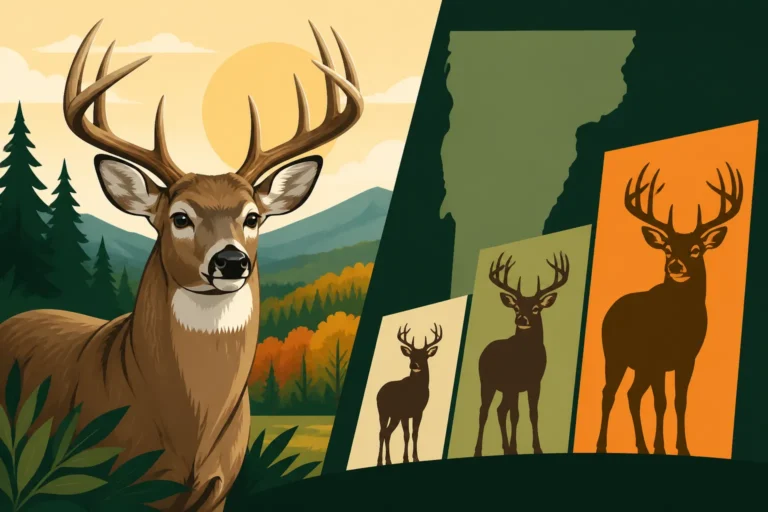
The size of your Vermont buck will naturally be the biggest indicator of your potential yield. A younger, smaller buck, perhaps a spike or a fork horn, will yield considerably less than a mature, heavy-bodied ten-pointer. Here's a general table illustrating potential boneless meat yields based on estimated live weight:
| Estimated Live Weight (lbs) | Estimated Field Dressed Weight (lbs) | Estimated Boneless Meat Yield (lbs) | Notes |
|---|---|---|---|
| 100-120 | 70-90 | 30-45 | Younger deer, less muscle mass, often leaner. |
| 121-150 | 90-110 | 40-55 | Average-sized Vermont buck, good general yield. |
| 151-180 | 110-130 | 50-65 | Larger, mature bucks, typically well-muscled. |
| 181-200+ | 130-150+ | 60-80+ | Older, heavier bucks, especially from fertile areas like the Champlain Valley. |
These numbers are approximations, of course, but they give you a realistic expectation. A significant portion of Vermont's Deer Harvest Records often show bucks in the 120-160 pound range, so most hunters will fall into the middle two categories for yield. Keep in mind that older, heavier bucks can sometimes yield slightly less proportionally if they carry more fat that needs trimming or if their musculature is tougher.
How Different Cuts Affect Total Weight
When we talk about "boneless meat," we're not just talking about ground venison. Your buck will provide a variety of cuts, each contributing to the total yield in its own way. The prime cuts, like the backstraps (loins) and tenderloins, are highly prized but constitute a relatively small portion of the overall yield. They are often taken as whole roasts or thick steaks.
The hindquarters and shoulders provide larger muscle groups that can be processed into roasts, steaks (like sirloin or round steaks), stew meat, or more commonly, ground venison. Often, a hunter might choose to process much of the shoulder meat and some of the hindquarter trim into ground meat, which is fantastic for burgers, chili, or shepherd's pie. Ribs sometimes provide a small amount of usable meat, and neck meat is excellent for slow cooking or grinding. The decisions you make when Butchering a Deer at Camp – whether to meticulously de-bone every muscle for roasts or run more through the grinder – will ultimately impact the final breakdown of your yield, even if the total boneless weight remains constant.
Maximizing Your Venison Yield
No hunter wants to see good meat go to waste. Maximizing the venison yield from your Vermont buck isn't just about getting more food for your table; it's about respecting the animal and making the most of your successful hunt. From the moment the deer is down to the time it's packaged in your freezer, every step can either preserve or diminish your take-home.
Proper Field Dressing and Cooling
The immediate actions you take after a successful harvest are paramount. As soon as the deer is down and you've confirmed it's expired, get to work on field dressing. This involves removing the internal organs quickly and cleanly. The goal is to rapidly cool the carcass, especially in Vermont's variable fall temperatures. If you're hunting in warmer early archery season conditions, swift action is even more critical to prevent bacterial growth that can spoil meat. Even in colder weather, proper cooling is essential for good meat quality.
Once field-dressed, prop the cavity open if possible to allow air circulation. If you can, hang the deer, head up or down, to further facilitate cooling and allow any remaining blood to drain. This process helps ensure that the meat cools down evenly and prevents souring. If you're on public land and have to Drag a Deer Out of a Steep Ravine, try to do so without further damaging the carcass, as rough handling can create more bloodshot areas. The faster and more effectively you can cool that carcass, the better the quality and yield of your venison.
Skinning and Butchering Techniques
The way you skin and butcher your deer can have a direct impact on how much usable meat you recover. A careful and methodical approach to skinning minimizes damage to the underlying muscle tissue. Avoid slicing into the meat itself, and try to keep the hide clean to prevent hair contamination. Once skinned, the real work of butchering begins.
Whether you take your deer to a professional processor or decide to tackle Butchering a Deer at Camp yourself, precision matters. Removing the bones cleanly, trimming away silver skin, fascia, and any bloodshot areas without taking too much good meat is an art form. Learning to identify the different muscle groups allows you to separate them into logical cuts like roasts, steaks, and stew meat, while the trimmings can be reserved for grinding. Utilizing mapping apps or platforms like GoHunt that sometimes offer anatomical overlays can even help you visualize these cuts before you get started, making the process smoother and more efficient, ultimately leading to a higher yield of quality meat.
Aging and Storage for Optimal Quality
Once butchered, proper aging and storage are the final steps in maximizing your venison experience. Aging refers to allowing the meat to hang in a controlled, cool environment for a period of time after butchering. This process, often done by professional processors, allows enzymes in the meat to break down muscle fibers, resulting in a more tender and flavorful product. While it's more common for beef, some hunters choose to age venison, especially in controlled cold conditions where Aging Venison in Cold Weather is feasible.
After aging (or immediately after butchering if you choose not to age), the meat should be packaged properly for storage. Vacuum sealing is the gold standard, as it removes oxygen and prevents freezer burn, which can degrade meat quality over time. If vacuum sealing isn't an option, tightly wrapping meat in freezer paper, followed by a layer of heavy-duty aluminum foil, can also work well. Label everything with the cut and date to ensure you use older packages first. Proper storage not only preserves the quality but also prevents spoilage, ensuring that every pound of that hard-earned venison remains delicious until you're ready to cook it. Thinking about the full cycle, from scouting deer with tools like GoHunt to the final packaging, helps ensure you get the most from your hunt.
Practical Considerations for Transport and Processing
Getting your buck from the field to the freezer involves more than just field dressing and butchering; it includes crucial logistical steps that, if mishandled, can compromise all your hard work. Transporting the carcass and making decisions about professional versus home processing are vital to preserving meat quality and maximizing your yield.
Transporting Your Deer Safely
After the shot and the field dress, the next challenge is often getting your deer out of the woods and to your processing location. This can range from a relatively easy drag across open land to an arduous journey through dense timber or up a steep slope. If you're hunting in remote areas, for instance, in parts of the Green Mountain National Forest where you might be Still-Hunting Green Mountain National Forest Timber, you might be a long way from any vehicle. The way you transport your deer significantly impacts meat quality, especially in warmer weather.
Always prioritize getting the deer cooled down and off the ground as quickly as possible. If you must transport it in the bed of a truck, keep it out of direct sunlight and consider covering it with a tarp, ideally one that allows for air circulation while keeping bugs away. Never transport a deer directly on a hot engine hood or in a sealed trunk, as this rapidly raises the internal temperature and can lead to spoilage. For longer hauls, especially if temperatures are above freezing, ice can be placed in the body cavity to aid cooling, though care must be taken to ensure the cavity stays clean and dry to prevent waterlogging. Planning your extraction route and having appropriate gear, like a game cart or sled, can make this process much smoother and minimize stress on the carcass.
Choosing Between Professional Processor and DIY Butchering
Deciding whether to take your buck to a professional wild game processor or to butcher it yourself is a personal choice with implications for both convenience and yield. A professional processor offers convenience and expertise. They have the right tools, knowledge, and facilities to efficiently break down the carcass, age the meat, and package it to your specifications (steaks, roasts, grind, sausage, etc.). This can be a huge time-saver and often results in a very clean, well-trimmed product with consistent quality. While there's a cost involved, many hunters find the value proposition compelling, especially after a successful hunt.
On the other hand, butchering your own deer at home offers immense satisfaction, complete control over the cuts, and can be more economical. It's a skill that many hunters value deeply. However, it requires dedicated time, the right tools (sharp knives, a meat saw, grinding equipment), and a clean, cool space. If you're new to it, you might find your initial yields slightly lower as you learn the ropes, with more trim or less perfectly shaped cuts. But with practice, you can become quite proficient. Whether you go pro or DIY, ensuring you have a clean workspace, the right tools, and an understanding of deer anatomy (which can be aided by online resources or even mapping tools like GoHunt that sometimes show anatomical overlays for other hunters) is key to a successful outcome.
Preventing Spoilage and Maximizing Freshness
The ultimate goal, of course, is to turn your Vermont buck into delicious, unspoiled venison. Preventing spoilage starts immediately after the kill. Rapid cooling is the single most important factor. Bacteria multiply quickly in warm environments, and a deer left uncooled will begin to spoil within hours, especially if temperatures are above 40°F (4°C). This is why field dressing is so critical.
Beyond initial cooling, maintaining a clean environment throughout skinning and butchering is essential. Use clean tools, wash your hands frequently, and keep the meat away from dirt, hair, or other contaminants. If processing at home, make sure your work surfaces are sanitized. Once cut, package the meat promptly and freeze it. The faster the meat is frozen, the better its quality will be when thawed. Air exposure is the enemy of frozen meat, leading to freezer burn, so invest in good packaging materials. By being meticulous about cooling, cleanliness, and packaging, you ensure that the deer you worked so hard to harvest provides wholesome, flavorful meals for your family.
Disclaimer
This article is for general informational purposes only and does not constitute professional advice. Laws, prices and regulations vary by location and change over time. Consult a qualified professional for guidance on your specific situation.