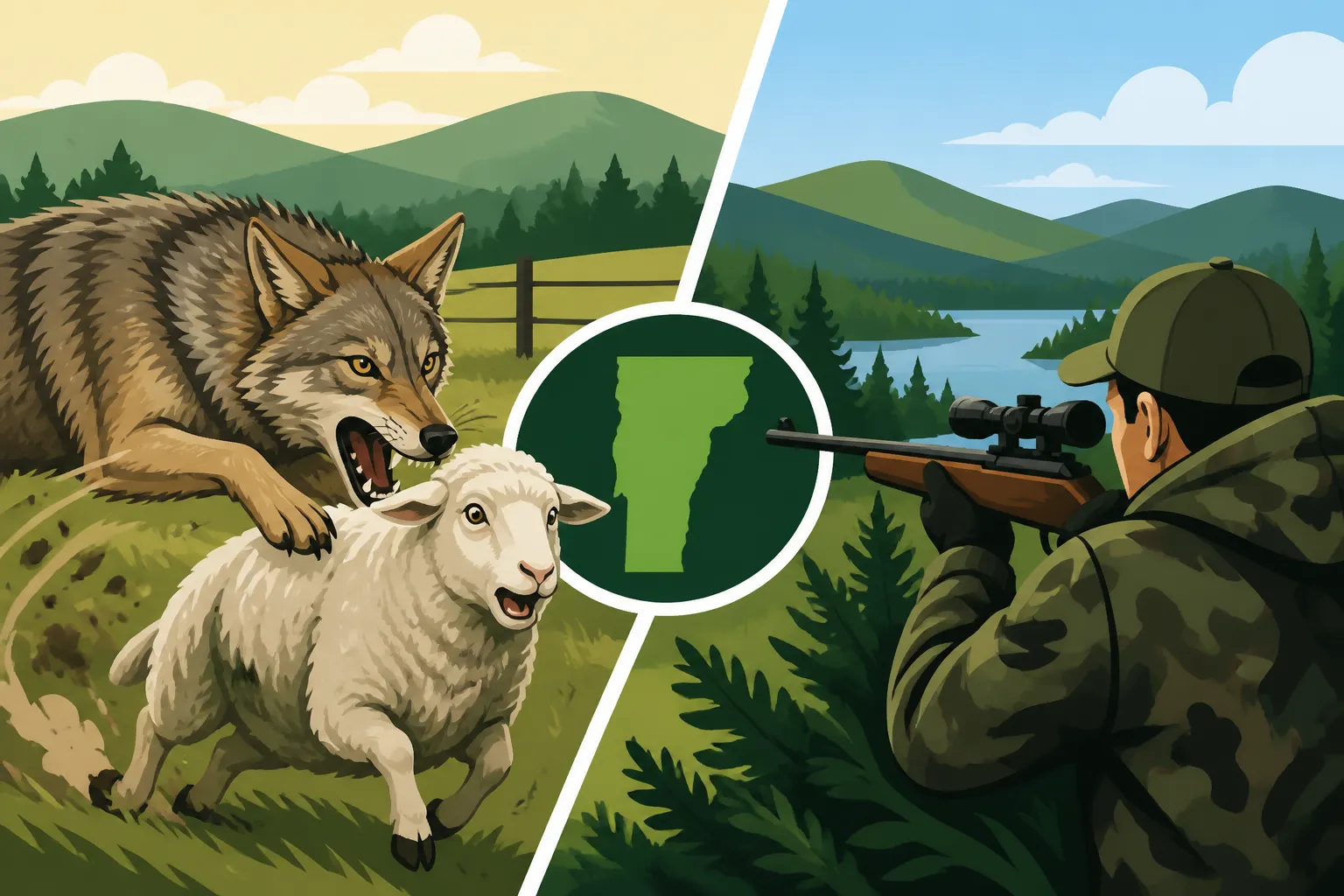
Vermont Coyote Attacks on Livestock
For Vermont farmers and homesteaders, few things are as disheartening, or frankly, infuriating, as waking up to find your livestock or poultry has been attacked by a coyote. It's a stark reminder that even in our beautiful Green Mountain State, the wild elements can hit close to home, impacting your livelihood and peace of mind. This guide aims to shed light on why these incidents occur, how to protect your animals, and what steps you can take if predation becomes a persistent problem.
Understanding Coyote Behavior and Predation Patterns in Vermont
Coyotes are incredibly intelligent and adaptable animals, which is both their strength and, for livestock owners, a significant challenge. To effectively protect your animals, you first need to understand the predator you're dealing with.
The Adaptability of Vermont's Eastern Coyote
Vermont's eastern coyotes are a fascinating mix, larger and often more robust than their western counterparts, believed to have interbred with wolves as they moved eastward. This blend contributes to their remarkable ability to thrive in diverse environments, from deep wilderness to the edges of suburban towns and, critically, agricultural lands. They're opportunistic predators, meaning they'll eat just about anything — small mammals, deer, fruits, berries, and yes, unfortunately, vulnerable livestock.
Their diet shifts with the seasons and the availability of prey. If natural prey like deer fawns or small rodents are scarce, or if a particular farm presents an easy target, coyotes will readily adapt their hunting strategy. They learn quickly, and once they discover an accessible food source, they'll often return. This inherent adaptability is why a farm that has never had an issue might suddenly experience predation. Understanding Vermont's Eastern Coyote Origins can provide further context into their behavior.
Common Scenarios for Livestock Attacks
Coyote attacks on livestock aren't random; they often follow predictable patterns driven by the coyotes' natural instincts and the opportunities presented.
Most attacks occur under the cover of darkness, from dusk until dawn, when coyotes feel most secure. However, particularly bold or hungry coyotes, or those protecting pups, might venture out during the day, especially in areas with dense cover close to pastures. Poultry (chickens, ducks, geese) are often the most frequent victims due to their small size and perceived helplessness. Sheep and goats are also highly vulnerable, especially lambs and kids. Young calves can also be targeted, particularly if they are isolated or if the herd's protective instincts are underdeveloped.
Proximity to dense woods, brush, or overgrown fencerows provides coyotes with excellent cover for stalking and quick escapes. A pasture that borders a thick woodlot is inherently more vulnerable than one situated in the middle of a wide-open field. Seasonal factors also play a role. During the spring and early summer, when coyotes are raising pups, their caloric needs increase dramatically, making them more likely to take risks for easily accessible food. Likewise, harsh winters with deep snow or periods of drought can reduce natural prey populations, pushing coyotes toward livestock.
Identifying a Coyote Attack Versus Other Predators
Knowing what kind of predator you're dealing with is crucial for implementing the correct prevention and response strategies. While coyotes are often the primary suspect, other predators like domestic dogs, bobcats, or even bears can also cause livestock losses.
When examining a carcass, look for specific signs. Coyote kills often show bite marks on the throat or flank, indicating a struggle. They typically consume the soft internal organs first, and you might find evisceration. Tracks can be definitive: coyote tracks are usually more oval than domestic dog tracks, with distinct claw marks, and they tend to follow a straight line. Scat (feces) often contains hair, bone fragments, and sometimes even bits of grain or fruit, reflecting their varied diet.
Domestic dog attacks can sometimes be mistaken for coyote predation. Dogs often kill multiple animals indiscriminately, leaving carcasses scattered and only partially consumed, almost as if for sport, without the consistent feeding pattern of a coyote. Bobcats, being smaller, usually target poultry or very young lambs and will often carry their prey away. Bear attacks, while less common on smaller livestock, will leave larger claw marks and often heavy damage to fences or structures as they try to gain access. Careful inspection of the scene, including tracks, bite marks, and feeding patterns, can help you accurately identify the culprit.
Proactive Measures to Protect Your Livestock
Prevention is always better than reaction when it comes to coyote predation. Implementing robust, multi-layered defenses can significantly reduce your risk and bring peace of mind to your farm.
Fortifying Fences and Enclosures
Your first line of defense is a sturdy, well-maintained physical barrier. Coyotes are agile and clever, so a simple two-strand wire fence isn't going to cut it.
For poultry, fully enclosed runs are ideal, especially for nighttime. This means overhead netting or wire to prevent aerial attacks from raptors as well as ground predators. For sheep, goats, and calves, electric fencing is often the most effective deterrent. A five-strand high-tensile electric fence with wires spaced appropriately (closer at the bottom) can be highly effective. The key is consistent voltage. Many farmers use systems with solar chargers for remote pastures, ensuring the fence is always hot. Burying the bottom wire of a woven wire fence or adding a "skirt" of mesh wire laid flat on the ground outside the fence can prevent coyotes from digging underneath. Some farmers even use visual deterrents like strips of flagging tape or reflective Mylar tied to fences, creating movement and flash that can spook cautious coyotes, at least initially. Remember, coyotes are smart; they'll test a fence, and if they find a weakness or a spot where the electric charge is down, they'll exploit it. Regularly inspecting and maintaining your fences is non-negotiable.
Livestock Guardian Animals (LGAs)
Perhaps one of the most effective and natural deterrents against coyotes is the presence of a dedicated livestock guardian animal. These animals live with the herd or flock and are bred and trained to protect them.
Guardian dog breeds like Great Pyrenees, Anatolian Shepherds, and Maremma Sheepdogs are widely used and incredibly effective. They bond with the livestock and see them as their family, actively patrolling boundaries, barking to deter threats, and even physically confronting predators if necessary. It’s important to introduce them to their charges at a young age and allow them to grow up with the animals they are meant to protect. They are not pets; they are working animals with a serious job. Donkeys and llamas can also serve as effective guardians, particularly against smaller predators like coyotes. A single, protective jenny (female donkey) or llama, if properly bonded with the herd, will often chase off or even stomp on a coyote. However, their effectiveness can vary more than guardian dogs, and they may be less reliable against multiple coyotes or larger predators. Regardless of the species, proper training, early introduction to livestock, and consistent care are vital for a successful LGA program.
Strategic Pasture Management and Lighting
Beyond physical barriers and guardian animals, how you manage your land and your animals' routines can make a big difference in reducing your farm's vulnerability.
One of the simplest yet most effective strategies is to bring smaller or more vulnerable livestock, like poultry, sheep, and young calves, into secure barns or pens at night. This removes the easy target coyotes seek under the cloak of darkness. Regularly rotating pastures can also disrupt coyote patterns, as they often establish territories and travel routes based on consistent access to prey. By moving your animals, you make it harder for coyotes to predict their location. Clearing dense brush, tall weeds, and overgrown fencerows immediately adjacent to pastures removes critical cover for coyotes, forcing them to approach in the open where they are more exposed and less likely to feel comfortable. This small act can make a pasture significantly less appealing.
Another tactic involves lighting. Motion-sensor lights installed around barns, pens, or vulnerable sections of perimeter fencing can surprise and deter coyotes. While they may eventually get used to static lights, a sudden burst of illumination can be enough to send them packing. In today's digital age, tools like GoHunt can be invaluable for mapping out your property, identifying potential thick cover areas bordering your pastures, and planning clear lines of sight. It allows you to visualize where coyotes might approach and where you need to focus your deterrent efforts, helping you scout your own land even if you aren't hunting on it.
Responding to Predation and Coexistence Strategies
Even with the best preventative measures, sometimes a coyote attack still happens. Knowing how to respond, legally and ethically, is key. The goal isn't just to stop the immediate threat but to find a sustainable balance.
Reporting and Documentation
If you experience livestock predation, especially if it's recurring, reporting it to the Vermont Fish & Wildlife Department is a critical step. Not only does it help the state gather valuable data on predator-livestock conflicts, but it can also open doors to advice, resources, or even potential compensation programs if they exist.
When reporting, be prepared to provide as much detail as possible. This means documenting everything. Take clear photos of the deceased animal, focusing on bite marks, wounds, and the overall condition of the carcass. Photograph any tracks, scat, or disturbed areas around the scene. Note the time of day, location, and any unusual circumstances. The more evidence you can provide, the better equipped Fish & Wildlife personnel will be to assess the situation and confirm the predator responsible. Accurate documentation helps them understand the scope of the problem in your area and tailor advice specifically for your situation. Without this data, it's harder for wildlife managers to see the full picture and allocate resources effectively.
Legal Options for Coyote Control
Vermont law does allow for the take of coyotes under specific circumstances, particularly when they are actively preying on livestock. However, it's absolutely crucial to understand and adhere to the regulations.
Landowners are often permitted to take coyotes that are actively causing damage to livestock or domestic animals on their property, but the specifics can vary, so always check with the Vermont Fish & Wildlife Department first. Beyond direct depredation, coyotes are a game species in Vermont, and there are established hunting and trapping seasons. This offers a way for landowners or licensed hunters/trappers to manage coyote populations. Activities like Coyote Calling Vermont Farm Country can be highly effective during hunting seasons, drawing coyotes into range. Similarly, during the legal trapping seasons, Running a Trapline in Rural Vermont can remove problem animals.
If you're considering lethal control, it's vital to have the necessary licenses and to follow all state laws regarding method of take, discharge setbacks, and reporting requirements. For example, Night Hunting Rules for Vermont Coyotes specify conditions and equipment allowed for hunting coyotes after dark. Understanding public versus private land designations is also critical; while the immediate issue is on your private land, coyotes move, and understanding their broader range might involve exploring public lands nearby where hunting or trapping is also permitted. This is where a mapping tool like GoHunt can be useful for hunters or trappers assisting landowners, allowing them to visualize property lines and legal hunting zones in the vicinity of problem areas.
Balancing Protection with Coexistence
The reality is that coyotes are a permanent fixture in Vermont's ecosystem. The goal, therefore, isn't to eradicate them, which is both impractical and often detrimental to the natural balance, but rather to minimize conflicts and find ways to coexist.
This means a proactive, integrated approach using multiple deterrents simultaneously. A good fence plus a guardian animal plus good husbandry practices creates a much more formidable defense than any single method alone. It's about making your farm a less appealing target than the abundant natural prey available in the surrounding landscape. By reducing "easy meals," you discourage coyotes from focusing their attention on your livestock.
Coexistence also involves recognizing the coyote's role in the ecosystem, often as a regulator of rodent and small mammal populations. While they can be a nuisance and a threat to livelihoods, they are also part of Vermont's wild heritage. The challenge lies in managing their presence in a way that respects both wildlife and agricultural interests. This balance often comes down to adapting your practices to be one step ahead of a very intelligent and persistent predator.
Table: Common Livestock Protection Methods
| Method | Primary Benefit | Key Considerations | Best For |
|---|---|---|---|
| Electric Fencing | Physical and psychological deterrent | Requires consistent maintenance and power | Sheep, goats, calves, larger poultry runs |
| Woven Wire Fencing | Strong physical barrier, long-lasting | Can be dug under; requires secure bottom edge | Poultry, sheep, goats |
| Livestock Guardian Animals | Active, continuous deterrence, natural protection | Requires training, care, and integration with livestock | Sheep, goats, cattle, poultry |
| Night Penning | Removes vulnerable animals from nighttime exposure | Requires secure housing, daily routine | Poultry, young lambs/kids, smaller animals |
| Motion-Sensor Lighting | Startles and deters nocturnal predators | Coyotes can habituate over time; power source needed | Barn perimeters, high-traffic areas |
| Clearing Brush/Cover | Eliminates ambush points near pastures | Labor-intensive; ongoing maintenance | Any pasture bordering dense vegetation |
| Strategic Pasture Rotation | Disrupts predator patterns, prevents habituation | Requires multiple pastures, careful management | Sheep, goats, cattle |
Disclaimer
This article is for general informational purposes only and does not constitute professional advice. Laws, prices and regulations vary by location and change over time. Consult a qualified professional for guidance on your specific situation.