When Woodcock Migrate Through Vermont
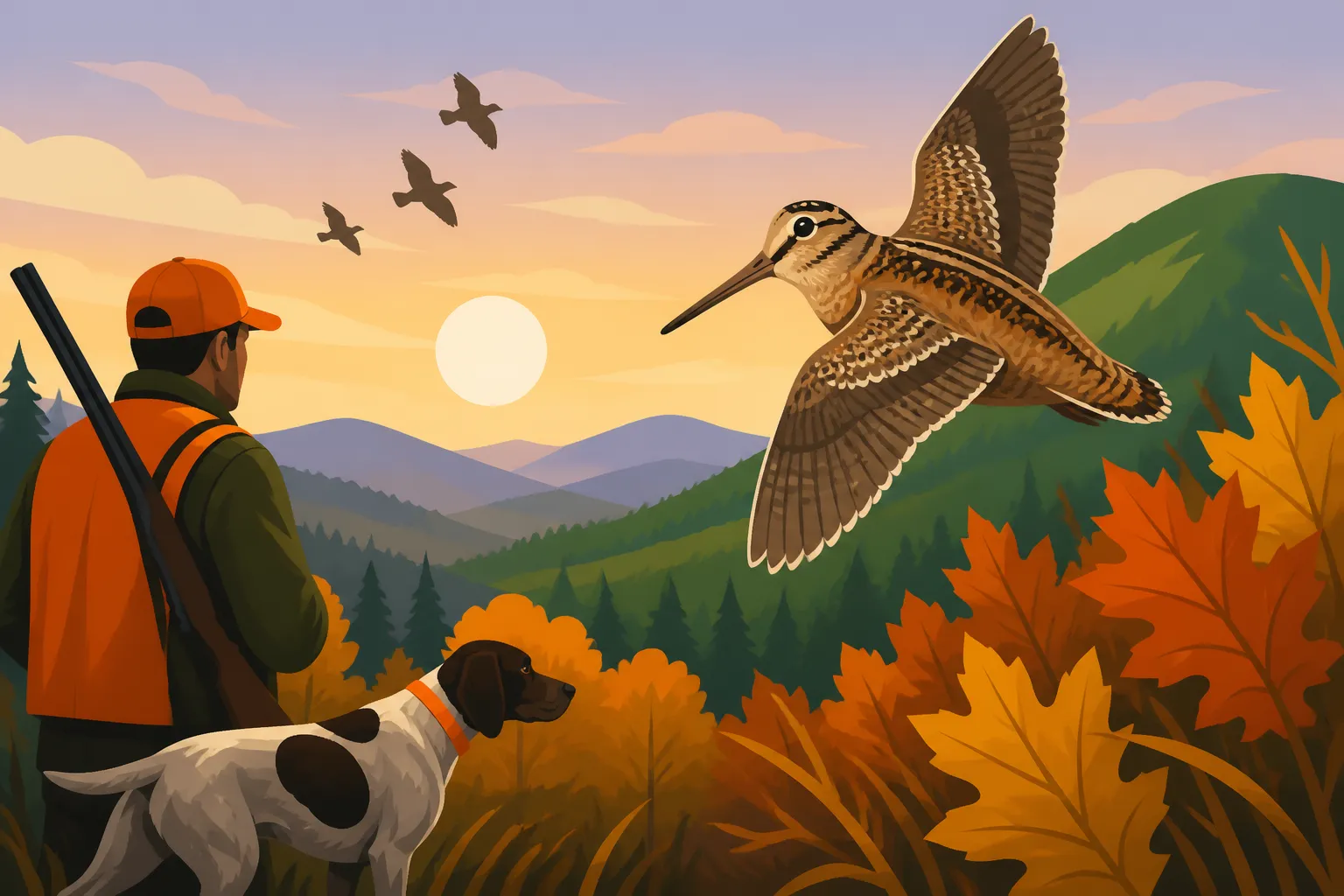
The distinct, almost otherworldly peent of a woodcock in the twilight, or the sudden flush of a timberdoodle from a dense alder thicket – these are the moments that truly mark the seasons for many Vermont hunters. But knowing when these elusive birds will grace our state, either on their way north to breed or south to winter, can feel like trying to catch smoke. It's a question many of us ponder, trying to time our hunts just right, and this guide will break down the woodcock's migratory schedule in Vermont, helping you understand the rhythms of these fascinating upland birds.
Understanding Woodcock Migration Patterns
Woodcock, often affectionately called "timberdoodles," are true migratory birds, making long journeys between their breeding grounds in the northern United States and Canada, and their wintering grounds in the southern U.S. Their movements are largely dictated by weather and the availability of their primary food source: earthworms. When the ground freezes solid in the north, they pack their bags; when the south thaws, they head back north to nest. It's a delicate balance, and understanding these patterns is key to finding them in Vermont.
The Urge to Migrate: Why Woodcock Move
Like many migratory species, woodcock are driven by ancient instincts tied to photoperiod (daylight length) and temperature. As daylight shortens in the fall, a biological clock within them triggers the southward journey. The reverse happens in spring. However, unlike some birds that migrate in large, visible flocks, woodcock tend to be more solitary and move under the cover of darkness. This makes their comings and goings a bit more mysterious for us on the ground. Their shallow probing bills are perfectly adapted for soft, moist soil, which means a prolonged freeze is a death sentence if they don't move south. That makes their migration less about a specific calendar date and more about a trigger: when the frost sets in.
The Atlantic Flyway and Vermont's Role
Vermont sits squarely within the Atlantic Flyway, a major migratory route for countless bird species, including woodcock. This means that birds funneling down from Quebec and eastern Canada, as well as those breeding right here in Vermont, will be moving through our coverts. Our mix of dense young forest, alder swamps, and regenerating clear-cuts provides critical stopover habitat and food sources during their arduous journeys. This makes Vermont a prime location for both resident birds and a significant influx of migrants at specific times of the year. Historically, their numbers have fluctuated, but Vermont's diverse landscape remains a crucial piece of the puzzle for these unique upland birds. Why Vermont Is a Woodcock Migration Corridor delves deeper into our state's importance.
Spring Migration: The Return to Vermont
While spring hunting for woodcock isn't a thing in Vermont, understanding the spring migration is crucial for scouting and appreciating the lifecycle of these birds. It's when they return, establish territories, and begin their breeding rituals. Knowing when they arrive helps you understand where local birds might be holding for the fall season.
Timing the Spring Arrival
Woodcock typically begin their northward trek as soon as the frost starts to recede in their wintering grounds, pushing into Vermont when the soil becomes workable enough for them to probe. This usually starts in late March and continues through April. The first arrivals are often the toughest, most eager males, ready to claim their singing grounds. A significant warm spell can bring them in earlier, while a late cold snap can delay their arrival or even push them back south temporarily. You might notice them first in the Champlain Valley, where the snow melts and ground thaws earlier, before they push into the higher elevations.
Observing Courtship Displays
The spring migration culminates in the spectacular courtship displays of the male woodcock. As twilight deepens, usually from late March through May, males will emerge onto open patches of ground – often old logging landings, field edges, or even suburban lawns – to begin their "sky dance." This involves a series of buzzing calls, followed by a spiraling flight high into the air, punctuated by musical chirps created by specialized wing feathers, before a dramatic dive back to earth, landing right where they started. This is the best way to confirm that woodcock have returned to an area. Many bird enthusiasts and hunters head out specifically to witness these Vermont Woodcock Singing Ground Surveys firsthand.
Fall Migration: Prime Time for Hunters
For those of us who enjoy the thrill of flushing a timberdoodle, the fall migration is what we live for. This is when Vermont's resident birds are joined by waves of migrants, making for some truly memorable days in the thickets. Timing your efforts to coincide with these influxes can make all the difference between a sparse day and a bustling one.
The Early Birds: Resident and Local Movement
As early as late September and into early October, you'll primarily be hunting Vermont's resident woodcock. These are the birds that hatched and summered in our state. They'll be found in familiar haunts: dense alders along stream bottoms, young aspen stands, and thick, brushy clear-cuts. Their movements are generally localized to their preferred feeding and roosting coverts. This early season is often marked by milder weather, but don't let that fool you into thinking they're easy. They can be incredibly tight-holding and explosive fliers. Hunters who scout diligently in the summer and fall can often pinpoint these local populations. Hunting Green Mountain National Forest Timber can be an excellent strategy for finding these resident birds before the main migration hits.
The Peak Migration Window: October and Early November
The true spectacle of the fall migration usually begins to build in mid-October and often peaks around the last week of October and into the first week or two of November. This is when significant numbers of woodcock, pushed by colder weather from the north, start pouring into Vermont.
Several factors align to create this peak:
- Northern Cold Fronts: A series of hard frosts or an early snowfall in Canada and northern New Maine, New York, or northern New Hampshire is a huge trigger. When the ground starts to freeze up there, birds are forced south.
- Optimal Ground Conditions in Vermont: Ideally, we'll still have soft, moist ground in Vermont during this time, allowing the migrants to refuel on earthworms before continuing their journey.
- Leaf Drop: As leaves fall, visibility improves slightly in the dense coverts, making for better hunting conditions and often tighter-holding birds before they get too spooked.
This peak window can shift slightly year to year based on weather, but it's generally a reliable time to find the highest densities of birds. Hunters often report seeing a noticeable increase in bird numbers after a distinct cold front passes through. Many experienced timberdoodle hunters watch weather patterns far to our north, using tools like GoHunt's weather overlays to anticipate these pushes.
| Migration Period | Typical Timing (Vermont) | Key Characteristics | Hunting Implications (Fall Only) |
|---|---|---|---|
| Spring Arrival | Late March – April | First males arrive, courtship displays begin. | No hunting, but excellent for scouting and observation. |
| Breeding Season | April – July | Nesting, rearing young. | No hunting. |
| Summer/Early Fall | August – Mid-September | Resident birds mature, still localized. | First opportunities for local birds. |
| Early Fall Migration | Late September – Mid-October | Resident birds, first trickles of northern migrants. | Good for resident birds, building migrant numbers. |
| Peak Fall Migration | Mid-October – Early November | Largest influx of northern migrants, ideal conditions. | Prime hunting window. |
| Late Fall Migration | Mid-November – Early December | Remaining migrants pushed by freezing ground. | Hunting can be good in specific, unfrozen areas. |
The Last Push: Mid-November to December
As November progresses and colder, more consistent freezing weather sets into Vermont, the migration tap starts to slow. Birds that linger are typically forced out by deeply frozen ground. By mid-November, most woodcock will have moved on to warmer climes. However, you might still find pockets of birds in areas that remain unfrozen, particularly along spring-fed seepages or in low-lying, well-sheltered coverts that retain moisture. Late-Season Food Sources for Vermont Whitetails sometimes overlap with these areas, as the softened ground offers sustenance for multiple species. These late-season birds can be tough to find but often offer a rewarding challenge for dedicated hunters willing to brave colder temperatures. Layering for Vermont's Long Hunting Season becomes critical then.
Factors Influencing Woodcock Movement
Migration isn't just a flip of a switch; it's a dynamic process influenced by several environmental variables. Understanding these can help you predict when and where you might encounter woodcock in Vermont.
Weather Patterns and Fronts
Weather is undeniably the biggest driver of woodcock migration. A strong cold front pushing down from Canada can literally push waves of birds ahead of it. Sustained freezing temperatures, especially those that freeze the top few inches of soil, are a dire signal for woodcock. They need to be able to probe for earthworms, and hard ground makes that impossible. Conversely, unseasonably warm fall weather can delay their departure from northern areas, meaning they arrive later in Vermont. Knowing how to Reading Vermont Mud for Fresh Deer Movement can also help you identify softer ground where woodcock might concentrate.
- Pre-Frontal Warmth: Often, just before a significant cold front, there might be a few days of warmer weather. This can encourage birds to feed heavily, preparing for their flight.
- Post-Frontal Chill: Immediately after a strong cold front passes, brace for an influx of new birds. This is often the prime time to be in the coverts.
- Rain and Snow: While light rain doesn't deter them, heavy, sustained rainfall can make flight difficult. Early snowfalls, especially if they're significant enough to cover the ground and freeze it, are a strong migration trigger.
Habitat and Food Availability
Woodcock are habitat specialists, particularly when it comes to feeding. They require moist, soft soil for probing, often found in alder swales, young aspen stands, and brushy edges near water sources. During migration, they'll seek out areas that offer both cover for roosting and readily available food.
- Alder Bottoms: These are classic woodcock coverts. The dense, vertical stems offer protection, and the consistently moist soil is ideal for earthworms.
- Young Aspen and Birch Stands: Regenerating timber cuts, especially those just 5-15 years old, provide dense overhead cover and are often associated with moist ground.
- Wet Field Edges and Abandoned Pastures: Areas where brush is encroaching on fields, particularly where groundwater is close to the surface, can be woodcock magnets. Hunting a Beaver Flowage Edge at Dusk offers similar habitat.
A year with abundant rainfall that keeps the ground soft can mean birds linger longer. A drought, however, can dry up traditional feeding grounds, forcing birds to move faster or concentrate in fewer, wetter spots. Using a good mapping app can help identify these specific habitat types on public land, and apps like GoHunt can show you public land boundaries and topography that might hold these key features. Boots for Northeast Kingdom Bog Hunting are a necessity for navigating these often-soggy areas.
Maximizing Your Woodcock Hunting Opportunities in Vermont
Understanding when woodcock migrate is only half the battle; knowing how to leverage that knowledge to your advantage is where the real fun begins. It's about combining foresight with real-time observation and adaptation.
Scouting for Success
Scouting isn't just for deer. For woodcock, it involves identifying those prime coverts that offer the right mix of food and shelter. In the spring, you can listen for the male's peenting calls at dusk to confirm their presence. In the summer, look for their distinctive splashings (white droppings) and probe holes in likely areas. These signs tell you where resident birds are holding, which often become migrant hotspots in the fall.
- Focus on Edge Habitat: Look for transitional areas where young forest meets older timber, or where brushy fields meet denser woods. Woodcock love these edges.
- Wet Spots: Always prioritize areas with moist soil. Even if it's been dry, look for low-lying areas, creek bottoms, or spots near natural springs that retain moisture.
- Past Performance: If you found woodcock in a certain covert last year, chances are they'll use it again, especially if the habitat hasn't changed drastically.
Timing Your Hunts with Migration Waves
The most successful woodcock hunters aren't necessarily out every day of the season; they pick their moments. They pay close attention to the weather reports, especially for areas north of Vermont. When a big cold front is forecast to sweep through, that's their cue. Plan to be in the woods immediately after the front passes, typically for the next 2-5 days. That's when you're most likely to hit a wave of fresh migrants.
- Watch the Northeast: Keep an eye on weather patterns in Quebec, northern Maine, and upstate New York. A hard freeze there often means new birds are heading our way.
- Check Local Conditions: Even with a northern cold front, if Vermont's ground is still bone dry and hard, birds might bypass us or move through quickly. Aim for soft ground.
- Mid-Week Advantage: If you have the flexibility, hunting on a Tuesday or Wednesday after a major weekend cold front can often mean fewer hunters in the prime coverts, but still plenty of fresh birds.
This strategic timing means you might have fewer days in the field, but those days can be incredibly productive and exhilarating, full of fast-flushing action. Vermont Ruffed Grouse and Woodcock are often found in similar habitats, making a mixed bag a distinct possibility on these hunts.
Disclaimer
This article is for general informational purposes only and does not constitute professional advice. Laws, prices and regulations vary by location and change over time. Consult a qualified professional for guidance on your specific situation.