Donating Venison in Vermont
After a successful hunt in Vermont, you might find yourself with a freezer overflowing with venison, or perhaps you're simply looking for a meaningful way to give back to your community. Donating your harvested deer in Vermont is a powerful way to put high-quality, lean protein on the tables of families facing food insecurity, ensuring that the bounty of our woods benefits those who need it most. This guide will walk you through the process, from understanding why donation matters to navigating the practical steps of getting your venison to those in need.
Why Donate Venison in Vermont?
The act of hunting is deeply rooted in providing for oneself and one's family, but it also carries a profound sense of stewardship and community responsibility. Donating venison takes that responsibility a step further, extending the benefits of a successful hunt beyond your immediate circle to impact the wider Vermont community. It’s a powerful way to transform a personal endeavor into a selfless act of generosity.
Addressing Food Insecurity Locally
Food insecurity is a real and often hidden struggle, even in a state as picturesque as Vermont. Many families, individuals, and elderly residents rely on food shelves and community programs to put nutritious meals on their tables. Venison, being naturally lean and packed with protein, offers an incredibly valuable dietary supplement that is often difficult for these organizations to source. When you donate venison, you're not just giving away meat; you're providing a healthy, wild, and sustainable food source that helps combat hunger right here in our towns and cities. Imagine the difference a few pounds of high-quality venison can make for a family struggling to make ends meet, offering them a taste of Vermont's natural abundance. It's a direct way to support your neighbors and strengthen the fabric of our local communities.
Ethical Harvest and Resource Utilization
For many hunters, the ethical treatment of game and the responsible use of natural resources are paramount. Donating venison aligns perfectly with these values. When you harvest a deer, you're tapping into a renewable resource, and ensuring that every usable part of that animal goes to good use is the ultimate act of respect for the game and the land. In Vermont, our deer herd is managed to maintain a healthy balance with the ecosystem, and responsible hunting is a critical tool in that management. By donating, you're not only contributing to herd management but also honoring the animal by preventing waste and ensuring its sustenance becomes nourishment for others. It’s about more than just taking; it's about giving back and completing the cycle of a responsible harvest. Handling Venison From a Healthy Herd is an important consideration to ensure the highest quality donation.
Understanding Vermont's Venison Donation Programs
Navigating the logistics of donating venison can seem a bit daunting at first, but thankfully, established programs exist to streamline the process. These programs act as crucial intermediaries, connecting generous hunters with certified processors and, ultimately, with food banks and community meal programs across the state. Understanding how these organizations operate is key to a smooth donation experience.
How Programs Like Farmers and Hunters Feeding the Hungry Work
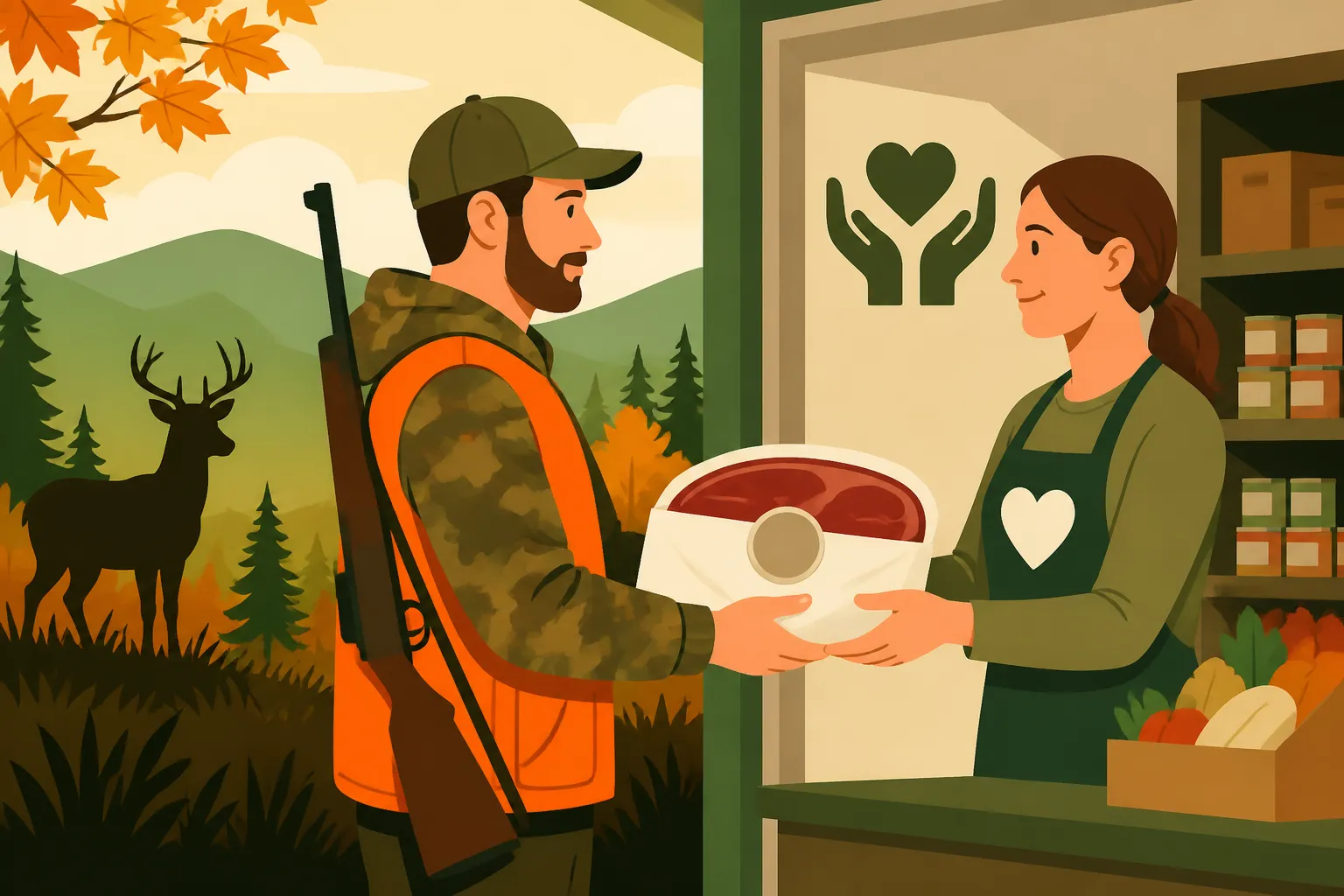
One of the most prominent and effective programs facilitating venison donation in Vermont is Farmers and Hunters Feeding the Hungry (FHFH). This national organization has local chapters that coordinate efforts between hunters, meat processors, and food assistance providers. The beauty of FHFH and similar programs is that they handle much of the logistical heavy lifting. As a hunter, your primary responsibility is to harvest your deer legally and ethically, ensuring the meat is in good condition. You then take your field-dressed deer to a participating, approved meat processor. FHFH, often through donations or grants, covers the processing costs, meaning you, the hunter, typically don't incur an expense for the custom processing. This removes a significant barrier for many hunters who might otherwise be hesitant to donate due to the cost involved. The processed meat, usually ground venison, is then distributed to local food shelves, soup kitchens, and charities. It's a well-oiled machine designed to maximize the impact of your generosity. You can find out more about proper deer care after the shot in our article on Field Dressing a Deer in Cold Weather.
Finding Participating Processors
The cornerstone of any venison donation program is the network of participating meat processors. These are the unsung heroes who transform a whole deer carcass into safe, packaged, and ready-to-distribute protein. Finding an approved processor near you is crucial. Programs like FHFH maintain lists of processors across Vermont who have agreed to participate in the donation program. These processors meet specific health and safety standards to ensure the donated meat is handled appropriately.
The best way to locate one is usually through the program's official website or by contacting your local Vermont Fish & Wildlife Department office. They can often provide a current list of participating butchers, along with their contact information and any specific drop-off instructions. It’s always a good idea to call the processor ahead of time to confirm their hours, capacity, and any specific requirements they might have, especially during peak hunting seasons. Some processors might have limitations on the number of donated deer they can accept, or specific days for drop-offs. Being prepared and communicating ensures a smooth transition from your successful hunt to a valuable donation. While GoHunt might help you scout a promising Hunting a Green Field Planted for Deer, it won't point you to a processor, so a quick call is always the best bet.
| Step | Hunter's Responsibility | Processor's Responsibility |
|---|---|---|
| Harvest & Field Dress | Proper field dressing, swift cooling | N/A |
| Transport to Processor | Deliver deer promptly | Accept deer, verify condition |
| Official Registration | Registering a Vermont Deer Online | N/A (though they may verify registration) |
| Meat Processing | N/A | Skin, butcher, grind, package, label |
| Cost Coverage | N/A (covered by donation program) | Bill program for processing |
| Distribution | N/A | Coordinate pickup/delivery with food banks |
| Quality Assurance | Deliver healthy, clean carcass | Ensure hygienic processing, reject unfit meat |
The Donation Process: From Field to Freezer
Making a venison donation isn't just about dropping off a deer; it's about a commitment to quality and following a specific chain of care that ensures the meat is safe and beneficial for consumption. From the moment your arrow flies or your bullet strikes, every step you take influences the final product.
Field Dressing and Initial Care
The quality of donated venison begins in the field. After a successful harvest, immediate and thorough field dressing is paramount. This means removing the entrails as quickly as possible to allow the carcass to cool down rapidly. Vermont weather can be unpredictable, and even on a crisp fall day, body heat can quickly spoil meat if not properly addressed. You want to get that deer cooled down to prevent bacterial growth. Once field dressed, consider rinsing the cavity with water if available and if conditions allow, but always ensure the cavity is dry before transport to prevent bacterial growth.
Protecting the carcass from dirt, leaves, and insects is also vital. A clean game bag or a simple tarp can go a long way in keeping the meat sanitary during transport. Avoiding excessive handling or dragging the deer through abrasive terrain helps prevent hair and debris from contaminating the meat. Remember, this venison is destined for someone's dinner plate, and treating it with the utmost care from the moment of harvest ensures it's a high-quality, safe donation. For tips specific to chilly weather, check out Field Dressing a Deer in Cold Weather.
Transporting and Registering Your Deer
Once your deer is field-dressed and cooled, the next critical step is proper transportation to an approved processor and official registration. In Vermont, all harvested deer must be reported to the Fish & Wildlife Department. This can often be done online through their official portal or designated check stations. Ensure you complete this step promptly and have your confirmation number or tag easily accessible. Registering a Vermont Deer Online is straightforward, but don't overlook it.
When transporting, keep the deer cool. If you have a long drive or warm weather, consider packing the cavity with ice bags (in a cooler, not directly on the meat) or wrapping the carcass in a breathable material to allow air circulation while shielding it from direct sunlight. The goal is to get the deer to the processor as quickly as possible, ideally within a few hours of harvest, and certainly within 24-48 hours, depending on ambient temperatures and initial cooling. Communication with your chosen processor is key here; let them know when you're coming and if you anticipate any delays. They'll appreciate the heads-up and can advise on their specific receiving procedures.
Processor Requirements and Costs If Any
When you arrive at a participating processor, they'll have specific requirements. First, they will likely want to see your Vermont hunting license and your deer registration tag. This verifies that the deer was legally harvested and helps with any necessary record-keeping for the donation program. They will also inspect the carcass for cleanliness and overall condition. Deer that show signs of significant contamination, advanced decomposition, or disease may be rejected to ensure public health and safety. This is why meticulous field care is so important.
For hunters donating through programs like FHFH, the processing costs are typically covered by the program itself. This is a huge benefit, as custom processing can be a significant expense. However, it's always a good practice to confirm this when you first contact the processor, just to avoid any surprises. If for some reason you are donating outside of an organized program (which is less common for food banks but possible for direct donations), you would be responsible for processing costs, which can vary based on the processor and the services requested. Always clarify these details upfront to ensure a smooth and rewarding donation experience. While you're scouting with your GoHunt app, you can be planning your processing drop-off.
Important Considerations for Donating Venison
While the desire to help is strong, ensuring your venison donation is successful involves a few key considerations that go beyond the basic logistics. These aspects touch on meat quality, legal compliance, and even potential financial benefits for your generosity.
Quality and Condition of the Meat
The paramount concern when donating venison is the quality and safety of the meat. Food banks and other charitable organizations are held to high standards to protect the health of their recipients, and rightly so. This means the deer you intend to donate must be harvested and handled in a way that minimizes contamination and spoilage.
A clean shot that results in minimal meat damage is always preferred, not just for donation, but for personal consumption too. Any deer showing obvious signs of illness, extensive trauma, or decomposition will not be accepted. The carcass should be free of excessive hair, dirt, and gut contents. Rapid cooling after field dressing is critical; leaving a deer uncooled for too long, especially in warmer temperatures, can render the meat unsuitable for donation. Think of it this way: if you wouldn't feel comfortable serving it to your own family, it shouldn't be donated. Maintaining excellent meat hygiene from the moment of harvest to delivery at the processor is a non-negotiable step in the venison donation process. Remember, Vermont has strict Vermont's CWD Prevention Rules to maintain a healthy herd, and these rules are especially important when considering donating.
Legal and Regulatory Compliance
Donating venison in Vermont, like any hunting activity, is subject to specific laws and regulations designed to ensure safety and ethical practices. First and foremost, the deer must be legally harvested according to all Vermont Fish & Wildlife regulations, including season dates, bag limits, and method of take. You must possess the appropriate Vermont hunting licenses and permits, such as a Vermont Resident Combination License Cost or a basic hunting license, and the deer must be properly tagged and reported as required by law.
Beyond the harvest itself, programs like Farmers and Hunters Feeding the Hungry operate under specific guidelines regarding meat donation. They work with certified processors who adhere to health department standards for processing and packaging wild game. This ensures that the donated meat is safe for public consumption. You cannot simply drop off a deer at any food bank; it must go through an approved processor that is part of a recognized donation program. Always verify that the program and processor you choose are fully compliant with both state hunting regulations and food safety guidelines.
Tax Deductions for Your Generosity
While the primary motivation for donating venison is often altruism, there can be a practical benefit: potential tax deductions. Many venison donation programs, including chapters of Farmers and Hunters Feeding the Hungry, are recognized as charitable organizations. This means that hunters who donate their deer through these programs may be eligible for a tax deduction for the fair market value of the processed meat.
The exact value and the conditions for claiming such a deduction can vary, so it's always wise to consult with a tax professional or directly with the donation program for the most accurate and up-to-date information. They can provide you with the necessary documentation, such as a receipt or acknowledgement of your donation, which you'll need for your tax records. Keep in mind that generally, the deduction is for the value of the processed meat, not for the time or effort spent hunting. This potential tax benefit is a nice bonus that helps recognize the generosity of hunters who contribute to alleviating food insecurity in Vermont. Knowing the Vermont Deer Population Estimate helps manage harvest numbers, and every deer harvested ethically and donated contributes to this cycle.
Disclaimer
This article is for general informational purposes only and does not constitute professional advice. Laws, prices and regulations vary by location and change over time. Consult a qualified professional for guidance on your specific situation.