Hunting Vermont’s Green Mountain National Forest
For many hunters in Vermont, the desire for expansive, challenging public land opportunities is a deep-seated craving. We yearn for wild places where our skills are truly tested, where the deer don't just jump out of the woodlot next to the hayfield, but are earned through sweat and persistence. This comprehensive guide will plunge into the heart of hunting Vermont's majestic Green Mountain National Forest, offering invaluable insights into navigating its rugged terrain, understanding its unique ecosystems, and maximizing your chances for a successful, rewarding hunt in this truly special part of our state.
Understanding the Green Mountain National Forest Landscape
The Green Mountain National Forest (GMNF) isn't just a patch of woods; it's a sprawling, diverse tapestry of mountains, valleys, forests, and waterways that stretches across a significant portion of central and southern Vermont. For a hunter, this vastness can feel overwhelming at first, but understanding its fundamental characteristics is the first step toward unlocking its secrets. It's a place where the landscape itself becomes part of the challenge and the reward.
Geographical Overview and Districts
The Green Mountain National Forest encompasses roughly 400,000 acres, making it one of the largest contiguous blocks of public land in New England. It's truly a gem for those of us who appreciate solitude and wild places. This vast area is managed in two primary districts: the Northern half, often called the Middlebury-Rochester District, and the Southern half, the Manchester-Peru District. While contiguous, these two districts can offer slightly different feels and hunting experiences due to subtle variations in elevation, forest composition, and access. The northern sections tend to be higher in elevation and steeper in many places, while the southern portions, while still rugged, might have more accessible valleys and lower-elevation benches. Both districts offer phenomenal opportunities, but knowing which one you're headed into can help you prepare mentally and physically for the terrain. Whether you're chasing an October buck or looking for a late-season bear, the sheer scale of the GMNF means there's always more to explore.
Diverse Habitats and Ecosystems
What makes the GMNF so special for wildlife, and consequently for us hunters, is its incredible diversity of habitats. You're not just looking at endless stretches of uniform hardwoods here. While mature northern hardwoods – sugar maple, beech, yellow birch – dominate many slopes, you'll also find significant stands of spruce and fir at higher elevations, creating dense, dark softwood thickets that deer love to bed in, especially when the snow starts to fly. Mixed wood stands, often containing hemlock and white pine, provide excellent thermal cover and can be key travel corridors. Then there are the stream bottoms and wetlands, often choked with alder and willow, which offer critical browse and water sources. Old logging cuts, though sometimes grown over with incredibly thick regeneration, become prime bedding areas and provide an abundance of young forage. Understanding these distinct ecosystems, and how different game animals utilize them throughout the seasons, is fundamental to successful hunting here. It’s like putting together a puzzle, where each piece of habitat tells you something about the animals that call it home.
Key Features for Hunter Navigation
Navigating the Green Mountain National Forest is an art form, and it relies heavily on reading the landscape. You won't find a grid system of roads and trails everywhere; instead, you'll be using natural features to orient yourself. Ridgelines are your highways, often offering easier travel and commanding views, making them excellent places for still-hunting or setting up for glassing. Conversely, ravines and steep drainages can be incredibly challenging to traverse but often funnel deer movement and provide hidden pockets of cover. Rivers and streams, while sometimes obstacles, also serve as natural boundaries and excellent navigation aids. Understanding Wind and Thermals in Steep Green Mountain Terrain is paramount here. The way the air moves up and down these slopes, especially at dawn and dusk, will dictate your approach and your scent cone. Learning to read the topography – identifying saddles, benches, and thickets from a map – is almost as important as reading deer sign on the ground. This is where digital mapping tools really shine, allowing you to mark key terrain features before you even step foot in the woods.
Accessing the Green Mountain National Forest
Getting into the GMNF is generally straightforward, but understanding the nuances of access, especially when you venture beyond the main roads, is crucial. This isn't your grandfather's woodlot; it's a vast wilderness, and preparedness is your best friend.
Entry Points and Road Networks
The GMNF is crisscrossed by a network of public roads, some paved state routes, others well-maintained gravel roads, and many designated as "forest roads" which can range from decent gravel to barely-two-track paths. These roads provide the primary arteries for accessing the forest. Many pull-offs and small parking areas serve as trailheads or informal hunter access points. It’s a good practice to consult official forest maps, either paper or digital, to identify these entry points. Some forest roads might be seasonal, closing for mud season in spring or after the first significant snowfall, so always check the latest forest service alerts before heading out, especially for late-season hunts. Don't be afraid to drive a little further down a forest road; often, the best hunting starts where the casual hunter stops walking from their vehicle.
Navigating Wilderness Areas and Designated Trails
Within the GMNF, there are several designated Wilderness Areas, such as the Breadloaf Wilderness or the Lye Brook Wilderness. These areas are managed under stricter rules, meaning no motorized vehicles, no bicycles, and often less developed trail systems. For the hunter seeking true solitude and a backcountry experience, these wilderness areas are incredible, but they demand a higher level of self-sufficiency and navigational skill. You'll often be following faint game trails or bushwhacking through dense timber. Designated hiking trails, while excellent for foot travel, can sometimes be busy with recreationists, especially closer to trailheads. When hunting near trails, common sense and courtesy are paramount. Always know what's beyond your target, and consider hunting slightly off the beaten path to avoid conflicts and increase your chances. Remember, Hunting Green Mountain's Backcountry Wilderness Areas offers unique rewards for those willing to put in the effort.
Vehicle and Camping Regulations
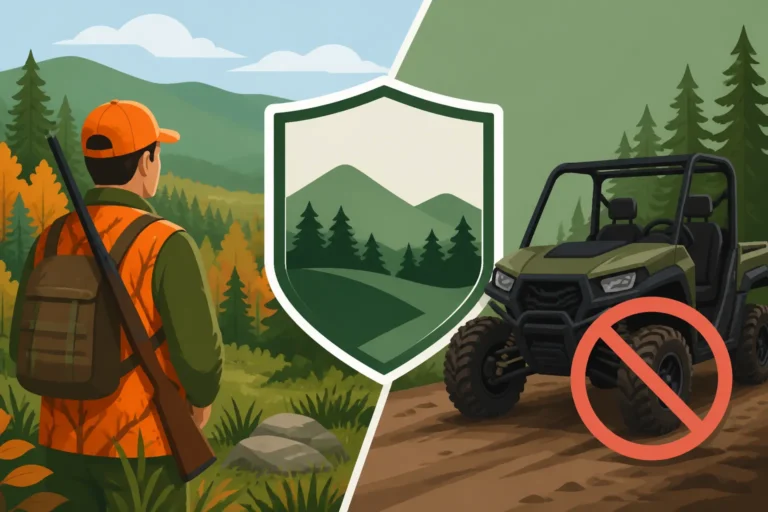
Understanding the rules for vehicles and camping within the GMNF is vital for responsible hunting. Generally, motorized vehicles are restricted to designated roads and trails, which will be clearly marked on forest service maps. Going off-road with an ATV or truck is almost always prohibited and can lead to hefty fines and damage to the ecosystem. When it comes to camping, the GMNF offers both developed campgrounds and dispersed camping opportunities. Dispersed camping, where you set up camp outside of a designated campground, is often allowed throughout the forest, usually with specific regulations regarding distance from roads, water sources, and developed areas. Always practice Leave No Trace principles, pack out everything you pack in, and minimize your impact. For multi-day hunts, especially deep in the backcountry, knowing Camping Rules on Green Mountain National Forest Land is non-negotiable. Ensure your camp is well-hidden and respects wildlife and other forest users.
Hunting Opportunities and Game Species
The Green Mountain National Forest offers a wealth of hunting opportunities, primarily focused on big game, but with plenty of action for small game and predators too. It's a true multi-species destination for the adventurous hunter.
White-tailed Deer in the Mountains
Hunting white-tailed deer in the GMNF is a different ballgame than hunting agricultural fringes in the Champlain Valley. Here, deer densities might be lower, but the challenge and the satisfaction are immense. These mountain deer are survivors, often larger-bodied to cope with the colder, snowier winters, and incredibly elusive. They utilize the terrain to their advantage, often bedding on steep slopes with good thermal cover and sightlines, or in dense softwood thickets. They move through saddles, along benches, and into pockets of browse, especially after a fresh snow reveals their patterns. Scouting for mast crops like beech nuts or acorns, if available, can be critical, as these food sources will concentrate deer in specific areas. During the rut, bucks will cruise ridgelines and benches, scent-checking for does, making these natural travel corridors prime spots. It's tough hunting, but a GMNF buck is a trophy earned through grit. Knowing how to locate Reading a Green Mountain Deer Yard can be invaluable, especially in late season.
Black Bear and Moose Potential
Beyond deer, the Green Mountain National Forest is prime black bear habitat. With vast expanses of uninterrupted forest, abundant food sources like berries, nuts, and grubs, and plenty of cover, bears thrive here. Bear hunting in the GMNF can be done by still-hunting, spot-and-stalk on open ridges, or even through strategic baiting in permitted areas (always check current regulations). Bears follow the food, so focusing your efforts around beech ridges during a good mast year, or berry patches in late summer, can be highly effective. The sheer size of the GMNF means there's ample room for bears to roam, often making them a challenging but incredibly rewarding pursuit.
Moose hunting in the GMNF is a more limited, permit-only affair. While the Northeast Kingdom is generally known for the highest moose densities in Vermont, moose do exist in certain parts of the GMNF, particularly in its northern reaches. If you're fortunate enough to draw a Vermont moose permit, exploring the GMNF can offer a truly wild and unforgettable experience, though it will likely require extensive scouting and preparation. These are enormous animals in incredibly rugged terrain, so planning for meat extraction is paramount.
Small Game and Predator Hunting
Don't overlook the opportunities for small game and predator hunting in the Green Mountain National Forest. Ruffed grouse thrive in the mixed woods and regenerating timber cuts, offering fast-paced action. Snowshoe hare can be found in dense softwood thickets and swamps, providing a fun chase, especially with hounds in the snowy months. Squirrels, particularly red squirrels and gray squirrels, are abundant in the hardwood and conifer stands, providing excellent opportunities for a quiet hunt or simply honing your stalking skills.
Coyotes are ubiquitous throughout the GMNF. Their keen senses and adaptability make them a challenging predator to pursue, but successful coyote calling in the vastness of the forest can be incredibly satisfying. Setting up at first light overlooking a large clear-cut or a major drainage can often yield results. Other furbearers like bobcat and fox also call the GMNF home, though pursuing them requires specialized knowledge and, for trapping, specific permits and regulations. The diverse ecosystems of the GMNF support a healthy array of species, ensuring that there's always something to hunt, no matter your preference.
Strategic Hunting Approaches for Mountain Terrain
Hunting the Green Mountain National Forest isn't just about showing up with a rifle; it's about understanding the unique challenges and opportunities that mountainous terrain presents. It demands a different mindset and a specific set of skills.
Still-Hunting and Scouting Techniques
Still-hunting is perhaps the most effective method for pursuing deer and bear in the GMNF. This involves moving slowly, deliberately, and quietly through the woods, stopping frequently to observe, listen, and scan the forest ahead. The key is to move at a snail's pace, often taking minutes to cover just a few yards. Look for subtle movements, changes in color, or horizontal lines that break up the vertical patterns of the trees. Pay close attention to changes in elevation, saddles, benches, and thickets. Still-Hunting Green Mountain National Forest Timber demands patience and keen observation.
Pre-season scouting is absolutely critical. Use digital mapping tools like onX Hunt to identify potential bedding areas, travel corridors, and food sources. Mark these waypoints, then hit the ground to verify. Look for old rubs, scrapes, fresh tracks, and droppings. Identify natural funnels, like narrow ridges between drainages, or areas where thick cover forces deer into specific paths. Don't just scout the easy-to-reach areas; venture deep into the forest, as that's often where the undisturbed game will be.
Reading Wind and Thermals
In mountainous terrain, wind is rarely consistent, and thermals play a huge role. Thermals are air currents that rise as the sun heats the ground during the day and fall as the air cools after sunset. At dawn, cold air sinks into valleys and drainages, flowing downhill. As the sun rises and warms the slopes, the air begins to rise, reversing the thermal flow. Understanding this daily cycle is absolutely crucial for positioning yourself correctly to keep your scent out of a deer's nose.
For example, when hunting an evening sit on a ridgeline, you might want to approach from below, allowing your scent to rise up with the thermal draft. In the morning, you might reverse that, approaching from above and letting your scent fall down into the valley behind you. This isn't an exact science, as topography and microclimates can create swirling eddies, but having a general understanding of Wind and Thermals in Steep Green Mountain Terrain will dramatically increase your success rate. Always carry a wind checker and use it frequently to confirm the actual air movement around your stand or during your stalk.
Planning for Steep Ravines and Elevations
The Green Mountain National Forest, true to its name, is characterized by significant changes in elevation, deep ravines, and steep slopes. This terrain is physically demanding, but it's also where savvy hunters can find success. Deer often use these steep areas for bedding, as they offer security, good visibility downhill, and thermal cover. When planning an approach, consider how you will move quietly and efficiently without creating too much noise or exposing yourself unnecessarily.
Going up and down steep grades can be noisy, so try to use natural contours or thick vegetation to mask your movements. When traversing a steep hillside, move slowly and deliberately, testing each foot placement. Footwear with excellent ankle support and grip is non-negotiable. Planning your exit route, especially if you're fortunate enough to harvest an animal, is just as important as your entry. Drags out of deep ravines or up steep slopes can be brutal, even with a quartered animal. Consider game carts, pack frames, or even breaking down an animal into manageable pieces if you're deep in the backcountry.
Essential Gear for a Successful Green Mountain Hunt
Hunting in the Green Mountain National Forest demands reliable gear that can stand up to the rugged conditions and unpredictable weather. Being properly equipped isn't just about comfort; it's about safety and increasing your chances of success.
Layering and Weather Protection
Vermont weather, especially in the mountains, can change on a dime. One minute it's crisp and sunny, the next a cold rain or snow squall rolls in. Effective layering is the cornerstone of comfortable and safe hunting in the GMNF. Start with a good base layer that wicks moisture away from your skin, followed by insulating mid-layers like fleece or down that provide warmth without excessive bulk. Your outer layer should be waterproof, windproof, and durable enough to withstand brush and briars.
The ability to add or shed layers as you hike, sit, and the weather changes is key to managing your body temperature and avoiding getting too cold or overheating. For an early fall archery hunt, you might need a lighter approach, but by November or December, heavy insulation and serious outer shell protection are non-negotiable. Always check the forecast, but prepare for the worst. For detailed insights into staying comfortable, refer to Layering for Vermont's Long Hunting Season.
Navigation Tools and Communication
Getting lost in the vastness of the GMNF is a serious concern, especially if you venture far from marked trails. A reliable navigation system is paramount. While traditional paper maps and a compass are always recommended as a backup, digital mapping apps like onX Hunt have revolutionized backcountry navigation. These apps, used on your smartphone or a dedicated GPS unit, provide detailed topographical maps, satellite imagery, and critical land ownership data, allowing you to pinpoint your exact location, track your movements, and mark waypoints for sign or potential stand locations. Being able to see property lines clearly with an app like onX Hunt can be invaluable, especially when hunting close to private land boundaries.
Beyond navigation, communication is critical. Cell service in many parts of the GMNF, particularly deep in valleys or high on ridges, can be nonexistent. Consider carrying a satellite messenger or a two-way satellite communication device. These devices allow you to send emergency messages, check in with family, or even get weather updates, even when far out of cell range. A reliable headlamp with extra batteries is also a must for pre-dawn hikes in and post-dusk hikes out, or if you end up tracking an animal after dark. For more specific advice, check out Best GPS App for Vermont Public Land.
Packing for Meat Extraction
This is a frequently overlooked but vitally important aspect of hunting in the GMNF. Unlike flat agricultural land, getting a harvested animal out of a deep ravine or off a steep mountainside can be an monumental task. A basic daypack might suffice for a short hike, but for serious backcountry hunting, a larger pack with a sturdy frame is essential.
You'll need space for extra layers, water, food, first aid, and critical field dressing tools like a sharp knife, game bags, and perhaps a small saw. If you plan to quarter an animal, invest in good quality game bags to keep the meat clean and cool. For moose, or even large deer in very difficult terrain, a dedicated pack frame designed for hauling heavy loads is a lifesaver. Some hunters even bring lightweight block and tackle systems to assist with raising an animal off the ground or moving it in tough spots. Remember, the work doesn't stop when you pull the trigger; it often just begins.
Rules, Regulations, and Safety Considerations
Hunting in the Green Mountain National Forest, like all hunting in Vermont, is governed by specific rules and regulations designed to ensure safety, conservation, and ethical practices. Being informed is your responsibility as a hunter.
General Forest Regulations and Permits
The GMNF operates under both state hunting regulations (Vermont Fish & Wildlife Department) and federal forest service regulations. This means you need to be aware of both. Always obtain the necessary Vermont hunting licenses and permits, which vary depending on the species you're pursuing and the season. These can be purchased online through the Vermont Fish & Wildlife Department portal.
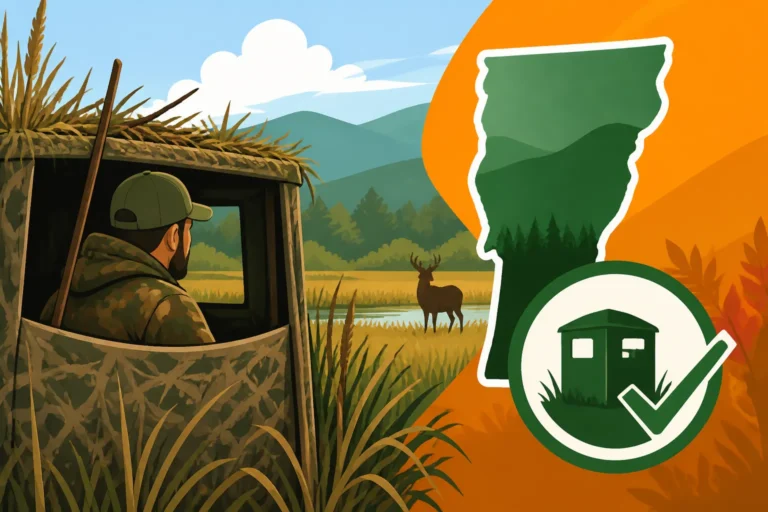
Beyond hunting specifics, the Forest Service has rules regarding vehicle use, camping, campfires, and the placement of treestands and ground blinds. For instance, while permanent stands are generally prohibited, portable treestands and ground blinds are typically allowed for temporary use, but they must be removed after the season. Always verify the most current regulations for Treestand Rules on Vermont Public Land and Ground Blind Rules on Vermont WMAs, as rules can change. Additionally, ensure you understand rules about baiting for bears if you plan to utilize that method, as regulations can be specific to areas and require permits.
Blaze Orange and Hunter Safety
Safety is paramount, especially when hunting in a large, multi-use forest like the GMNF. During Vermont's rifle season and any other period when firearms are permitted for hunting deer, state law requires hunters to wear a minimum amount of blaze orange. This is not optional; it's a critical safety measure to make you visible to other hunters and recreationists. While bowhunting outside of rifle season, blaze orange isn't legally required, it's still a good idea, particularly if you're in areas with other users. During the Hunting a Bow During the Rifle Season Overlap, bowhunters must still adhere to blaze orange requirements.
Always treat every firearm as if it's loaded, keep the muzzle pointed in a safe direction, be sure of your target and what's beyond it, and keep your finger off the trigger until you're ready to shoot. These fundamental rules of hunter safety are never more important than in areas with varied terrain and potentially other users.
Emergency Preparedness and Backcountry Hazards
The vastness and ruggedness of the Green Mountain National Forest mean that emergency preparedness is not just a good idea, it's essential. Even a minor injury can become life-threatening if you're miles from the nearest road and unable to call for help.
Always carry a well-stocked first-aid kit that includes items for cuts, blisters, sprains, and allergic reactions. Know how to use everything in it. Carry enough water for your entire outing, or a reliable water filter if you plan to draw from natural sources. Pack high-energy snacks. Inform someone trustworthy of your hunting plans, including your exact location, expected return time, and who to call if you don't check in.
Be aware of natural hazards: steep, slippery terrain, rapidly changing weather, hypothermia risk, and encounters with wildlife. While rare, bear encounters can occur, so know how to react. Dress appropriately for the conditions and the terrain, and never overestimate your physical abilities. If hunting alone, be extra cautious. The Green Mountains are beautiful, but they demand respect.
Planning Your Green Mountain National Forest Adventure
Hunting the Green Mountain National Forest isn't a spur-of-the-moment decision; it's an adventure that requires thoughtful planning, preparation, and a healthy dose of realistic expectations. But the rewards for that effort can be immense.
Pre-Season Scouting and Digital Mapping
Your hunt success often begins long before opening day, with diligent pre-season scouting. Digital mapping platforms are indispensable for hunting the GMNF. Tools like onX Hunt allow you to pore over satellite imagery, topographical maps, and public/private land boundaries from the comfort of your home. You can identify potential bedding areas on leeward slopes, funnel points where deer might be concentrated, promising food sources like oak or beech ridges, and safe travel routes. The ability to mark waypoints, measure distances, and understand elevation changes can save you countless hours and miles once you're on the ground.
Once you've identified promising areas on your digital maps, then it's time for boots on the ground. Visit these spots in the off-season. Walk the ridges, explore the ravines, and look for actual sign. This physical scouting helps you verify what you see on the map, understand current conditions, and truly learn the lay of the land. It's also an excellent way to get some exercise and gain intimate knowledge of the area, making you a more confident and effective hunter. Consider dropping a few trail cameras, if permitted, to see what's moving through the areas you've identified, ensuring you adhere to Trail Camera Rules on Vermont Public Land.
Physical Conditioning and Mental Grit
Let's be real: hunting in the Green Mountain National Forest is physically demanding. You'll be climbing steep hills, traversing rocky terrain, and potentially dragging an animal out of a tough spot. Good physical conditioning is not just about comfort; it's a safety factor. Start a regular exercise routine well before the season. Focus on cardiovascular fitness, leg strength, and core stability. Hiking with a weighted pack can simulate actual hunting conditions.
Beyond physical prowess, mental grit is equally important. There will be days when the weather is miserable, the climbing feels endless, and you don't see a single deer. It's easy to get discouraged in such vast and challenging terrain. But perseverance, patience, and a positive attitude are what separate successful mountain hunters from those who give up. Embrace the challenge, enjoy the solitude, and appreciate the beauty of the forest, even on the tough days.
Respecting the Resource and Other Users
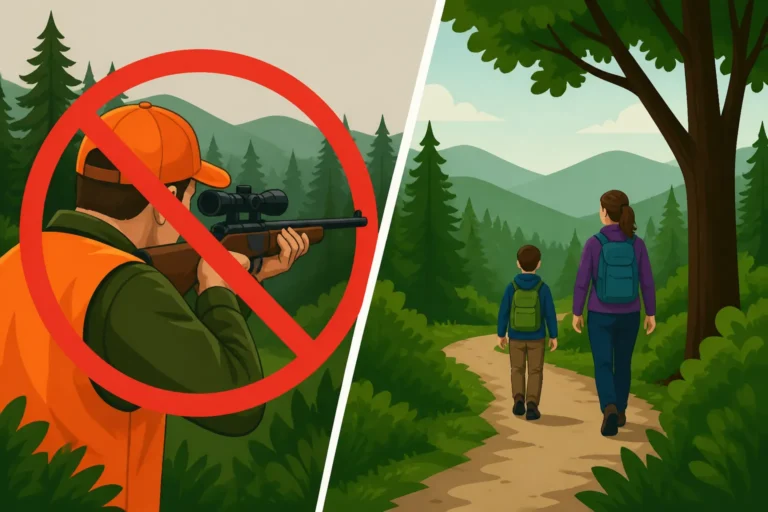
As hunters, we are stewards of the land and its wildlife. Hunting in the GMNF means interacting with a diverse group of other users – hikers, birdwatchers, mountain bikers, and more. Always be courteous and respectful. Clearly display your blaze orange when required, make your presence known without being overly intrusive, and understand that others are there to enjoy the forest in their own way.
Leave no trace of your presence. Pack out all your trash, including spent shell casings. If you harvest an animal, make every effort to recover it quickly and efficiently, and process it cleanly. Report any suspicious or illegal activity you observe. By conducting ourselves ethically and responsibly, we help ensure that the Green Mountain National Forest remains a pristine and accessible hunting ground for generations to come. It’s about more than just filling a tag; it’s about honoring the wild spirit of Vermont.
Disclaimer
This article is for general informational purposes only and does not constitute professional advice. Laws, prices and regulations vary by location and change over time. Consult a qualified professional for guidance on your specific situation.