Finding a Vermont WMA Near You
It can feel like a real puzzle, trying to pinpoint the perfect spot for your next hunt in Vermont. You spend hours poring over maps, cross-referencing regulations, and dreaming of quiet woods, only to feel overwhelmed by the sheer number of options or, conversely, frustrated by how hard it is to actually find those fabled public lands. This guide is here to untangle that frustration, helping you understand, locate, and effectively hunt Vermont's invaluable Wildlife Management Areas, ensuring your time in the field is well-spent and rewarding.
Understanding Vermont's Wildlife Management Areas
Vermont's Wildlife Management Areas, or WMAs as we commonly call them, are cornerstones of our state's conservation efforts and incredible resources for hunters, anglers, and outdoor enthusiasts. They're often overlooked in favor of the vast Green Mountain National Forest, but WMAs offer unique opportunities and challenges. Understanding what they are and how they operate is the first step to unlocking their potential for your hunting adventures.
What Exactly is a WMA?
Think of a WMA as a dedicated piece of public land specifically acquired and managed by the Vermont Fish & Wildlife Department with the primary goal of enhancing wildlife habitat and providing public access for hunting, fishing, trapping, and other compatible outdoor recreation. Unlike state parks, which prioritize recreation and scenic beauty, or state forests that focus on timber production, WMAs are all about the wildlife first and foremost. Every management decision, from timber harvests to wetland restoration, is geared towards creating a healthier ecosystem for game and non-game species alike.
These aren't just random parcels of woods; many WMAs are strategically located to protect critical habitats, like deer wintering yards, migratory bird stopovers, or productive wetlands. The funding for acquiring and maintaining these lands often comes directly from the sale of hunting and fishing licenses, along with federal excise taxes on hunting and fishing equipment through programs like the Pittman-Robertson Act. So, when you buy your license, you're directly contributing to these vital areas. It's a fantastic system that puts your money right back into the ground where it benefits wildlife and, in turn, all of us who cherish the outdoors.
The diversity within Vermont's WMAs is truly remarkable. You might find expansive bogs and wetland complexes like those in the Northeast Kingdom, perfect for waterfowl or moose. Other WMAs might encompass rugged Green Mountain ridges covered in mixed hardwoods, ideal for deer and bear. Then there are those that feature old agricultural fields slowly reverting to forest, providing prime habitat for turkeys and small game. This variety means that no two WMAs are exactly alike, offering a different experience each time you visit. It really speaks to the diverse landscapes Vermont is blessed with, and how our Fish & Wildlife Department works to manage these areas for specific wildlife needs. If you're looking for an overview of these critical lands, make sure to check out Vermont Wildlife Management Areas.
The Benefits and Challenges of Hunting WMAs
Hunting a WMA comes with its own unique set of advantages and hurdles, and it’s important to go in with your eyes wide open. On the benefit side, the most obvious is guaranteed public access. You don’t need to knock on doors or worry about posted signs; if it’s a WMA, you have a right to be there, within the bounds of specific regulations, of course. This alone is a huge relief for many hunters, especially those new to the state or without extensive private land connections. Furthermore, because these lands are actively managed for wildlife, you often find superior habitat. This can translate to better deer density, more turkeys, or thriving grouse populations compared to unmanaged forest land. Habitat work like clear-cuts or prescribed burns, while sometimes looking messy, creates vital browse and cover that holds game.
However, WMAs aren’t without their challenges. One of the biggest factors you’ll encounter is hunting pressure. Because they are publicly accessible and often well-known, WMAs can see a fair amount of foot traffic, especially during peak seasons like the rifle opener. This means deer can become wary, ducks can get pushed off ponds, and finding undisturbed pockets can require more effort. You might also find yourself navigating more specific, localized regulations that go beyond statewide rules, which brings us to another challenge: the need for diligent research. While the overall framework is consistent, certain WMAs might have unique rules regarding ATVs, camping, or even specific hunting methods. It’s crucial to understand these nuances to avoid issues and ensure a smooth hunt.
Ultimately, the key to success on a WMA lies in embracing both the opportunities and the challenges. Recognize that you're often hunting a well-used landscape, but also that active habitat management means the wildlife potential is high. It just might require a bit more planning, a willingness to walk further, or an understanding of how to adapt your tactics to find those less-pressured pockets of game. Don't be discouraged by the thought of other hunters; instead, use it as motivation to scout harder and think smarter.
How Vermont WMAs Are Managed
The way Vermont's Wildlife Management Areas are managed is truly fascinating, and understanding it can actually give you a significant edge as a hunter. These aren't just wild lands left completely untouched; they are actively manipulated environments, all with the goal of creating optimal conditions for wildlife populations to thrive. Knowing why certain things look the way they do can help you predict animal movement and find success.
Habitat Management Practices
When you walk through a Vermont WMA, you're observing a living laboratory of wildlife management. One of the most common and impactful practices you'll see is timber management, but it's not simply about cutting trees for wood. These carefully planned harvests, often in partnership with foresters, are designed to create specific habitat conditions. For instance, clear-cuts, which might look stark at first, rapidly produce dense regrowth of saplings and shrubs. This new growth is a buffet for deer, providing essential browse and security cover that mature, closed-canopy forests simply don't offer. You'll often find deer and other browse-dependent animals congregating on the edges of these younger growth areas.
Beyond timber, WMAs often engage in wetland restoration. This could involve manipulating water levels, creating impoundments, or planting specific vegetation to benefit waterfowl and other wetland-dependent species. Imagine walking into a WMA that suddenly opens into a vibrant marsh – that's often the result of deliberate habitat work. You might also encounter food plots, though these are less common on public land than private. Where they exist, they provide critical nutrition, especially during lean times of the year, concentrating deer, turkeys, and bears. Understanding Habitat Work on Vermont Wildlife Management Areas is key to appreciating and leveraging these efforts. When you see these varied stages of forest and field, remember that each is a deliberate choice, intended to provide food, cover, or breeding grounds for different species, directly influencing where you'll find game.
Regulations Specific to WMAs
While WMAs offer fantastic access, it’s critical to remember that they operate under a specific set of rules, often supplementary to statewide hunting regulations. These regulations are in place to ensure public safety, protect habitat, and maintain fair access for everyone. For example, parking is generally restricted to designated areas, and venturing off-road with ATVs or other vehicles is almost universally prohibited unless explicitly marked for administrative use. This is to minimize disturbance, prevent erosion, and maintain the wild character of the area. It means you’ll often be doing a fair amount of walking, so comfortable, sturdy boots are a must!
Trail cameras are another area where rules can vary. While generally permitted on most public lands in Vermont, some WMAs might have specific guidelines about their placement, duration, or even whether they can be used at all. Similarly, rules regarding camping can differ. Some WMAs might allow primitive camping in designated spots, while others might prohibit it entirely. It’s never safe to assume. Before you head out, always check the Vermont Fish & Wildlife Department's website or contact the regional office for the specific WMA you plan to visit. Ignorance of a rule is never an excuse, and a simple phone call or a few minutes online can save you a lot of hassle. Paying attention to Treestand Rules on Vermont Public Land and similar guidelines is paramount for a respectful and legal hunt.
Strategies for Finding a WMA Near You
Finding a WMA that suits your hunting style and target species can feel like detective work, but thankfully, modern tools and good old-fashioned legwork can make the process much smoother. It’s about combining digital efficiency with boots-on-the-ground knowledge.
Leveraging Digital Mapping Tools
In today's hunting world, digital mapping apps have become indispensable, especially for navigating public lands like WMAs. The Vermont Fish and Wildlife Department offers its own app, which is a fantastic starting point. It provides basic WMA boundaries, but for real detail, you'll want to dive into more robust platforms. This is where tools like onX Hunt and GoHunt really shine. These apps allow you to overlay public and private land boundaries directly onto satellite imagery and topographic maps, making it incredibly easy to identify WMAs.
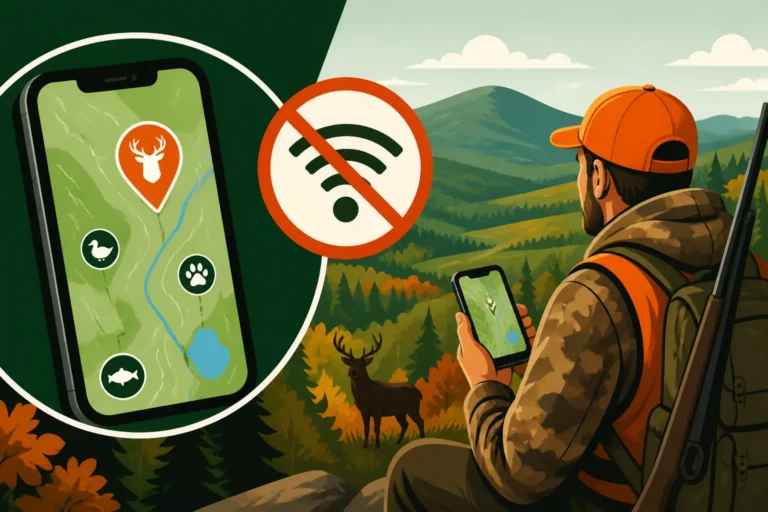
With onX Hunt, for instance, you can see not just the WMA boundary, but also often individual property lines within the surrounding area. This is invaluable for understanding access points, potential pinch points where deer might cross between public and private land, and making sure you don't inadvertently trespass. You can download maps for offline use, which is critical when you're deep in the Northeast Kingdom and cell service is a distant memory. The ability to drop waypoints, track your movement, and measure distances directly on your phone transforms scouting and hunting. Similarly, GoHunt offers robust mapping features that cater to hunters, providing similar detailed land ownership information and topographical insights. These platforms become your portable, interactive map, helping you visualize the terrain, identify potential hunting spots, and plan your approach before you even step foot in the woods. Learning about onX Layers for Vermont Land Status can dramatically improve your ability to discern legal hunting boundaries.
Old-School Research and Scouting
While digital maps are a game-changer, don't neglect the power of traditional research and pre-season scouting. Start with the Vermont Fish & Wildlife Department's official website. They have dedicated pages for each WMA, often providing detailed maps, descriptions of habitat types, and specific regulations unique to that area. Printing out these maps and marking them up can be a great way to augment your digital tools. Don't underestimate the value of a phone call to a regional biologist or game warden; these folks are a wealth of local knowledge and can offer insights into specific WMA conditions or recent management activities.
Once you’ve narrowed down a few potential WMAs using your digital and traditional research, it’s time to hit the woods. Pre-season scouting is non-negotiable, especially on publicly accessible land. This means walking the access roads, identifying entry points, looking for deer sign – rubs, scrapes, tracks, and bedding areas – and understanding the flow of the land. Pay attention to natural funnels, transitions in habitat, and potential travel corridors. Look for areas that might deter other hunters, like thick brush, steep ravines, or swampy sections; these often hold less-pressured game. Remember, finding a WMA on a map is just the beginning; learning how to hunt it effectively comes from immersing yourself in its terrain and observing its wildlife patterns. This is where you truly start Scouting Vermont Public Land Before Season.
Exploring Key Vermont WMAs and Their Offerings
Vermont is blessed with a diverse array of Wildlife Management Areas, each offering a unique hunting experience depending on the region and habitat. While it's impossible to cover every single one, let's explore some highlights across the state to give you a flavor of what's available.
Northern Vermont WMA Highlights
When you head up to Northern Vermont, particularly the Northeast Kingdom, you'll find WMAs characterized by vast, wild landscapes, often with significant wetland components and expansive timber tracts. These areas are prime for species like moose, bear, and various waterfowl, alongside healthy populations of deer and grouse. A prime example is the Victory Basin Wildlife Management Area. This sprawling WMA is a mosaic of spruce-fir swamps, open bogs, and mixed hardwood uplands. It’s incredibly remote in places, offering a truly wild experience. For the hunter willing to put in the miles, it’s a fantastic spot for Moose Hunting Vermont's Northeast Kingdom, as well as a great place to find grouse and snowshoe hare in the dense cover. Waterfowl hunters will find opportunities around its numerous wetlands.
Another gem in the north is Steam Mill Brook Wildlife Management Area. While smaller than Victory Basin, it provides excellent opportunities for deer and bear, particularly in its mixed forests and areas with regenerating timber. The terrain here can be rugged, but it rewards those who get off the beaten path. West Mountain Wildlife Management Area, also in the Northeast Kingdom, offers similar mixed habitat, often with higher elevations and steep slopes. These northern WMAs generally see less overall hunting pressure than those closer to population centers, though they demand more physical exertion and a greater reliance on self-sufficiency. They are the perfect proving ground for those looking to challenge themselves and immerse themselves in truly wild Vermont. You can learn more about its specific opportunities by exploring Victory Basin Deer and Grouse Access.
Central and Southern Vermont WMA Opportunities
Moving south, WMAs in Central and Southern Vermont often feature more rolling hills, a higher proportion of mixed hardwoods and agricultural fringes, and generally easier access. These areas tend to be excellent for white-tailed deer and wild turkeys, with small game like squirrels and grouse also abundant. While perhaps not offering the same moose potential as the north, they hold robust deer populations, especially where agricultural lands provide abundant food sources. Many of these WMAs are situated within or adjacent to the fertile Champlain Valley or along the Connecticut River, bringing unique habitat dynamics.
Consider WMAs in regions with a blend of forest and former farm fields. These transition zones, where dense woods meet old pastures or powerline cuts, are magnets for deer and turkeys. You might find smaller, more fragmented WMAs that act as crucial wildlife corridors between larger private parcels. Hunting these areas requires an understanding of how game moves between different land types, often utilizing cover to travel undetected. They might see more pressure due to proximity to towns, but often, just walking a bit further than others, or targeting mid-week hunts, can reveal pockets of undisturbed game. For deer hunters, understanding how Vermont Deer Population Estimate relates to these varied WMU habitats can guide your choices. These WMAs are ideal for hunters looking for diverse game opportunities without venturing deep into the most remote parts of the state.
Maximizing Your Success on a Vermont WMA
Hunting a WMA isn't just about finding the boundaries; it's about understanding how to effectively hunt within them, especially when facing common challenges like pressure and varied terrain. With a thoughtful approach, you can turn these public lands into productive hunting grounds.
Dealing with Hunting Pressure
Let's be realistic: WMAs, especially easily accessible ones, are going to see other hunters. It's just a fact of public land hunting. But don't let that deter you! Instead, use it to your advantage. Other hunters, particularly those who stick to main trails and easily accessible areas, will often push game towards less-traveled spots. Your strategy should be to go where others won't. This often means walking further, much further than the average hunter. Embrace that extra mile, or two, or three, away from parking lots and established paths. The deeper you go, the higher your chances of finding unpressured deer or turkeys.
Consider hunting during the week rather than on weekends if your schedule allows. Mid-week pressure is almost always significantly lighter. Also, pay attention to terrain features that act as natural barriers. Steep ravines, dense swamps, or thick, thorny clear-cuts are often ignored by hunters looking for easier walking. These are precisely the places where wary bucks will often seek refuge. Learning to read how pressure affects game movement is a skill honed over time, but always remember: the path of least resistance for you is often the path of most resistance for the game. Look for Finding Ground Others Walk Past – those overlooked pockets can be goldmines.
Adapting Your Tactics to WMA Terrain
Vermont's WMAs offer a fantastic variety of terrain, from the flat, boggy expanses of the Northeast Kingdom to the steep, rocky slopes of the Green Mountains. Successful hunting means adapting your tactics to whatever lies underfoot. In those boggy, wetland WMAs, stealth becomes paramount. Waterfowl hunters will need waders and robust blinds, while deer hunters might find that tracking game through swampy areas is quieter than crunching through dry leaves on a ridge. Understanding wind and thermals is always important, but it takes on an even greater significance in steep, mountainous terrain. Cold air sinks, warm air rises, creating predictable drafts that can carry your scent or the scent of game. Always try to position yourself so your scent is carried away from where you expect game to appear.
In dense hardwood forests, silent still-hunting or methodical stand hunting over natural food sources like oak or beech ridges becomes highly effective. For detailed guidance on navigating complex terrain and understanding the environment, consider reading Wind and Thermals in Steep Green Mountain Terrain. You'll also need the right gear for the conditions – waterproof boots for wet lowlands, good traction for steep climbs, and appropriate layering for fluctuating temperatures. Each WMA is a unique environment, and the more you learn about its specific characteristics, the better equipped you'll be to adapt your hunting methods and ultimately fill your tag.
| WMA Type (Example) | Primary Game Species | Key Habitat Features | Typical Challenges | Success Tips |
|---|---|---|---|---|
| Northern Bog/Forest (e.g., Victory Basin) | Moose, Bear, Waterfowl, Ruffed Grouse, Snowshoe Hare | Spruce-fir swamps, open bogs, mixed hardwoods, remote | Remote access, dense cover, biting insects, few roads | Deep woods scouting, patience, sturdy boots, GPS |
| Central Mixed Hardwood (e.g., Smaller, Accessible WMAs) | White-tailed Deer, Wild Turkey, Squirrel | Mixed hardwoods, regenerating timber, some old fields | Higher hunting pressure, fragmented habitat, visibility | Walk further, hunt mid-week, focus on transition zones |
| Southern River Valley/Foothills (e.g., Connecticut River WMAs) | White-tailed Deer, Waterfowl, Cottontail, Coyote | River bottoms, agricultural edges, rolling hills, wetlands | Varying access, private land proximity, localized pressure | Utilize creek bottoms, scout field edges, obtain permission for adjacent private |
Disclaimer
This article is for general informational purposes only and does not constitute professional advice. Laws, prices and regulations vary by location and change over time. Consult a qualified professional for guidance on your specific situation.