Hunting Vermont’s Missisquoi National Wildlife Refuge
Finding prime public hunting land in Vermont can sometimes feel like solving a riddle, especially when you’re looking for areas that offer diverse opportunities beyond just general woods hunting. Many hunters struggle with understanding specific regulations on special lands, and the Missisquoi National Wildlife Refuge is one such place that, while incredibly rich in wildlife, comes with its own set of unique rules and challenges. This guide is here to walk you through everything you need to know to confidently plan and execute a hunt within the Missisquoi NWR, helping you navigate its distinct ecosystem and regulations.
Understanding the Missisquoi National Wildlife Refuge
The Missisquoi National Wildlife Refuge, nestled in the northwest corner of Vermont where the Missisquoi River meets Lake Champlain, is a gem for both wildlife and those who seek to respectfully engage with it. It’s not just another patch of woods; it's a dynamic landscape managed primarily for migratory birds, making it a critical stopover and breeding ground along the Atlantic Flyway. This focus on waterfowl means that while deer and other upland species are present, the primary hunting opportunities often revolve around ducks and geese.
History and Purpose of the Refuge
Established back in 1943, the Missisquoi NWR’s primary mission has always been the protection and management of migratory bird populations, particularly waterfowl, and other native wildlife. The refuge spans over 7,000 acres, encompassing a mosaic of habitats crucial for countless species. This includes extensive wetlands, marshlands, river delta, floodplains, and some upland forests. The very essence of its creation dictates how it's managed, which directly impacts hunting opportunities. For instance, management activities often include controlled water levels to promote specific aquatic vegetation vital for migrating ducks and geese. Understanding this foundational purpose helps hunters appreciate why certain areas might be closed, or why specific hunting methods are encouraged over others. It’s a place where conservation and careful management truly dictate the rules of engagement for hunters.
Unique Ecosystems Within the Refuge
What makes Missisquoi truly special, and sometimes challenging, for hunters is its incredibly diverse and often watery ecosystem. You’re not just walking through hardwoods here; you're navigating extensive cattail marshes, vast floodplains, and the intricate delta of the Missisquoi River. These habitats support a staggering array of wildlife, from the abundant muskrats and mink to the various species of ducks and geese that rely on its waters. The river delta itself is a complex network of channels, mudflats, and emergent vegetation, constantly changing with water levels and seasonal floods. Further inland, you'll find some upland forested areas, primarily silver maple and green ash flood-tolerant stands, which provide cover and forage for deer and other creatures. This mosaic of wet and drier habitats means that successful hunting here requires a different approach, a keen eye for subtle changes in terrain, and often, specialized gear for marsh navigation.
Permitted Hunting Activities at Missisquoi NWR
Hunting at Missisquoi NWR is a privilege, and it’s specifically designed to align with the refuge’s conservation goals. While the refuge is famous for its incredible waterfowl opportunities, there are also chances to pursue other game species. It's crucial to remember that hunting here is often limited to certain areas and specific times of the year, all to minimize disturbance to nesting and roosting birds, and to manage wildlife populations responsibly.
Waterfowl Opportunities
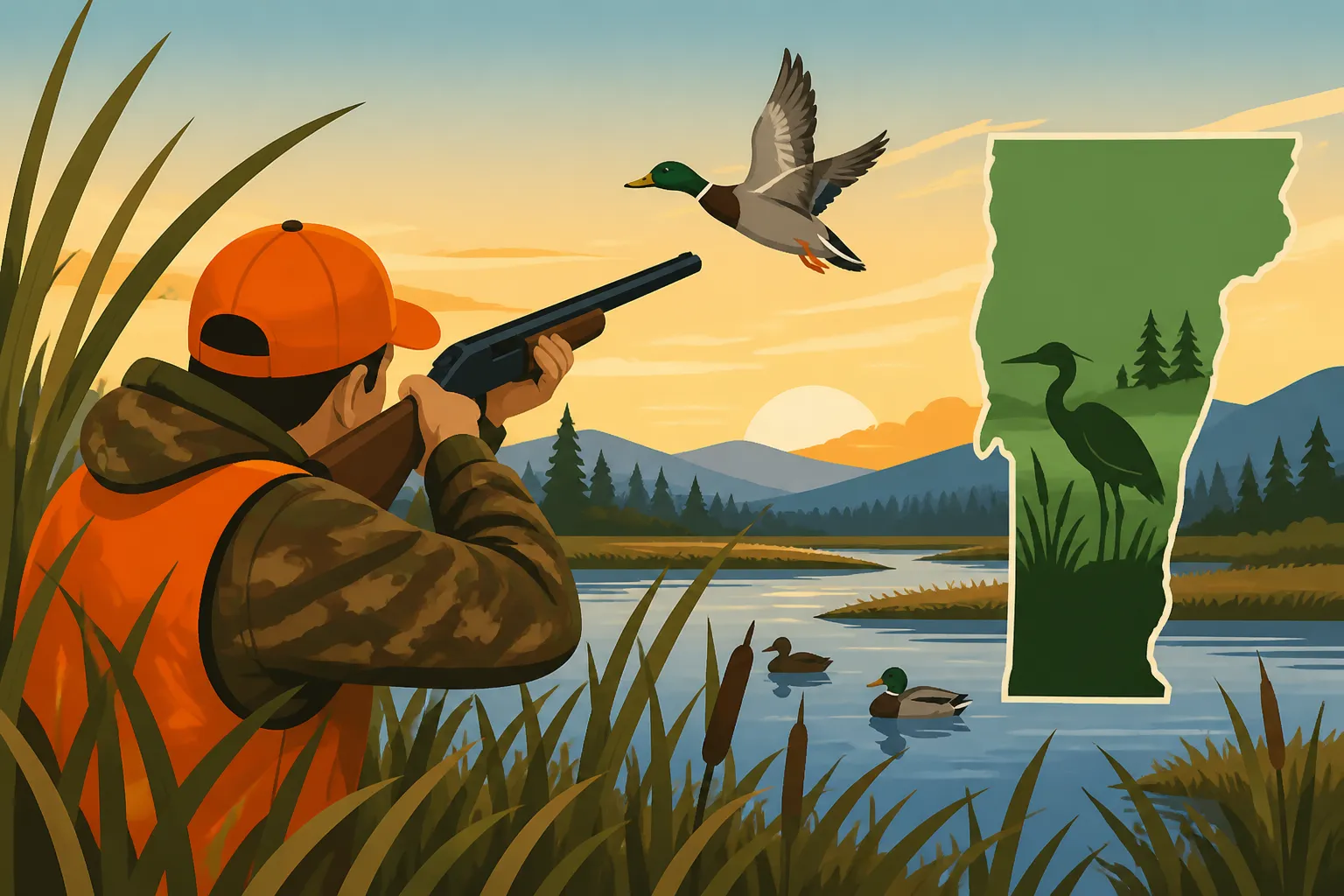
If you're a duck or goose hunter, Missisquoi NWR is probably already on your radar, and for good reason. The refuge offers some of the best waterfowl hunting in Vermont, drawing in birds from across the Atlantic Flyway. Hunters can expect to encounter a variety of duck species, including mallards, black ducks, wood ducks, green-winged teal, and gadwalls, particularly during the peak migration periods. Canada geese also utilize the refuge extensively. The vast marshlands and river delta provide ideal feeding and resting areas, making it a magnet for these birds.
Access for waterfowl hunting is often by boat, navigating the Missisquoi River and its various channels. This means bringing a reliable boat, appropriate safety gear, and being prepared for varying water levels. Decoy spreads are a common tactic, and finding the right hide in the natural marsh vegetation can make all the difference. Remember, the focus here is on ethical hunting and respecting the resource, so understanding bag limits and species identification is paramount. It’s a truly immersive experience that connects you directly with the pulse of bird migration. Decoying Ducks on Lake Champlain is a great resource to learn more about similar strategies.
Upland Game and Deer
While waterfowl often take center stage, Missisquoi NWR also offers limited opportunities for hunting upland game and deer. For deer hunters, the upland forested sections and the edges of the marsh provide cover and food sources. These deer are often accustomed to the wet environment, so knowing how to read sign in muddy areas and understanding their travel corridors along slightly higher ground can be key. Deer drives are often impractical given the terrain, so still-hunting or stand hunting on the fringes of the marshes or in the small pockets of woods can be effective. Make sure to check the specific refuge regulations for dates and areas open for deer hunting, as these can be quite precise.
Small game opportunities might include squirrel hunting in the limited hardwood stands, particularly near mast crops like oaks or beech if they are present. Some areas might also offer rabbit hunting. Again, specific zones and seasons apply, so a thorough check of the refuge’s annual hunting brochure is non-negotiable. Hunting these species can be a quiet way to experience the refuge, offering a different perspective than the often-bustling waterfowl season. Just imagine the quiet satisfaction of Squirrel Hunting Green Mountain Hardwoods within this unique wetland-dominated landscape.
Navigating Regulations and Access
Hunting within a National Wildlife Refuge like Missisquoi comes with a stringent set of regulations that are often more restrictive and specific than statewide Vermont hunting laws. These rules are designed to protect the fragile ecosystem and manage wildlife sustainably. Ignoring them isn't just a risk; it's a sure way to ruin your hunt and potentially face serious consequences.
Specific Permit Requirements
Unlike general public lands in Vermont, hunting at Missisquoi NWR almost always requires more than just your standard state hunting license and species tags. Often, hunters need to obtain a specific refuge permit in addition to their Vermont licenses. These refuge permits are typically free but might require an application process or simply picking one up from the refuge office or an approved vendor. The permit outlines the specific regulations, open areas, and season dates unique to Missisquoi.
For waterfowl, there might be specific check-in/check-out procedures, designated parking, or limits on the number of hunters in certain zones on any given day. Deer hunting, if permitted, could also have separate draw systems or limited permits for specific areas. My advice? Treat the refuge permit and its associated rules as your bible for hunting here. It's not uncommon for these rules to change annually based on wildlife surveys and management objectives, so don't rely on last year's information. A quick call to the refuge office or a visit to their website before you head out is a must.
Understanding Closed Areas
One of the most critical aspects of hunting Missisquoi NWR is understanding which areas are open and which are strictly closed to hunting, or even entry. Because the refuge's primary mission is wildlife conservation, many areas are designated as "sanctuaries" or "no-entry zones" to provide undisturbed resting and feeding areas for migratory birds. These closed areas are typically well-marked with signs, but it's your responsibility to know where you are at all times.
Using a reliable mapping app like onX Hunt is absolutely invaluable here. You can download the refuge's boundaries and even specific hunting zone maps directly to your phone, allowing you to see your location relative to open and closed areas, even without cell service. Imagine the frustration of setting up a perfect spread only to realize you’re a few yards into a closed zone – it’s a mistake easily avoided with good mapping tools. Always cross-reference your app with physical signs on the ground, especially near boundaries. Respecting these closed areas isn't just about following the law; it's about respecting the very purpose of the refuge and ensuring its long-term health for wildlife and future hunters.
Key Hunting Zones and Habitat Types
The Missisquoi National Wildlife Refuge isn't a monolithic block of land; it's a patchwork of different habitats, each offering unique hunting experiences and requiring tailored strategies. Understanding these zones and their predominant habitat types is crucial for planning a successful hunt and ensuring you're in the right place at the right time.
Marsh and Riverine Zones
The vast majority of the Missisquoi NWR is dominated by marsh and riverine habitats, particularly around the delta of the Missisquoi River. These areas are the undisputed champions for waterfowl hunting. Think dense cattail stands, open water pockets, shallow mudflats, and a labyrinth of slow-moving channels. Ducks and geese flock to these zones for the abundant aquatic vegetation, invertebrates, and safe roosting spots.
Hunting here often means navigating by small boat or canoe, wading through knee-to-waist-deep water, and setting up decoys strategically. Understanding the daily tides and water levels is critical, as they can greatly influence where birds feed and how easily you can access certain spots. For instance, low water might concentrate birds in deeper channels, while higher water could spread them out across flooded vegetation. Being proficient with a paddle and having a good sense of direction, especially in thick fog, are essential skills. You might find yourself Reading a Marsh for a Morning Flight as the sun barely touches the horizon, listening for the tell-tale wing beats overhead.
Upland and Forested Areas
While smaller in comparison to the wetlands, the refuge does contain pockets of upland and forested areas, particularly along the eastern fringes and higher ground that doesn't regularly flood. These areas are where you'll find most of the opportunities for deer and some small game. The forests are predominantly bottomland hardwoods, often a mix of silver maple, green ash, and some cottonwood, with an understory that can vary from relatively open to quite thick.
Deer use these areas for bedding, browsing on available forage, and as travel corridors between different parts of the refuge. Scouting these forested edges and transition zones between uplands and wetlands can reveal deer trails, rubs, and scrapes. Look for areas where the ground is slightly elevated, offering a dry spot to bed down, or natural funnels that deer might use to cross from one section of the marsh to another. While these areas might not hold the sheer numbers of deer found in other parts of Vermont, the deer here are wild and can offer a challenging hunt. They also provide valuable cover for other critters like squirrels.
Tips for a Successful Hunt at Missisquoi
Hunting Missisquoi NWR isn't your everyday Vermont hunting trip. It requires meticulous planning, the right gear, and a solid understanding of both the land and its unique regulations. Going in unprepared can lead to a frustrating experience, but with a few key strategies, you can significantly increase your chances of success.
Scouting and Mapping Tools
Effective scouting is absolutely non-negotiable at Missisquoi. Given the dynamic nature of the wetlands and the specific open/closed zones, you simply cannot show up on opening day and expect to figure it out. Start by obtaining the latest refuge map, either online or from the refuge office. Study it intensely, paying close attention to open hunting areas, access points, and especially, the no-entry zones.
Beyond paper maps, digital tools are your best friend. As mentioned earlier, onX Hunt is phenomenal for this. You can download satellite imagery and topographical maps, mark potential access routes, scout for high-percentage areas (like bottlenecks in the marsh, pockets of timber within a wetland, or small ridges in the upland), and track your movements in real-time. This is particularly useful when navigating the often-featureless marsh or dense river delta where it's easy to get disoriented. Pre-season scouting, even without a firearm, is essential. Observe bird patterns, look for deer sign, and get a feel for the terrain and water levels. A tool like GoHunt (while primarily Western focused) can also provide general insights into habitat types and game movements through its wealth of articles and mapping features, even if not specifically for Missisquoi. Knowing Reading Aerial Photos for Green Mountain Deer will directly translate to success here.
| Aspect | Importance for Missisquoi NWR Hunt | Key Actions | Tools Recommended |
|---|---|---|---|
| Scouting | Critical, complex environment | Identify open zones, access points, bird travel routes, deer sign. | Refuge maps, onX Hunt satellite view, binoculars |
| Regulations | Strict, specific to NWR | Obtain annual refuge permit, study rules, know open/closed areas. | Refuge brochure, website, phone call to office |
| Access | Often water-based, limited | Plan boat launch, understand water levels, mark routes. | onX Hunt for GPS tracking, marine charts |
| Weather | Significant impact on conditions | Monitor wind, precipitation, temperature for bird movement and comfort. | Local weather apps, marine forecasts |
| Gear | Specialized for wetlands | Waders, boat, decoys, waterproof bags, appropriate clothing. | – |
Patience and Persistence
Hunting Missisquoi NWR often demands a higher level of patience and persistence than many other hunting locales. This isn't a place for quick, easy hunts. Waterfowl hunting can mean long, cold sits in a blind, waiting for birds to fly, often in challenging weather conditions. Deer hunting in the limited upland areas might mean hours of still-hunting through thick cover or quiet waits in a stand.
The unique environment and the pressure from other hunters (especially during peak waterfowl season) can make game wary. Birds might circle warily, and deer will be alert. Don't get discouraged if the action isn't immediate. Focus on the experience, the incredible natural beauty, and the satisfaction of hunting in such a wild and special place. Being prepared to spend an entire day out, with proper food, water, and warm clothing, will make those long waits much more bearable. Remember that success in hunting often comes to those who are willing to put in the time, adapt to conditions, and stay positive. Embracing the challenge is part of the reward of Waterfowl Hunting Vermont's Three Zones or pursuing deer in the unique landscape of Missisquoi.
Challenges and Considerations
Hunting the Missisquoi National Wildlife Refuge offers incredible rewards, but it also comes with its own unique set of challenges that every hunter needs to be aware of and prepared for. From managing encounters with other outdoor enthusiasts to respecting the delicate balance of the ecosystem, successful hunts here mean more than just knowing where the game is.
Managing Hunting Pressure
As a popular public hunting destination, especially for waterfowl, Missisquoi NWR can experience significant hunting pressure, particularly on weekends and during prime migration periods. This isn't always a bad thing, as active hunting can sometimes keep birds moving, but it also means you might encounter other hunters in your chosen spots. Managing this means being respectful, understanding, and communicative.
Arrive early to your desired spot, especially if it's a popular access point. Be prepared to share the resource and maintain a safe distance from other hunting parties. Sometimes, talking with other hunters can actually lead to valuable information or coordinated efforts that benefit everyone. Having a backup plan for multiple hunting locations within the open zones is a smart strategy, as your first choice might already be occupied. Knowing Finding Ground That Sees Fewer Hunters on public land generally can help you identify less-pressured areas within the refuge, even if it means a longer walk or a more challenging boat ride.
Environmental Respect and Minimum Impact
Hunting in a National Wildlife Refuge carries an even greater responsibility for environmental respect and leaving no trace. The refuge exists to protect fragile ecosystems, and hunters are guests in this critical habitat. This means adhering strictly to all regulations regarding litter, game retrieval, and respecting non-hunting areas. Pack out everything you pack in, and if you see litter left by others, consider taking it out with you.
Be mindful of the vegetation and terrain, especially in the sensitive marshlands. Avoid unnecessary damage to plants or disturbing non-target wildlife. Game retrieval methods should minimize impact – using a boat or careful wading rather than crashing through sensitive areas. This philosophy extends beyond the hunt itself. Consider the impact of your vehicle, your boat motor, and even your presence. By acting as responsible stewards of this incredible natural resource, we ensure that hunting opportunities at Missisquoi NWR remain available for generations to come. It’s about more than just bagging game; it’s about upholding the integrity of the wild places we cherish.
Disclaimer
This article is for general informational purposes only and does not constitute professional advice. Laws, prices and regulations vary by location and change over time. Consult a qualified professional for guidance on your specific situation.