Vermont Area Closures in Season
Hunting in Vermont is an incredible experience, offering diverse landscapes from the rugged Green Mountains to the fertile Champlain Valley. However, nothing sours a planned hunt faster than arriving at your carefully scouted spot only to find it unexpectedly closed or subject to restrictions you weren't aware of. It's a common frustration, especially when public and private land boundaries can be complex and rules vary. This guide will help you understand the various reasons behind area closures and restrictions in Vermont during hunting season, ensuring you're prepared and can avoid those disappointing surprises.
Understanding Safety Zone and Setback Regulations
One of the most fundamental aspects of hunting responsibly in Vermont, and indeed anywhere, is understanding the legal safety zones and setback requirements. These aren't just arbitrary rules; they are put in place to protect people, livestock, and property, ensuring that hunting remains a safe activity for everyone, whether they are in the woods or going about their daily lives near hunting areas. Ignoring these can lead to serious legal trouble, or worse, an accident.
Distances from Occupied Dwellings and Buildings
Vermont law has clear stipulations about how close you can be to an occupied dwelling or certain buildings when discharging a firearm or bow. This isn't about whether you think you can make the shot without hitting anything; it's about the inherent danger and the public's right to feel safe on their own property. Imagine you've spent months scouting a prime buck travel corridor, only to realize the thick cover you planned to hunt butts right up against a farmer's barn or a remote cabin that, unbeknownst to you, is occupied for a weekend retreat. This scenario is frustrating, but the law is absolute.
Generally, you cannot discharge a firearm within a certain distance of an occupied dwelling or a building used for human or domestic animal occupancy, without explicit permission from the owner or occupant. This rule often extends to the property curtilage as well, encompassing outbuildings, yards, and other areas immediately surrounding a residence. It means that even if you're on public land, if your shot would project into or too close to private property with an occupied building, you're out of bounds. Always double-check current regulations for exact distances, as these can be updated, but the spirit of the law remains: safety first. A quick check of your map before you ever leave the truck can save you a lot of grief, and possibly a ticket.
Roads, Trails, and Other Public Access Points
Beyond private dwellings, various public access points and infrastructure also have their own safety zones. This includes paved and unpaved public roads, designated hiking trails, snowmobile trails, and even some waterways. Think about how many people enjoy Vermont's beautiful outdoors – hikers, mountain bikers, dog walkers, and cross-country skiers – often on the same trails or roads that hunters use for access. These rules are designed to prevent accidental shootings, but also to minimize the perception of danger and maintain peace between different user groups.
Hunting too close to a public road, for example, could mean a ricochet could hit a passing vehicle, or simply that the sound of your shot could startle drivers or nearby residents. Similarly, discharging a weapon too near a popular hiking trail, like a section of the Long Trail or even a local town forest path, could put an unsuspecting recreationalist at risk. These setbacks can effectively create "no-go" hunting zones in otherwise promising areas, even if the land itself is public and open to hunting. It's crucial to consult maps and signage to understand where these trails and roads run and to give them a wide berth. Remember, your responsibility extends beyond just hitting your target; it includes ensuring the safety of everyone in the vicinity. For more on navigating public access, check out our guide on Hunting Public Land in Vermont.
Navigating Wildlife Management Area and Sanctuary Restrictions
Vermont is blessed with extensive public lands, including numerous Wildlife Management Areas (WMAs) and even some designated sanctuaries. While these are fantastic resources for hunters, they aren't always a free-for-all. Each of these areas can come with its own unique set of rules, seasonal closures, or even outright prohibitions on hunting in specific sections. It's critical to understand these nuances, as a WMA isn't just "public land" – it's a managed public land with specific conservation goals.
Specific Rules for Wildlife Management Areas (WMAs)
Wildlife Management Areas, which fall under the umbrella of Vermont Wildlife Management Areas, are jewels for hunters in the state. They're typically managed by the Vermont Fish & Wildlife Department with a focus on habitat for various game and non-game species. While the vast majority of WMA land is open to hunting during designated seasons, it's a mistake to assume that all of it is always open or that all general hunting regulations apply uniformly.
Many WMAs might have specific sections that are temporarily or even permanently closed to hunting. For instance, a WMA might contain sensitive wetland habitats where waterfowl nesting occurs, leading to temporary closures during spring and early summer. Other sections could be designated as winter deer yards, and while hunting is often permitted there, sometimes specific restrictions might be implemented to reduce disturbance during harsh conditions. Logging operations for habitat improvement are common in WMAs, and these areas might be temporarily closed for hunter safety. Always look for posted signs at WMA access points and consult the VFWD website or the annual hunting guide for WMA-specific rules. For example, a place like Victory Basin Deer and Grouse Access might have nuanced regulations that differ from, say, a WMA in the Champlain Valley. It's your responsibility to know before you go.
National Wildlife Refuges and State Sanctuaries
Beyond state-managed WMAs, Vermont also hosts national wildlife refuges and state-designated wildlife sanctuaries. These areas often have even more stringent restrictions, and in some cases, prohibit hunting entirely. National Wildlife Refuges, like the Missisquoi National Wildlife Refuge in the Champlain Islands, operate under federal regulations in addition to state laws. While some refuges allow limited hunting for certain species during specific seasons, others are entirely closed to hunting and focused solely on wildlife observation or research. For instance, Hunting Vermont's Missisquoi National Wildlife Refuge details the specific hunting opportunities and limitations in that unique federal area. It's never safe to assume a refuge is open for hunting without thoroughly checking their specific rules and permits.
State wildlife sanctuaries are another category of restricted land. These are areas specifically designated for the protection of certain species or habitats, and often, hunting is completely prohibited year-round. These closures might protect critical nesting sites for endangered birds, crucial habitats for rare plants, or serve as research areas where wildlife populations are studied without human interference. These aren't always large, expansive tracts of land; they can sometimes be smaller, isolated parcels. Knowing their locations and respecting their boundaries is paramount for ethical hunting and wildlife conservation. These designations often reflect a long-term commitment to preserving Vermont's biodiversity, and understanding their purpose is key to being a responsible outdoorsperson.
Respecting Private Landowner Decisions and Posted Areas
A significant portion of Vermont's landscape is privately owned, and understanding the rules surrounding private land access is arguably the most important aspect of avoiding unintended area closures. The relationship between hunters and landowners is a cornerstone of our hunting heritage, and respecting their property and decisions is non-negotiable.
The Importance of Permission on Private Land
In Vermont, the general rule is simple: you must have permission to hunt on private land. This isn't just a suggestion; it's a legal requirement. Whether the land is posted with "No Hunting" signs or not, the onus is on you, the hunter, to know who owns the land and to secure permission before stepping foot on it with a weapon. This is where a lot of hunters can get into trouble. You might see what looks like an endless woodlot, assume it's public, only to find out it's part of a working dairy farm or a family's private recreational parcel.
Gaining permission is not always easy, but it’s a vital step. Knocking on doors, introducing yourself, and demonstrating respect for the landowner and their property can go a long way. Many Vermont landowners are generous, especially if they know you'll be respectful, clean up after yourself, and perhaps even offer some venison. Failing to obtain permission can result in trespass charges, hefty fines, and, perhaps most importantly, damages the reputation of all hunters. For a deeper dive into Vermont's specific laws, read our guide on What Vermont Trespass Law Requires and Do You Need Written Permission in Vermont?. Always err on the side of caution: if you don't have explicit permission, do not hunt there.
Land Trust Properties and Conservation Easements
An increasingly common scenario in Vermont involves land held by land trusts or under conservation easements. These properties represent a fantastic effort to conserve natural resources and open space, but their access rules for hunting can vary widely. A land trust might acquire a parcel with the intention of keeping it forever wild, and hunting might be fully permitted, restricted to certain seasons, or even entirely prohibited depending on the specific terms of the easement or the trust's management plan.
It's absolutely crucial not to assume access on these lands. Just because a property is conserved doesn't automatically mean it's open for public hunting. Each land trust, and sometimes even individual conservation easements, will have its own specific guidelines. For example, one easement might allow archery hunting but prohibit firearms, while another might be open for all legal seasons. You'll need to research the specific organization or easement holding the land. Websites, direct contact, or even detailed mapping applications like onX Hunt can often provide insights into these access rules. Checking with the local land trust or the Vermont Land Trust directly is always the safest bet. Understanding these nuances, especially with properties like Hunting a Land Trust Easement Property, is key to avoiding an unwelcome confrontation or violation.
Temporary and Special Use Closures Affecting Hunters
Beyond the more permanent or consistent regulations, there are also various temporary and special use closures that can pop up during hunting season. These are often less predictable but equally important for hunters to be aware of. They can range from industrial activities to planned public events, and not knowing about them can lead to wasted time or even safety hazards.
Logging Operations and Forest Management Activities
Vermont's working landscapes mean that logging and other forest management activities are a regular occurrence, even on public lands like state forests or large private timber holdings. When active logging is underway, an area that was previously open and productive for hunting might become temporarily closed for safety reasons. Heavy machinery, falling trees, and active work crews pose a significant risk to anyone else in the woods. Imagine setting up your treestand only to hear the unmistakable roar of a chainsaw just a hundred yards away, or worse, heavy equipment moving through the woods near your approach.
These closures are usually well-marked at access points, with signs indicating active operations and advising against entry. However, sometimes signs can be missed or removed. It's always a good idea to pay attention to fresh logging roads, new skid trails, or recent clear-cuts when scouting, as these are indicators of potential ongoing or future work. Checking with the Vermont Department of Forests, Parks and Recreation for state forest lands, or even local timber companies for large private tracts, can provide advance warning. These temporary closures are for everyone's safety, and respecting them is critical to preventing accidents. Finding out about these through your mapping app's satellite view or scouting beforehand can really save your hunt.
Public Events, Races, and Other Recreational Closures
Vermont is a hub for outdoor recreation, and during the fall, it's not uncommon for various public events, races, and festivals to take place. These can sometimes result in temporary closures or highly restricted access to certain areas that hunters might otherwise use. Think about popular state parks or public lands that host fall foliage festivals, trail running races, mountain bike events, or even historical reenactments. While these events are often for a good cause and bring economic benefit, they can conflict directly with hunting activities.
These closures are typically well-advertised by the event organizers and the managing land agency (e.g., Vermont State Park Hunting Rules might have a notice). Checking the websites of state parks, town recreation departments, or even local chambers of commerce for event calendars can give you a heads-up. While a state park might generally allow hunting in certain sections, an organized race on its trails could temporarily prohibit all public access, including hunting, to ensure the safety of participants. It’s always better to know in advance and plan an alternative spot than to show up on opening day only to find a marathon in full swing. Being adaptable is a key trait of a successful Vermont hunter.
Staying Informed: Resources for Up-to-Date Closure Information
With so many variables influencing area closures—from safety setbacks and specific WMA rules to private land policies and temporary events—it can feel overwhelming to stay on top of everything. Thankfully, there are excellent resources available to help you navigate these complexities and ensure you're hunting legally and safely.
Official Vermont Fish & Wildlife Department Channels
Your absolute first and most reliable source for information on hunting regulations and area closures in Vermont should always be the Vermont Fish & Wildlife Department (VFWD). They are the governing body for hunting in the state, and their resources are comprehensive and authoritative.
- VFWD Website: The department's website is a treasure trove of information. Here you'll find the official hunting and trapping guide, which details all seasons, bag limits, and general regulations. Critically, you'll also find specific rules for individual Wildlife Management Areas, including any seasonal restrictions or permanent closures. They often have dedicated sections for news releases that announce temporary closures due to logging, prescribed burns, or other management activities. It's wise to bookmark this site and check it regularly, especially before heading out for a hunt.
- Annual Hunting Guide: Every year, the VFWD publishes its official hunting and trapping guide. This physical or digital booklet is indispensable. Always get the most current year's guide and read it thoroughly. It contains maps, contact information, and specific rules that are updated annually.
- Direct Contact & Subscriptions: Don't hesitate to call your local VFWD district office if you have a specific question about an area. Their staff are generally very helpful. Additionally, many state agencies offer email newsletters or alert systems. Signing up for these can ensure you receive timely notifications about regulatory changes or unexpected area closures directly to your inbox. This proactive approach can prevent a lot of headaches.
Utilizing Mapping Software and Local Resources
In today's hunting world, advanced mapping software has become an invaluable tool for understanding land ownership and navigating potential closures. While official VFWD channels are paramount, these digital tools, combined with local knowledge, offer powerful real-time and visual insights.
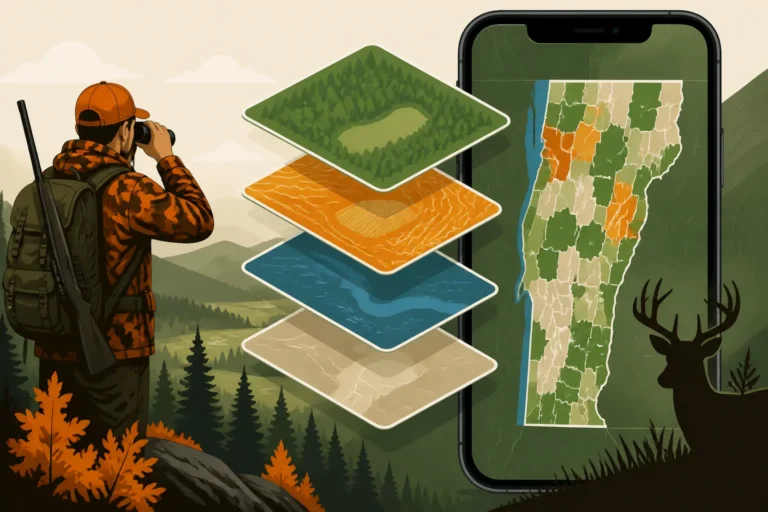
- Mapping Applications (onX Hunt, GoHunt, etc.): Apps like onX Hunt have revolutionized how hunters scout and navigate. These platforms use GPS technology and detailed land ownership data to show you property boundaries, public vs. private land, and even delineate specific management units like WMAs. Crucially, onX Hunt layers can often show you federal lands (like national forests and refuges), state lands, and private parcels, allowing you to clearly see where you are and whose land you're on. Some layers may even indicate conservation easements or land trust holdings, though you'd still need to verify the specific hunting rules for those. While GoHunt might be known for western state draw odds, it also offers mapping features that can be helpful for general topographical and boundary research, but onX Hunt is often the more granular choice for navigating specific property lines in Vermont. Using these tools to verify Finding Vermont Property Lines or understanding onX Layers for Vermont Land Status is highly recommended.
- Offline Maps: Remember that cell service can be spotty, especially in the remote parts of the Green Mountain National Forest or the Northeast Kingdom. Always download offline maps for your hunting area using your mapping app. This way, you'll have access to crucial boundary information even without a signal. Many hunters also carry a traditional paper map and compass as a backup.
- Local Knowledge: Never underestimate the power of local knowledge. Sporting goods stores, local diners, and long-time residents can offer invaluable insights into recent logging activity, temporary local events, or unwritten access etiquette for certain private tracts. While not always officially sanctioned, these conversations can fill in gaps that official resources might miss. Just make sure to cross-reference any "rumors" with official sources when possible. Apps like the Scouting With the Vermont Fish and Wildlife App can also complement your mapping efforts by providing additional data points directly from the department.
Ultimately, being a responsible hunter in Vermont means being proactive about understanding where you can and cannot hunt. By combining official state resources with modern mapping technology and local insights, you can confidently navigate Vermont's diverse landscapes and enjoy a successful, ethical, and worry-free hunting season.
| Type of Closure/Restriction | Primary Reason | How to Find Information | Hunter's Responsibility |
|---|---|---|---|
| Safety Zones/Setbacks | Public Safety | VFWD Regulations Guide, Posted Signs, Mapping Apps | Know legal distances from dwellings/roads, verify permissions. |
| WMAs & Sanctuaries | Wildlife Management, Habitat Protection | VFWD Website, WMA Specific Signage, Annual Hunting Guide | Check WMA-specific rules, respect sanctuary boundaries. |
| Private Land | Landowner Rights | Direct Permission, Posted Signs, Mapping Apps (onX Hunt) | Always get permission, regardless of posting. |
| Land Trusts/Easements | Conservation Goals | Land Trust Websites, Easement Documents, VFWD, Mapping Apps | Research specific property rules; don't assume access. |
| Logging Operations | Safety, Forest Management | On-site Signage, VFWD Forest Updates, Local Contact | Look for signs, avoid active work areas. |
| Public Events | Public Recreation, Safety | Park/Town Websites, Event Calendars, Local News | Check for events in your intended hunting area. |
Disclaimer
This article is for general informational purposes only and does not constitute professional advice. Laws, prices and regulations vary by location and change over time. Consult a qualified professional for guidance on your specific situation.