Finding Access Near Burlington
Living in or around Burlington, Vermont, can feel a bit like you’re constantly juggling the desire for city convenience with the deep-seated yearning for the wild places that define our state. For hunters, this often translates into a real frustration: how do you find decent hunting access when you’re surrounded by suburbs, development, and increasingly posted land? It’s a common predicament, but I’m here to tell you that with the right approach and a little strategic thinking, finding productive hunting ground near Burlington is absolutely achievable. This guide will walk you through the realities, opportunities, and essential strategies for securing quality hunting experiences close to Vermont's largest city.
The Unique Challenges of Hunting Near Burlington
Let’s be honest, hunting right outside a city like Burlington isn't like heading into the deep wilderness of the Northeast Kingdom. There are distinct hurdles that hunters in this area face, and acknowledging them is the first step to overcoming them. It’s not just about finding deer; it's about navigating human populations, property lines, and sometimes, preconceived notions about hunting.
Population Density and Posted Land
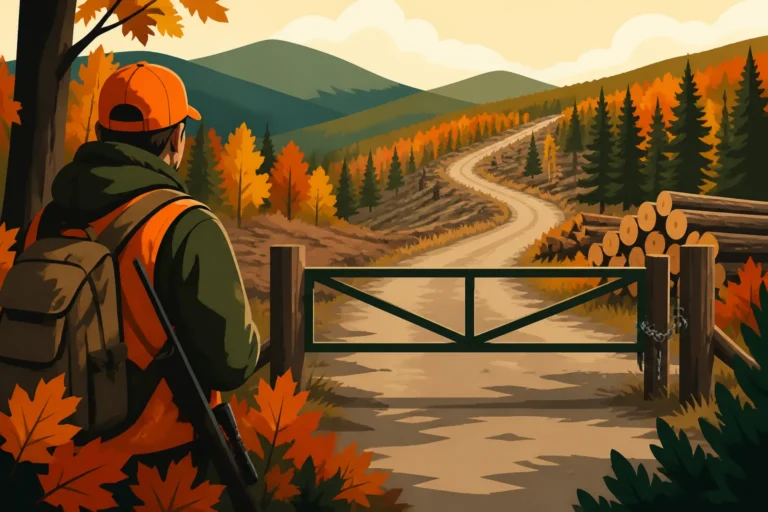
One of the biggest headaches for any hunter near Burlington is the sheer increase in human population. Over the years, the sprawl has pushed further out from the city center, transforming what were once quiet woodlots and farm fields into residential developments and bustling roadways. This expansion inevitably leads to more posted land. Every new homeowner who moves to Vermont, regardless of their feelings on hunting, often defaults to posting their property, sometimes simply for privacy, sometimes out of a lack of understanding of Vermont’s hunting traditions.
It can feel incredibly disheartening to drive down a road you remember hunting a decade ago, only to see every parcel now plastered with "No Trespassing" signs. This isn't a personal affront, but a reality of growth. The smaller, fragmented woodlots that dot the landscape around Burlington quickly become inaccessible, making it feel like all the good spots are gone. This forces hunters to adapt, to look beyond the obvious, and to put in the extra legwork to find those hidden gems or secure permission. You're no longer just scouting for deer sign; you're scouting for unposted deer sign, or the ever-elusive "permission granted" sign.
Limited Large Public Land Tracts in Immediate Proximity
While Vermont boasts an impressive amount of public land, including the expansive Green Mountain National Forest's Two Districts, the immediate vicinity of Burlington isn't necessarily overflowing with vast, untouched tracts. You won't find thousands of acres of contiguous public forest within a 15-minute drive of downtown Burlington like you might in other, more rural parts of the state. Most of the really large wilderness areas require a bit of a drive, pushing you further east into the Green Mountains or south toward the Middlebury area.
This means you can’t simply pull up a map, find a big green block of public land right outside town, and expect to have it to yourself. The public land that is closer to Burlington often comes in smaller parcels, such as town forests, state parks, or smaller Wildlife Management Areas (WMAs). These smaller tracts, while valuable, tend to see higher hunting pressure simply because they are more accessible to a larger population base. It’s a trade-off: convenience of location often means sharing the woods with more people. This reality calls for more diligent scouting, unconventional hunting strategies, and a willingness to explore lesser-known spots, or even just walk a bit further than others are willing to.
Exploring Nearby Public Land Opportunities
Despite the challenges, public land opportunities do exist within a reasonable striking distance of Burlington. You just need to know where to look and what to expect. These areas often require a slightly different approach than hunting vast, remote wilderness.
State Forests and Wildlife Management Areas
Venturing a bit outside the immediate Burlington metropolitan area opens up several state forests and Wildlife Management Areas that offer legitimate hunting opportunities. These lands are managed by the Vermont Fish and Wildlife Department or the Department of Forests, Parks, and Recreation, and are specifically designated for public access and wildlife habitat.
For example, areas towards the east, like the Camel's Hump State Forest, while a bit more of a drive into the mountains, offers substantial acreage and classic Green Mountain deer habitat. Further south, you might find pockets of Hunting Vermont Wildlife Management Areas that could be within a 45-minute to hour drive, depending on your starting point in Burlington. It’s crucial to understand that hunting rules can sometimes vary slightly by specific WMA or State Forest, so always double-check the current regulations before heading out. These areas often have marked boundaries, but a good GPS mapping app like onX Hunt is invaluable for understanding exactly where you are and where the public land ends. You’re not just looking for a block of green on the map; you’re looking for the contours, the pinch points, the food sources within that block.
Town Forests and Conservation Lands
Many towns surrounding Burlington, from Hinesburg to Richmond to Jericho, maintain their own town forests or have lands protected by conservation easements. These can be goldmines for local hunters, offering smaller, often less pressured parcels of woods. The key here is research, as rules and access can vary wildly from one town to the next. Some town forests allow hunting with few restrictions, while others might have specific limitations on weapon types, hunting days, or even require special permits.
A great starting point is to visit the individual town websites or call the town clerk’s office. You might also find information posted at trailheads or on town bulletin boards. What makes these areas so promising is their often fragmented nature. Deer, especially, thrive in these edge habitats – the transition zones between woods, fields, and developed areas. These town forests, while smaller, frequently offer exactly that kind of cover, often within easy walking distance of a parking area. Don’t overlook the value of these smaller, seemingly insignificant patches of woods. A 50-acre town forest might hold more deer than a 500-acre section of heavily pressured state land if it offers better food and cover and less human disturbance. Many smaller towns in the Champlain Valley region, for instance, have these types of woodlots, providing pockets of potential for Hunting Small Private Tracts in Vermont.
| Type of Public Land Access | Key Characteristics | Advantages | Considerations |
|---|---|---|---|
| State Forests | Large acreage, often mountainous, managed by state forestry. | Abundant habitat, diverse terrain, good for big game. | Can be further drive, higher elevation, more rugged. |
| Wildlife Management Areas | Varied size, managed by Fish & Wildlife for habitat. | Targeted habitat work, good for various game, often well-signed. | Popular, can be crowded, specific WMA rules apply. |
| Town Forests | Smaller parcels, owned/managed by individual towns. | Often close to communities, potentially less pressure, good edge habitat. | Rules vary greatly by town, may require local research. |
| Conservation Easements | Privately owned land with public access for conservation/recreation. | Unique habitat, often less development pressure. | Access rules set by easement holder, can be complex to understand. |
Unlocking Private Land Access
In the immediate Burlington area, securing private land permission is often your best bet for consistent, quality hunting. This approach requires more effort and social skill than simply walking onto public land, but the rewards—less pressure, healthier deer, and a more personalized hunting experience—are often well worth it.
The Art of Asking for Permission
Asking for permission can feel daunting, but it's a time-honored tradition in Vermont. The key is to approach it with respect, honesty, and a clear understanding of what you’re asking for. First, always approach landowners in person. A phone call or letter can work, but a face-to-face conversation builds trust. Dress neatly, introduce yourself, and clearly state your purpose: you’re a hunter looking for a place to enjoy the outdoors and potentially harvest some game.
Have a specific parcel in mind if possible, which you can identify using mapping tools. Explain what game you’re interested in pursuing, your hunting style (e.g., treestand, still-hunting), and offer to share some of your harvest. Crucially, emphasize your commitment to safety, respect for their property, and ethical hunting. Offer to help with chores or property maintenance in exchange for access. Remember, a "no" today doesn't mean a "no" forever. Be polite, thank them for their time, and maybe try again next year. Building a relationship is key. Many successful private land hunters have cultivated relationships over years, proving themselves to be trustworthy and responsible. Think of it as a long-term investment, not a one-time transaction. Offering to help with chores around the property, or even assisting with Vermont Deer Damage Permits for Farmers can go a long way in building goodwill.
Identifying Potential Private Parcels
This is where modern mapping technology truly shines. Gone are the days of relying solely on county plat books and knocking on random doors. Tools like onX Hunt and GoHunt are indispensable for identifying private landowners and understanding property boundaries. These apps allow you to see parcel lines, landowner names, and often even acreage, all overlaid on detailed satellite imagery and topographic maps.
Start by looking for unposted, undeveloped parcels adjacent to known game habitat, like large woodlots, agricultural fields, or riparian corridors. Look for areas that might be less accessible from a main road but still within walking distance of a quiet parking spot. Pay attention to properties with good cover and potential food sources that are perhaps a little further off the beaten path than the average person might consider. Use the mapping tools to identify landowners who live out of state or those who own multiple parcels. These individuals might be more open to granting permission, as they might not be actively using all their land or are less familiar with local hunters. Once you've identified a promising parcel and landowner, you can then proceed with the "art of asking." This strategic use of mapping technology drastically reduces the amount of cold-knocking you need to do and increases your chances of success in Knocking on Doors in Champlain Valley Farm Country.
Species-Specific Hunting Near Burlington
While the Champlain Valley region around Burlington might not be known for its vast wilderness moose habitat, it offers excellent opportunities for other game species that thrive in a mixed-use landscape. Adapting your target species can greatly expand your hunting options.
Whitetails and Small Game
Deer are incredibly adaptable animals, and the fragmented habitat around Burlington often suits them well. They utilize suburban woodlots, powerline cuts, and agricultural fields for food and cover, often becoming more nocturnal and elusive due to human presence. Hunting whitetails here requires a keen eye for subtle sign and an understanding of how deer use fragmented landscapes. Focus on bottlenecks, pinch points, and corridors between different cover types. A small creek bottom, a fencerow, or a narrow strip of woods connecting two larger blocks can be incredibly productive. These animals are often patterned and can offer some surprising encounters. Don't underestimate the potential of hunting small, overlooked parcels. Even a 10-acre woodlot can hold a mature buck if it offers security.
Small game hunting—for squirrels, rabbits, or even ruffed grouse—is also fantastic near Burlington. These species thrive in the edge habitat and mixed woodlots found throughout the area. Squirrels are abundant in mature oak and hickory stands, often found on private land where deer hunting might be tougher to secure. Rabbits prefer thick brush, briar patches, and overgrown fields, which are common in transitional zones. Grouse can be found in regenerating timber cuts and older growth forests, especially near wetlands. Small game hunting is an excellent way to get out in the woods, hone your skills, and build relationships with landowners, potentially opening doors for future deer hunting opportunities. Consider Squirrel Hunting Green Mountain Hardwoods as a fantastic way to scout new areas and spend time afield.
Waterfowl Opportunities
Lake Champlain, a dominant feature of the Burlington landscape, offers significant waterfowl hunting potential, especially for ducks and geese. While access can be challenging due to development along the shoreline, dedicated hunters can find success. The vastness of the lake, combined with numerous bays, marshes, and river deltas, creates prime habitat for migrating birds.
Access points are key. Public boat launches, state parks (check specific rules for hunting), and various smaller access areas along the lake can serve as jump-off points. Decoying ducks on Lake Champlain requires specialized gear and a good understanding of bird movements and local conditions. Scouting is absolutely critical for waterfowl, as birds can move daily based on weather, food availability, and hunting pressure. You might be focused on Decoying Mallards on Lake Champlain one day and Pass-Shooting Geese on the Connecticut River another, depending on where the birds are feeding. Remember, the Lake Champlain Zone has specific waterfowl season dates, so always check the current regulations before planning your hunt. While it's a different discipline than deer hunting, waterfowl offers some of the most exciting and dynamic hunting experiences close to Burlington.
Essential Tools and Mindset for City-Adjacent Hunting
Hunting near Burlington requires more than just a rifle or a bow; it demands the right tools for navigation and a respectful, adaptable mindset. These elements are crucial for success and for maintaining a positive image of hunters in a more populated region.
Mapping Apps and Scouting
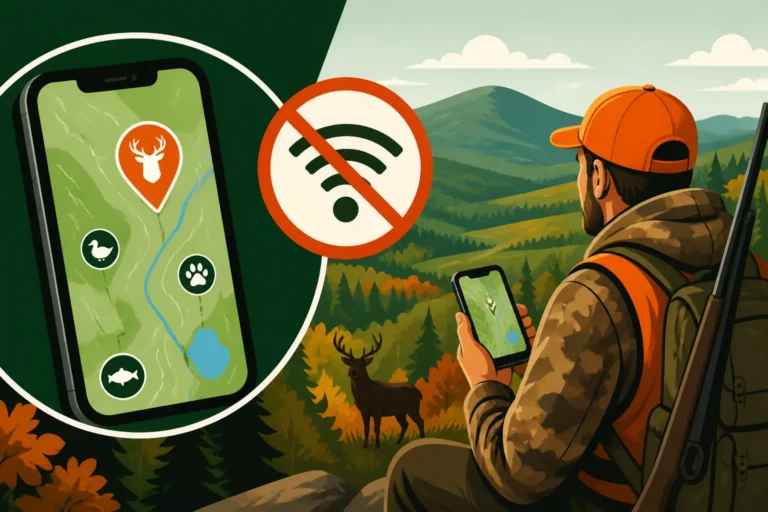
In this era, a reliable mapping app is no longer a luxury—it’s an absolute necessity, especially when hunting near developed areas. As mentioned, onX Hunt and GoHunt are top-tier choices. These apps allow you to:
- Identify property lines: This is paramount for avoiding accidental trespass, which can quickly sour landowner relations and lead to legal trouble.
- Determine public vs. private land: Knowing exactly where public access begins and ends is critical.
- Locate landowner information: For private land access, these apps often provide landowner names, helping you target your permission requests effectively.
- Scout from home: You can analyze terrain, identify potential pinch points, food sources, and bedding areas without ever stepping foot in the woods. This is invaluable when time is limited.
- Navigate in the field: Even in smaller woodlots, it’s easy to get disoriented. The GPS functionality ensures you always know your precise location relative to property lines, roads, and your vehicle.
Beyond the digital tools, good old-fashioned scouting on foot remains vital. Look for fresh deer sign, pinch points, and funnel areas where deer are forced to travel through narrow corridors. Pay attention to changes in cover, especially near agricultural fields, as these transitions often hold game. If you can, scout during the off-season to identify bedding areas and travel routes before the leaves drop and hunting pressure begins. For mapping on public land, don't forget the Scouting With the Vermont Fish and Wildlife App as a useful resource.
Being a Respectful and Responsible Hunter
When hunting near Burlington, you are an ambassador for all hunters. The closer you are to population centers, the more critical it is to exemplify the highest standards of ethics, safety, and respect. This isn’t just about following the law; it’s about shaping public perception.
- Safety Zones: Always be acutely aware of safety zones around dwellings and occupied buildings. Vermont law specifies a distance, and you must respect it. Even if you have permission to hunt a parcel, if there’s a house nearby, you need to know exactly where you can safely shoot.
- Noise and Disturbance: Try to be as discreet as possible. Avoid excessive noise. If you’re hunting early morning or late evening, be mindful of lights and vehicle noise in residential areas.
- Respect for Property: Close gates, don’t litter, avoid damaging fences, and leave the property exactly as you found it. If you have permission, go above and beyond to be a good guest. This includes picking up any trash you might find, even if it isn't yours.
- Transparency: If you encounter non-hunters, be polite and willing to answer questions (within reason). A friendly demeanor can go a long way in dispelling negative stereotypes about hunting.
Your actions directly impact whether landowners will continue to grant permission, and whether non-hunters will view our sport favorably. A single irresponsible act can ruin access for many. By being a model hunter, you not only ensure your own access but also help preserve the future of hunting near Burlington for everyone. Understanding Vermont Trespass and Permission Law is also a core responsibility.
Making the Most of Limited Time and Space
For many living near Burlington, balancing work, family, and hunting is a constant challenge. You might not have the luxury of multi-day backcountry hunts. This means maximizing efficiency and making the most of every minute you have in the field.
Quick Scouting and Strategic Setups
Since time is often at a premium, efficient scouting becomes even more critical. Instead of long, rambling walks, focus on targeted scouting missions. Use your mapping apps to identify key features like obvious funnels, edges of thick cover, and potential food sources that are accessible from a main road or parking area. A quick drive around a potential hunting spot, even just looking at aerial imagery on onX Hunt, can reveal a lot about pressure and access.
When you do get into the woods, concentrate on finding fresh sign – rubs, scrapes, tracks, and droppings – near these identified features. Don't spend hours still-hunting if you only have a short window. Focus on setting up a stand or ground blind in a high-probability area, such as a creek crossing at first light or a food source at last light. The goal isn't to cover miles, but to be in the right place at the right time, even if it's a relatively small piece of land. Consider Hunting a Funnel Between Two Woodlots or Hunting a Standing Apple Orchard as prime examples of strategic, efficient setups for short windows of opportunity.
Adapting to Increased Pressure and Human Presence
Hunting closer to population centers inevitably means encountering more people, both hunters and non-hunters. This requires a flexible and adaptable hunting strategy. Deer and other game animals will often adapt their movements to avoid human disturbance. This might mean they become more nocturnal, or they utilize thicker cover during daylight hours.
Your strategy should evolve accordingly. Focus your efforts during low-light periods – dawn and dusk – when animals are most active and human interference is at its lowest. If possible, consider hunting during weekdays when pressure is generally lighter than on weekends. Be prepared to walk a bit further into public land from popular access points; often, the deer are just a few hundred yards past where most hunters stop. For private land, communicate with the landowner about their daily routines so you can plan your hunt around their activities. Remember, being adaptable and understanding how human presence influences game behavior will give you a significant advantage in these more challenging hunting environments. You might even find success in Hunting Small Woodlots Near Burlington if you adjust your tactics to account for local conditions.
Conclusion
Finding hunting access near Burlington, Vermont, isn't always easy, and it certainly presents its own unique set of challenges. But with a proactive mindset, the right tools, and a deep respect for both the land and its owners, it's absolutely possible to carve out rewarding hunting experiences. Whether you're exploring smaller public parcels, meticulously earning private land permission, or focusing on adaptable species like whitetails and waterfowl, the opportunities are there for those willing to put in the effort. Embrace the challenge, enjoy the hunt, and remember that every successful outing close to home is a testament to your perseverance and dedication as a Vermont hunter.
Disclaimer
This article is for general informational purposes only and does not constitute professional advice. Laws, prices and regulations vary by location and change over time. Consult a qualified professional for guidance on your specific situation.