Hunting a Muzzleloader Tag After Rifle Season Closes
Vermont deer hunting dates, permit requirements, and legal muzzleloader equipment rules for the December season.
Close the distance.
Archery, muzzleloader, and firearm techniques — calling, stand placement, still-hunting, spot-and-stalk, and the weapon rules that change at the state line.
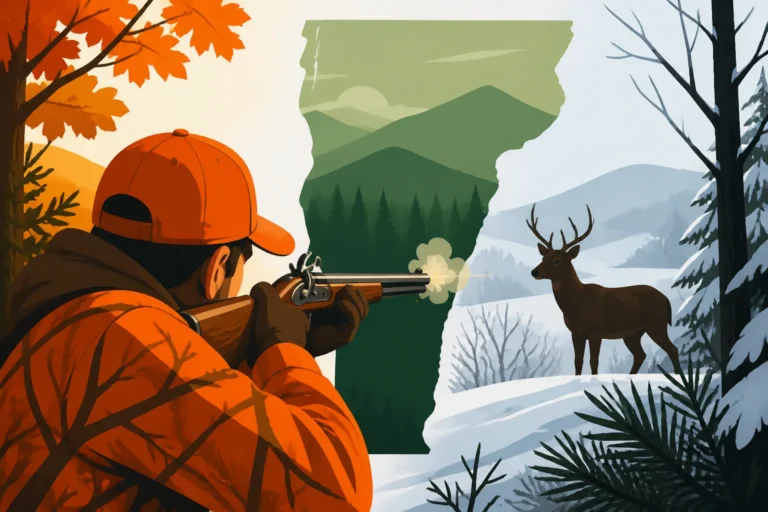
Vermont deer hunting dates, permit requirements, and legal muzzleloader equipment rules for the December season.
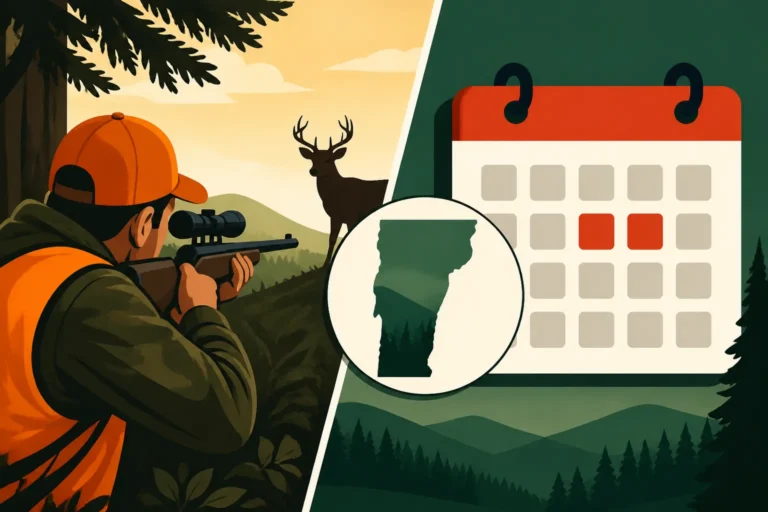
Vermont’s two-week rifle season protects deer populations and balances conservation through historical management strategies and sustainable harvest limits.

Vermont deer hunting during poor acorn years requires shifting strategies, finding alternative food sources, and tracking dispersed animals.
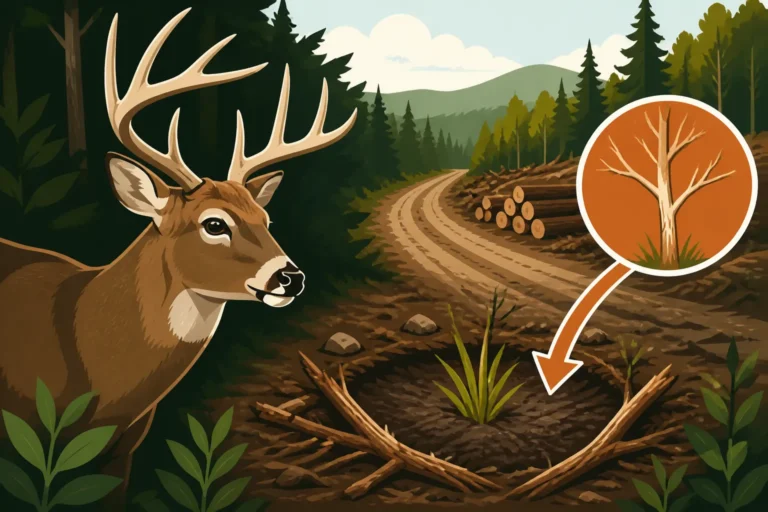
Scrape lines along Vermont logging roads serve as buck magnets, helping hunters locate deer sign and improve hunting success.
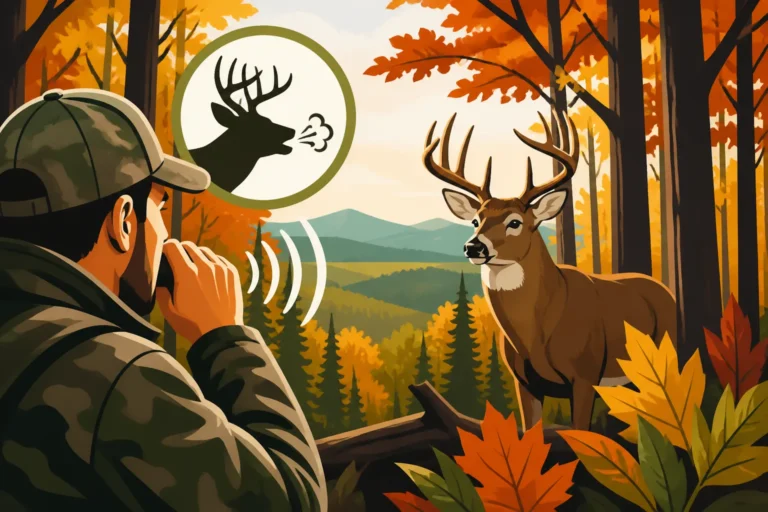
Grunt calls help hunters attract bucks in Vermont hardwood forests by mimicking natural deer communication and behavior.
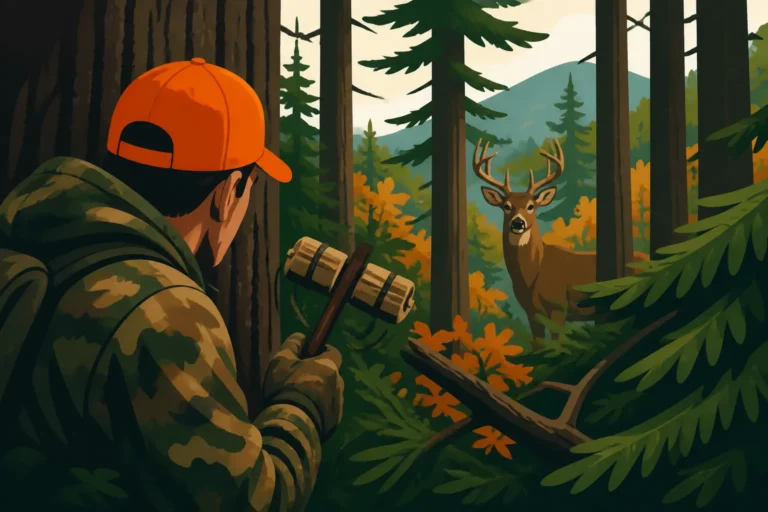
Vermont softwood cover muffles deer rattling within fifty yards, but hunters can adjust volume and technique to call in bucks.
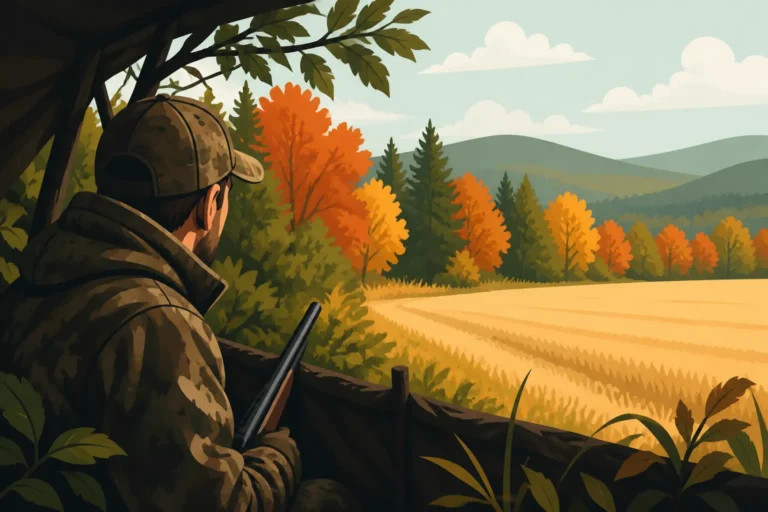
Vermont field edge ground blind concealment techniques explain how hunters hide from whitetails using natural vegetation.
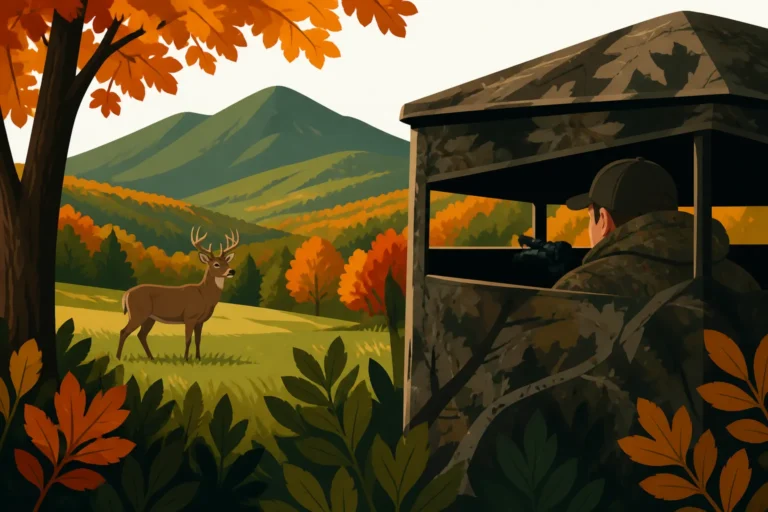
Using ground blinds on Vermont public land requires daily removal, regulation compliance, and hiding from other hunters.
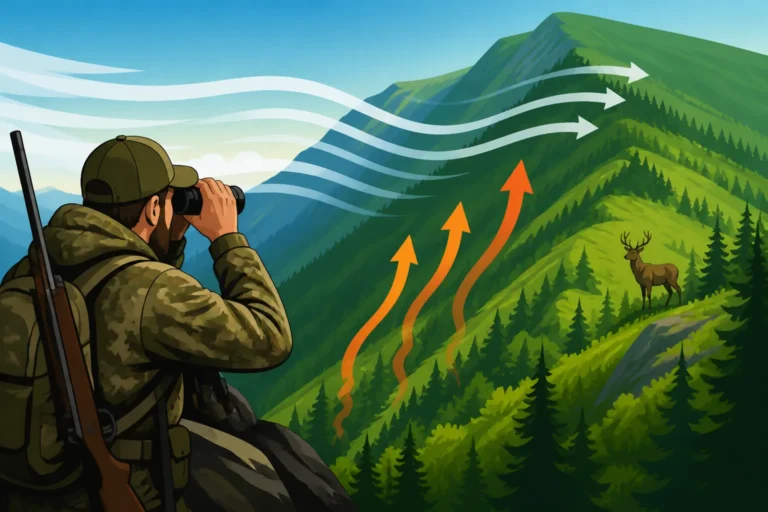
Wind behavior and thermal currents in the Green Mountains affect deer hunting success by shifting scent directions unpredictably.
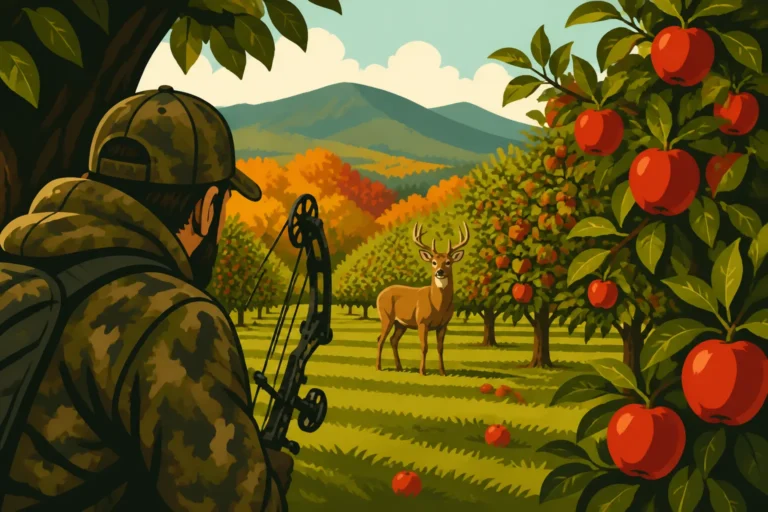
Vermont apple orchards attract white-tailed deer with high-energy food, creating predictable feeding patterns and movement trails near bedding areas.