Insulated Layers for a December Muzzleloader Hunt
The biting cold of a Vermont December muzzleloader season can be a real game-changer, often sending even the most dedicated hunters back to the truck shivering, cutting a promising hunt short. It’s a frustration many of us know all too well: you’ve scouted, found the sign, and are ready for that late-season buck, only to have your focus shattered by numb fingers and toes. This guide is all about equipping you with the knowledge to select and combine insulated layers effectively, ensuring you stay warm, comfortable, and sharp when you’re out chasing deer in the Green Mountains during the coldest part of the year.
Understanding the December Chill in Vermont
Vermont in December is a whole different beast compared to the milder archery opener or even the November rifle season. The air bites with a sharper edge, and Mother Nature seems determined to test your resolve. Muzzleloader season often falls during a time when true winter has settled in, bringing with it a unique set of challenges for staying warm in the woods.
The Reality of Vermont's Late-Season Weather
When December rolls around in Vermont, you’re looking at a serious shift in weather patterns. We're talking about average daily temperatures that can easily dip into the teens or even single digits, especially in the higher elevations or the exposed ridges of the Northeast Kingdom. Add to that the possibility of significant snowfall, persistent dampness, and those notoriously biting Green Mountain winds, and you’ve got a recipe for discomfort if you’re not prepared.
It’s not just the temperature, either; it's the feel of the cold. A damp 25 degrees with a stiff breeze can feel far more brutal than a still, dry 10 degrees. The ground is often frozen, the streams are icing over, and standing still for extended periods means your body has to work overtime to maintain its core temperature. Many hunters find themselves fighting a constant internal battle against the shivers, which, let's be honest, makes it pretty tough to concentrate on the subtle movements of a deer or the nuances of your muzzleloader. The weather can change in a heartbeat, too, turning a clear morning into a blustery snow squall before you can say "hot coffee."
Why Muzzleloader Hunters Need Extra Warmth
Unlike the more active style of hunting many employ during the rifle season, where you might be still-hunting or driving deer, muzzleloader season often calls for a more sedentary approach. Think long, patient sits in a treestand overlooking a late-season food source, or posted up against a big pine watching a deer yard. When you're not generating much body heat through movement, you become far more susceptible to the cold.
This prolonged stillness is where your layering system truly gets put to the test. A shiver isn't just uncomfortable; it can compromise your ability to make an ethical shot, especially with a muzzleloader where loading and handling require focused dexterity. Imagine fumbling with a cold patch and ball, or struggling to find your sight picture, all while your teeth are chattering. It’s not just about comfort; it's about performance and safety. A good layering system allows you to extend your time on stand, increasing your chances of success, and ensures you can operate your gear effectively even when it feels like your fingers are turning to icicles. If you’re planning on staying out there for the duration, you'll need all the warmth you can muster to properly execute your Cold-Weather Sitting Strategy in the Northeast Kingdom.
The Science of Insulation: How It Works to Keep You Warm
Before we dive into specific garments, it's helpful to understand the basic principles behind insulation. It’s not magic; it’s physics, and once you grasp it, you can make much smarter choices for your cold-weather hunting kit.
Trapping Air: The Core Principle
At its heart, insulation works by trapping air. Your body naturally produces heat. When this heat tries to escape into the colder environment, an insulating layer creates tiny air pockets that slow down that heat transfer. Think of it like a miniature, personal thermal blanket woven into your clothing. The more still air an insulating material can trap, the better it will typically perform at keeping you warm.
Different materials achieve this in various ways, but the core idea remains the same: create a barrier of trapped air that your body's warmth can't easily penetrate or escape through. This is why a puffy jacket feels so warm – it's mostly air, held in place by down feathers or synthetic fibers. The insulation isn't generating heat itself; it's simply holding onto the heat your body generates, preventing it from dissipating into the frosty Vermont air. This is a crucial distinction, as it highlights why staying dry and generating some body heat (even through minor movements) is vital for your insulation to perform.
Synthetic vs. Down: A Head-to-Head Comparison
When it comes to insulated layers, the two main players are synthetic fills and natural down. Both have their merits and drawbacks, and understanding them will help you choose the right tools for the job in Vermont's diverse winter conditions.
Down, typically goose or duck feathers, is renowned for its incredible warmth-to-weight ratio and its compressibility. A down jacket can pack down to almost nothing and then puff up to create a huge amount of trapped air, offering supreme warmth for its bulk. The downside, and it's a significant one for hunting, is that down loses virtually all its insulating properties when it gets wet. Whether from sweat, snow, or freezing rain, once down is soaked, it clumps, and those crucial air pockets disappear, leaving you cold. It can also be quite an investment, and often requires more careful washing and storage.
Synthetic insulation, on the other hand, is designed to mimic down's ability to trap air but with a crucial advantage: it retains much of its insulating power even when wet. This makes it a fantastic choice for the unpredictable dampness often found in Vermont's December woods. Common synthetic fills include polyester fibers that are crimped and twisted to create those air-trapping voids. While synthetic insulation is generally bulkier and heavier than down for the same warmth, it’s often more affordable, hypoallergenic, and far more forgiving if you get caught in a snowstorm or work up a sweat on a long hike in. For hunters who might be Hunting a Muzzleloader Tag After Rifle Season Closes and trekking through wet snow or sitting out a damp, misty day, synthetic often offers a more reliable performance.
Here's a quick comparison to help you weigh your options:
| Feature | Down Insulation | Synthetic Insulation |
|---|---|---|
| Warmth-to-Weight | Excellent (very light for its warmth) | Good (heavier for comparable warmth) |
| Performance When Wet | Poor (loses most insulating properties) | Good (retains significant warmth) |
| Compressibility | Excellent (packs down very small) | Good (packs down, but not as small as down) |
| Durability | Can be delicate; requires careful washing | Generally more robust; easier care |
| Cost | Often higher | Generally lower |
| Breathability | Good (depends on face fabric) | Good (depends on face fabric) |
| Ideal Use | Dry, extremely cold conditions; minimal moisture risk | Damp, unpredictable cold; active pursuits; budget-friendly |
Key Insulated Layers for Your December Muzzleloader Kit
Building an effective layering system for December muzzleloader hunting involves more than just throwing on a bunch of thick clothes. It’s about strategic choices for each layer to maximize warmth and adaptability.
The Critical Mid-Layer: Your Thermal Engine
The mid-layer is your primary insulating workhorse, the thermal engine that really traps your body heat. This layer goes over your moisture-wicking base layer and under your protective outer shell. For December muzzleloader hunting, you're going to want something substantial here.
Heavyweight fleece is a popular and effective choice. It's relatively inexpensive, breathes well, and provides consistent warmth. Look for thicker piles, sometimes called "bear fur" fleece, for maximum thermal retention. Another excellent option is a synthetic puffy jacket or vest. These are often filled with a high-loft synthetic insulation that offers impressive warmth-to-weight and, crucially, performs well even if it gets a bit damp from sweat or melting snow. Wool, particularly merino or blended wool, is another fantastic natural fiber choice. It retains warmth even when wet, is naturally odor-resistant, and offers incredible thermal properties. You might consider a heavier version of what you’d use for Best Mid-Layer for a November Rifle Hunt, upgrading from a medium-weight fleece to a denser synthetic puffy or thick wool for those extended, static sits. The key is to have enough insulation here to feel genuinely warm when stationary, but not so much that you overheat and sweat during your walk in.
The Outer Shell: Protection and Added Warmth
Your outer shell, often called your "jacket" or "coat," isn't just about keeping wind and rain out. For serious cold-weather hunting, it's another critical insulated layer in itself. A good insulated outer shell provides an additional barrier of warmth, trapping more air and preventing heat loss through convection (wind stripping heat away) and conduction (direct contact with cold objects).
Look for an outer shell that is specifically designed for cold weather, often featuring a substantial layer of synthetic insulation or, if you're confident in staying dry, down. Crucial features include a durable water repellent (DWR) finish to shed snow and light rain, and a windproof membrane to stop those chilling Vermont gusts dead in their tracks. A good hood is also vital, as you lose a significant amount of heat from your head. Consider features like ample pockets for hand warmers, adjustable cuffs to seal in warmth, and a quiet face fabric that won't give away your position when you shift in your stand. Remember, an uninsulated rain shell, while great for shedding water, won't do much to keep you warm on its own in bitter December conditions.
Specialty Insulation: Vests, Pants, and Accessories
Often overlooked, but just as vital for total body warmth, are insulated layers for your lower body and other extremities. Your core and legs are huge heat sinks, and if they get cold, your whole body will follow suit.
Insulated bibs or pants are non-negotiable for December muzzleloader hunting. These usually feature a durable, water-resistant outer fabric with a generous amount of synthetic insulation. They keep your legs and lower back toasty, which is where much of your internal heat generation happens. Vests are another fantastic piece of specialty insulation. They keep your core exceptionally warm without adding bulk to your arms, allowing for better range of motion with your muzzleloader. Don't forget your head, hands, and feet! A warm insulated hat (or two), an insulated neck gaiter, and thick, insulated gloves or mittens are paramount. Many hunters swear by "heater body suits" or insulated blankets that go over your entire outer layer, creating a microclimate of warmth while on stand. For your feet, pairing a quality wool sock with insulated, waterproof boots designed for extreme cold is key. You'll want to review options like those discussed in Best Boots for Northeast Kingdom Bog Hunting and ensure they are rated for the temperatures you expect to encounter. Good insulated gloves, as you'd find advice for in Best Gloves for Cold-Weather Glassing, are critical for handling your muzzleloader.
Building Your Layering System: Strategic Combinations
The magic of layering isn't just in having warm clothes; it's in how you combine them. A well-thought-out system allows you to adapt to changing conditions and maintain optimal body temperature throughout your hunt.
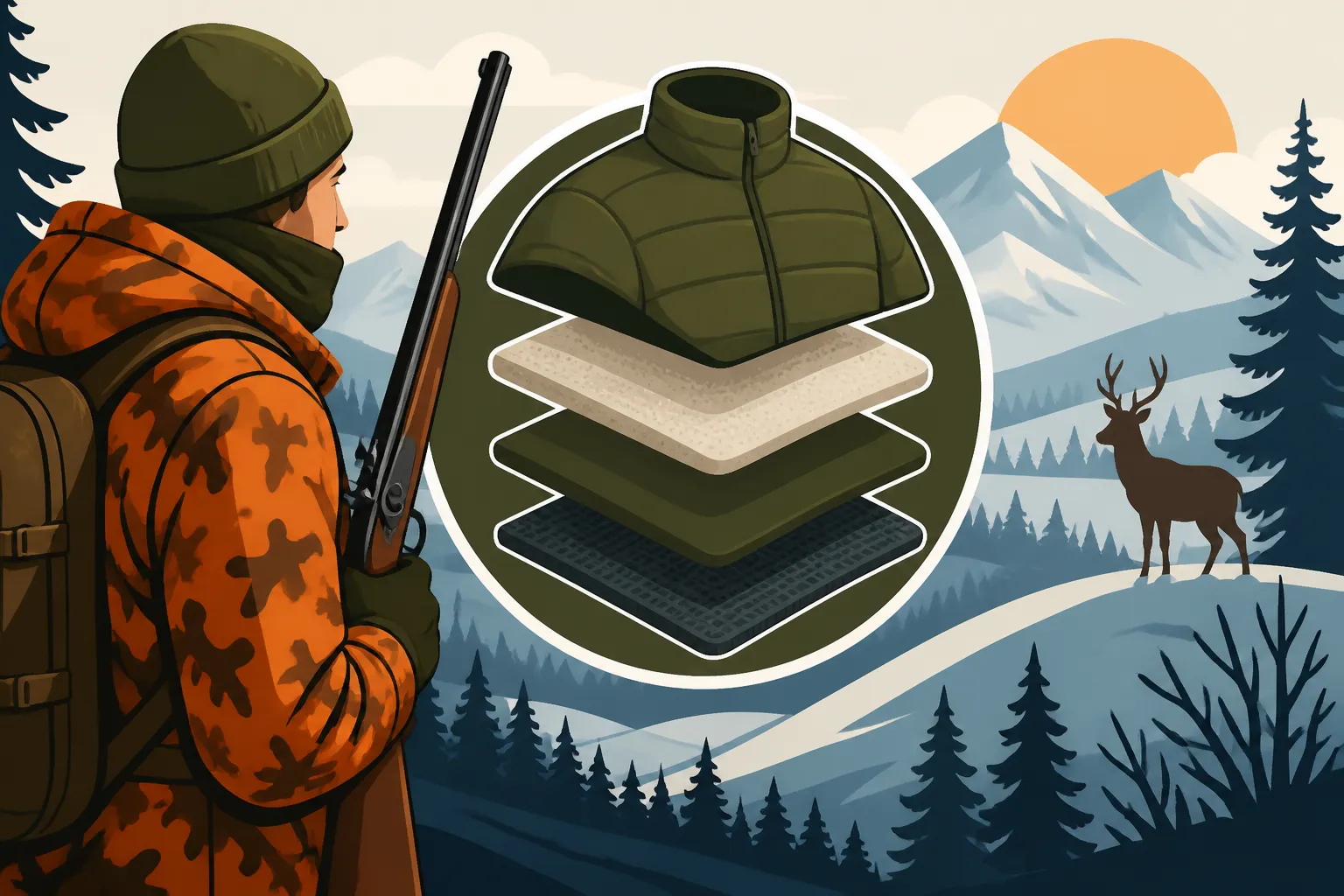
The Base, Mid, Outer System for Extreme Cold
For extreme cold, the classic three-layer system is your best friend, and it's particularly effective for stationary December muzzleloader hunting.
- Base Layer (Wicking): This is the layer directly against your skin. Its primary job is to wick moisture (sweat) away from your body. Even in freezing temperatures, you can sweat during the walk to your stand, and that moisture will quickly turn cold and chill you once you stop. Choose merino wool or synthetic materials in a mid-to-heavyweight for December. Avoid cotton at all costs; it absorbs moisture and stays wet, robbing you of warmth.
- Mid Layer (Insulating): As discussed, this is your core warmth provider. Stack a substantial fleece jacket, a synthetic puffy, or a heavy wool sweater over your base layer. The thickness of this layer can be adjusted based on the specific forecast and your personal cold tolerance. Some hunters might even double up on thinner mid-layers for versatile warmth.
- Outer Layer (Protective and Insulating): Your insulated shell jacket and insulated bibs or pants complete the system. This layer shields you from wind, snow, and moisture, while adding a significant amount of trapped air to your overall insulation. This combination creates a powerful barrier against the elements, crucial for those long, quiet hours spent waiting for a deer.
The key to this system is balancing warmth with breathability. You don't want to overdo it on the hike in and arrive at your stand drenched in sweat. Planning your route, perhaps by utilizing scouting tools on platforms like GoHunt to assess terrain and elevation changes, can help you manage your exertion and minimize sweating on the approach. It’s a delicate dance, but mastering it will keep you warmer and more comfortable.
Adapting to Conditions: The Art of Shedding and Adding
One of the greatest benefits of a layering system is its adaptability. Vermont weather is notoriously fickle, and what starts as a frigid, still morning can turn into a windy, sunny (or snowy) afternoon.
The art of shedding and adding layers means you can proactively manage your body temperature. Start your walk in a bit under-dressed, perhaps with just your base and a light mid-layer on top of your insulated pants, carrying your heavier mid-layers and outer shell in your pack. As you reach your stand and cool down from the exertion, you can add your insulating pieces. If the sun comes out, or you start to feel warm, you can shed a layer to prevent sweating. If a snow squall rolls in, you can quickly batten down the hatches. This constant adjustment is key to staying dry and preventing the dreaded "chill to the bone" feeling that comes from getting cold and damp. Many seasoned hunters will even use a small, quiet backpack on stand to easily access and store layers as needed. This active management of your body temperature is vital for extending your time in the woods and maintaining focus during a Muzzleloader Deer Hunting in Vermont hunt.
Practical Tips for Maximizing Warmth and Comfort
Beyond the clothes themselves, there are several practical steps you can take to make your December muzzleloader hunt more enjoyable and effective.
The Role of Nutrition and Hydration
What you put into your body has a direct impact on how well your body can generate and maintain heat. Think of your body as a furnace: it needs fuel to burn.
Before your hunt, a hearty, warm breakfast with complex carbohydrates and fats will provide a slow-burning energy source to stoke your internal fire. During your hunt, pack high-energy snacks like nuts, trail mix, or energy bars. These provide quick boosts of calories that your body can convert into heat. Hydration is also incredibly important, but often overlooked in cold weather. While you might not feel as thirsty, your body still loses water through respiration and exertion. Dehydration can impair your body's ability to regulate temperature. Bring a thermos of warm, non-caffeinated tea or hot chocolate; sipping on something warm can provide an immediate sense of comfort and help raise your core temperature. Avoid excessive caffeine or alcohol, as they can lead to dehydration and actually make you feel colder in the long run.
Mindset and Movement: Beating the Chill
Sometimes, staying warm is as much a mental game as it is a physical one. A positive mindset can make a big difference, but so can smart, subtle movements.
Mentally preparing for the cold can help you push through discomfort. Remind yourself why you're out there, focus on the beauty of the winter woods, and practice mindfulness to keep your thoughts from spiraling into shivering misery. Physically, incorporating small, controlled movements can help keep your blood flowing without spooking game. Wiggle your fingers and toes, flex your calves, gently rotate your shoulders, or do some slow, deep breathing exercises. These subtle motions generate a little bit of heat and prevent blood from stagnating in your extremities. Strategically choosing your stand location can also mitigate cold exposure. Using a tool like GoHunt's mapping features to identify sheltered areas, leeward slopes, or dense evergreen thickets can help you avoid direct wind exposure, which is a major factor in heat loss, especially when considering Wind and Thermals in Steep Green Mountain Terrain. Even sitting on an insulated cushion rather than directly on a cold treestand seat or the frozen ground can make a surprising difference in comfort.
Care and Maintenance of Your Insulated Gear
Your insulated layers are an investment, and proper care will ensure they perform optimally season after season. Neglecting them can significantly reduce their effectiveness.
For synthetic insulation, most garments can be machine washed on a gentle cycle with a mild detergent, then tumble dried on low. Always check the care tag! Avoid fabric softeners, as they can clog the fibers and reduce their loft. For down insulation, special care is required. Use a down-specific cleaner and wash on a gentle cycle, often with tennis balls in the dryer to help re-loft the down. Down needs to be thoroughly dried, which can take several hours on low heat. Never store down or synthetic insulation compressed for long periods, as this can break down the fibers and permanently reduce their ability to loft and trap air. Hang your insulated gear loosely in a closet or use a large storage bag. Regularly inspect your gear for rips or tears, and repair them promptly to prevent insulation from escaping. Taking good care of your gear ensures that when December rolls around again, your layers are ready to keep you warm and focused on the hunt.
GoHunt and Planning Your December Muzzleloader Season
Leveraging modern tools and smart planning can significantly enhance your comfort and success during a cold Vermont muzzleloader hunt. Investing time in preparation can be just as crucial as investing in quality gear.
Utilizing Technology for Cold Weather Prep
In today’s hunting world, technology offers incredible advantages, particularly when facing challenging conditions like Vermont’s December weather. Platforms like GoHunt provide a wealth of information that can directly impact your layering strategy and overall hunt plan.
You can use their detailed satellite imagery and topographical maps to scout potential stand locations from the comfort of your home. Identify areas with dense thermal cover where deer might yard up during cold snaps, or pinpoint pinch points and funnels that offer shorter, less strenuous routes to your stand, minimizing the chance of sweating. GoHunt's weather overlays can provide real-time and forecasted wind direction and speed, allowing you to choose a stand that maximizes shelter from the prevailing winds, which, as we discussed, is a huge factor in perceived temperature and heat loss. By understanding the terrain and anticipating weather conditions, you can make informed decisions about exactly which insulated layers you'll need to pack and wear for a specific day, rather than just guessing. This level of detail helps you plan your Scouting Vermont Public Land Before Season with unprecedented precision, ensuring you're dressed for success, not just survival. For example, if you see a cold front bringing biting north winds, you know you'll need every bit of insulation you own, and perhaps an extra hand warmer or two. GoHunt's ability to overlay various data points makes it easier to visualize these complex scenarios and prepare accordingly.
Investing Wisely in Your Cold-Weather Gear
Let’s be honest: quality hunting gear, especially insulated layers, can be an investment. But when it comes to staying warm and safe in the December Vermont woods, it's an investment that truly pays dividends. Shivering and miserable hunters are less effective and more prone to making mistakes or calling it quits early.
Think of your insulated layers not as an expense, but as enhancing your time in the field. When you're comfortable, you're more focused, more patient, and ultimately, more likely to achieve your hunting goals. Don't cut corners on your base layers, mid-layers, or an insulated outer shell. Research brands known for their performance in extreme cold, read reviews, and consider what seasoned hunters in similar climates recommend. While specific prices fluctuate, remember that durability and effectiveness in freezing temperatures are paramount. A piece of gear that lasts multiple seasons and keeps you warm consistently is far more valuable than something cheap that leaves you shivering after an hour. Use resources like user reviews on hunting forums or even product guides from platforms like GoHunt to help inform your decisions. Investing wisely means you'll spend less time battling the cold and more time enjoying the quiet solitude and anticipation of a late-season muzzleloader hunt in beautiful Vermont.
Disclaimer
This article is for general informational purposes only and does not constitute professional advice. Laws, prices and regulations vary by location and change over time. Consult a qualified professional for guidance on your specific situation.