Aging Venison in Cold Weather
Natural enzymes break down tough muscle fibers to improve tenderness and flavor when hunters age venison in cold weather.
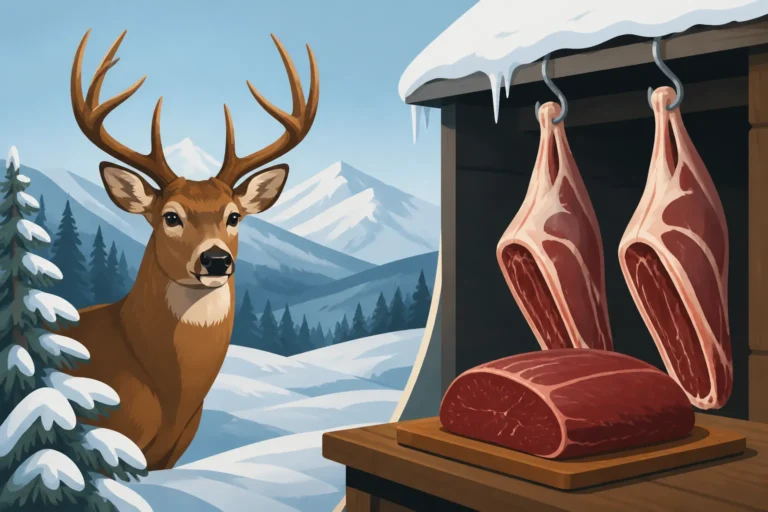
Natural enzymes break down tough muscle fibers to improve tenderness and flavor when hunters age venison in cold weather.
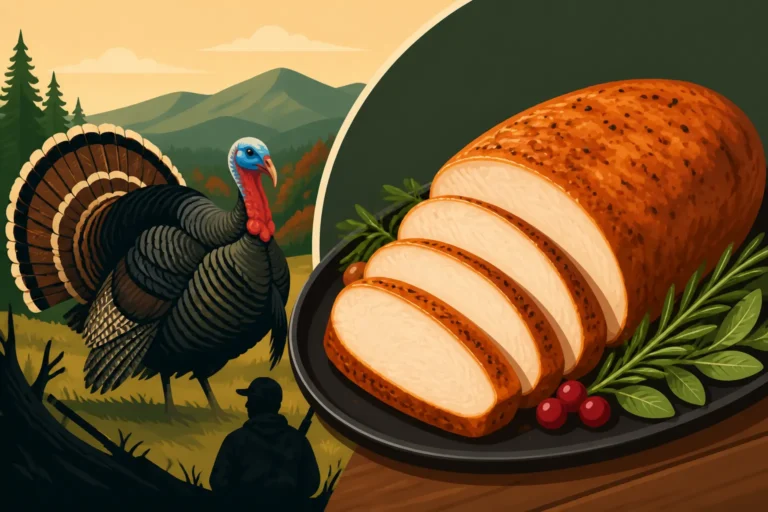
Wild turkey breast preparation and field care methods explain how to prevent dry meat through rapid cooling and brining.
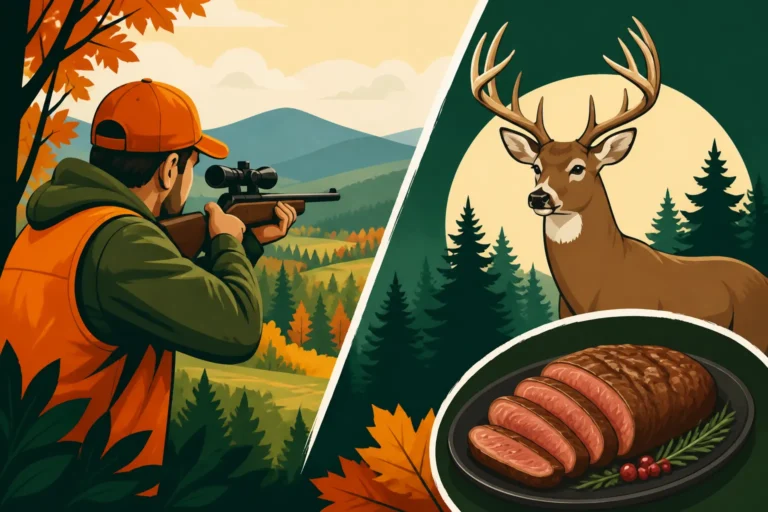
Vermont wild game flavor profiles depend on diet, animal age, and handling methods to maximize culinary quality and taste.
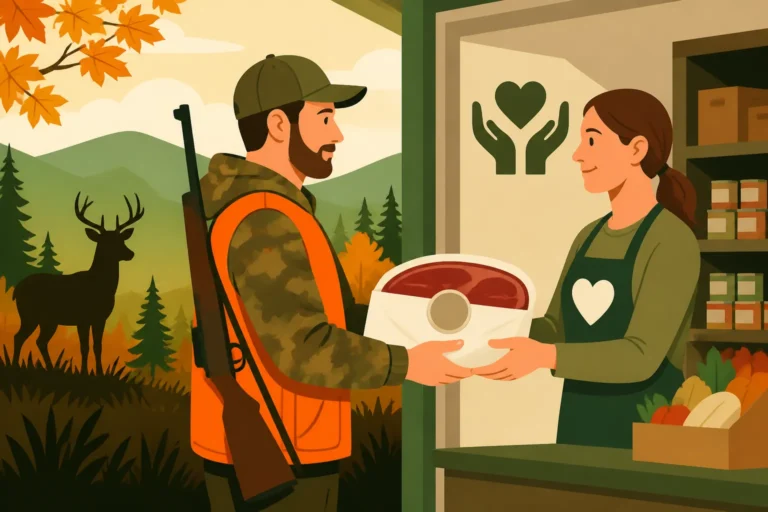
Vermont hunters can donate harvested venison to local food shelves through programs like Farmers and Hunters Feeding the Hungry.
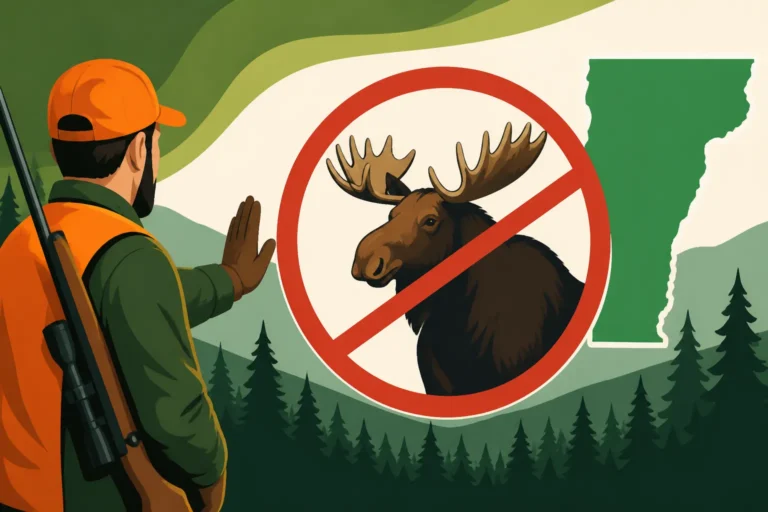
Vermont hunting regulations protect endangered animals like the Canada lynx and peregrine falcon from being legally harvested.
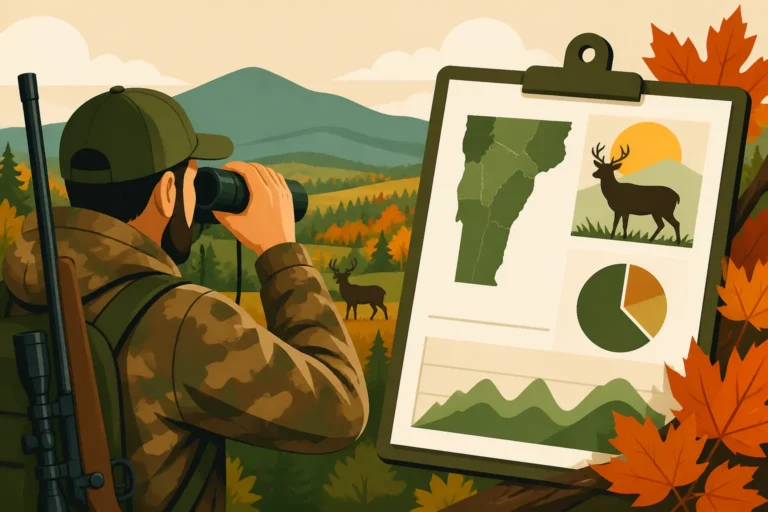
Vermont harvest reports explain deer population trends, Wildlife Management Unit success rates, and season weapon statistics.
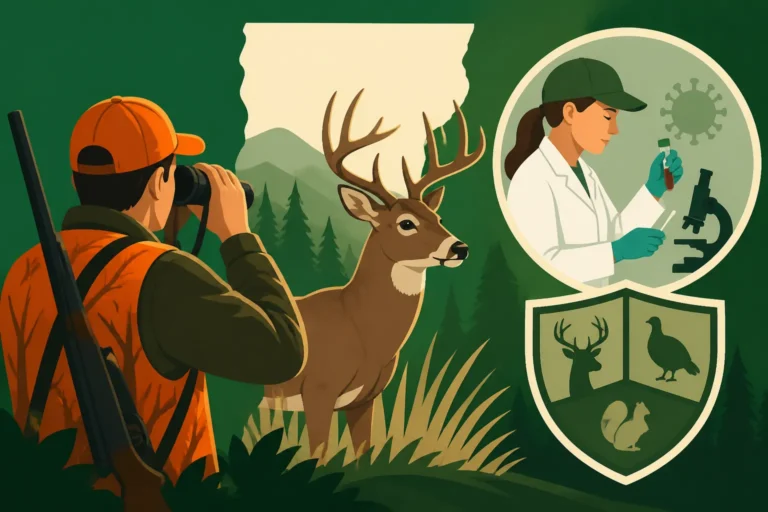
Vermont wildlife disease monitoring tracks deer and moose health through check stations and hunter observations to prevent threats.
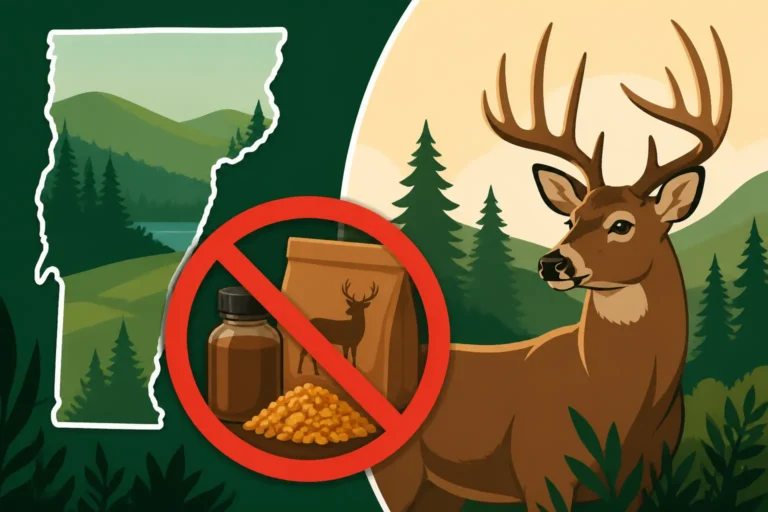
Vermont’s natural deer lure ban protects the local deer herd from chronic wasting disease by stopping infectious prions.
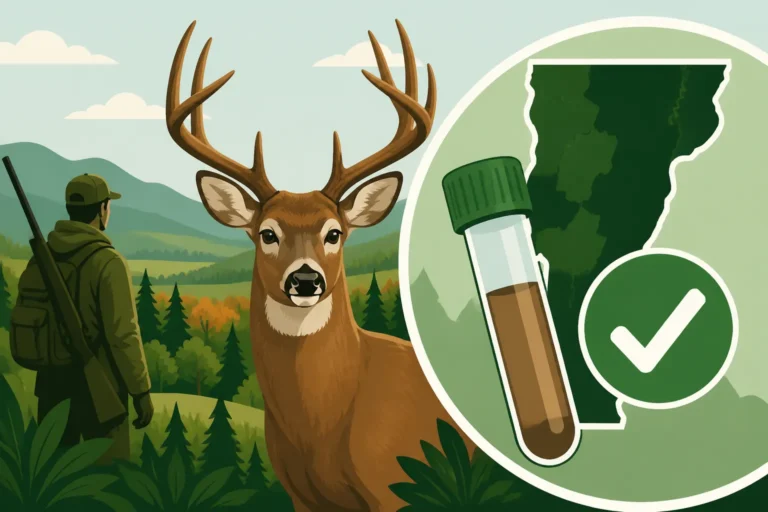
Vermont deer testing programs and proactive state regulations explain why local wildlife remains completely free from Chronic Wasting Disease.
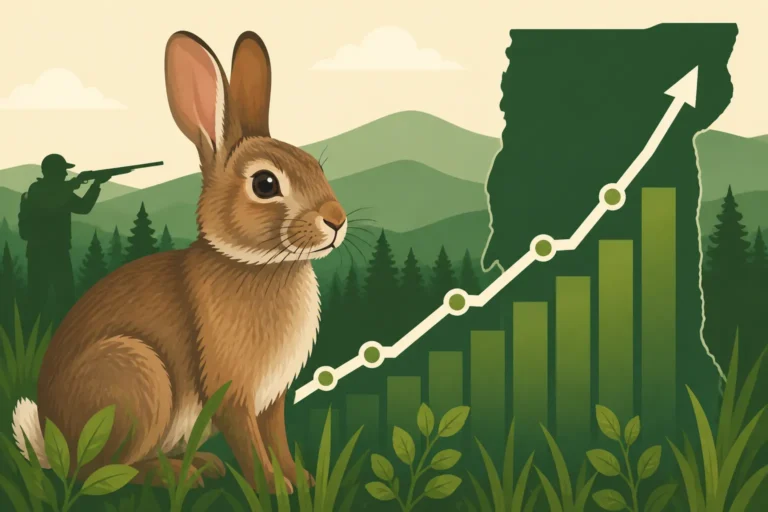
Vermont cottontail rabbit populations involve two distinct species with different habitats, conservation statuses, and current trends.