Public Ground Near Bennington
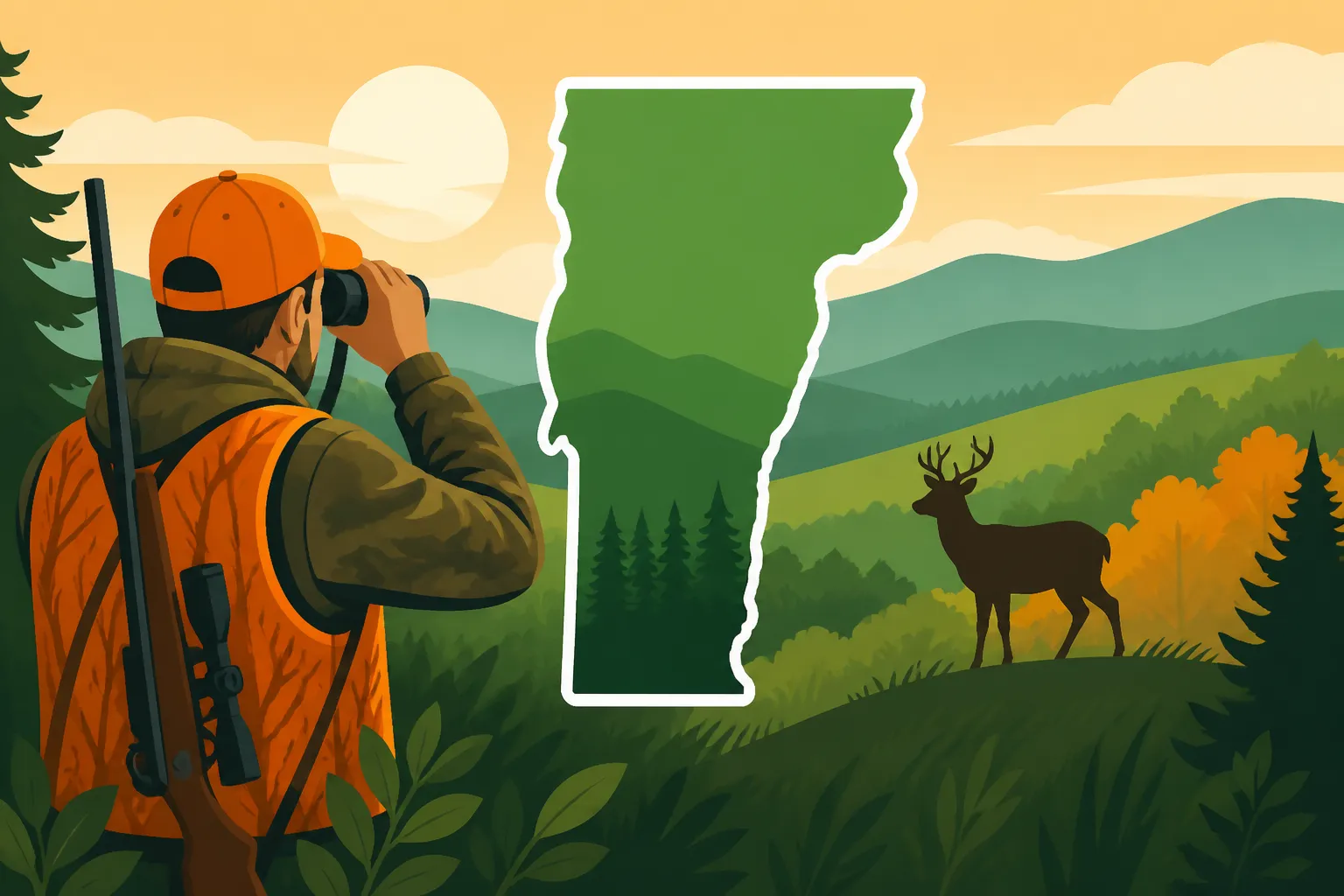
It can feel incredibly daunting to gaze at a map of Vermont, especially around the Bennington area, and try to discern where you can actually stretch your legs and hunt. Many folks, myself included, have felt that frustration of seeing endless green on a paper map only to realize it's all private land once you're on the ground. This guide is here to cut through that confusion, giving you a clear, detailed picture of the public hunting opportunities near Bennington, Vermont, and how to make the most of them.
The Unique Landscape of Southern Vermont's Hunting Opportunities
Southern Vermont, particularly the region surrounding Bennington, offers a distinctive blend of landscapes that directly impacts hunting opportunities. Unlike some of the more intensely farmed or densely populated areas of the state, this corner often features a rugged mix of foothills, mountain ranges, and pockets of rural development. This creates a challenging but rewarding environment for hunters willing to put in the effort.
The Mix of Private and Public Land
One of the biggest hurdles new hunters, and even seasoned veterans, face in Vermont is understanding the mosaic of land ownership. Around Bennington, you'll encounter a significant amount of privately owned woodland and farmland. Many hunters find themselves knocking on doors, hoping for permission. However, intermingled with these private holdings are crucial parcels of public land that provide excellent hunting. It's not always easy to tell where one ends and the other begins, especially in heavily forested areas. This patchwork makes reliable mapping tools absolutely essential. You can't just assume a block of woods is open to hunting; you need to verify it.
The good news is that when you do find these public tracts, they often hold deer, bear, and turkey that thrive in the mixed habitat. The challenge lies in consistent access and the potential for hunting pressure, especially on easily accessible parcels. Understanding the lay of the land, knowing which areas are managed for specific game, and being prepared to walk a bit further than the next guy are all keys to success here.
Key Public Land Holdings
When we talk about public hunting land near Bennington, the elephant in the room – or rather, the mountain in the woods – is the Green Mountain National Forest. This massive federal property dominates much of the western side of the state, including substantial portions south and east of Bennington. It’s an incredible resource, offering vast expanses of largely undeveloped forest. Beyond the National Forest, Vermont also manages various State Forests and Wildlife Management Areas (WMAs) which, while smaller in scale, often provide excellent habitat and specific hunting opportunities.
These different types of public land are managed under distinct guidelines, which can affect everything from vehicle access to trail camera usage and even the species you might encounter. For instance, some state forests might have stricter rules regarding off-road vehicles or camping than parts of the National Forest. It's not enough to simply know it's "public"; understanding what kind of public land it is will greatly inform your hunting strategy.
Specific Public Hunting Areas Near Bennington
Let’s zero in on some of the prime locations for hunting within a reasonable drive of Bennington. These areas offer different terrain, species concentrations, and access challenges, but all provide legitimate opportunities for the diligent hunter.
Green Mountain National Forest Access
The Green Mountain National Forest (GMNF) is arguably your best bet for extensive public hunting land in the Bennington region. It stretches for miles, encompassing rugged peaks, deep valleys, and diverse forest types. The GMNF is split into two major districts, and the Manchester Ranger District covers the bulk of the land west and north of Bennington, with parts of the Rochester Ranger District extending east. This means you have a vast backyard to explore.
Access points vary considerably. You'll find designated parking areas off main routes like Route 7 or Route 7A, but many of the best spots require driving down unpaved forest roads or hiking in from smaller pull-offs. The terrain is often steep and challenging, particularly in the Taconic Mountains that run through this section of the GMNF. This type of rugged landscape can actually work in your favor, as many hunters stick to easier-to-access areas. If you're willing to put in the effort and climb some of those ridgelines, you might find some less pressured deer, bear, and turkeys. Don't forget to scout thoroughly. Knowing how to read aerial photos and topo maps will give you a significant advantage when trying to pinpoint prime bedding areas, travel corridors, and feeding locations in this vast forest. Reading Aerial Photos for Green Mountain Deer can be a huge help here.
State Forests and Wildlife Management Areas
While not as expansive as the GMNF, several Vermont State Forests and Wildlife Management Areas (WMAs) in the vicinity of Bennington offer excellent hunting. These areas are typically smaller, but often intensively managed for wildlife habitat, making them productive hunting grounds.
For example, the Sandgate State Forest, located a bit northwest of Bennington, provides a mix of hardwood and softwood forests. It's a great place to explore for deer and turkey, and often sees less pressure than some of the more accessible GMNF spots. Another option might be the Merck Forest and Farmland Center in Rupert, which, while primarily focused on education and sustainable forestry, often allows hunting on its extensive property. Always check their specific guidelines, as rules can differ from traditional state lands. These smaller parcels can be perfect for a quick morning or afternoon hunt, especially if you're targeting small game like squirrels or ruffed grouse, in addition to deer and turkey. Squirrel Hunting Vermont Hardwoods is a great strategy for these areas.
Understanding the management goals of each WMA is key. Some are designed specifically for waterfowl, others for deer wintering yards, and some focus on forest health that benefits a variety of species. It's worth looking up the individual WMA details on the Vermont Fish and Wildlife Department website.
Navigating Access and Regulations on Public Land
Hunting public land successfully in Vermont requires more than just knowing where it is; you need to understand how to use it and the rules that govern it. This includes everything from finding boundaries to adhering to specific regulations.
Essential Mapping Tools
In today's hunting world, digital mapping tools are absolutely indispensable, especially when you're navigating the patchwork of public and private land near Bennington. Apps like onX Hunt have revolutionized how hunters understand land ownership. With a subscription, you can clearly see property lines, landowner names, and most importantly, delineate between public and private parcels right on your phone or GPS device. This is crucial for avoiding accidental trespass, which can lead to hefty fines and damage your reputation as a responsible hunter. Even if you're sure you're on public land, an app like onX Hunt can confirm it instantly. onX Layers for Vermont Land Status can help you understand how to use these tools effectively.
GoHunt is another excellent resource, offering detailed maps and planning tools that can help you scout from home. While perhaps more geared towards Western big game, many of its mapping features, like identifying topography, vegetation types, and access roads, are highly valuable for eastern whitetail and bear hunting. Remember, while these apps are powerful, they require a signal or pre-downloaded maps to work in remote areas. Always carry a physical map and compass as a backup, especially when venturing deep into the GMNF where cell service can be spotty at best.
| Resource Type | Best Use Cases | Key Features for Bennington Hunters |
|---|---|---|
| Green Mountain National Forest | Large, backcountry deer, bear, turkey, small game | Extensive acreage, challenging terrain, varied access roads, camping allowed |
| Vermont State Forests | Smaller, localized deer, turkey, small game, grouse | Habitat managed for timber and wildlife, good for day hunts, less crowded |
| Wildlife Management Areas | Specific habitat for diverse species, waterfowl | Often habitat-rich, check specific rules for each WMA, may have unique features |
| onX Hunt / GoHunt Apps | Identifying land ownership, scouting, navigation | Property lines, public/private delineation, topo maps, satellite imagery |
| VT F&W Website | Checking current regulations, season dates, WMA info | Official source for all hunting laws, permit info, Vermont Hunting Licenses and What They Cost |
Understanding Local Rules and Etiquette
Hunting in Vermont comes with a clear set of rules, and these can sometimes have local nuances. First and foremost, always carry your Vermont Hunting Licenses and What They Cost and any required permits. Blaze orange requirements are non-negotiable during certain seasons, even if you’re bowhunting during the rifle season overlap. Blaze Orange Requirements for Bowhunting the Overlap is a rule you absolutely need to understand.
When hunting public land, particularly in the GMNF or State Forests, familiarize yourself with rules regarding tree stands and ground blinds. While generally allowed, there are often regulations about how long they can be left up, whether they need to be labeled, and what types of materials can be used. Treestand Rules on Vermont Public Land can help you avoid common pitfalls. Beyond official rules, remember hunter etiquette. Be respectful of other users, whether they are fellow hunters, hikers, or mountain bikers. Park responsibly, avoid blocking access roads or gates, and always leave no trace behind. The more considerate we are, the better experience everyone has, and the more likely public access will continue.
Strategies for Hunting Bennington-Area Public Land
Hunting public land around Bennington can be incredibly rewarding, but it often requires a different approach than hunting private land. Adaptability, resilience, and smart tactics are your best friends here.
Scouting and Game Movement
Scouting is paramount, especially on large tracts of public land like the GMNF. Deer, bear, and turkey patterns can shift dramatically based on food availability, weather, and hunting pressure. Before the season even begins, spend time walking these areas. Look for old rubs, scrapes, well-used trails, and natural funnels. Pay attention to mast crops like acorns and beech nuts, which can draw deer and bear from miles around. Hunting After a Poor Acorn Year can drastically change where deer are found.
In the rugged Green Mountain terrain, understanding wind and thermals is non-negotiable. Air currents behave differently in valleys and on ridgelines, and a miscalculation can blow your scent right to the game you're pursuing. Wind and Thermals in Steep Green Mountain Terrain offers crucial insights. As the season progresses, especially into late fall and early winter, focus your efforts on late-season food sources and deer wintering yards. Deer will gravitate to areas with dense softwood cover that offers protection from harsh weather and browse.
Overcoming Hunting Pressure
Public land, by its very nature, is accessible to everyone, and with accessibility comes pressure. You'll likely encounter other hunters, especially during popular seasons like the November rifle season. The key to success on pressured public land is often to go where others won't. This might mean hiking further in from established parking areas, traversing steeper terrain, or exploring less obvious sections of a WMA. Hunting Pressure on Vermont Public Land is a real factor, but it's not insurmountable.
Consider hunting during weekdays if your schedule allows, as weekends tend to be much busier. Also, don't overlook areas that appear less "prime" at first glance. Sometimes the edge cover along a power line, a small, overlooked woodlot adjacent to private fields, or a transition zone between different forest types can hold game that has been pushed out of more obvious spots. Being flexible with your tactics, whether it’s still-hunting, setting up a ground blind, or Hanging a Stand on a Champlain Valley Field Edge (even if it's a small pocket of field near public woods), will increase your odds. Remember, the game is still there; you just need to work a little harder and smarter to find them.
Disclaimer
This article is for general informational purposes only and does not constitute professional advice. Laws, prices and regulations vary by location and change over time. Consult a qualified professional for guidance on your specific situation.