Chittenden County Public Land Access
Hunting in Vermont can feel like an endless wilderness adventure, but for those of us living in or looking to hunt Chittenden County, the landscape presents a unique set of challenges and opportunities. With more people and less vast, unbroken public acreage, finding quality hunting spots here can be daunting. This guide is here to help you navigate those waters, uncovering the public land access points that often go overlooked and offering strategies to make your hunt successful in Vermont's most populous county.
Understanding the Hunting Landscape in Chittenden County
Chittenden County is a vibrant hub, home to Burlington, the state's largest city, and many other bustling towns. This density means that while there's still plenty of beautiful Vermont countryside, the sheer amount of sprawling public wilderness you might find in, say, the Northeast Kingdom, is simply not here. However, that doesn't mean hunting opportunities are non-existent. Quite the contrary, if you know where to look and how to approach it, Chittenden County can offer some surprisingly productive hunting experiences, especially for deer, turkey, and small game.
The biggest frustration many hunters face in Chittenden County is the perception that it's "all private land" or "too crowded." It's true that properties are often smaller, more fragmented, and bordered by residential areas. This requires a different mindset and approach than simply heading deep into a national forest. But the good news is that wildlife, particularly deer and turkeys, adapt incredibly well to these mosaic landscapes. They learn to use thickets, small woodlots, and creek bottoms as sanctuaries, often right under our noses, if we're willing to put in the effort to find them. Don't be discouraged by the suburban sprawl; think of it as a puzzle with rewarding pieces.
The Impact of Population Density on Hunting Opportunities
The higher population density in Chittenden County inevitably means more people in general, and potentially more people recreating outdoors. This can translate to increased hunting pressure in easily accessible areas, especially during popular seasons like the rifle opener. You might encounter more hikers, dog walkers, or mountain bikers on public trails, particularly closer to urban centers. This isn't a reason to abandon your hunt, but it absolutely requires a strategic adjustment.
One of the most effective ways to mitigate this is by hunting during less popular times or by seeking out spots that are harder to reach. While many hunters might stick to the well-worn paths, a little extra effort to walk further, cross a wetland, or navigate some thick brush can often put you in prime, undisturbed territory. Wildlife quickly learns where the pressure is, and they will gravitate towards areas of refuge. Understanding human behavior becomes almost as important as understanding deer behavior in these environments. It also means that being extra vigilant about safety, knowing your backstops, and being aware of surroundings is paramount.
Types of Public Land Available in Chittenden County
While the Green Mountain National Forest doesn't have a huge footprint directly in Chittenden County, you'll find other valuable public land options. These include various Wildlife Management Areas (WMAs), state forests, and sometimes even town forests or conservation easement lands. Each type of land comes with its own set of rules and characteristics, but all offer crucial access for hunters.
These areas, though sometimes smaller in acreage than their counterparts elsewhere in Vermont, are strategically managed for wildlife habitat. Think of them as vital green corridors and pockets in a more developed region. They provide food, water, and cover for game species, and with a bit of scouting and persistence, you can definitely find success. The key is to identify these specific parcels, understand their boundaries, and learn how game animals use them throughout the year.
Key Public Hunting Areas and Their Characteristics
Chittenden County offers a handful of distinct public hunting areas that, while varied in size and terrain, provide excellent opportunities. These aren't always vast tracts of wilderness, but rather strategic parcels that, when understood and approached correctly, can be incredibly productive.
Sand Bar State Park and WMA
Located on the shores of Lake Champlain in Milton, Sand Bar is primarily known as a state park, but it also encompasses a Wildlife Management Area. This area is fantastic for waterfowl hunting, with its marshlands and proximity to the lake, which is a major flyway for ducks and geese. You'll find diverse habitat, from open water and cattail marshes to wooded edges.
Hunting here often involves setting up decoys for migrating birds. While known for waterfowl, the adjacent woodlands and thickets can also hold deer, especially during the archery season when they're less pressured. It's crucial to understand the specific boundaries of the WMA versus the state park, as hunting regulations can differ. Access is generally good, but you'll want to scout to identify good pinch points or areas where birds are actively feeding or resting. Decoying Ducks on Lake Champlain is a great resource if you plan to hit the water.
Hinesburg Town Forest
Town forests are often overlooked gems, and the Hinesburg Town Forest is a prime example of public land access in Chittenden County that can offer good hunting. It’s a mix of mature hardwoods, softwoods, and some regenerating timber, providing excellent deer and turkey habitat. While not massive, its varied topography with ridges, ravines, and water sources creates natural funnels and bedding areas.
Hunting here will require a different strategy than in larger, more remote areas. Pressure can be a factor, so scouting for less-traveled pockets and understanding wind direction in the rolling terrain is key. Finding those subtle changes in elevation or cover where deer feel secure can lead to success. You might find success still-hunting through the timber or setting up on a well-used trail during the rut. Reading a Green Mountain Deer Yard can help you understand how deer use these varied habitats throughout the year.
Lake Champlain Islands Access Points
While technically part of Grand Isle County, the proximity of the Lake Champlain Islands to Chittenden County makes them a relevant discussion point for public land access, especially for waterfowl. There are numerous smaller public access points, conservation lands, and even state-owned parcels on the islands that offer hunting opportunities, primarily for ducks and geese.
These areas are often smaller, disconnected parcels, so diligence in identifying them and understanding local regulations is crucial. They might include small bays, cattail edges, or points of land that extend into the lake. Hunting these spots often means launching a small boat or wading out. Keep in mind that some areas might be heavily used by birdwatchers or other recreational users, so always be respectful and prioritize safety. When it comes to finding these little pockets of hunting paradise, a reliable mapping app like onX Hunt is an absolute game-changer. It allows you to clearly see property lines and public land boundaries, which is essential when dealing with fragmented parcels.
Muddy Brook Wildlife Management Area
South of Burlington, the Muddy Brook WMA in South Burlington offers another opportunity, though it's typically a smaller, more marshy environment. It's often associated with waterfowl, similar to Sand Bar, but the surrounding uplands can hold deer. The challenge here is often access through wet areas and understanding the smaller scale of the property.
Muddy Brook WMA might not be the place for a long, arduous backcountry trek, but it can be highly productive for shorter, strategic hunts. Look for areas where water fowl feed or rest, or where deer might cross from private land to use the WMA for cover during daylight hours. Early mornings and late evenings are often the best times to catch animals moving through these smaller, more transitional habitats.
Navigating Access and Regulations in Chittenden County
Hunting in a more developed area like Chittenden County isn't just about finding the land; it's also about understanding the nuances of access, permission, and local regulations. The rules about public and private land, and how closely they can intertwine, are particularly important here. This is where your planning and preparation really shine.
Understanding Vermont's Trespass and Permission Laws
Even on what appears to be public land, knowing exactly where property lines lie is critical in Chittenden County. Many public parcels are bordered by private residences or farms, and accidental trespass is a real concern. Vermont law generally requires permission to hunt on private land, whether posted or not. While you might be on public ground, an unrecovered animal could lead you onto private property, and understanding Retrieving Game From Private Land in Vermont is essential.
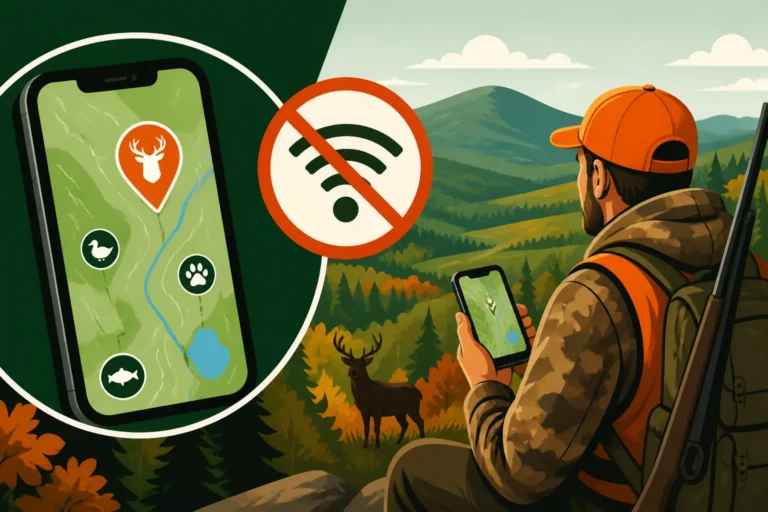
This is where digital mapping tools become indispensable. Services like onX Hunt allow you to see property ownership and public land boundaries right on your phone, even when you're out of cell service (if you download maps beforehand). This kind of technology can save you a lot of headaches and ensure you're always legal. It gives you the confidence to navigate complex land ownership patterns without constantly second-guessing whether you're where you're supposed to be. Always double-check your position, especially if you're approaching what looks like a property line.
Utilizing Mapping Technology for Public Land Hunting
As mentioned, mapping applications are not just convenient; they are a critical piece of your hunting gear in Chittenden County. When public land parcels are often smaller and irregularly shaped, with private properties sometimes creating a checkerboard pattern, precise navigation is non-negotiable.
These apps do more than just show you property lines. They can highlight topography, satellite imagery, public access points, and even show you layers specific to different land designations. For example, you can often see boundaries for state forests, WMAs, and private parcels with relative ease. Before you head out, spend time with your chosen app, familiarizing yourself with the area you plan to hunt. Identify potential entry and exit routes, locate natural funnels, and pinpoint areas of dense cover that might hold deer or turkeys. Don't forget to download your maps for offline use, as cell service can be spotty even relatively close to urban areas. This detailed preparation can truly make the difference between a frustrating walk and a successful hunt. For a deeper dive, check out onX Layers for Vermont Land Status.
Respecting Local Ordinances and Safety Zones
In a more populated county, local ordinances about firearm discharge, noise, and distance from dwellings become incredibly important. While state law governs much of hunting, towns can have additional regulations. Always be aware of safety zones around occupied dwellings, which prohibit discharge of firearms within a certain distance, and understand that bowhunting rules for setbacks can be different.
It's your responsibility as a hunter to know and abide by these rules. This isn't just about avoiding a fine; it's about being a responsible ambassador for hunting. When you're hunting near residential areas, your actions reflect on all hunters. Choose your stand locations carefully, ensure a safe shot with a clear background, and always be conscious of your surroundings. If you're unsure about specific town ordinances, a quick call to the town clerk's office or the local game warden can clarify things before you head into the field.
Strategies for Hunting Success in Chittenden County
Hunting in Chittenden County demands a thoughtful and adaptable approach. You won't typically find vast, untouched wilderness, but rather a patchwork of habitats where game animals learn to live right alongside human activity. Success often hinges on outsmarting both the game and, at times, other hunters.
Focusing on Overlooked Pockets and Transitional Zones
In Chittenden County, the biggest bucks and smartest gobblers often hide in plain sight within small, seemingly insignificant pockets of cover that most hunters walk past. Think about those dense, brushy thickets along a power line right-of-way, a swampy creek bottom tucked behind a housing development, or a small woodlot bordering a busy road. These "marginal" areas often receive less pressure because they don't look like traditional prime hunting ground, yet they offer exactly what wary game needs: cover and security.
These transitional zones—where woods meet fields, or where suburban sprawl gives way to wilder edges—are especially productive. Deer will often bed in dense cover during the day and move out to feed in nearby fields under the cover of darkness. Finding the pinch points and travel corridors between these areas is key. Don't be afraid to Finding Ground Others Walk Past or to spend time scouting those awkward, hard-to-access places that others ignore. That's often where the real gems are hidden.
Adapting to Increased Hunting Pressure
Let's face it, more people means more hunters, especially on accessible public land. This isn't a bad thing, but it means you need to adjust your tactics. Hunting mid-day, when many other hunters have gone back to camp or for lunch, can be incredibly effective. Deer often learn to move more during these quieter hours after the initial morning rush.
Also, consider hunting during less popular seasons, like the archery season. While Hunting Vermont's Regular Archery Season Into December can be challenging with cooler weather, it offers a much less crowded experience than the peak of rifle season. The added benefit is that bowhunting generally involves quieter, more subtle tactics, which are well-suited to areas with closer proximity to human activity. If you're hunting during rifle season, think about those small, dense cover pockets that rifle hunters might not want to penetrate. A deer might move into that cover specifically to escape pressure, offering you a unique opportunity.
Maximizing Small Tracts and Permission Opportunities
Even small parcels of public land can be highly productive. A 20-acre WMA, if it connects two larger blocks of private land, can act as a crucial funnel. Learn to read the topography and cover in these small tracts. Where would a deer feel safe moving through? Where would a turkey roost? These smaller areas often require intense, focused scouting rather than simply covering a lot of ground.
Furthermore, don't underestimate the power of private land permission in Chittenden County. Many landowners, especially those with smaller woodlots or field edges, might be open to a quiet, respectful hunter helping with deer management. Always approach with respect, offer to help with chores, and make a great impression. A small piece of private land can provide incredible hunting close to home. Sometimes, these landowners even have specific needs, like reducing damage to garden crops or mitigating vehicle collisions, which aligns perfectly with a hunter's goals. For tips on navigating these conversations, look into Knocking on Doors in Champlain Valley Farm Country.
Here's a quick overview of some potential public land types and what they might offer in Chittenden County:
| Public Land Type | Typical Size Range (Chittenden) | Primary Game Species | Key Hunting Strategy | Considerations |
|---|---|---|---|---|
| Wildlife Management Area (WMA) | Small to Medium | Deer, Turkey, Waterfowl, Small Game | Focus on specific habitat types; use mapping tools. | Varying regulations; potential for higher pressure. |
| State Forest/State Park (Hunting Permitted Areas) | Medium to Large | Deer, Turkey, Small Game | Deeper penetration for less pressure; mid-day hunts. | Shared use with hikers/recreationists; specific boundaries. |
| Town Forest | Small to Medium | Deer, Turkey, Small Game | Scout for overlooked pockets; understand local rules. | Local ordinances vary; potentially less managed for game. |
| Conservation Easement Land | Varied | Deer, Turkey, Small Game | Strict adherence to easement rules; verify access. | Access can be restricted; research specific property. |
This table is a general guide; always verify specific rules and boundaries for any parcel you plan to hunt. A tool like GoHunt could be useful for finding broader information on different land types and regulations across Vermont, complementing your local scouting with general knowledge about conservation efforts and public access policies.
Conclusion: Making the Most of Chittenden County
Hunting in Chittenden County might not offer the same remote, backcountry experience as other parts of Vermont, but it absolutely provides rewarding opportunities for the dedicated hunter. It simply demands a different approach: one that values meticulous scouting, strategic thinking, understanding human and wildlife interactions, and leveraging modern tools.
By focusing on overlooked pockets, adapting to pressure, respecting landowners, and utilizing essential resources like detailed mapping applications, you can find success right in Vermont's most populated area. So, embrace the challenge, put in the work, and you might just discover that some of the best hunting can be found closer to home than you ever imagined.
Disclaimer
This article is for general informational purposes only and does not constitute professional advice. Laws, prices and regulations vary by location and change over time. Consult a qualified professional for guidance on your specific situation.