Hunting a State Forest Fire Road
One of the biggest headaches for Vermont hunters, especially those new to public land, is figuring out where to even start. It often feels like a sprawling, impenetrable forest with no clear entry points or logical places to begin your hunt. This guide is here to shed light on a fantastic, often overlooked resource: state forest fire roads, detailing how to scout, access, and effectively hunt these unique pathways for deer, bear, and turkey.
Understanding Vermont's State Forest Fire Roads
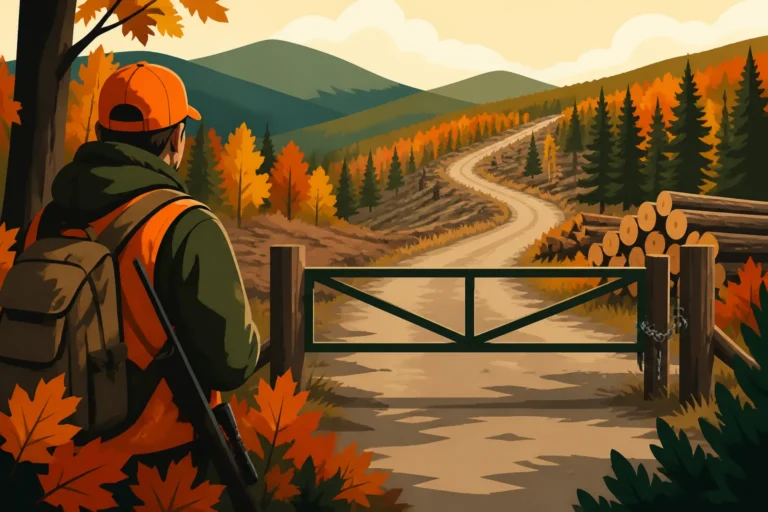
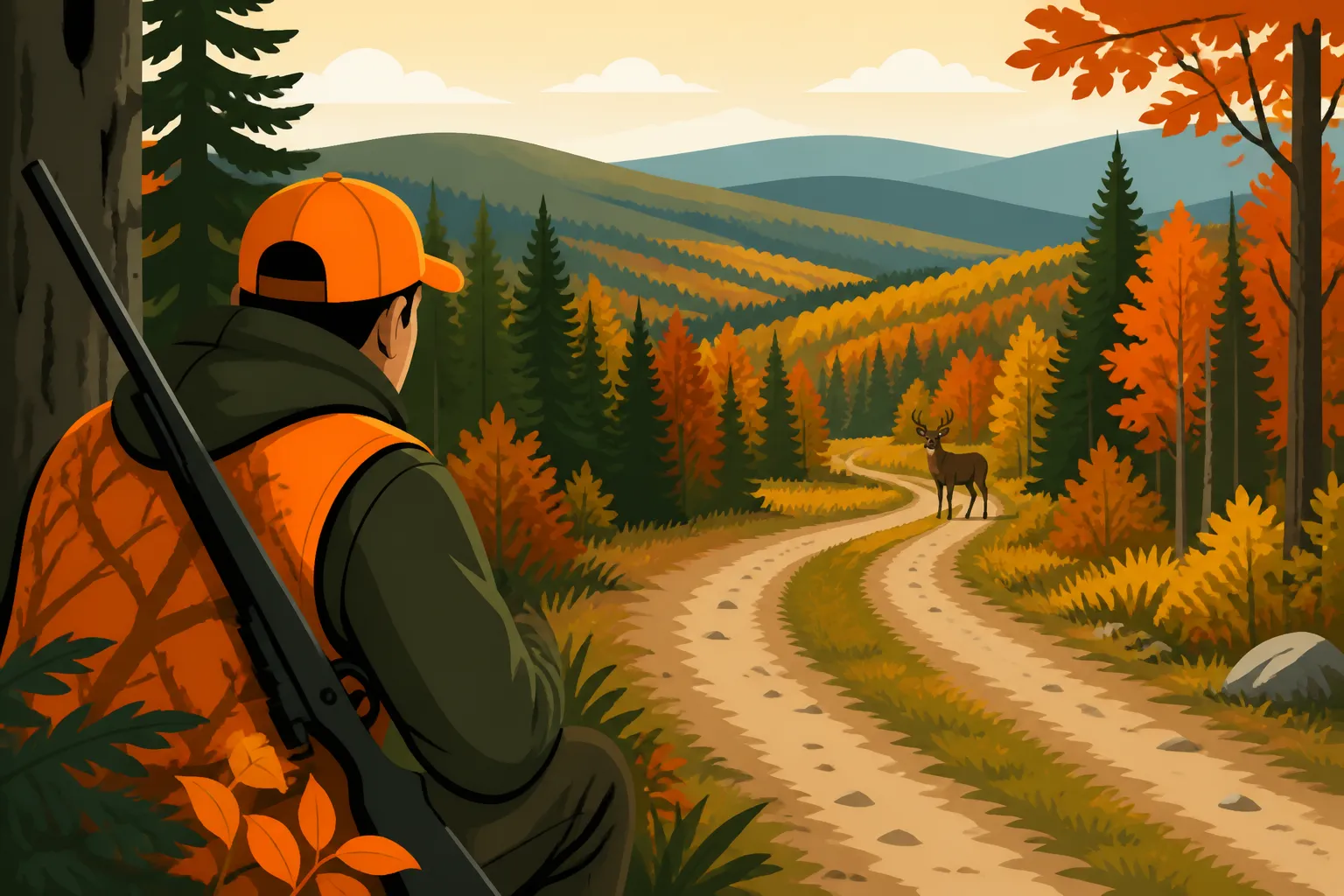
When you hear "fire road," you might picture a wide, graded gravel path that sees regular vehicle traffic. While some certainly fit that description, many fire roads in Vermont's state forests are far more rugged, sometimes overgrown, and often gated off to public vehicles, creating prime hunting opportunities that blend accessibility with solitude. These aren't just paths; they're often historical logging routes or access points for forest management that have naturally become corridors for wildlife.
What Makes Fire Roads Unique for Hunters
Unlike a main highway or even a paved back road, fire roads cut deep into the timber, offering direct access to areas that might otherwise require a bushwhack of considerable distance. They can serve as natural funnels for game movement, especially where they follow ridges, cross saddles, or parallel thick cover. Because many are gated, they often receive less human pressure than areas right off a main road. You get the benefit of a clear walking path without the constant intrusion of cars. This combination of accessibility, reduced pressure, and natural funneling makes them a golden opportunity for the informed hunter. It's a sweet spot where you can cover ground efficiently while still feeling truly immersed in the wilderness, without having to brave deep swamps or tangled blowdowns just to get to a decent starting point.
Common Misconceptions About Fire Road Hunting
A common misconception is that hunting near any road, even a fire road, means you're just picking off easy deer. That's rarely the case with these remote Vermont tracks. Many fire roads are anything but easy access; they can be steep, rocky, and require significant effort to hike in. Another thought is that game avoids these areas due to human scent. While mature animals are certainly wary, they often use these cleared paths to travel, feed along their edges, or cross them to get from one bedding area to another. The trick isn't to just walk down the middle of the road hoping to jump a buck, but to understand how deer, bears, and turkeys use the features adjacent to and crossing these roads. Finding Ground Others Walk Past is often about looking beyond the obvious.
Scouting and Accessing Fire Roads
Effective hunting on state forest fire roads begins long before you ever step foot there with a weapon. It starts with thorough scouting, both from your computer and on the ground. This preparation will tell you which roads offer the best potential and how to navigate them safely and efficiently.
Mapping Your Way In and Out
Before you lace up your boots, fire up your mapping apps. Tools like onX Hunt or GoHunt are absolutely invaluable here. You can identify state forest boundaries, locate fire roads (often marked as dashed lines or service roads), and most importantly, identify potential access points and parking. Look for roads that connect different habitat types—maybe one side is mature hardwoods, and the other is a thick softwood stand. Pay attention to topography: roads that run along ridge lines, cross saddles, or parallel steep ravines are often natural travel corridors. Pin potential parking spots, notice any gates or restrictions, and mark any natural funnels or pinch points that intersect or run alongside the road. Remember to always double-check land ownership, even if it looks like public land, to avoid any unintentional trespassing. Scouting Vermont Public Land Before Season can save you a lot of grief.
What to Look for on the Ground
Once you've narrowed down a few promising fire roads on your map, it's time for some boots-on-the-ground recon. Walk the roads and pay close attention to the details.
- Sign: Look for fresh deer tracks, rub lines on small trees along the road edge, and scrapes. If you're bear hunting, look for scat, overturned rocks, or claw marks on beech trees. For turkeys, check for dusting bowls, strut marks, and droppings. Finding Sign in Green Mountain Timber is key here.
- Habitat Changes: Notice where the forest changes from dense cover to more open woods. Where does a logging cut meet mature timber? Where does a hardwood ridge drop into a swampy bottomland? These transitions are often prime spots for game.
- Food Sources: Are there acorn-bearing oaks along the edges? Wild apple trees? Beech nuts? Old logging operations might have left behind areas of new growth that offer browse for deer.
- Water: Does the road cross any small creeks or seeps? Even a tiny water source can draw animals, especially in drier periods.
- Pressure: How much human activity do you see? Are there old boot prints, spent casings, or other signs of recent hunting? A truly remote, overgrown fire road might be a diamond in the rough.
| Feature | What to Look For | Why It's Important for Hunters |
|---|---|---|
| Tracks | Fresh deer, bear, or turkey tracks in mud or soft earth. | Indicates recent game movement and travel patterns. |
| Rub Lines | Small saplings rubbed smooth by buck antlers. | Bucks marking territory, often along travel routes. |
| Scrapes | Patches of bare earth pawed clear by deer, often with an overhanging branch. | Communication hubs for deer, especially in the rut. |
| Scat/Droppings | Bear scat (berries, nuts) or turkey droppings (J-shaped). | Confirms presence and recent feeding activity. |
| Habitat Edges | Where timber changes density, species, or age. | Transition zones are often preferred by game. |
| Topography | Saddles, benches, creek crossings, ridge lines. | Natural funnels and travel corridors for animals. |
| Food Sources | Acorns, beech nuts, wild apples, new growth browse. | Dictates where animals will spend time feeding. |
| Water Sources | Small springs, seeps, creek crossings. | Essential for all game, especially in dry weather. |
Gaining Access and Parking Considerations
Many state forest fire roads have gates. These gates are typically there to prevent vehicle traffic, not foot traffic. Always check signage, but generally, if a gate is present, it means you'll be walking or using a bicycle. This can be a huge advantage, pushing less dedicated hunters away. When parking your vehicle, ensure you're not blocking the gate or any private access points, and always check for "no parking" signs. Being considerate and legal with your parking can prevent a lot of headaches, and helps maintain good relations with landowners and the state. Reviewing Vehicle Rules on Vermont Public Land before you go is always a smart move.
Hunting Strategies for Fire Roads
Hunting a state forest fire road isn't about simply walking down the middle hoping to bump into an animal. It's about understanding how game uses these features and adapting your approach to their behavior. Whether you're after deer, bear, or turkey, strategic thinking around fire roads can significantly increase your chances of success.
Deer Hunting Tactics
Deer, particularly mature bucks, are wary of open areas. However, they frequently use the edges of fire roads or cross them at specific points.
- Still-Hunting the Edges: Instead of walking the road itself, move slowly and deliberately just inside the timber, paralleling the road. Use the road as a reference point, but keep your eyes peeled for deer moving through the denser cover. Focus on areas where the road makes a bend, crosses a small stream, or goes over a rise, as these are natural points of interest for a traveling deer. You'll often find Where Vermont Bucks Bed in Thick Cover within 50-100 yards of these less-traveled paths.
- Setting Up on Funnels and Crossings: During scouting, you likely identified natural funnels or pinch points where deer are likely to cross the fire road. This could be a narrow saddle, a low spot between two hills, or a distinct game trail entering and exiting the timber. These are ideal spots for a treestand or ground blind. Arrive well before daylight, set up quietly, and be patient. Deer might use the road itself for a quick crossing at dawn or dusk, or they might parallel it through the woods to scent-check for danger before crossing. Consider a ground blind if the cover is sufficient; Using a Ground Blind on Public Land can be highly effective in these situations.
- Timing Your Hunt: Early morning and late afternoon are prime times for deer movement. However, if the fire road sees some foot traffic, midday can be productive if deer are moving between bedding and feeding areas deep within the forest and are simply using the road for efficient travel. During the rut in November, bucks can be on the move any time of day, often scent-checking trails and scrapes along these less-traveled routes.
Bear Hunting Near Fire Roads
Fire roads can be excellent for bear hunting, especially in areas with good food sources.
- Beech Ridges and Mast Crops: If your scouting revealed a fire road running through or near a good beech ridge, you've found a potential hotspot. Bears will actively feed on beech nuts in the fall. Focus your efforts where the road gives access to these feeding areas. Spot-and-Stalk Bear Hunting a Beech Ridge can involve slowly walking the road and glassing into the timber, or setting up a stand overlooking a particularly productive section of the forest edge.
- Spot and Stalk Opportunities: For early season hunting, bears might be found feeding on berries or early mast. A quiet approach along a fire road, constantly scanning the woods ahead and to the sides, can lead to a successful spot-and-stalk opportunity. Just be sure of your shot and backdrop, as a moving bear can quickly disappear into cover.
- Baiting (Where Legal and Permitted): While some fire roads might provide suitable access to a baiting site (if allowed in Vermont and you have the necessary permits), remember that baiting requires consistent attention and often involves carrying heavy supplies in and out. The benefit of a fire road here is simply the ease of travel for you and your gear, not necessarily a place to set the bait directly on the road.
Turkey Hunting Along Fire Roads
Turkeys love to travel and feed along open edges, and fire roads provide exactly that.
- Calling and Setting Up: In spring, gobblers will often use fire roads as strutting zones or travel corridors. Set up just off the road in concealment, and use locator calls to pinpoint a bird. Once you hear one, get between him and his likely travel route, which might be the fire road itself or a parallel game trail. For fall hunting, working a flock apart statewide with a bow often involves pushing them across an open lane like a fire road, then calling them back.
- Feeding Areas: Turkeys will scratch for insects and seeds along the grassy edges of fire roads, especially if there are open fields or clearings nearby. Look for fresh scratchings and droppings.
- Morning Roosts: In some areas, fire roads might run near suitable roost trees. Before daylight, quietly walk the road and listen for gobblers on the roost. Once you pinpoint one, set up quickly and try to call him down off the limb. Remember, When Vermont Gobblers Go Quiet in Late May, your tactics might need to shift from aggressive calling to more subtle approaches.
Safety and Regulations on Fire Roads
Hunting on state forest fire roads offers fantastic opportunities, but it also comes with a unique set of responsibilities regarding safety, regulations, and ethical behavior. Always prioritize safety for yourself and others, and respect the land.
Blaze Orange Requirements and Visibility
Vermont has clear blaze orange requirements, especially during firearm seasons. During the general rifle season, or during the archery-rifle overlap, you must wear at least 500 square inches of blaze orange above the waist. Even if you're bowhunting during a season that doesn't explicitly require it, if you're sharing the woods with rifle hunters (like during Hunting a Bow During the Rifle Season Overlap), wearing blaze orange is just plain smart. Fire roads, being relatively open, can increase your visibility to other users, but also means you need to be even more conscious of being seen. Don't assume you're the only one out there. How Much Blaze Orange Vermont Requires is critical to know.
Interacting with Other Forest Users
Fire roads are not exclusively for hunters. You might encounter hikers, mountain bikers, dog walkers, or even ATV riders if the specific road allows it.
- Courtesy First: Always assume you're not alone. If you encounter other users, be courteous and respectful. They have just as much right to be there as you do.
- Identify Yourself: If you're carrying a firearm or bow, make yourself known as a hunter, perhaps by a friendly wave or verbal greeting. This helps alleviate any potential concerns they might have and fosters a positive image of hunters.
- Right of Way: Typically, non-motorized users have the right of way over motorized users, and all users should extend courtesy. As a hunter, be prepared to step off the road and let others pass.
Trail Camera and Stand Regulations
State forest regulations often govern the use of trail cameras and treestands.
- Trail Cameras: Some public lands have restrictions on where and how long trail cameras can be left. Always check the specific rules for the state forest you're hunting. You don't want to invest in a great camera setup only to find it's illegal. Generally, cameras should be clearly marked with your contact information. Refer to Trail Camera Rules on Vermont Public Land for specifics.
- Treestands: Most state forests require that portable treestands be removed after the season, or within a specific timeframe after installation. Permanent stands are almost universally prohibited. Always use a safety harness when using any elevated stand. When using a climbing stand, ensure the tree you select is healthy and sturdy.
Ethical Hunting Practices on Fire Roads
Ethical hunting extends beyond just following the law. It's about respecting the game, the land, and other users.
- Leave No Trace: Pack out everything you pack in. This includes spent casings, food wrappers, and any trash.
- Respect Boundaries: Even if a fire road borders private land, ensure you know where the lines are. Use your mapping app to verify. What Vermont Trespass Law Requires is something every hunter should be familiar with.
- Responsible Shot Selection: Fire roads often offer clearer sight lines, but always be sure of your target and what lies beyond it. Never take a shot down a fire road if you don't know what's in the background, especially with other users potentially present.
Hunting a state forest fire road can be an incredibly rewarding experience, offering a unique blend of accessibility and wildness that's perfect for the dedicated Vermont hunter. By understanding these routes, scouting diligently, applying smart hunting tactics, and always prioritizing safety and ethics, you can unlock some fantastic opportunities this season.
Disclaimer
This article is for general informational purposes only and does not constitute professional advice. Laws, prices and regulations vary by location and change over time. Consult a qualified professional for guidance on your specific situation.