Best Rifle Caliber for Vermont Moose
For many hunters, the opportunity to pursue a moose in Vermont is a once-in-a-lifetime dream. But when that coveted permit finally comes through, one of the most critical decisions you'll face is choosing the right rifle caliber. This isn't just about punching paper; it's about confidently and ethically taking down an animal that can weigh over 1,000 pounds in rugged Green Mountain terrain. This guide will help you understand the dynamics of moose hunting in Vermont and equip you with the knowledge to select a caliber that's up to the formidable task.
The Challenge of Vermont Moose Hunting: Why Caliber Matters
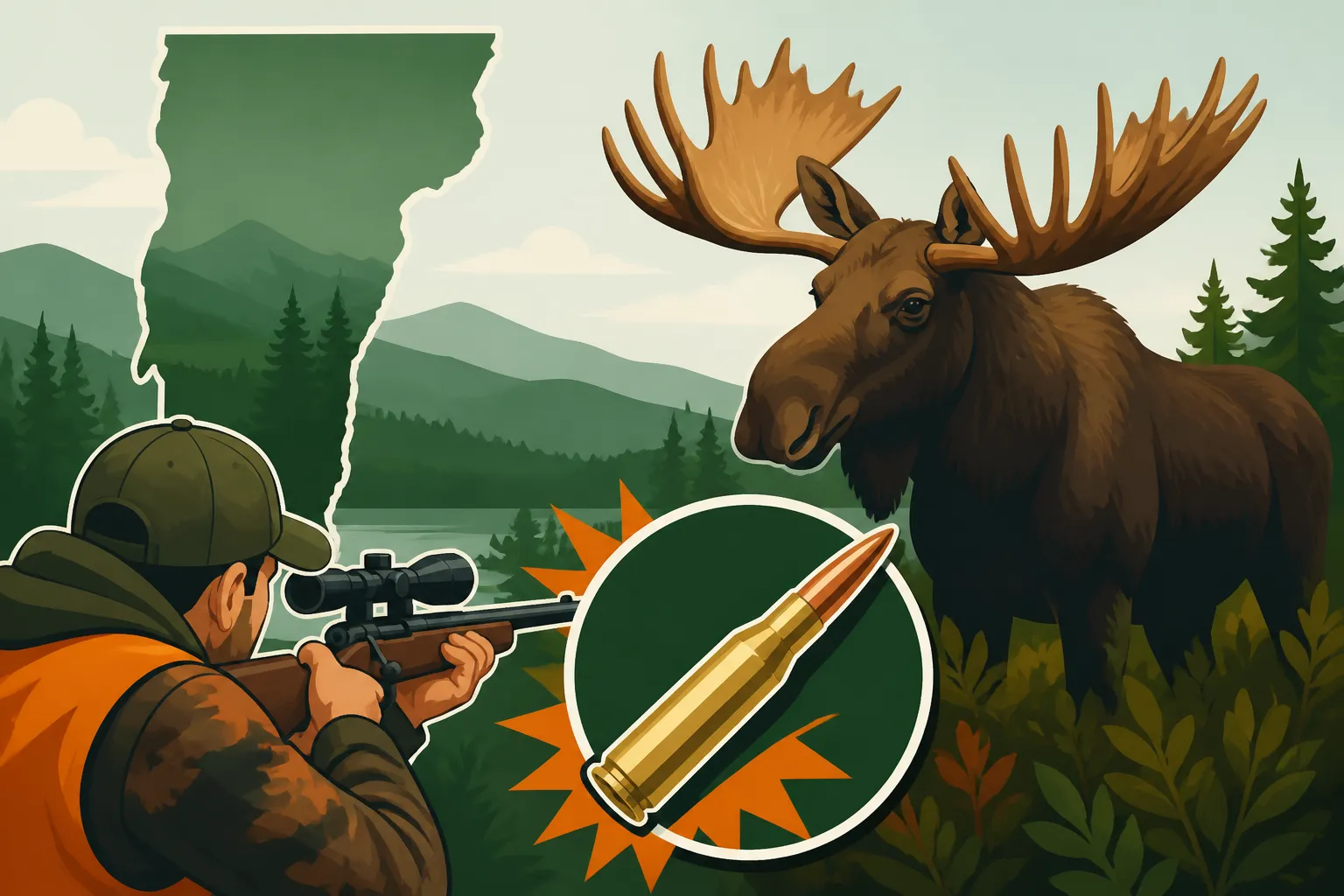
Hunting moose in Vermont is an experience unlike any other, primarily taking place in the vast and wild stretches of the Moose in Vermont's Northeast Kingdom. These are immense animals, far larger and more robust than any deer you'll encounter. Successfully harvesting one requires not just skill and patience, but also a rifle and ammunition combination capable of delivering the terminal performance needed for a quick, humane kill. This isn't the place for marginal calibers or questionable bullet choices.
Understanding the Vermont Moose Physique
Vermont moose are truly impressive animals, with mature bulls often topping 1,000 pounds live weight and standing six feet or more at the shoulder. Their bone structure is dense, their hide thick, and their musculature incredibly powerful. This isn't a whitetail that might drop to a less-than-perfect shot from a smaller round; a moose can absorb a hit and travel a considerable distance, making tracking a nightmare in dense cover. The vital zone—the heart and lungs—is large, but it's protected by heavy bone, thick layers of muscle, and sometimes even a covering of winter hair that can make a difference in penetration.
Imagine a large bull, standing broadside in a tangled spruce thicket. Your shot needs to penetrate through whatever brush might be in the way (though ideally, you'd have a clear shot), then through the hide, a few inches of muscle, potentially a rib, through the chest cavity, and ideally into the far lung or even out the other side. This demands a bullet that holds together, retains its weight, and expands reliably without fragmenting prematurely. Caliber absolutely dictates the range of bullet weights and constructions available, directly impacting this crucial penetration and energy transfer.
Terrain and Shot Considerations in Vermont
Vermont's moose habitat, particularly in the Northeast Kingdom, is characterized by dense mixed forests, regenerating clear-cuts, and sometimes vast bogs. These environments dictate the types of shots you're likely to encounter. While you might dream of a perfect, open-field broadside shot, the reality often involves closer-range encounters in thick timber, where shots can be at quartering angles, and opportunities might be fleeting. However, in certain areas, particularly around larger clearings or along logging roads, longer shots across openings are certainly possible.
The ability to make a quick, ethical kill is paramount, not just for animal welfare but also for practical reasons. A moose that travels far into a thick swamp or down a steep ravine after the shot can present a monumental recovery challenge. Packing Out a Vermont Moose is already a strenuous endeavor with a cooperative animal, let alone one that's expired in the most inaccessible spot imaginable. Therefore, your caliber choice needs to instill confidence that if you do your part, the bullet will do its job, putting the animal down as quickly as possible and minimizing tracking. This isn't the time to be under-gunned.
Essential Characteristics of a Top Moose Caliber
When we talk about choosing a caliber for Vermont moose, we're really talking about a set of performance characteristics that are non-negotiable for such a large animal. It's not just about the number on the cartridge headstamp, but what that cartridge, paired with the right bullet, can do.
Penetration Power: The Non-Negotiable Factor
For moose, deep penetration isn't just a good idea, it's absolutely essential. Unlike smaller game where hydrostatic shock or rapid expansion might be sufficient, a moose requires a bullet to reliably reach and damage vital organs, even if it has to break heavy bone or plow through significant muscle along the way. You want two holes—an entry and an exit—if possible, as this creates a better blood trail and maximizes tissue damage. This is where the bullet's construction truly shines, or fails.
A bullet that fragments on impact with a shoulder bone, or expands too rapidly and loses all its energy in the initial few inches of tissue, simply won't get the job done reliably on a moose. You need a bullet designed for controlled expansion, meaning it expands to a certain diameter to create a larger wound channel, but crucially, it retains a high percentage of its original weight to continue driving deep into the animal. This kind of bullet construction is what ensures that critical penetration to reach the far lung or exit the animal, maximizing damage and increasing the chances of a quick recovery.
Energy Delivery and Bullet Weight
While penetration is king, the sheer energy a cartridge can deliver plays a significant role in creating a lethal wound channel and transferring enough force to bring down such a massive animal. Energy is a function of both bullet weight and velocity. A heavier bullet, even if traveling at a slightly slower initial speed, will often retain more energy downrange and be less susceptible to deflection by brush than a lighter, faster projectile. For moose, we're typically looking at cartridges that can launch bullets in the 180-grain range and above, with significant muzzle energy.
The balance here is crucial. Too much velocity with a light bullet might lead to excessive fragmentation and insufficient penetration. Too little velocity with a heavy bullet might result in anemic performance. The sweet spot for moose lies in cartridges that offer a good combination of bullet weight and sufficient velocity to drive that weight deep with ample energy. This energy delivery, coupled with a premium bullet, helps ensure that the bullet creates a broad, devastating wound channel as it passes through the vitals, making for a humane harvest. When you're looking at different calibers, think about what kind of Best Bullet Weight for a Vermont Moose they can effectively handle.
Managing Recoil for Accuracy
It’s easy to get caught up in the "bigger is better" mindset when it comes to moose calibers. While sufficient power is crucial, a caliber is only effective if you can shoot it accurately. The plain truth is, larger, more powerful cartridges generally come with significantly more recoil. If you flinch, anticipate the shot, or simply can't handle the kick, your accuracy will suffer dramatically. A well-placed shot from a .30-06 is infinitely more effective than a poorly placed shot from a .375 H&H Magnum.
Be realistic about your comfort level and shooting ability. Spend time at the range with your chosen rifle and ammunition. Practice from various positions, including off-hand, kneeling, and from a rest, to simulate potential hunting scenarios. If recoil is a concern, consider options like adding a muzzle brake to your rifle, which can significantly reduce felt recoil, or using a heavier rifle that helps absorb some of the energy. A good recoil pad also makes a world of difference. Your confidence in your ability to place that shot precisely, even under the adrenaline of a moose encounter, is as important as the caliber itself.
Top Caliber Choices for Vermont Moose
Alright, let's talk brass tacks. While there are a lot of great hunting calibers out there, some are simply better suited for the sheer size and tenacity of a Vermont moose. We want cartridges that have a proven track record of deep penetration and reliable performance.
The Versatile .30-06 Springfield and its Heavier Cousins
The .30-06 Springfield has been a stalwart of North American hunting for over a century, and for good reason. It’s a remarkably versatile cartridge, capable of taking nearly every game animal on the continent when loaded with the right bullet. For moose, the .30-06 truly shines when paired with premium, heavy-for-caliber bullets, typically in the 180 to 200-grain range. With a well-constructed bullet like a Nosler Partition, Barnes TSX, or Swift A-Frame, a .30-06 can absolutely deliver the necessary penetration and energy to ethically harvest a Vermont moose. It's a classic choice because it simply works, often with manageable recoil for many shooters.
Stepping up from the .30-06, we find its magnum cousin, the .300 Winchester Magnum. This cartridge takes the popular .30-caliber bullet and drives it at significantly higher velocities, translating to more energy and a flatter trajectory at longer ranges. For hunters who might encounter longer shots across a clear-cut or who simply want an extra margin of power, the .300 Win Mag is an excellent choice. It excels with 180-grain and 200-grain premium bullets, offering exceptional penetration and energy transfer. The trade-off, of course, is increased recoil, which some hunters find more challenging to manage. However, for those who shoot it well, it's a superb moose medicine.
Stepping Up to Medium-Bore Power: .338 Winchester Magnum and Beyond
When you start talking about dedicated moose and large bear cartridges, the .338 Winchester Magnum often comes to the forefront. This is a true medium-bore powerhouse, designed specifically for large, tough game. With bullets typically ranging from 200 to 250 grains, the .338 Win Mag delivers a tremendous amount of energy and, more importantly, deep, bone-crushing penetration. It's a favorite among guides and serious big-game hunters for its ability to anchor large animals quickly and decisively. If you want a significant step up in authority over the .30-calibers, and you can handle the increased recoil, the .338 Win Mag is a fantastic choice for Vermont moose.
For those who seek the absolute pinnacle of stopping power, and are comfortable with the recoil, cartridges like the .375 H&H Magnum or even some of the more esoteric .416 or .458 magnums exist. While perhaps overkill for most Vermont moose scenarios, the .375 H&H is a legendary African dangerous game cartridge that is equally effective on North American giants. It launches heavy bullets (235-300+ grains) with incredible authority, ensuring maximum penetration and energy. These calibers aren't for the faint of heart, but for a seasoned hunter prioritizing absolute terminal performance and who has dedicated significant practice to mastering them, they leave very little to chance.
| Caliber | Typical Bullet Weight Range (grains) | Pros | Cons |
|---|---|---|---|
| .30-06 Springfield | 150-200 | Versatile, proven, manageable recoil with heavier rifles, excellent with premium bullets. | Requires careful bullet selection for moose. |
| .300 Winchester Magnum | 165-200 | Flatter trajectory, high energy, excellent for longer shots, widely available. | Increased recoil over .30-06, can be louder. |
| .338 Winchester Magnum | 200-250 | Superb penetration, high energy, dedicated big game round, excellent stopping power. | Significant recoil, ammunition can be more expensive. |
| .375 H&H Magnum | 235-300+ | Unrivaled stopping power for North American game, excellent penetration, robust case. | Substantial recoil, heavier rifles needed, specialized ammunition. |
Bullet Construction: The Real Game Changer
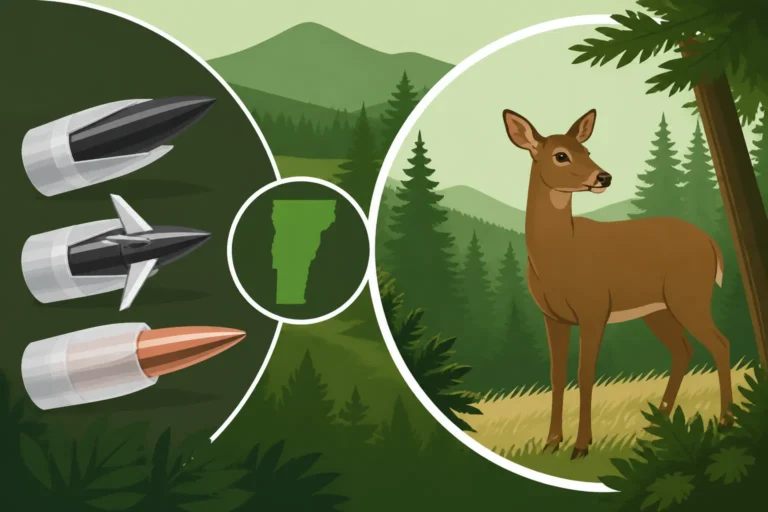
Beyond the caliber itself, the specific bullet you choose within that caliber is arguably the most critical factor for moose hunting. Not all bullets are created equal, and for an animal the size of a moose, you absolutely need to use premium, purpose-built hunting bullets. Forget about thin-jacketed, rapidly expanding varmint bullets; you need a bullet designed for controlled expansion and high weight retention. This means looking at bullets with bonded cores, partitioned jackets, or monolithic copper construction. Brands like Nosler (AccuBond, Partition), Barnes (TSX, TTSX), Hornady (InterBond, GMX), and Swift (A-Frame, Scirocco II) are excellent starting points.
A bonded bullet, where the lead core is chemically bonded to the copper jacket, helps prevent core-jacket separation, ensuring the bullet holds together and retains most of its weight as it penetrates. Partitioned bullets feature an internal wall that separates the bullet into two sections, allowing the front to expand while the rear maintains its shape for deep penetration. Monolithic bullets, made entirely of copper, expand reliably into a mushroom shape while retaining nearly 100% of their original weight, driving deep through bone and tissue. Leveraging resources like GoHunt, you can often find detailed ballistic data and hunter reviews on various bullet types, helping you make an informed decision for your specific caliber and hunting conditions. Choosing the right bullet for your chosen caliber transforms a good cartridge into a great moose stopper.
Beyond the Cartridge: Ethical Hunting and Preparation
While we've focused heavily on caliber and bullet selection, it's vital to remember that a rifle is only one part of the equation. Ethical hunting, thorough preparation, and solid field skills are just as important, if not more so, than the specific cartridge you chamber.
Shot Placement and Ethical Considerations
No matter how powerful your rifle or how advanced your bullet, nothing compensates for poor shot placement. For moose, the goal is always to target the vital organs: the heart and lungs. These are located in the chest cavity, roughly behind the shoulder. A broadside shot, aiming for the area directly behind the shoulder blade, is typically considered ideal, as it presents the largest target for the vitals and minimizes the chance of hitting heavy bone initially. Quartering-away shots can also be effective, aiming to drive the bullet through the soft tissue into the far lung.
It's crucial to be patient and wait for a clear, ethical shot. If the moose is obscured by brush, facing directly at you, or presenting a difficult quartering-to angle, it's best to wait for a better opportunity or pass on the shot entirely. The responsibility to make a quick, clean kill lies squarely with the hunter. Furthermore, understand the implications of a wounded animal, especially in remote Vermont wilderness. A moose can be incredibly tough, and a marginally hit animal could lead to a long, arduous, and potentially unsuccessful tracking job, emphasizing the ethical imperative of precision. When tracking, refer to guides like Tracking a Deer in Fresh Green Mountain Snow for best practices, though a moose blood trail might be much more prominent initially due to its size.
Practice, Confidence, and Field Skills
Selecting the right caliber is only the first step; the next is mastering it. Regular practice at the shooting range, under various conditions and from different shooting positions, is essential. Get comfortable with your rifle, scope, and ammunition. Know your effective range and stick to it. If you can consistently hit a 6-inch target at 200 yards from field positions, then you'll be well-prepared for most moose hunting scenarios in Vermont. This practice builds confidence, which is invaluable when a massive moose steps out of the timber.
Beyond shooting, field skills are paramount for a successful moose hunt. This includes knowing how to properly Packing for a Northeast Kingdom Moose Hunt, including navigation tools and emergency gear. You'll need to understand moose behavior, identify fresh sign, and effectively scout for suitable habitat. Tools and data from resources like GoHunt can be invaluable for scouting, helping you analyze terrain, identify potential bedding and feeding areas, and understand historical harvest trends. Once a moose is down, the work truly begins, which involves efficient field dressing and a plan for meat recovery. Being physically prepared for the strenuous effort of Field Dressing a Moose in the Northeast Kingdom and packing it out is just as important as your shooting proficiency.
Navigating Vermont's Moose Lottery and Regulations
Hunting moose in Vermont is a privilege earned through a limited permit lottery, making preparation for the hunt itself even more critical once you've secured that coveted tag. Understanding the process and the overall context of moose management in the state is part of being a responsible hunter.
Understanding the Permit System
Unlike deer hunting in most areas of Vermont, moose hunting is managed through a very limited permit lottery system. The state carefully allocates a small number of permits each year to maintain a healthy and sustainable moose population, especially given concerns about factors like winter ticks. This means that drawing a permit is a significant achievement, and it often represents a "once-in-a-lifetime" opportunity for many hunters. You'll want to familiarize yourself with the Vermont Moose Lottery Application Process and understand how Vermont's Moose Permit Lottery operates. This also means that every aspect of your hunt, from scouting to gear selection to shot placement, takes on an added layer of importance.
The number of available permits is typically very small, especially when you consider the number of applicants. This makes each drawn tag incredibly valuable, reinforcing the need for thorough preparation in every aspect of the hunt, including rifle and ammunition selection. When you're fortunate enough to draw a tag, such as for Hunting a Drawn Moose Zone in the Northeast Kingdom, the planning you put into your gear, particularly your rifle and caliber, directly impacts your chances of a successful and ethical harvest. This isn't just a random hunt; it's a carefully managed opportunity that demands your best effort and preparation.
Preparation and Gear Considerations
Choosing your rifle caliber is, of course, a foundational element, but it’s just one piece of a much larger puzzle when it comes to a successful Vermont moose hunt. Your overall gear strategy needs to be robust, considering the potential for remote, rugged terrain and variable weather conditions. Proper Layering for Vermont's Long Hunting Season is essential, as fall weather in the Northeast Kingdom can swing from mild to bitterly cold, often within the same day. Quality Optics for Vermont's Green Mountain Terrain, including powerful binoculars and potentially a spotting scope, will be crucial for locating moose in expansive clear-cuts or across distant ridges.
Furthermore, navigation tools are non-negotiable. Whether it's a reliable GPS unit, a mapping app like what GoHunt offers, or a traditional map and compass, knowing your location and being able to navigate safely in dense, unmarked territory is paramount. Gear for a Vermont Moose Hunt includes items for emergencies, communication (satellite messengers are wise in remote areas), and, critically, a robust plan for processing and Packing Out a Vermont Moose. Remember, a downed moose can be a monumental task to move, and having the right tools for field dressing and meat transport is as important as the rifle that brought it down. All these elements combined will contribute to a safe, enjoyable, and ethical moose hunting experience in the Green Mountain State.
Disclaimer
This article is for general informational purposes only and does not constitute professional advice. Laws, prices and regulations vary by location and change over time. Consult a qualified professional for guidance on your specific situation.