Bow Setup for Hunting During Rifle Season
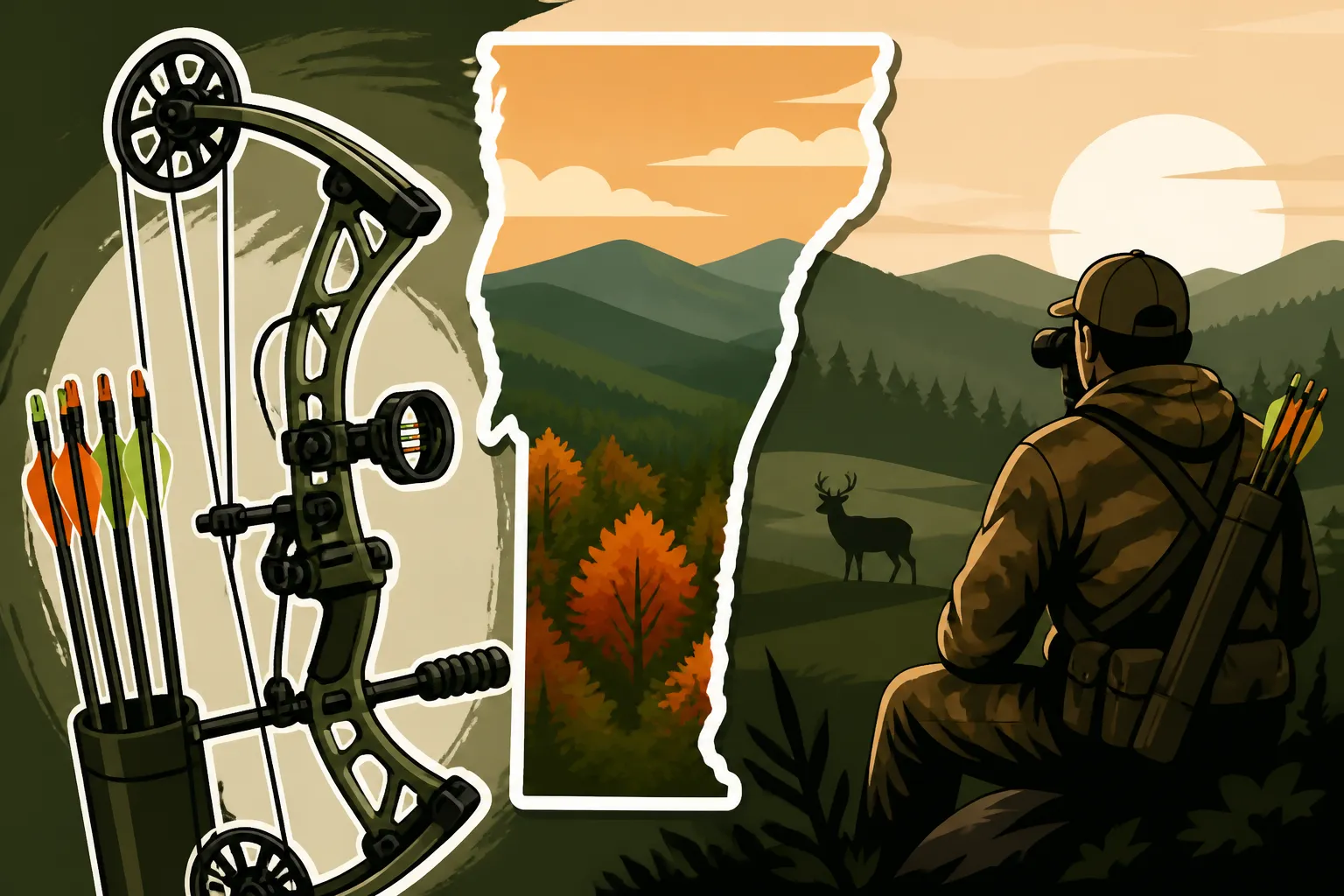
The crisp air of Vermont in November brings with it a unique set of challenges and opportunities for bowhunters. Many of us started our archery season in the quiet serenity of September or October, stalking through golden woods. But when rifle season opens, the woods suddenly hum with a different energy, and if you choose to continue bowhunting during this period, your entire approach—especially your gear setup—needs a serious recalibration. This guide is here to walk you through optimizing your bow setup and overall strategy to not just survive, but thrive, during Vermont's rifle season overlap.
Understanding the Unique Challenges of Bowhunting During Rifle Season
Let's be honest, hunting during rifle season with a bow is a different beast entirely. It's not just about the weather, though that's certainly a factor. It's about a fundamental shift in the woods around you, and if you're not prepared, it can feel overwhelming and even unsafe.
Increased Hunter Density and Blaze Orange Mandates
One of the most immediate and undeniable changes when rifle season kicks off is the sheer number of hunters in the woods. Suddenly, those quiet pockets you had to yourself in October are seeing more foot traffic. This increase in hunter density means several things for the bowhunter. First, deer are on higher alert. They've likely been bumped by more hunters, heard more gunshots, and are generally moving more cautiously and often into thicker cover. Second, and crucially for safety, Vermont mandates blaze orange during rifle season. This isn't just for rifle hunters; if you're bowhunting, you absolutely need to comply with the blaze orange requirements. Blaze Orange Requirements for Bowhunting the Overlap covers this in more detail, but suffice it to say, your camouflage routine goes right out the window for visibility. It’s a necessary trade-off for safety, but it means you need to think differently about how you approach stands and stalk.
This surge in activity can make it feel like your careful scouting from earlier in the season is suddenly irrelevant. Deer patterns shift, bedding areas become less predictable, and their feeding times might change to avoid daylight pressure. You're no longer just hunting deer; you're hunting deer that are actively being hunted by many others. This added pressure means every little detail of your approach, from how you enter and exit your hunting area to how long you sit, becomes even more critical. It's a mental game as much as a physical one, anticipating not just the deer's moves, but the ripple effects of other hunters' presence.
The Psychological Shift: Rifle Hunters Versus Bowhunters
There's also a distinct psychological shift that happens in the woods. Rifle hunters typically operate with a different mindset than many bowhunters. They're often covering more ground, moving faster, and looking for longer-range shots. This isn't a judgment, just an observation of different hunting styles. As a bowhunter, you're still committed to close-range encounters, often 30 yards or less. This means you need to be incredibly patient and strategic when others are more active. While rifle hunters might be pushing deer, you're hoping to intercept those deer as they try to sneak through heavy cover or escape into quieter areas.
The sounds, too, are different. The occasional crack of a rifle shot, especially near dawn or dusk, can certainly put you on edge. It reminds you that you're in a high-pressure environment. It’s vital to maintain a calm and focused demeanor, understanding that these sounds are part of the season. Don't let them rattle you into making hasty decisions. Instead, use them as information: perhaps that shot just pushed a deer your way. Your bow setup needs to be ready for an opportunity that might arise suddenly and without much warning, often from deer that are already on high alert. Bowhunting During Vermont's Rifle Season delves deeper into these dynamics, offering perspectives on how to navigate this unique overlap.
Essential Bow Setup Considerations for November Hunting
Your bow isn't just a tool; it's an extension of yourself in the deer woods. When you're heading out during rifle season, your setup needs to be dialed in more than ever, ready to perform in tougher conditions and under increased pressure.
Bow Type and Draw Weight for Cold Weather
First, let's talk about the bow itself. Most modern compound bows are incredibly resilient, but cold weather can affect materials, strings, and even the archer's ability to execute a smooth shot. If you're planning to hunt extensively in November and December, consider if your current setup is robust enough for freezing temperatures. Your draw weight is a key factor. In colder weather, wearing bulkier clothes can make it harder to draw your bow smoothly and without strain. If you find yourself struggling to reach full draw with your heavy winter gear on, it might be worth dropping your draw weight by a few pounds. It’s better to shoot a slightly lighter draw weight with perfect form than to fight a heavier one and compromise accuracy. A few pounds less might not sound like much, but it can make all the difference when your muscles are stiff from the cold or you're trying to stay still for hours.
Recurve and longbow hunters face similar challenges. The traditional bow’s elegant simplicity means fewer moving parts to seize up in the cold, but the archer's endurance can be tested by heavy winter layers. Practice drawing your bow with all your cold-weather clothing on before you head to the woods. You might be surprised how different it feels. Ensure your bow strings are in top condition, as extreme temperature fluctuations can sometimes impact their performance. Having a reliable bow is the foundation of your success.
Broadhead and Arrow Selection: Balancing Speed and Knockdown Power
When a deer is on high alert, every yard counts, and every shot must be ethical and effective. This makes broadhead and arrow selection incredibly important. During rifle season, deer are often bumped and moving. They might present a tougher shot angle or be slightly further than you'd prefer. You need a broadhead that delivers maximum penetration and catastrophic damage. While mechanical broadheads have their place, many seasoned Vermont bowhunters lean towards fixed-blade broadheads during rifle season, especially in the thick cover our woods offer. Fixed blades tend to be more robust, less prone to failure on impact with bone, and offer excellent penetration. Best Broadhead for a Vermont Whitetail provides an in-depth look at what works in our state.
Consider your arrow weight and FOC (Front of Center) as well. A heavier arrow with a higher FOC will carry more kinetic energy and momentum, translating to better penetration, especially important if you encounter thicker hide or bone. While you might lose a few feet per second in speed, the increased penetration greatly improves your chances of a quick, clean kill. When deer are skittish, getting through the animal is paramount. It's a fine balance, but for those high-pressure, potentially tougher shots, prioritize penetration. Take the time to tune your bow specifically for your chosen broadheads and arrows. Tuning a Bow for Broadhead Flight is essential for ensuring perfect arrow flight and accuracy, something that can’t be overlooked when the stakes are high.
Sights, Rests, and Stabilizers for Accuracy in Tough Conditions
Your accessories play a huge role in translating your form into an accurate shot, especially when the elements aren't cooperating.
- Sights: If you're using a pin sight, make sure your pins are bright and clear, even in low light. November often brings shorter days and overcast skies. Some hunters prefer a single-pin adjustable sight for its uncluttered view, but multi-pin sights allow for quick yardage acquisition without adjusting. Practice acquiring targets quickly and smoothly. Fiber optics can get dim in truly low light, so sometimes a small sight light is a helpful addition for those critical dawn and dusk hours.
- Rests: A robust, full-capture arrow rest is almost non-negotiable for hunting. You don't want your arrow accidentally falling off the rest while you're trying to draw on a deer that's already on edge. Drop-away rests are excellent for accuracy and clearance, but ensure yours is quiet and functions perfectly even when wet or cold.
- Stabilizers: While not always critical, a good stabilizer can help dampen vibration and improve balance, leading to a more consistent hold on target. In cold weather, when your grip might be less steady, this can be a real asset. Long stabilizers are often favored for target archery, but a compact hunting stabilizer can still make a noticeable difference in the woods without getting in the way. Choose one that balances your bow effectively, allowing you to hold steady for those critical seconds.
Making sure these components are well-maintained, quiet, and consistently performing is key. A little bit of silicone spray on moving parts (if recommended by the manufacturer) can help prevent sticking or squeaking in freezing temperatures.
Adapting Your Gear and Mindset
Beyond the bow itself, your entire hunting system needs to adapt to the rifle season environment. This is where your overall preparedness and mental fortitude truly come into play.
Clothing and Camouflage Strategies with Blaze Orange
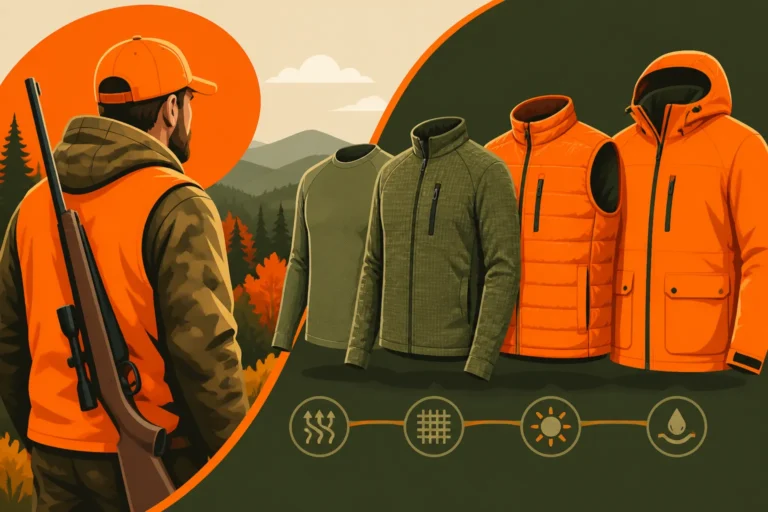
The biggest clothing adjustment is, of course, blaze orange. Vermont requires a specific amount of exposed blaze orange during rifle season, which applies to bowhunters too. Blaze Orange Rules for Bowhunters in November explains the specifics. This means you’ll need an outer layer, like a vest or jacket, that meets these requirements. Forget trying to be invisible to deer with your camo; your priority is being visible to other hunters. This is crucial for safety.
However, just because you're wearing blaze orange doesn't mean you throw all camouflage principles out the window. Deer see color differently than humans. While they can detect orange, movement is still their primary alarm trigger. So, continue to wear good quality camouflage base and mid-layers. A good layering system is critical for Vermont’s unpredictable November weather. Layering for Vermont's Long Hunting Season is an excellent resource for this. You want to stay warm and dry without being bulky to the point of impeding your draw or movement. Your outer blaze orange layer should be quiet, durable, and comfortable. Brands like GoHunt often feature layering guides and gear suggestions that account for different levels of activity and temperature, helping you select the right pieces for extended sits in cold, damp conditions.
Optics and Rangefinding in High-Pressure Environments
In a high-pressure environment, quick and accurate distance assessment is vital. Deer might be moving fast, and you might only have a narrow window for a shot. A reliable rangefinder is an absolute must. Practice ranging objects around your stand at various distances before legal shooting light to get a mental map. If a deer appears, you’ll have a better idea of its distance even before you lift your rangefinder. Look for a model that's fast, accurate, and performs well in low light conditions common in November. Fog and rain can also impact rangefinder performance, so consider a model with good optics and weather resistance.
Binoculars are equally important. With increased hunter activity, deer will often hold up in thick cover, peering out nervously. Quality binoculars, like those you might find recommended on GoHunt, allow you to scan dense areas for flicking ears, a patch of hide, or a subtle movement that indicates a deer. You can pick apart cover from a distance, minimizing your own movement and increasing your chances of spotting a deer before it spots you. Optics for Vermont's Green Mountain Terrain offers more insights into choosing the right glass for our varied landscape. Being able to spot a deer at 100-200 yards, even if your shot will be at 20, gives you precious time to prepare and plan your approach or draw.
Practice, Practice, Practice: Simulating Real-World Scenarios
I can't stress this enough: your practice regimen needs to simulate the actual hunting conditions you'll face. Don't just shoot at a static target in your backyard in a t-shirt.
- Wear Your Hunting Gear: Practice drawing and shooting with all your cold-weather layers and blaze orange on. This will expose any issues with bulky clothing interfering with your string, release, or anchor points.
- Shoot from Hunting Positions: If you plan to hunt from a treestand, practice shooting from your stand or a similar elevated platform. Practice shooting from kneeling or seated positions if you anticipate ground blind hunting.
- Cold Hand Practice: Spend some time practicing with cold hands, or wearing your actual hunting gloves. A slight loss of dexterity can impact your release, and you need to know how it feels.
- Shoot Under Pressure: Simulate quick draw scenarios. Have someone yell "deer!" and draw and shoot as quickly and smoothly as possible. This helps build muscle memory and confidence under pressure.
The more realistic your practice, the more prepared you'll be when that moment of truth arrives. The woods in November are unforgiving of mistakes. Your bow setup is only as good as your ability to use it effectively and safely. Staying Safe Bowhunting Alongside Rifle Hunters is a vital read for anyone venturing out with a bow during this overlap, emphasizing the responsibility we all share for a safe season. Remember, the game is still fair chase, but the variables are multiplied, making your preparation even more paramount.
Common Bow Setup Adjustments for Vermont's November
To give you a clearer picture, here’s a quick overview of common adjustments hunters consider for the rifle season overlap:
| Feature | Early Archery Season (Sept/Oct) | Rifle Season Overlap (Nov) | Why the Change? |
|---|---|---|---|
| Draw Weight | Often maxed out for speed and power, lighter clothing | Potentially reduced by 2-5 lbs for easier draw with bulky gear | Avoid straining, maintain smooth form in cold/thick clothing. |
| Broadhead Type | Mechanical broadheads for speed, open country shots common | Fixed-blade often preferred for penetration, reliability | Thicker hide, potential bone impacts, higher likelihood of quartering shots on bumped deer. |
| Arrow Weight | Standard hunting weight, speed-focused | Slightly heavier arrows for increased kinetic energy/momentum | Better penetration through bone or tough hide on alerted, potentially moving deer. |
| Sights | Multi-pin common, bright pins for ample light | Ensure pins are bright in low light, consider sight light for dawn/dusk | Shorter days, overcast skies, deer moving more cautiously in low light. |
| Clothing | Full camo for concealment, lighter layers | Blaze orange outer layers mandated, camo under for pattern break | Crucial for hunter safety and legal compliance, deer still react to movement, not just color. |
| Optics | Rangefinder, binoculars for scouting | Fast, reliable rangefinder; high-quality binoculars for picking apart cover | Quick, accurate ranging on moving deer; spotting deer holding in thick cover. |
| Stabilizer | Personal preference for balance and vibration dampening | Potentially more useful for added stability in cold conditions/fatigue | Improved consistency, especially if hands are cold or form is slightly compromised. |
This table isn't about hard and fast rules, but rather a guide to the kind of shifts in thinking that become necessary as the season progresses and pressure increases. Every hunter is different, but adapting your gear to the unique demands of November bowhunting is a smart move.
Conclusion
Bowhunting during Vermont's rifle season overlap is a testament to dedication and skill. It presents a unique set of challenges, from navigating increased hunter pressure and mandated blaze orange to contending with colder weather and more wary deer. By carefully adjusting your bow setup—considering draw weight for bulky clothing, opting for robust broadheads for reliable penetration, and ensuring your accessories are primed for tough conditions—you give yourself the best possible advantage.
But remember, gear is only part of the equation. Your mindset, your commitment to safety, and your dedication to realistic practice are equally vital. Go out there, stay safe, and enjoy the challenge. There's something truly rewarding about harvesting a deer with a bow when the woods are alive with the sounds and signs of rifle season. Good luck out there, and stay safe.
Disclaimer
This article is for general informational purposes only and does not constitute professional advice. Laws, prices and regulations vary by location and change over time. Consult a qualified professional for guidance on your specific situation.