Best Knife for Skinning a Bear
The thrill of a successful bear hunt in Vermont is immense, but the real work begins when that big black bear hits the ground. Many hunters underestimate the challenge of properly field dressing and skinning a bear, especially when you're dealing with thick hides, dense fat layers, and often, challenging field conditions. Choosing the right knife isn't just about efficiency; it's about safety, preserving your hard-earned meat, and ensuring your hide is in prime condition, and this guide is here to walk you through what to look for in a bear skinning knife that's up to the task.
The Unique Challenges of Skinning a Vermont Black Bear
Let's be real, skinning a bear is a whole different ballgame compared to a deer. Vermont black bears can be formidable animals, and their anatomy presents specific hurdles that a generic hunting knife might not handle well. Understanding these challenges upfront will help you appreciate why certain knife features are absolutely essential.
Tough Hides and Thick Fat
Unlike the relatively thin hide of a whitetail deer, a black bear's hide is incredibly thick, durable, and often tough to penetrate and separate from the underlying muscle and fat. This is especially true for a healthy, late-season bear that's been putting on weight for winter in the Green Mountains. You might encounter a hide that feels like armor, designed to protect the animal from rough terrain and cold weather. Beneath that hide, particularly in the fall, you'll find layers of fat. Sometimes it's a relatively thin layer, other times it can be several inches thick, especially around the rump and shoulders. This fat can be greasy, making your knife handle slick, and it can gum up the blade, reducing its cutting efficiency.
Working through these layers requires a knife with exceptional sharpness and a blade geometry that allows for clean, precise cuts without constantly snagging or getting bogged down. Imagine trying to slice through a tough, fatty piece of brisket with a dull kitchen knife – it's frustrating and messy. Now amplify that by about ten times, add in cold fingers, and you have a glimpse of what a bear skinning job can be like with the wrong tool. A knife that excels at zipping through deer hide might barely make a dent in a bear's thick coat. When you’re miles back in the woods after a long day Bear Hunting Vermont's Long September-to-November Season, the last thing you want is a knife that makes an already physically demanding job even harder.
Field Conditions and Hygiene
Vermont hunting isn't always fair weather. You might find yourself dressing a bear in a chilling October rain, in the crisp air of early November, or even dealing with the first dusting of snow. These conditions directly impact your knife choice and how you use it. Cold weather can make fingers stiff and clumsy, emphasizing the need for a handle that provides a secure, ergonomic grip even when wet, bloody, or gloved. You might be working on uneven ground, wrestling with a heavy carcass that’s picked up burrs, leaves, and dirt from the forest floor. All of this can quickly dull a blade or make fine work challenging.
Hygiene is also paramount. You're not just skinning; you're often getting the hide off to cool the meat quickly, especially if temperatures aren't freezing, to prevent spoilage. You also want to keep the hide as clean as possible if you intend to have it tanned or mounted. A knife that can be easily cleaned in the field is a huge plus. Think about working around the delicate areas like the face and paws if you're planning a taxidermy mount; precision is key, and a knife that you can confidently control, regardless of the grime or dampness, is invaluable. This is why many hunters, even those experienced in Field Dressing a Deer in Cold Weather, approach bear skinning with a different level of preparedness.
Key Features of an Ideal Bear Skinning Knife
When you're staring down a magnificent Vermont black bear you've just harvested, you want to be confident that the tool in your hand is up to the task. The best knife for skinning a bear isn't necessarily the biggest or the flashiest; it's the one that balances blade performance, handle ergonomics, and practical design for the unique demands of bear anatomy and field conditions.
Blade Design and Material
The blade is, naturally, the heart of any good skinning knife. For bears, you're looking for a balance of strength, edge retention, and precise control.
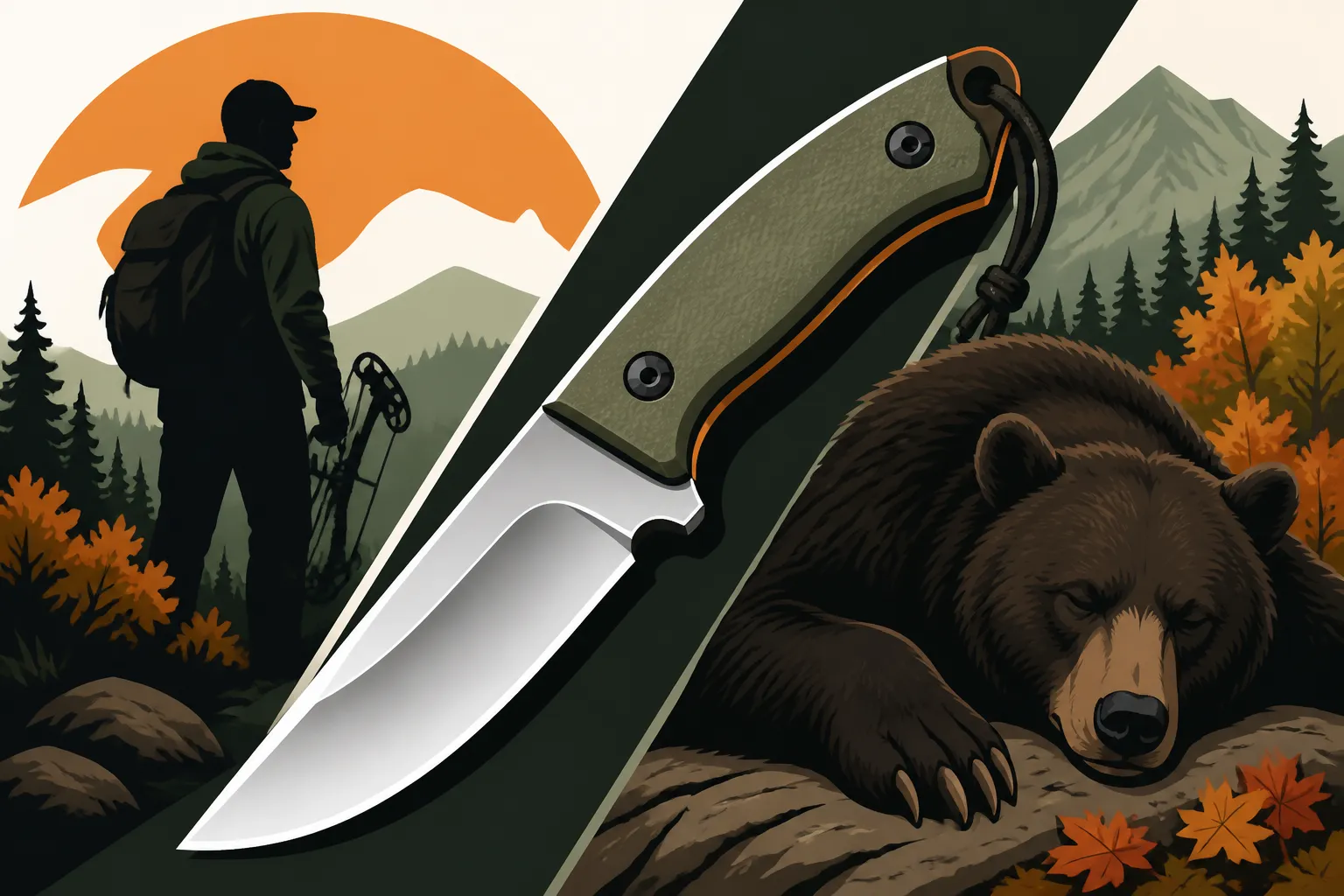
- Blade Shape: A drop point or a slightly upswept skinner style blade is often preferred. These shapes offer a good belly for long, sweeping cuts to separate the hide, and a strong, controllable point for detail work around joints and the head. Avoid overly aggressive clip points that might be too delicate for prying or accidentally puncture the hide. While some hunters like a gut hook for opening up bellies on other game, for bear, many prefer a separate, sharper knife for initial gutting cuts due to the thickness of the bear's hide and muscle, and then switch to a dedicated skinner. This also helps keep the primary skinning blade cleaner.
- Blade Length: A blade length between 4 and 6 inches tends to be a sweet spot. Shorter blades offer more control for intricate cuts (like around the eyes or ears), while longer blades are more efficient for making those long, smooth cuts down the carcass. Anything much longer can become unwieldy and potentially dangerous when working close to your body or on a shifting carcass.
- Blade Thickness: You want a blade that's sturdy enough not to flex excessively under pressure, especially when encountering tough connective tissue or gristle. A thickness of around 0.150 to 0.200 inches is usually ideal. Too thin, and it feels flimsy; too thick, and it might not slice as cleanly.
- Steel Type: This is where the debate often heats up, but for bear skinning, edge retention is paramount. You don't want to be constantly resharpening in the middle of a messy job. Stainless steels like S30V, S35VN, or even CPM-M4 are excellent choices, offering great edge retention and corrosion resistance (a big plus when dealing with blood and fat). Carbon steels, such as 1095 or D2, can hold a razor edge and are easier to sharpen in the field, but they require more diligent cleaning and oiling to prevent rust. Many experienced hunters will consider a high-quality stainless steel for their primary bear skinning knife, knowing they can trust its edge through the entire process. GoHunt often features knives crafted from these premium steels, allowing you to compare options from various reputable manufacturers. Just remember, no matter the steel, it needs to be razor sharp before you start – a dull knife is a dangerous knife, and far less efficient.
Handle Ergonomics and Grip
A great blade is useless if you can't hold onto it safely and comfortably. For bear skinning, where your hands might be cold, wet, bloody, or gloved, the handle is almost as important as the blade itself.
- Secure Grip: Look for handle materials that offer excellent traction even when slick. Textured G10, Micarta, Kraton, or rubberized polymers are all fantastic choices. Avoid overly smooth or polished handles, which can become treacherous when wet. The handle shouldn't just feel good in your bare hand; consider how it feels and performs when you're wearing hunting gloves.
- Ergonomics: The handle should fit comfortably in your hand, allowing for extended use without causing fatigue or hot spots. Finger grooves can be helpful for control, but ensure they fit your hand well – overly aggressive grooves can be uncomfortable or even dangerous if they don't align with your grip. A subtle guard or choil to prevent your hand from slipping forward onto the blade is a critical safety feature.
- Size and Balance: The handle should be long enough to get a full, secure grip, but not so long that it makes the knife unwieldy. The overall balance of the knife should feel natural, neither blade-heavy nor handle-heavy, allowing for precise control during delicate cuts. A well-balanced knife reduces fatigue and increases safety, which is crucial when you're meticulously working around a large animal like a bear.
Fixed Blade vs. Folder and Sheath
This is a pretty straightforward choice for bear skinning, and for good reason.
- Fixed Blade: For skinning a bear, a fixed blade knife is almost universally recommended over a folding knife.
- Strength and Reliability: There's no locking mechanism to fail, no pivot to collect gunk and bind up. A fixed blade is inherently stronger and more reliable for demanding tasks. You won't have to worry about the blade closing on your fingers when you're applying pressure or twisting to free a stubborn patch of hide.
- Ease of Cleaning: Blood, fat, hair, and dirt will get everywhere. A fixed blade is much easier to thoroughly clean and sanitize than a folder, where gunk can get trapped in the pivot and handle scales, potentially harboring bacteria. This is critical for meat hygiene.
- Speed of Deployment: No fumbling with opening mechanisms; it’s simply drawn from the sheath and ready to work.
- Sheath: The sheath is an often-overlooked but vital component.
- Security: It needs to securely hold the knife, preventing accidental loss or unsheathing. A bear skinning knife is typically a hefty tool, and you don't want it falling out of your belt while Still-Hunting Green Mountain National Forest Timber or hiking out.
- Durability: Kydex, Boltaron, or high-quality leather are excellent materials that can withstand the rigors of the field.
- Ease of Cleaning: Just like the knife itself, the sheath will likely get dirty. Kydex and other synthetic materials are incredibly easy to rinse clean, which is a big advantage. Leather sheaths, while classic, require more care to prevent blood and moisture from soaking in and potentially rotting the leather or dulling the blade.
- Carry Options: Consider how you want to carry the knife – belt loop, horizontal carry, or pack attachment. Ensure the sheath offers versatile and secure attachment.
Here's a quick comparison of common blade features:
| Feature | Ideal for Bear Skinning | Avoid/Consider Carefully | Notes |
|---|---|---|---|
| Blade Type | Drop Point, Skinner (Slightly Upswept) | Aggressive Clip Point, Tanto | Good "belly" for long cuts, strong point for detail. Aggressive points can snag or break. |
| Blade Length | 4-6 inches | <4 inches, >7 inches | Balance of control for detail and efficiency for long cuts. Too short reduces efficiency; too long becomes unwieldy. |
| Steel Type | High-Carbon Stainless (e.g., S30V, S35VN), Premium Carbon (e.g., CPM-M4, D2) | Cheap Stainless, Soft Carbon Steel | Excellent edge retention is key. Corrosion resistance helps with blood/fat. Ease of sharpening in field is a bonus for some carbon steels. |
| Handle Material | Textured G10, Micarta, Kraton, Rubberized Polymer | Polished Wood, Smooth Plastic | Provides secure grip even when wet or bloody. Prevents slippage and increases safety. |
| Knife Type | Fixed Blade | Folding Knife | Superior strength, reliability, and ease of cleaning. No locking mechanism to fail. |
| Sheath Material | Kydex, Boltaron, Durable Leather | Flimsy Nylon, Poorly Constructed Leather | Secure retention, durable, easy to clean (especially synthetics). A quality sheath protects you and the blade. |
| Safety Features | Finger Guard/Choil, Non-slip Handle | Lack of Guard, Slick Handle | Essential for preventing your hand from slipping onto the blade during heavy pressure or accidental impacts. |
Preparing Your Knife and Techniques for Bear Skinning
Having the right knife is only half the battle; knowing how to properly prepare and use it for bear skinning makes all the difference. This isn't just about getting the hide off; it's about doing it cleanly, safely, and efficiently to ensure you honor the animal and maximize your harvest.
Sharpening and Maintenance
You've heard it a thousand times, but it bears repeating: a sharp knife is a safe knife. A dull knife requires more force, leading to slips and potential injury. For a bear, with its tough hide and thick fat, a wicked sharp blade is non-negotiable.
Before you even head out for your hunt, spend quality time with your knife and a good sharpening system. Whether it's a guided rod system, wet stones, or a ceramic sharpener, get that blade hair-popping sharp. Test it on paper or by shaving arm hair – it should glide through effortlessly. Don't forget to pack a field sharpening tool, like a diamond sharpening card or a ceramic rod, in your pack. Even the best steel will lose some of its edge after working through a large animal, and a quick touch-up can make the rest of the job much easier and safer.
After the hunt, meticulous cleaning is crucial. Wash your knife thoroughly with warm, soapy water to remove all blood, fat, and debris. Pay special attention to any crevices where gunk might hide. Dry it completely and apply a light coat of oil to the blade, especially if it's carbon steel, to prevent rust. Clean your sheath, too. If it's Kydex, simply rinse it out. If it's leather, wipe it down and allow it to dry naturally before storing. Proper maintenance extends the life of your knife and ensures it's ready for your next adventure, whether you're breaking down a bear or just using it for Knives and Processing Gear for Field Dressing other game.
Skinning Techniques for a Bear
The actual process of skinning a bear involves a combination of careful cutting and pulling. While a full tutorial is beyond the scope here, understanding how your knife plays a role is important.
- Initial Cuts: Start by laying the bear on its back. Many hunters will make an initial cut from the chin down the center of the chest and belly to the tail. Then, circle the wrists and ankles and cut down the inside of each leg to meet the main midline cut. This is where a sharp, controllable point is key to avoid puncturing the gut cavity or cutting into the valuable meat or hide.
- Separating the Hide: Begin to separate the hide from the underlying muscle and fat. For bear, this often involves a lot of "fleshing" cuts, where you keep the blade close to the hide, slicing the connective tissue and fat away from the skin. Use the belly of your drop-point or skinner blade for these long, sweeping motions. The goal is to keep as much fat and meat on the carcass as possible, while leaving the hide clean for tanning. You'll often find yourself using a push-cut motion, then pulling the hide away, and then making another cut. This is where a comfortable handle and excellent edge retention truly shine.
- Working Around Joints and Head: This is where precision and a slightly smaller, sharper blade section on your knife are valuable. Work slowly around the ears, eyes, nose, and lips if you're saving the skull or getting a head mount. For the paws, you'll need to cut around the pads and down the toes. A knife that allows for good tip control, perhaps with a slight sharpening choil, will be invaluable here. Always cut away from yourself and maintain firm control of both the knife and the hide. If you're planning on a taxidermy mount, consider carrying a second, smaller, even more precise knife, similar to what you might use for fine work on a whitetail, for these delicate areas.
- Cooling and Transport: Once skinned, get the meat cooled as quickly as possible. Quartering the bear and placing the meat in breathable Game Bags for Field Care is a great strategy. If you're deep in the Northeast Kingdom, knowing how to efficiently Packing Meat Out of a Steep Ravine is vital, and a clean, well-processed carcass is easier to handle.
Choosing the Right Companion Tools
While a great skinning knife is primary, other tools can make the bear processing job much easier.
- Bone Saw: Even a small, folding bone saw can be incredibly helpful for quartering a bear or separating the skull for taxidermy. Trying to hack through bone with your skinning knife is a quick way to dull it and potentially damage the blade. Consider a compact, robust saw that can handle a larger animal, similar to what you might use if you were to Best Bone Saw for Moose Quartering.
- Gloves: Latex or nitrile gloves are invaluable for hygiene and to keep your hands clean. Wear a pair of heavier work gloves underneath for warmth and protection against cuts, then slip the disposable gloves over them.
- Whetstone/Sharpener: As mentioned, a field sharpener is a must. A quick strop on a ceramic rod can bring a working edge back to life in minutes.
- Game Bags: Breathable game bags are essential for protecting the meat from dirt, flies, and debris, while allowing it to cool properly. Look for bags that are large and strong enough for bear quarters.
- Flashlight/Headlamp: If you're hunting late in the day, you might be field dressing in low light or complete darkness. A reliable Best Headlamp for a Pre-Dawn Ridge Climb is critical for safety and precision.
- Cooler: While not a field tool, having a large, clean cooler with ice ready at your vehicle or camp is vital for getting your bear meat chilled properly, especially if you're fortunate enough to fill your permit in warmer early-season weather. Remember, a bear's fat layer acts as an insulator, so getting that hide off and the meat cooled is paramount to quality.
By understanding the unique demands of bear skinning and arming yourself with the right knife and companion tools, you'll be well-prepared to handle your Vermont black bear harvest with confidence and skill.
Disclaimer
This article is for general informational purposes only and does not constitute professional advice. Laws, prices and regulations vary by location and change over time. Consult a qualified professional for guidance on your specific situation.