Best Truck Bed Setup for Hauling a Moose
You've just spent days, maybe even weeks, scouting, hiking, and patiently waiting in the vastness of Vermont's Northeast Kingdom. Then, it happens: you've successfully harvested a magnificent bull moose. That initial rush of triumph quickly gives way to a daunting realization – now you have to get this incredible animal out of the woods and into your truck. This guide will walk you through setting up your truck bed effectively, equipping yourself with the right tools, and handling the unique challenges of transporting a Vermont moose.
The Unique Challenges of Hauling a Vermont Moose
Hauling a moose out of the Vermont woods isn't like dragging a whitetail buck down a logging road. We're talking about an animal that dwarfs even the largest deer, often found in some of the most remote and rugged terrain our state has to offer. Understanding these specific challenges is the first step to a successful, and safe, extraction.
Sheer Size and Weight: Not Your Average Deer
Let's be real: a Vermont moose is a behemoth. Mature bulls can easily weigh upwards of 800 to 1,200 pounds, and even a cow can tip the scales at 600-800 pounds. This isn't just about weight; it's about the sheer volume of the animal. Imagine trying to lift a small car into your truck bed – that's the kind of physical challenge you're facing. The length, height, and width of a moose mean it won't just slide neatly into the back of your half-ton pickup, even if it's quartered.
The reality on the ground often means dealing with rough, uneven terrain while trying to manipulate this massive carcass. If you're hunting in an area like the Moose Hunting Vermont's Northeast Kingdom, you're often far from any paved road, and every inch you move the animal is hard-earned. This isn't a job for one person, or even two, without proper planning and mechanical advantage.
Terrain and Access: Getting to the Truck
Vermont's moose country is synonymous with remote, unforgiving terrain. We're talking about thick timber, beaver bogs, steep ravines, and muddy logging roads that turn into soup with a bit of rain. Getting your truck to the downed animal is often a challenge in itself, and sometimes it's simply not possible to get within easy dragging distance. This means you're going to be moving a multi-hundred-pound animal over obstacles, through brush, and potentially uphill, long before it ever sees the tailgate of your truck.
Considering the conditions, your vehicle's capability plays a huge role. Four-wheel drive is almost a prerequisite, and even then, you might find yourself limited by tight turns, deep ruts, or soft ground. This is where the decision to quarter the animal versus attempting to haul it whole often becomes critical, especially if you've got a significant distance to cover by hand or ATV before reaching your truck. Thinking through your Getting a Moose Out on a Logging Road strategy well in advance can save you a world of hurt.
Essential Gear for Your Truck Bed Moose Haul
Once you've managed to get your moose to your truck, the real work of loading and securing it begins. Having the right gear isn't just about making the job easier; it's about doing it safely, cleanly, and efficiently, ensuring you protect both your valuable meat and your vehicle.
Bed Protection and Containment
The last thing you want is a truck bed soaked in blood and smelling like wild game for weeks. Moose, especially if not fully drained or if you're dealing with internal damage, will inevitably leak fluids. Protecting your truck bed is paramount, not just for hygiene but also to prevent corrosion and long-term odors.
Heavy-duty truck bed liners are a great start, providing a barrier, but they're not foolproof against liquids seeping into crevices. For full protection, consider a thick, heavy-duty tarp that can completely line the bed, extending up the sides. Look for tarps designed for construction or industrial use, as typical camping tarps might not hold up to the weight and sharp bones. You want something that won't tear easily and can be secured to prevent shifting. Some hunters even use large, heavy-duty plastic sheeting, creating a kind of "boat" in the truck bed that can contain everything. When choosing gear, looking at reputable outdoor suppliers like GoHunt for heavy-duty tarps or specialized game bags can provide durable solutions.
Loading Assistance: Winches, Ramps, and Block & Tackle
Unless you're blessed with an entire football team of friends, you're going to need some mechanical advantage to get a moose into your truck bed. Relying solely on brute strength is a recipe for injury and frustration. There are several excellent options, each with its own benefits.
A portable winch is arguably the most efficient tool. Whether it's a battery-powered ATV winch, a hand-crank winch, or even a vehicle-mounted one with a long cable, it provides the pulling power you need. You'll want to secure the winch to a solid anchor point – typically the front of your truck bed, or even a heavy-duty headache rack – and use a strong rope or cable to loop around the moose. Ramps, particularly sturdy, wide ATV ramps, can also be incredibly helpful. You'll want to place them carefully, ensuring they're stable and won't slip as you pull the animal up. For those truly remote hauls, a simple block and tackle system, utilizing pulleys and rope, can magnify your pulling strength significantly. Just be sure to use ropes rated for extreme weight and learn how to properly rig the system for maximum efficiency and safety.
Here’s a quick comparison of common loading aids:
| Loading Method | Pros | Cons | Ideal Scenario |
|---|---|---|---|
| Portable Winch | High pulling power, less manual effort | Requires power source (battery) or manual cranking | Anytime you have good anchor points and vehicle access |
| Heavy-Duty Ramps | Provides a smooth incline, easy setup | Can be heavy/bulky, require good ground clearance | When loading quartered sections or a smaller moose |
| Block & Tackle | Simple, lightweight, great mechanical advantage | Requires strong rope, careful rigging, can be slow | Remote areas, limited access, need to lift/pull |
| Game Cart / Sled | Reduces drag over ground to truck | Still requires lifting onto truck, can be cumbersome | Transporting quartered sections over rough terrain |
Securing the Load: Straps and Tie-Downs
Once the moose, or its quartered sections, are in your truck bed, the job isn't done. Driving down Vermont's winding roads with hundreds of pounds of shifting meat is incredibly dangerous. You need to secure your load tightly to prevent any movement.
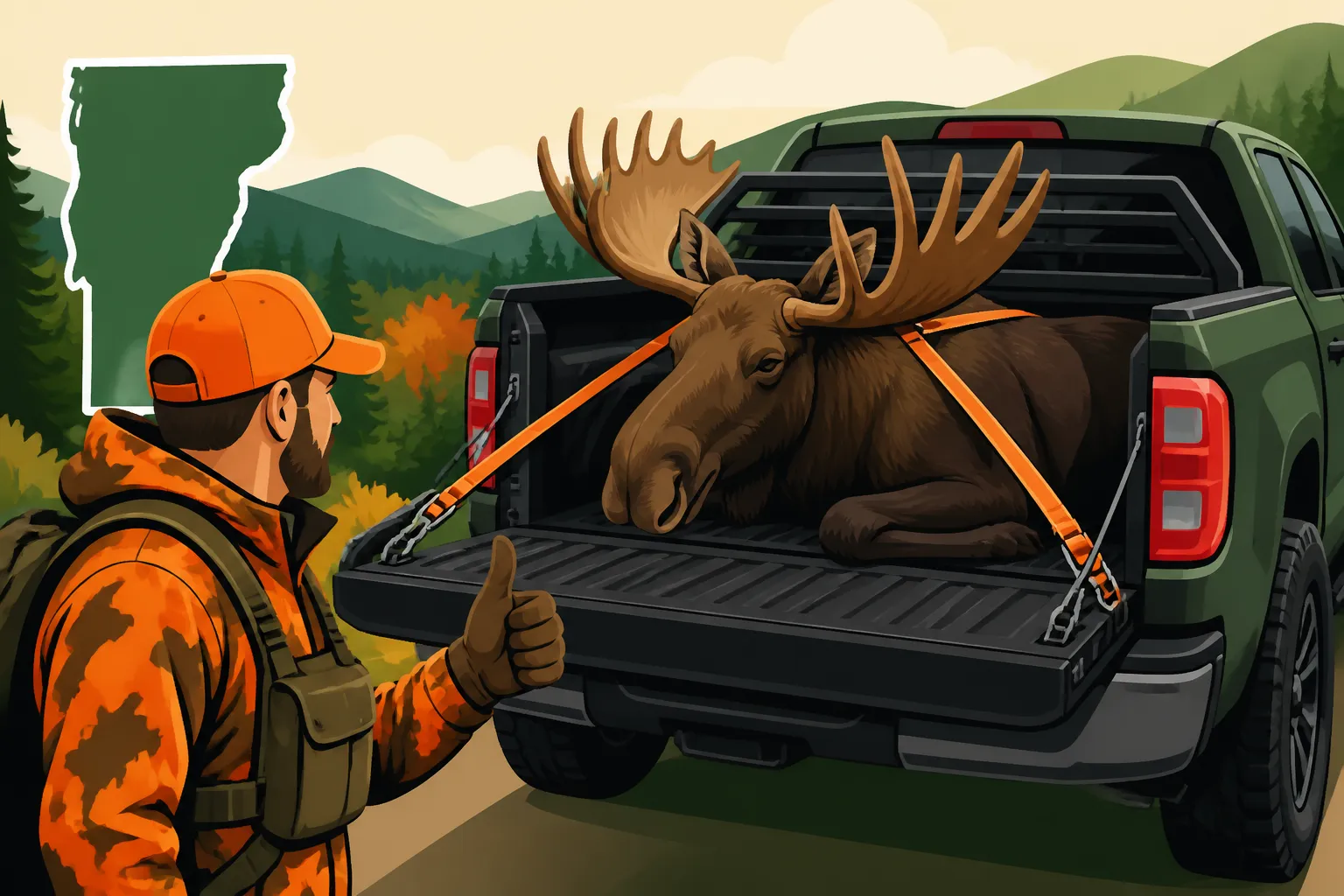
Heavy-duty ratchet straps are your best friend here. Don't skimp on these; invest in straps with high working load limits. You'll want to use multiple straps, crisscrossing them over the animal and securing them to the strongest tie-down points in your truck bed. Focus on pinning the bulk of the weight down. If you've quartered the moose, individually securing each large section is a good idea. Consider using cargo nets over the entire load as an additional layer of security, especially if you have smaller pieces of meat or gear that might shift. A well-secured load means you can focus on driving safely, rather than worrying about your harvest flying out the back.
Field Dressing and Quartering Considerations for Transport
The decision of how to prepare your moose for transport is crucial and can drastically impact the ease (or difficulty) of getting it home. For a massive animal like a moose, field dressing and quartering are often non-negotiable for practical and safety reasons, especially when considering Packing Out a Vermont Moose.
Quartering vs. Whole Animal Transport: Making the Tough Call
While some might dream of hoisting a whole bull moose into their truck bed, for most Vermont hunters, it's just not practical or safe. A whole moose can exceed the payload capacity of many consumer trucks, and the sheer length often means it won't fit without hanging precariously out the back, which can be illegal and dangerous. The most realistic approach, almost universally recommended, is to quarter the animal in the field.
Quartering involves breaking the moose down into its primal sections: the two front shoulders, two rear hams, and the backstraps and tenderloins. The rib cage can be removed separately, and the head (if you're keeping it for a mount) is a separate, heavy piece. This approach significantly reduces the individual weight of each piece, making it much more manageable to drag, lift, and load. It also allows you to fit the meat more efficiently into your truck bed without excessive overhang. Remember, proper field dressing techniques, especially Field Dressing a Moose in the Northeast Kingdom, are essential for preserving the meat quality.
Keeping it Clean and Cool: Preserving the Meat
After all that hard work, the last thing you want is to spoil your precious wild game. Keeping the meat clean and cool during transport is critical, especially if you have a long drive ahead or if the weather is unseasonably warm.
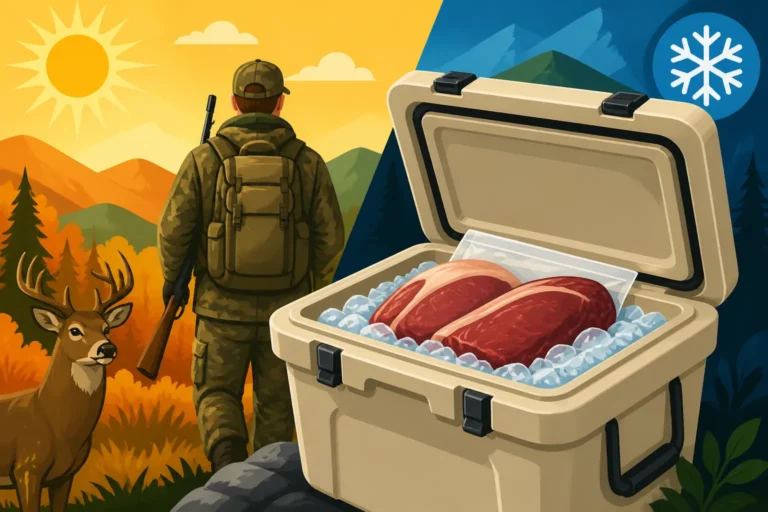
Immediately after quartering, place the meat into breathable game bags. These cloth bags protect the meat from flies, dirt, and debris while allowing air to circulate, which helps cool the meat down. Avoid plastic bags at this stage, as they trap heat and moisture, accelerating bacterial growth. Once the meat is in the truck, if temperatures are above freezing, you'll want to introduce ice. Large coolers are ideal for individual quarters, but if you're piling quarters into the bed, a layer of ice bags underneath and on top of the meat, covered by a tarp, can help maintain a cooler temperature. Ensuring air can circulate around the meat as much as possible, even with ice, is a good strategy. GoHunt and other hunting suppliers often carry heavy-duty Best Game Bags for Field Care and insulated tarps specifically for game transport, which can be invaluable. Don't forget to consider Best Cooler for Packing Out Meat in Warm Weather options if you're taking smaller sections or boned-out meat.
Practical Tips and Safety for Your Vermont Moose Transport
Transporting a moose isn't just about strength and equipment; it's about smart planning, adherence to regulations, and prioritizing safety every step of the way.
Planning Your Extraction Route
Before you even pull the trigger, you should have a rough plan for extraction. This means scouting not just for moose sign, but also for feasible routes to get the animal out. Consider the nearest logging road, ATV trail, or even a navigable stream if you have a boat. Assess the terrain for steep climbs, thick brush, or muddy sections that could impede your progress. Using GPS apps like GoHunt can be incredibly helpful for marking potential access points and planning your route to the nearest drivable road, even in areas with limited cell service. Scouting With the Vermont Fish and Wildlife App can also provide valuable insights into public land access.
Think about the time of day, too. Attempting a massive haul in the dark significantly increases the risk of injury and makes the work even harder. If possible, plan to make the recovery during daylight hours. Also, have a backup plan: what if your vehicle gets stuck? What if the weather turns? Having a satellite communicator like a Garmin inReach or Zoleo can be a lifeline in the remote Hunting a Drawn Moose Zone in the Northeast Kingdom, allowing you to call for assistance even when there’s no cell signal.
Legal Requirements and Reporting
Vermont has specific rules for transporting and reporting your harvest, and moose are no exception. You must immediately tag your moose after killing it, ensuring the tag is filled out completely and securely attached to the animal. The tag must remain with the carcass during transport.
Upon reaching a location where you have cell service or internet, you are required to report your moose harvest. Vermont typically offers online reporting or designated check stations. Make sure you understand the specific reporting deadline for moose; it's usually within a certain number of hours after harvest. While the internal link Registering a Vermont Deer Online gives you a sense of the process for deer, the exact details for moose should be confirmed with the Vermont Fish & Wildlife Department's current regulations. Failure to properly tag or report your moose can result in significant penalties, so don't let the excitement of the hunt overshadow your legal responsibilities. Always carry your Vermont Moose Permit Cost for Residents or non-resident permit and your base hunting license.
Post-Transport Cleanup and Maintenance
The job isn't truly done until your truck is clean and ready for its next adventure. Moose blood and fluids are notoriously difficult to remove once they've dried and set. Immediate cleanup is key.
As soon as the moose is unloaded at your processing facility or home, get to work on your truck bed. Remove all tarps, straps, and any remaining debris. Use a stiff brush and a strong detergent – even a little bleach solution can help sanitize and remove odors, but be mindful of your truck's finish if you're using harsh chemicals. Power washing is often the most effective method for getting into all the cracks and crevices. Pay close attention to the tailgate, bumper, and any areas where blood might have dripped during loading. For stubborn odors, some hunters use baking soda or specialized automotive odor eliminators. A thorough cleaning not only preserves your truck but also prevents any unwanted pests or lingering smells for your next trip afield.
Disclaimer
This article is for general informational purposes only and does not constitute professional advice. Laws, prices and regulations vary by location and change over time. Consult a qualified professional for guidance on your specific situation.