Applying for a Vermont Moose Permit
Trying to get your hands on a Vermont moose permit can feel like searching for a needle in a haystack, a truly frustrating experience when you dream of tackling one of the most magnificent big game animals in the Northeast. With a deeply limited number of permits available each year, the odds can seem daunting, but understanding the application process thoroughly is your first step to turning that dream into a potential reality. This comprehensive guide will walk you through every aspect of applying for a Vermont moose permit, from eligibility to the nail-biting wait for the draw.
The Allure and Challenge of a Vermont Moose Permit
Vermont's moose population, while not as vast as some northern Canadian provinces, still offers a world-class hunting experience, particularly in the sprawling, wild landscapes of the Northeast Kingdom. The sheer size and power of these animals are truly awe-inspiring, and harvesting one is a memory that lasts a lifetime. However, the opportunity to hunt a Vermont moose is incredibly exclusive, making the application process a highly anticipated, yet often nerve-wracking, annual event for many hunters.
Understanding the Limited Opportunity
Unlike deer hunting, where permits are relatively abundant, moose hunting in Vermont operates under a very strict lottery system. The Vermont Fish and Wildlife Department (VFWD) meticulously manages the moose population to ensure its health and sustainability, and this means issuing a tiny number of permits each year. For instance, the state issued only 85 permits for the 2023 season, and a similar number is anticipated for upcoming seasons, such as the Vermont's Eighty-Five 2026 Moose Permits. This scarcity is a direct reflection of careful population management, aimed at preventing overharvesting and maintaining a healthy balance within the ecosystem.
The frustration is real when you consider thousands of hopeful applicants vying for so few tags. It means that even if you do everything right, luck plays a massive role. It's not uncommon for hunters to apply for years, even decades, without ever seeing their name drawn. This limited opportunity makes the permit a truly coveted prize, adding to the mystique and challenge of hunting these impressive animals in the Green Mountain State. Every year, when the application window opens, it's a mix of hope and resignation for many dedicated hunters.
The Winter Tick's Impact on Moose Management
One of the primary reasons for Vermont's highly conservative moose permit allocation is the ongoing struggle against the winter tick. These tiny parasites have a disproportionately devastating impact on moose populations, especially calves, and are a major factor in the state's moose management strategy. Researchers have observed that a single moose calf can host tens of thousands of winter ticks, leading to severe blood loss, weakened immune systems, and even death, particularly during harsh winters. This critical issue directly influences the number of permits the VFWD feels comfortable issuing, aiming to maintain a sustainable population by reducing overall moose density in affected areas.
The VFWD uses the moose lottery as a tool to manage herd health, particularly in the Northeast Kingdom where the majority of moose reside and where tick infestations are most prevalent. By carefully controlling the number of animals harvested, the department hopes to reduce moose density, which in turn can help break the winter tick life cycle by reducing the number of hosts available for the ticks. Understanding this ecological challenge helps explain why the odds of drawing a Vermont Moose Permit Lottery are so slim, and why conservation efforts are paramount for the future of moose hunting in the state. If you're keen to learn more about this, look into Why Winter Ticks Threaten Vermont Moose and Vermont's Winter-Tick-Driven Moose Permit Strategy.
Essential Eligibility and Application Requirements
Before you even think about submitting your application, there are several key requirements you need to meet. It’s crucial to get these details right, because a single oversight can lead to your application being disqualified, which would be a huge disappointment after waiting all year for the opportunity.
Who Can Apply and What You Need
Any hunter, resident or non-resident, who meets Vermont's general hunting license requirements and age restrictions can apply for a moose permit. However, there are separate allocation pools, with residents having a significantly higher chance due to a larger portion of permits being reserved for them. Non-residents definitely have a tougher road, but it's not impossible. You must be at least 10 years old to apply, but if drawn, hunters aged 10-15 must participate in Vermont's mentored youth hunting program and be accompanied by a licensed adult.
Beyond age, you'll need a valid Vermont hunting license for the current year before you can apply for the moose lottery. This is a common point of confusion: you don't buy the moose permit with your hunting license; you apply for the lottery first, and if drawn, then you purchase the permit. Make sure your hunting license is up-to-date and valid for the entire duration of the moose season you intend to hunt (usually October). Don't wait until the last minute to sort out your base license; get it squared away well in advance to avoid any eleventh-hour scrambles.
Navigating License and Hunter Education Specifics
To purchase any Vermont hunting license, you must first have completed an approved hunter education course. If you’re new to hunting in Vermont but have completed hunter education in another state or province, Vermont typically recognizes these certifications, but it's always wise to confirm with the VFWD. You'll need to provide proof of your hunter education certificate number when purchasing your hunting license online or through a license agent. For those who are new to hunting entirely, enrolling in a Vermont Hunter Education course is mandatory. These courses cover essential safety, ethics, and wildlife conservation principles, preparing you for a responsible hunting career.
It’s also important to understand that the moose permit itself, if drawn, comes with its own set of rules and costs. While the application fee is relatively low, the actual permit cost can be substantial, especially for non-residents. For example, a Vermont Moose Permit Cost for Residents is considerably less than a Vermont Moose Permit Cost for Nonresidents. Be sure to factor this into your budget when you apply, because if your name is called, you'll need to be ready to commit to that expense. Having all your ducks in a row regarding licenses and education is paramount before you even consider filling out the lottery form.
Step-by-Step Through the Vermont Moose Lottery Application
The application process for a Vermont moose permit is designed to be straightforward, primarily conducted online. However, knowing the precise steps and crucial deadlines is essential to ensure your application is submitted correctly and on time. Overlooking a small detail can mean missing out on a once-in-a-lifetime opportunity.
The Online Application Portal Walkthrough
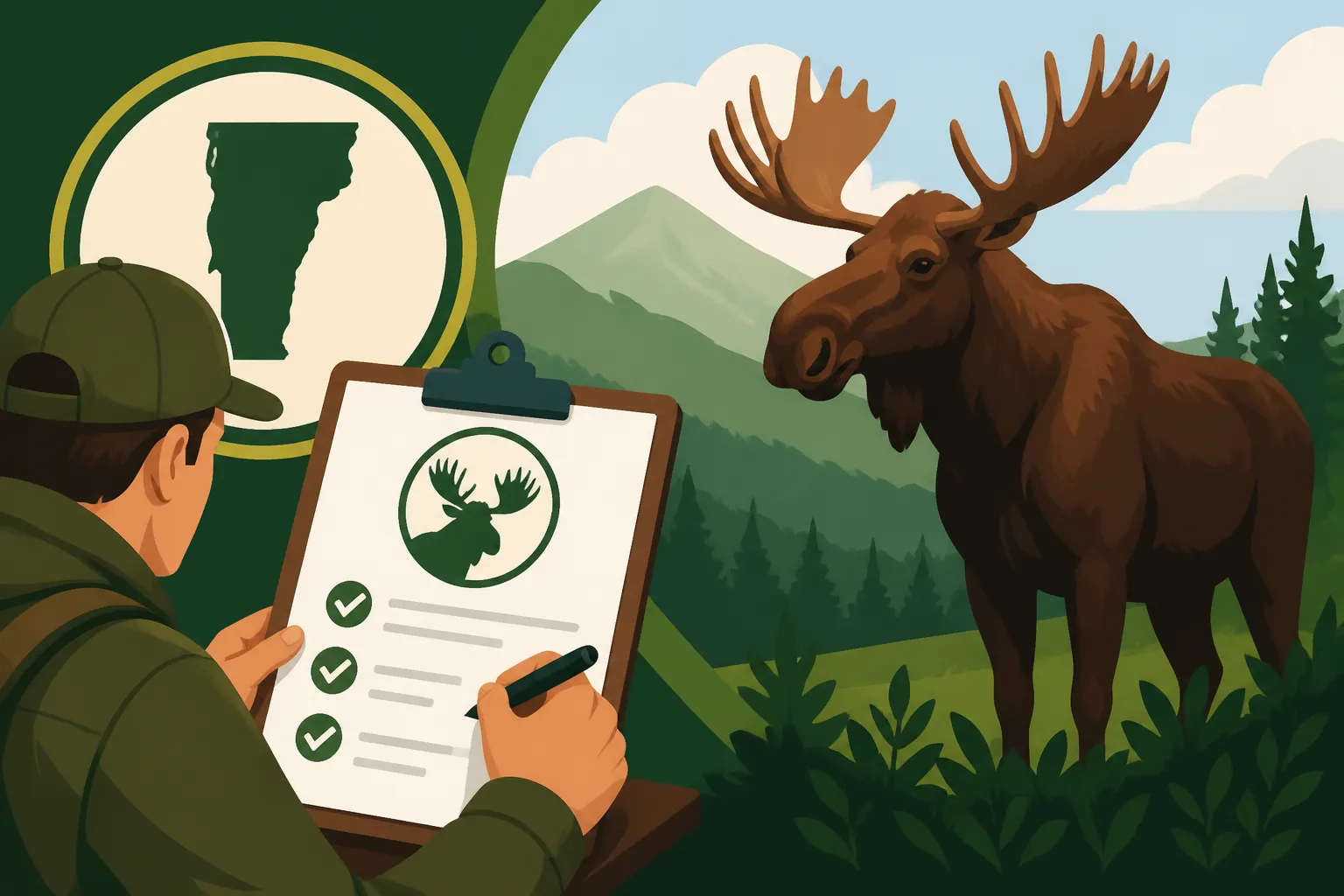
The most common and convenient way to apply for a Vermont moose permit is through the Vermont Fish and Wildlife Department's online licensing portal. You'll first need to create an account or log in with your existing customer ID. Once logged in, navigate to the "Moose Lottery Application" section. The system will guide you through a series of prompts where you'll confirm your personal information, choose your preferred hunting zone (Wildlife Management Unit or WMU), and indicate whether you are applying as a single hunter or as part of a group. This is where researching your desired Vermont Moose Lottery Application Process and specific WMUs ahead of time really pays off.
During this process, you will also pay a non-refundable application fee. It’s usually a small amount, but it’s an important part of the process. Double-check all your entries before finalizing, especially your WMU selection, as changes can be difficult or impossible after submission. The online portal is typically very user-friendly, but take your time and read every instruction carefully. Many hunters find using resources like GoHunt helpful for quickly accessing application portals and reviewing their options, especially when dealing with multiple states. After successful submission, you should receive a confirmation email, which you should save for your records. This confirmation is your proof that your application has been received and entered into the drawing.
Critical Dates, Deadlines, and Avoiding Common Pitfalls
Timing is everything when it comes to the moose lottery. The application period typically opens in late May or early June and closes around mid-July. Missing the Vermont Moose Lottery Application Deadline by even a single day will disqualify your application, no exceptions. The VFWD rigidly enforces these deadlines to maintain fairness and efficiency in the drawing process. It’s a good idea to mark these dates on your calendar as soon as they are announced by the VFWD, perhaps even setting multiple reminders. Don't procrastinate until the final day, as unexpected technical issues or personal emergencies could prevent you from submitting on time.
One common pitfall is misunderstanding the WMU choices. Each year, permits are allocated to specific WMUs, and some are much harder to draw than others due to higher demand or fewer available moose. Another error is incorrectly entering personal details or failing to have a valid hunting license. Always review your application thoroughly before hitting submit. If you're applying as a group, ensure all members meet the criteria and that your group application is correctly linked. For instance, if you and a friend decide to apply together, make sure you understand the rules for submitting a group application—typically, only one person submits the primary application, linking the other hunter's customer ID. This prevents duplicate entries and ensures your application is considered valid.
Key Dates & Actions for Vermont Moose Lottery
| Late May / Early June | Application period typically opens. Ensure you have a valid current-year hunting license. |
|---|---|
| Mid-July (Exact Date Varies) | Application deadline. Do not miss this! Submit well in advance to avoid technical issues. |
| Mid-August (Exact Date Varies) | Lottery Drawing Date. Results are usually announced publicly shortly after. Check your status online. |
| Late August / Early September | Deadline for drawn applicants to purchase their moose permit and pay the full fee. Mandatory hunter education course sign-up. |
| First Saturday in October | Vermont Moose Hunting Season traditionally opens. |
| December 15 (Following Season) | Hunter Report Card deadline. Mandatory for all permit holders, even if unsuccessful. |
Strategizing Your Application for Success
While the Vermont moose lottery is largely a game of chance, there are strategic considerations you can make to optimize your application. Understanding the dynamics of the lottery and making informed choices about your application can subtly influence your chances, even if pure luck remains the dominant factor.
Deciphering Wildlife Management Unit (WMU) Choices
When you apply, you'll be asked to select a specific Wildlife Management Unit (WMU) where you wish to hunt. This is a critical decision, as the number of permits issued varies significantly by WMU, directly impacting your odds. Some WMUs, particularly those in the heavily forested Northeast Kingdom, tend to have more permits but also more applicants, leading to tougher odds. Other WMUs might have fewer permits, but also fewer applicants, which could sometimes translate into slightly better, albeit still long, odds. This is where using tools like GoHunt can be incredibly valuable. Their data and mapping features can help you research past draw odds for specific WMUs, allowing you to make an educated choice.
Consider your hunting style and physical capabilities when choosing a WMU. The Northeast Kingdom, for example, offers vast, rugged terrain perfect for a true wilderness experience, but it also demands significant physical exertion and a well-thought-out plan for Packing Out a Vermont Moose. WMUs in more accessible areas might offer an easier hunt but might also have even fewer permits due to lower moose densities. Spend time researching the various WMUs, looking at moose density by Northeast Kingdom Deer Density and overall habitat types. Think about where you truly want to hunt, not just where you think your chances are best. Sometimes, prioritizing the experience over the slight bump in odds is the right call for a hunt of this magnitude.
Considerations for Group Applications and Hunter Pool
Vermont allows hunters to apply as a group, typically up to two individuals. This means if you and a hunting partner apply together, and your group is drawn, both individuals receive a permit. This can be a fantastic way to share the experience of a moose hunt with a close friend or family member. However, there's a trade-off: a group application is treated as a single entry in the lottery. So, if you apply as a group of two, you have one chance at being drawn, but if you both applied individually, you'd have two chances. It's a classic risk-reward scenario.
The decision to apply individually or as a group depends on your priorities. If the goal is simply to maximize individual chances of drawing a permit, applying separately might seem logical. However, if your primary desire is to hunt moose with a specific partner, then a group application makes perfect sense, even if it halves your total individual entries into the main drawing pool. The VFWD does not use a preference point system for moose, so there's no accumulating advantage over time beyond the sheer volume of years you apply. The lottery is truly random each year, emphasizing the equal chance aspect for every application. Understanding these nuances is key when you're filling out your application and deciding whether to go solo or team up.
What Happens After You Click 'Submit'
The moment of hitting that "submit" button for your moose permit application is often accompanied by a mix of relief and intense anticipation. The next few weeks, leading up to the drawing, can feel like an eternity. Knowing what to expect during this waiting period and immediately after the draw can help manage the anxiety and ensure you're prepared for whatever outcome comes your way.
The Anticipation of the Lottery Drawing
Once the application period closes in mid-July, all eligible applications are entered into the lottery. The Vermont Moose Lottery Drawing Date is typically held in mid-August. This event is often broadcast live or the results are posted almost immediately on the VFWD website. For many, this is the most nerve-wracking part of the entire process. You’ll find countless hunters glued to their screens, anxiously refreshing pages, hoping to see their name among the lucky few. The VFWD is committed to transparency, so checking the official results online is generally straightforward.
It’s an odd feeling, isn’t it? Knowing that your hunting future for that fall, potentially for that once-in-a-lifetime animal, rests on a random number generator. The wait is excruciating, and it's easy to get caught up in the "what ifs." But remember, whether you're drawn or not, you've participated in a system that helps manage a precious wildlife resource. Even if your name isn't called, there's always next year, and the dream of Hunting a Drawn Moose Zone in the Northeast Kingdom lives on.
If You're Drawn: Permit Purchase and Mandatory Course
If your name is drawn, congratulations! You've achieved what many Vermont hunters only dream of. The VFWD will typically notify you via email and/or mail, providing instructions on how to purchase your official moose permit. There will be a deadline for this purchase, usually in late August or early September, so it's critical to act quickly. Do not miss this deadline, as an unpurchased permit will be forfeited and may be re-drawn by another applicant. The Vermont Moose Permit Cost If Drawn will be clearly stated, and you'll need to pay the full amount at this time.
Additionally, if you are drawn, you will be required to take a mandatory moose hunter education course. This isn't your general hunter education; it's a specific course designed to teach you about moose biology, hunting ethics, shot placement, field dressing, and safety considerations unique to moose hunting. This course is invaluable, especially if you've never hunted moose before. It’s part of ensuring that every hunter who gets a permit is as prepared as possible for a safe, ethical, and successful hunt. The VFWD typically provides information on course dates and locations as part of your permit notification.
Planning Beyond the Permit: Ethical Hunting and Local Impact
Drawing a Vermont moose permit is just the beginning of your incredible journey. The real work, and planning, truly starts once that precious tag is in your hand. This final phase involves meticulous preparation, an unwavering commitment to ethical hunting practices, and an understanding of the broader impact your hunt has on Vermont's wildlife and communities.
The Importance of Scouting and Preparation
Once you have your permit and know your assigned WMU, your next step should be extensive scouting. Vermont moose often inhabit dense, rugged terrain, and simply showing up on opening day without prior knowledge of the area can lead to a frustrating, unsuccessful, and even dangerous hunt. Use mapping tools like GoHunt to pore over aerial photos, identify potential bedding areas, feeding zones, and travel corridors. Look for water sources, old logging roads, and natural funnels. Terrain features like saddles and benches in the Green Mountains are also crucial to understand. You might even consider physically scouting the area in the weeks leading up to the season, looking for fresh sign like rubs, tracks, and scat.
Beyond scouting the animal itself, prepare for the physical demands. Hunting a Drawn Moose Zone in the Northeast Kingdom is not for the faint of heart. Moose are massive animals, and getting one out of the woods, especially in remote areas, is an enormous undertaking. Consider your gear: reliable boots, appropriate clothing for unpredictable Vermont weather, navigation tools, and a robust pack system are non-negotiable. Plan for meat care immediately after the harvest; learning how to properly quarter and cool a moose in the field is vital, particularly when considering Field Dressing a Moose in the Northeast Kingdom. Having a detailed plan for extraction, whether by game cart, ATV (where allowed), or even a pack frame, is just as important as your hunting strategy.
Contribution to Conservation Efforts
Every hunter who participates in the Vermont moose lottery, whether drawn or not, contributes to the state’s vital conservation efforts. The application fees and permit costs directly fund the Vermont Fish and Wildlife Department, supporting critical research, habitat management, law enforcement, and other programs that benefit all wildlife in the state, not just moose. This financial support is a cornerstone of conservation in Vermont, allowing the VFWD to make informed decisions about wildlife populations and their habitats.
Furthermore, if you are successful, your mandatory hunter report card submission provides invaluable data to the VFWD. Information on harvest location, date, and sex of the animal helps biologists track population trends, monitor herd health, and refine future management strategies. Even if you're not successful, submitting your report card is often still required and provides "effort data," indicating hunting pressure in different areas. This participation ensures that future generations will also have the opportunity to pursue the magnificent moose in Vermont’s wild landscapes, upholding a rich tradition while securing the future of this iconic species.
Disclaimer
The information provided in this guide is for general informational purposes only and is subject to change. Vermont hunting regulations, seasons, and application processes can be updated by the Vermont Fish and Wildlife Department. Always consult the official VFWD website or current hunting regulations booklet for the most accurate and up-to-date information before applying for any permits or heading afield.