Vermont Deer Camp Traditions
Hunting in Vermont isn't just about tagging a deer; it's about connecting with a rich heritage, especially when it comes to the cherished institution of deer camp. For many, the annual pilgrimage to deer camp is the true heart of the hunting season, yet maintaining these traditions can feel challenging in a fast-paced world. This guide delves deep into the spirit and practice of Vermont deer camp traditions, exploring how they've shaped our hunting culture and how you can keep them alive, or even start your own.
The Enduring Heart of Vermont Deer Camp
There’s a unique magic that permeates the crisp, autumn air around a Vermont deer camp. It’s more than just a place to sleep after a day in the woods; it’s a living, breathing entity, steeped in history, camaraderie, and the shared pursuit of whitetails. For generations, these camps have been the crucible where hunting skills are honed, stories are spun, and bonds of friendship and family are forged strong enough to last a lifetime. In a world that often feels increasingly disconnected, deer camp remains a steadfast anchor to tradition and the wild.
What Defines a Vermont Deer Camp?
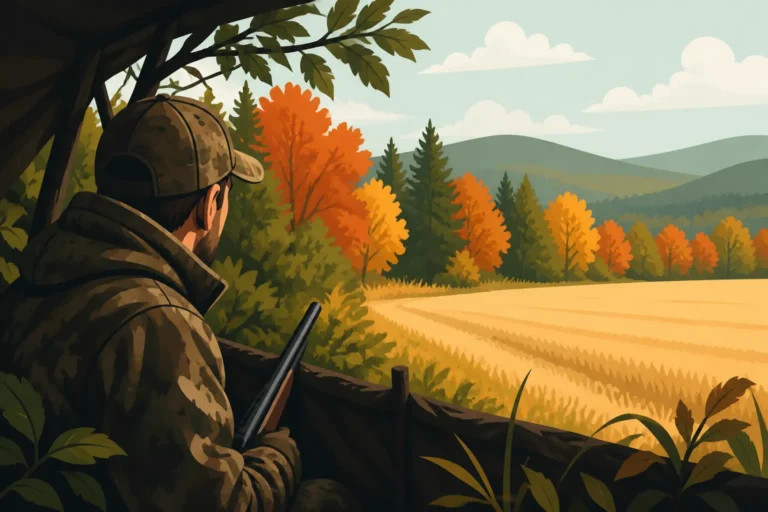
When we talk about a Vermont deer camp, we're not necessarily talking about a fancy lodge with all the amenities, though those certainly exist. More often, it’s a rustic cabin tucked deep into the woods of the Northeast Kingdom, a travel trailer parked on a friend's back forty in the Champlain Valley, or even a couple of wall tents pitched on public land within the Green Mountain National Forest. What truly defines it isn't the structure itself, but the spirit within its walls—or under its canvas. It's a temporary community, built on the shared purpose of hunting deer and the timeless rituals that accompany it.
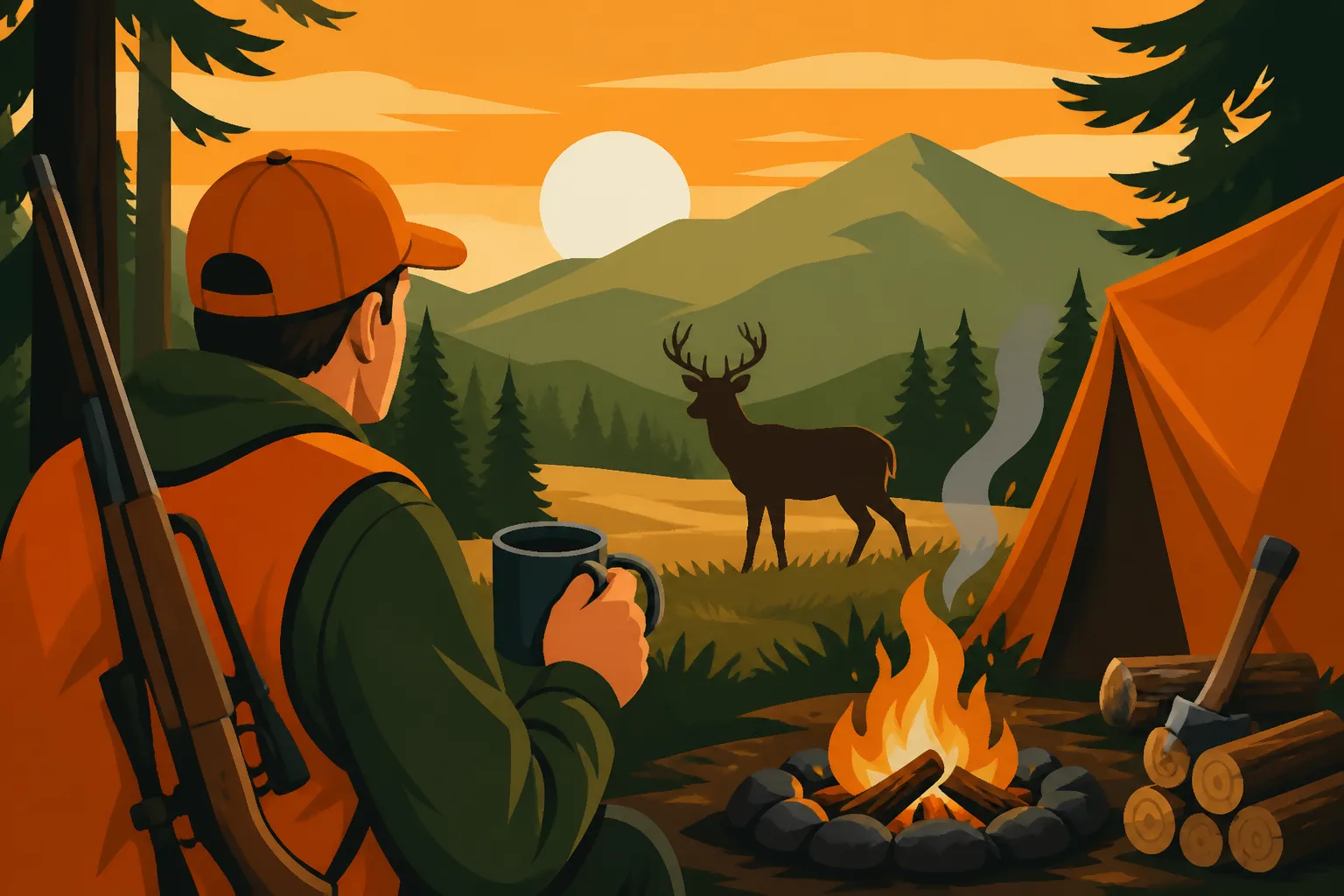
These camps are places where time seems to slow down. The rhythm is set by the sun, the weather, and the deer. Conversations flow freely around a crackling woodstove, fueled by coffee in the morning and perhaps a well-earned beverage in the evening. There's a particular kind of comfortable silence, too, when everyone is focused on a map, sharing scouting reports, or simply listening to the wind outside. It's a space where the usual pressures of daily life melt away, replaced by the primal focus of the hunt and the simple joys of good company. Every camp has its own unique character, shaped by the individuals who gather there, but the core essence—the shared experience of the hunt—remains universal.
The Historical Roots of Hunting Traditions
Vermont's deer camp traditions are deeply intertwined with the state's rugged history and the subsistence hunting practices of its early settlers. For generations, hunting wasn't just a sport; it was a vital part of providing for the family, a necessity woven into the fabric of rural life. Communities relied on venison to get through the long, harsh winters, and the annual deer hunt was a serious endeavor. As settlements grew, groups of men, often relatives or neighbors, would band together for the hunt, pooling their resources, knowledge, and efforts. This collective approach made hunting more efficient and safer, and from these practical gatherings, the social institution of deer camp was born.
These early camps were simple, utilitarian affairs, focused purely on the task at hand. Hunters would travel to remote areas, often on snowshoes or horseback, carrying only the essentials. The camaraderie that developed around the campfires, sharing meager rations and recounting the day's events, quickly became an integral part of the experience. Over time, as hunting became less about pure subsistence and more about recreation, these traditions endured and evolved. The core values of shared labor, mutual support, and respect for the game remained, becoming the bedrock of the deer camp culture we recognize today. These traditions are a direct link to our past, connecting us to the hardy Vermonters who came before us, who understood the profound relationship between humans and the land.
Why These Traditions Matter Today
In our modern, digital age, where everything moves at lightning speed, the timeless traditions of a Vermont deer camp offer a much-needed respite. They provide a vital connection to nature, an escape from screens and schedules, and a powerful reminder of simpler times. Beyond the thrill of the hunt itself, deer camp fosters a unique environment for personal growth and social connection. It's a place where life lessons are learned, from patience and perseverance to responsibility and respect for wildlife. Many hunters feel a deep-seated frustration with the increasing complexities of modern life, and deer camp serves as a powerful antidote, stripping away the unnecessary and focusing on what truly matters.
Moreover, these traditions are the vehicle through which hunting knowledge is passed down. Older, more experienced hunters impart their wisdom to the younger generation, teaching them everything from how to read a track in the fresh snow to the nuances of a "Cold-Weather Sitting Strategy in the Northeast Kingdom". It’s in these informal settings, around the dinner table or a roaring fire, that valuable lessons about ethics, conservation, and woodsmanship are absorbed. This intergenerational exchange isn't just about hunting techniques; it's about instilling a profound respect for the outdoors and ensuring the future of our hunting heritage. Without these traditions, much of the intangible wisdom that makes hunting such a rich pursuit would be lost, leaving new hunters to navigate a complex landscape alone.
Setting Up the Sanctuary: Elements of a Great Deer Camp
A truly great deer camp is more than just a shelter; it’s a sanctuary. It’s a place designed to facilitate the hunt, foster camaraderie, and provide comfort after long, cold hours in the woods. Setting one up, whether it’s a permanent structure or a temporary setup, involves thoughtful planning and an understanding of what makes for an efficient and enjoyable experience. Every camp has its own character, but certain fundamental elements contribute to its success and the perpetuation of its unique traditions.
Choosing Your Camp's Home Base
The first step in establishing a deer camp is deciding on its physical location and type. For many long-standing camps, this means a rustic cabin, often a multi-generational family asset, situated on private land. These cabins, sometimes without running water or electricity, offer a truly immersive experience, forcing hunters to embrace a more fundamental way of living. Other groups might opt for a more mobile setup, like a robust canvas wall tent with a woodstove, or a comfortable travel trailer, allowing them to move to different areas based on scouting reports or preferred terrain. This flexibility can be particularly beneficial for hunters utilizing Vermont's extensive public lands. Tools like GoHunt can be invaluable here, helping locate suitable public ground, understand land ownership, and even identify potential pinch points or travel corridors for deer. Knowing where you can legally set up a temporary camp, especially on federal lands like the Green Mountain National Forest's two districts, is paramount for a stress-free hunting season.
For those without access to private cabins, utilizing Vermont's public lands offers fantastic opportunities. Whether it's a designated camping area or dispersed camping spots, understanding the regulations is key. Setting up a base camp deep in the timber allows for early starts and late finishes without long drives. Some groups even rent remote cabins or camps for the season, providing a comfortable, heated space. The choice often comes down to budget, accessibility, and the desired level of rustic immersion. Regardless of the choice, the location should ideally offer reasonable access to hunting grounds, a reliable water source (or means to transport it), and a degree of seclusion that enhances the wilderness experience.
Essential Camp Logistics and Gear
Once the location is set, the logistics of keeping a camp running smoothly come into play. This includes everything from food and water to heat and communication. A well-stocked pantry and a reliable cooking setup are crucial. Hearty, communal meals are a cornerstone of deer camp life, providing warmth and energy after a day in the elements. Think chili, stews, pancakes, and plenty of coffee. Water is another critical element; whether it's hauled in, filtered from a nearby stream, or collected, having a sufficient supply for drinking, cooking, and basic hygiene is essential. For those early November hunts, reliable heating, often from a woodstove, isn't just about comfort; it's about survival. Keeping dry and warm prevents hypothermia and allows hunters to recover effectively for the next day's efforts.
Beyond basic sustenance, having the right gear is paramount. This includes proper layering for Vermont’s unpredictable weather, good lighting for dark mornings and evenings, and essential tools like first-aid kits, maps, and compasses (or GPS devices, integrated with mapping apps like GoHunt for navigation). Don't forget the tools for game recovery and processing. Knowing how to efficiently manage a downed deer, from field dressing to getting it back to camp, is a critical skill. Resources on "Butchering a Deer at Camp" or "Field Dressing a Deer in Cold Weather" are invaluable for ensuring the meat is handled properly. Even a seemingly small item like a high-quality headlamp can make a huge difference during those pre-dawn walks to the stand or late-night blood trails. A well-equipped camp ensures that hunters can focus on the pursuit, rather than being bogged down by logistical challenges.
The Unwritten Rules and Rituals
Every deer camp, like any tight-knit community, operates on a set of unwritten rules and cherished rituals. These aren't formally stated, but they are implicitly understood and contribute significantly to the camp's unique culture and harmony. For instance, there's often an unspoken roster for cooking and cleaning, ensuring that responsibilities are shared fairly. Someone might be the designated breakfast cook, while another takes on dinner, and everyone pitches in for washing dishes. These shared tasks reinforce the communal aspect of camp life and prevent any one individual from feeling overburdened. The ritual of morning coffee, often brewing before anyone else is even stirring, can be a sacred time for quiet contemplation before the day's hunt begins.
Then there are the stories. Oh, the stories! After a day in the woods, gathered around the warmth of the fire, the recounting of sightings, near misses, and tales from hunts past becomes a cherished ritual. These narratives, often embellished with each telling, are the living history of the camp, connecting past hunts with the present. Practical jokes, friendly ribbing, and card games are also common rituals that add levity and strengthen bonds. Respect for other hunters' space, gear, and sleep is also a critical unwritten rule. Understanding these traditions, whether explicit or implicit, is key to being a good campmate and ensuring the longevity of the deer camp experience. It’s about more than just personal enjoyment; it’s about contributing positively to the collective spirit.
| Essential Deer Camp Elements | Importance |
|---|---|
| Shelter | Protection from elements, communal gathering space, morale booster. |
| Heat Source | Comfort, drying gear, preventing hypothermia, central gathering point. |
| Food & Water | Sustenance, energy for hunting, communal meal preparation. |
| First-Aid Kit | Safety, preparedness for injuries in remote locations. |
| Mapping & Navigation | Orientation in unfamiliar territory, tracking game, personal safety. (GoHunt is excellent for this). |
| Game Processing Tools | Ethical handling of game, meat preservation. |
| Communication Devices | Safety, coordination, emergency contact (especially where cell service is spotty). |
| Blaze Orange Gear | Mandatory safety for visibility, adherence to Vermont regulations. |
| Camp Chairs/Seating | Comfort during downtime, encourages social interaction. |
| Good Coffee Supply | Essential morning ritual, warmth, energy kick-start. |
Beyond the Kill: Activities and Life at Camp
While the pursuit of deer is undoubtedly the primary purpose, life at a Vermont deer camp extends far beyond the moment of the shot. It encompasses a holistic experience that nurtures the mind, body, and spirit, creating memories that often outlast the meat in the freezer. The activities that fill the hours, both before and after the hunt, are just as crucial to the tradition as the hunt itself, reinforcing the values of preparation, celebration, and shared learning.
The Daily Rhythm: From Pre-Dawn to Post-Hunt
The deer camp day begins long before the sun even hints at rising. The faint glow of a headlamp cuts through the darkness, signaling the start of another day. The smell of strong coffee and cooking breakfast—often pancakes, bacon, or eggs—fills the air, a welcome warmth in the chilly pre-dawn. This early morning ritual is vital for fueling up and mentally preparing for the day ahead. Hunters consult maps, discuss wind direction, and strategize their approach, perhaps referencing their GoHunt app for last-minute checks on property boundaries or topographic features. Each hunter then disperses, often with a quiet nod or a whispered "good luck," melting into the pre-dawn woods.
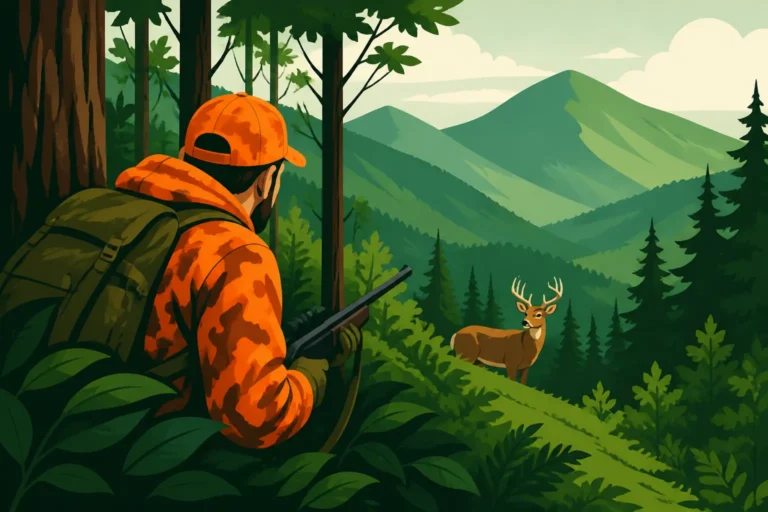
The middle of the day can be a solitary experience for many, spent on stand or still-hunting, deeply immersed in the wilderness. For others, it might involve tracking a deer from the previous evening or checking trail cameras. As dusk approaches, the camp slowly comes back to life. Headlamps reappear from the timber, and stories, both triumphant and wistful, begin to trickle in. The evening is marked by the shared preparation of a hearty dinner, the warmth of the woodstove, and the retelling of the day's events. This rhythm, dictated by nature and the demands of the hunt, fosters a deep appreciation for both solitude and community, creating a profound connection to the wild landscape and each other.
Processing Game and Celebrating Success
The successful harvest of a deer is a moment of profound significance at camp. It's not just about the meat; it's about the culmination of effort, skill, and sometimes a bit of luck. The act of processing the game, from field dressing to breaking down the animal, is often a communal effort, a hands-on tradition where lessons are learned and respect for the animal is tangibly demonstrated. This usually begins with "Field Dressing a Deer in Cold Weather" immediately after recovery, ensuring the meat cools quickly and properly. Back at camp, further breakdown might occur, or the animal might be taken to a local butcher, depending on the camp's facilities and traditions.
The celebration of a successful hunt is rarely boisterous; it's more often a quiet, heartfelt acknowledgment. It might involve a toast, a special meal featuring fresh venison, or simply a shared sense of accomplishment and gratitude. There's an unspoken understanding that a deer harvest is a gift, and the processing of the meat is a final act of respect. This shared experience solidifies bonds, reinforcing the collective effort that often goes into a successful hunt, even if only one person pulled the trigger. It's a powerful moment that reinforces the entire purpose of the camp and the traditions it upholds.
Storytelling, Learning, and Future Planning
After the day’s hunting is done, and the venison is simmering, the camp truly comes alive with the art of storytelling. This is where the wisdom of generations is passed down, where failures become lessons, and successes inspire future endeavors. Veterans share anecdotes about past seasons, offering insights into deer behavior, "Reading a Green Mountain Deer Yard", or the best ways to navigate challenging terrain. Younger hunters, eager to absorb this knowledge, listen intently, asking questions that spark further discussions. These conversations are far more enriching than any textbook, filled with personal experiences and local lore that can only be found around a camp fire.
Beyond reminiscing, deer camp is also a prime opportunity for planning and learning. Discussions might revolve around scouting new areas for next season, perhaps utilizing GoHunt to analyze new public land parcels or potential food sources. Campers might review new regulations, such as "Vermont's New Archery-During-Rifle Overlap Rule", ensuring everyone is up to date. This collective knowledge-sharing isn't just about tactical hunting advice; it also covers ethical considerations, conservation efforts, and the importance of being responsible stewards of the land. It’s a continuous cycle of learning, where every season brings new experiences and new lessons to share, ensuring that the hunting tradition remains vibrant and informed.
Nurturing the Next Generation: Keeping Traditions Alive
The future of Vermont deer camp traditions, and indeed hunting itself, rests squarely on the shoulders of the next generation. It’s a responsibility that seasoned hunters embrace with dedication, knowing that passing on this rich heritage is paramount. This involves not only teaching the practical skills of hunting but also instilling the deep-seated values of respect, patience, and stewardship that define the experience.
Involving Youth and Novices
Introducing youth and novices to deer camp is one of the most critical aspects of perpetuating these traditions. It's not just about taking them hunting; it's about immersing them in the entire camp experience. This could mean starting them off with simple tasks, like gathering firewood, helping with meal prep, or learning how to read a map with GoHunt. The goal is to make them feel like an integral part of the team, fostering a sense of ownership and belonging. Many camps embrace opportunities like "Hunting Vermont's Youth and Novice Weekend" as a dedicated time to focus on these new hunters, providing a supportive environment without the added pressure of adult expectations.
Mentorship goes beyond the hunt itself. It’s about teaching ethical considerations, the importance of conservation, and understanding wildlife. It’s about showing them how to properly clean a firearm, track an animal, or even just sit quietly in the woods, observing nature. The patience required to guide a new hunter, often sacrificing one's own hunting time, is a hallmark of true dedication to the tradition. These formative experiences in deer camp create lasting memories and cultivate a love for the outdoors that will hopefully inspire them to continue the legacy for years to come.
Adapting Traditions for Modern Times
While the core values of deer camp remain timeless, the traditions themselves are not static. They adapt and evolve with changing regulations, technology, and societal norms. For example, while old-timers might scoff at a hunter consulting a GPS app, modern tools like GoHunt are invaluable for scouting and navigation, ensuring hunters can safely and effectively pursue game on vast public lands. The introduction of new hunting methods, like "Bowhunting During Vermont's Rifle Season", might require adjusting camp protocols or sharing strategies for hunting different legal weapon types simultaneously.
Conservation practices, once inherent in subsistence hunting, have taken on new urgency. Modern deer camps often prioritize practices that ensure healthy deer populations and sustainable hunting, working closely with state wildlife agencies. This includes adherence to baiting regulations, understanding antler point restrictions, and participating in voluntary CWD testing programs when applicable. The ability to adapt while staying true to the spirit of the tradition is what keeps deer camp relevant and vibrant. It's about finding a balance between honoring the past and embracing the future, ensuring that the legacy remains strong for generations to come.
The Legacy of a Vermont Deer Camp
The true legacy of a Vermont deer camp isn’t measured in antlers or pounds of venison, but in the intangible bonds forged, the wisdom shared, and the memories created. It’s the feeling of belonging, the deep connection to nature, and the sense of continuity that spans generations. For individuals, deer camp offers a profound escape, a reset button for the soul, and a place where personal character is quietly honed through challenge and camaraderie. The skills learned, from woodsmanship to resilience, extend far beyond the hunting season, enriching every aspect of life.
For families and the broader hunting community, deer camp serves as a vital cultural touchstone, a powerful reminder of our heritage and our responsibility to protect it. It instills a sense of stewardship for Vermont's wild places and its wildlife, fostering a conservation ethic that benefits everyone. As the years turn, the faces around the fire may change, but the spirit of the Vermont deer camp endures—a testament to the enduring power of tradition, community, and the timeless call of the wild. It’s a legacy worth preserving, one generation at a time.
Disclaimer
The information provided in this guide is for general informational purposes only and does not constitute legal advice or endorsement of any particular hunting practice. Hunting regulations, seasons, and requirements can change frequently. Always consult the official Vermont Fish & Wildlife Department regulations and obtain all necessary licenses and permits before engaging in any hunting activities. Safety should be your utmost priority in the field.