Field Dressing a Deer in Cold Weather
The crisp, biting air of a Vermont autumn or early winter hunt brings with it a whole different set of considerations when it comes to field dressing a deer. You’ve put in the scouting, made the shot, and now the real work begins. The challenge isn't just the physical exertion; it's protecting your hard-won venison from both the elements and potential spoilage, even when temperatures are plummeting. This guide will walk you through the specifics of how to effectively field dress a deer in cold weather, ensuring your efforts at ethical harvest result in prime table fare.
Essential Gear and Pre-Hunt Readiness for Cold Weather Field Dressing
When the mercury drops, preparation isn't just a good idea; it's absolutely crucial. Field dressing a deer in cold weather presents unique challenges, from stiffening carcasses to freezing blood, and having the right tools and mindset can make all the difference between a smooth operation and a miserable struggle.
Packing the Right Tools for the Cold
You’ve got your rifle, your ammo, your layers – but what about your field dressing kit? In cold weather, some items become even more critical. First and foremost, you need a sharp, reliable knife, or ideally, two. Cold hands are clumsy hands, and a dull knife in frigid conditions is an accident waiting to happen. Consider a fixed-blade knife with a comfortable, non-slip grip. Some hunters, myself included, find a gut hook invaluable for opening up the hide without puncturing the intestines, which is especially helpful when dealing with a stiff animal. Beyond the blade, pack a good pair of latex or nitrile gloves to wear under your heavier work gloves. This isn't just about hygiene; it’s about keeping your hands clean and dry, which in turn keeps them warmer. Nothing saps body heat faster than wet hands.
Don't forget some sturdy cordage or rope. This can be a lifesaver for tying off legs to keep the deer stable while you work, or for dragging it, especially if you’re trying to recover a deer from a steep ravine. A bright, hands-free headlamp with fresh batteries is non-negotiable, as twilight comes early in Vermont's late seasons, and you might find yourself working well after dark. Finally, always carry a few game bags. Even in cold weather, dust, leaves, or even snow can contaminate the cavity, and a breathable game bag will protect your meat while still allowing it to cool effectively. For those who rely on digital tools, having your map layers on an app like GoHunt ensures you know exactly where you are and can track your recovery route, which can be invaluable when you're focused on the task at hand.
Mental and Physical Preparation for the Task
Field dressing is physical work, and in cold weather, it demands even more from you. Before you even head out, visualize the process. Knowing each step will help you move efficiently, which is key to minimizing exposure to the cold and ensuring a clean job. Think about how you’ll position the deer, where you’ll make your cuts, and how you’ll handle the internal organs. This mental rehearsal can significantly speed up your actual work.
Physically, make sure you're well-layered and hydrated. You might be standing or kneeling in the snow, and you'll exert a lot of energy. Wear layers that allow you to shed a bit if you get too warm during the exertion, but can be quickly put back on to prevent a chill once you slow down. Remember that the adrenaline will wear off, and the cold can set in quickly. If you’re lucky enough to be hunting a small private tract in Vermont and have a short drag back to the truck, you might not worry as much about extreme cold, but deeper in the Green Mountain National Forest, conditions can change rapidly. Don't underestimate the physical toll, especially if you're alone. Having a clear plan for your exit, whether you're recovering a deer from a steep ravine or just hauling it across a field, is part of being prepared.
The Step-by-Step Cold Weather Field Dressing Process
You’ve made a clean shot, and your deer is down. Now, time is of the essence, even in freezing temperatures. While the cold helps with preservation, speed and cleanliness are still paramount to ensure the best possible venison.
Prioritizing Speed and Cleanliness in the Cold
Your immediate goal after confirming the deer is expired and safe to approach is to get it field dressed. Even in sub-freezing temperatures, the internal body heat of the animal can still cause spoilage if the entrails aren't removed promptly. The longer the internal organs remain, the more bacteria can multiply, and the longer the meat holds that deep internal heat. Aim to begin field dressing within minutes, if possible.
Positioning the deer correctly is your first step. Ideally, roll the deer onto its back. If the terrain is sloped, try to position it so the head is downhill; this helps with drainage. Prop the deer in place with logs or rocks if necessary to keep it stable while you work. If you're working on truly frozen ground or an icy surface, be extra cautious with your footing. Many hunters find it useful to tie the front legs back to expose the brisket, and the rear legs out wide to create a stable work area. Your chosen Best Knife for Field Dressing a Whitetail will be your most important tool here.
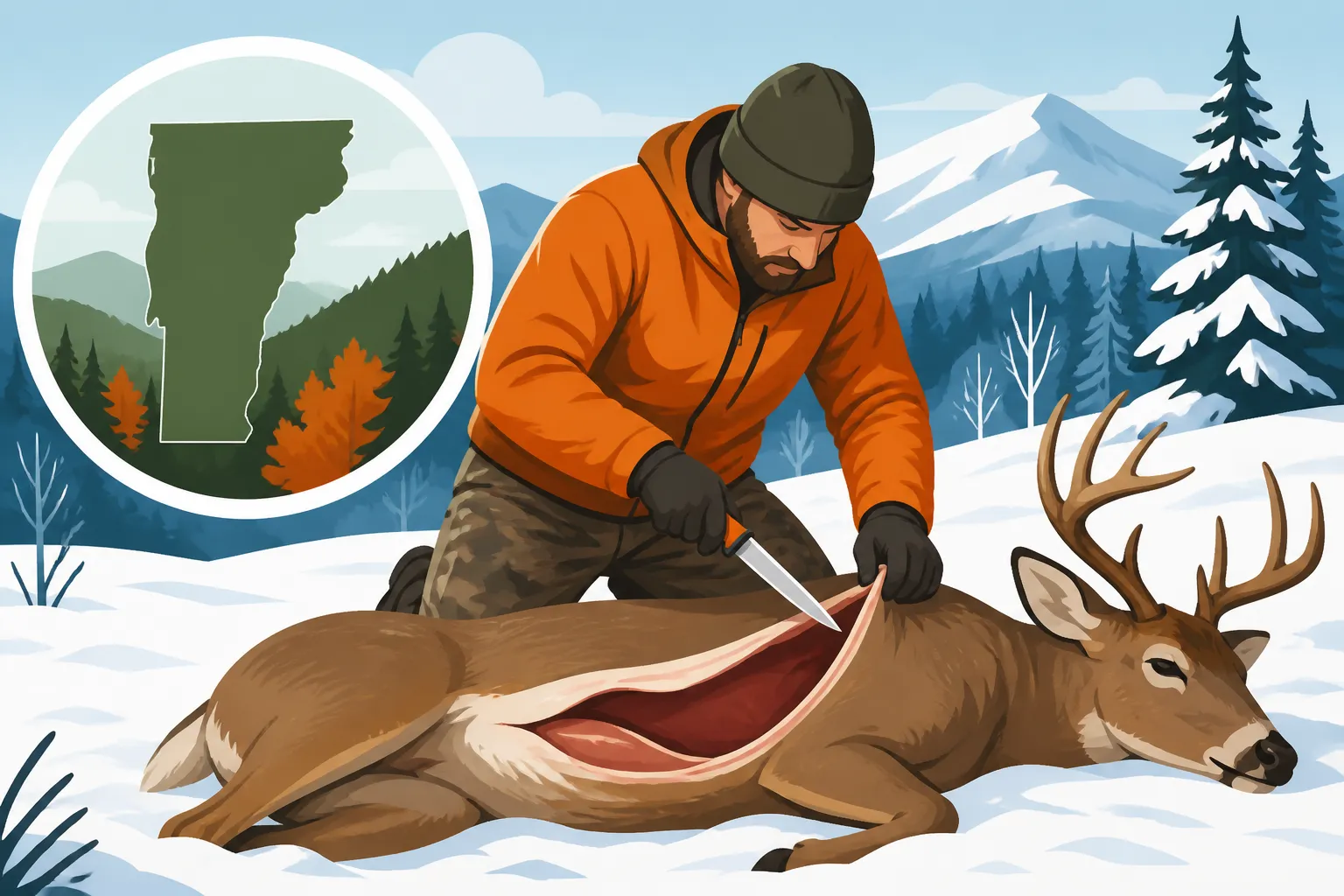
Gloves, as mentioned, are critical. Not only for hygiene, but also for keeping your hands from getting sticky with blood and then freezing. Start your cut from the sternum (breastbone) down to the pelvis. Be very shallow with your initial cut through the hide, then use two fingers to lift the abdominal wall as you continue cutting, keeping your knife blade pointing upwards to avoid puncturing the stomach or intestines. If you have a gut hook, this step becomes significantly easier and safer. Once you reach the pelvis, you’ll need to cut around the rectum. Some hunters will bone out the pelvis, but a simpler method is to cut a ring around the rectum, pull it out a few inches, and then tie it off with string to prevent fecal matter from contaminating the cavity.
Gutting and Airing Out the Cavity
With the abdominal cavity open, your next task is to separate the windpipe and esophagus from the chest cavity. Reach into the chest cavity, as far forward as you can, and cut around the windpipe and esophagus, pulling them free. Then, begin to roll the deer to one side, using gravity to help the entrails fall away. Carefully cut the membranes and connective tissue holding the organs in place, working from the diaphragm towards the pelvic area. Be mindful not to puncture the bladder, especially if it's full.
Once all organs are free, they should roll out of the cavity. Check for any remaining bits of lung, liver, or other organs that might still be attached. Remove everything, including the heart and liver if you plan to keep them (place them in a clean bag immediately). The goal is to get the cavity as empty and clean as possible.
After the entrails are removed, the cavity needs to cool and dry. This is where the cold weather is your friend. If it’s truly freezing, the internal cavity will cool rapidly, almost instantly preventing bacterial growth. Use clean snow if available, or even paper towels, to wipe out any excess blood or debris. Some hunters prefer to rinse the cavity with water, but in freezing conditions, this can create an icy mess that’s hard to manage. Wiping it dry is often a better option. Then, prop the cavity open. Small sticks can be used as spreaders to keep the rib cage apart, allowing maximum airflow to the internal surfaces. This crucial step helps with cooling and drying, which is essential for meat quality, even when Aging Venison in Cold Weather.
Specific Considerations for Vermont's Terrain
Vermont’s landscape, with its steep ravines, rocky inclines, and often dense cover, adds another layer of complexity. If you’ve shot a deer on a steep hillside, maneuvering it to get it onto its back can be a real workout. Always prioritize your safety; a slipping knife or a tumble down a slope is not worth rushing. If you can’t get the deer perfectly flat, work with what you have, being extra cautious.
When you’re done, if you have to drag the deer out, especially on public land like the Green Mountain National Forest, try to keep the cavity as clean as possible. A common method is to roll the deer over so the opening is facing the ground during a drag, or even better, cover the cavity with your game bags before you start moving. If you're on uneven ground, consider how you might need to Recovering a Deer From a Steep Ravine without damaging the meat further. Many Vermont hunters attest to the fact that knowing the terrain through apps like GoHunt is just as important for recovery as it is for the hunt itself.
Post-Field Dressing Care and Meat Preservation
Field dressing is only the first step in ensuring your venison is top-notch. What you do immediately after, and how you transport your deer, is equally critical for preservation, especially when dealing with Vermont's variable cold weather.
Cooling and Transporting the Carcass
Once field dressed, your priority is continued cooling. In very cold, sub-freezing weather (think 20°F or colder), the natural air acts as an excellent refrigerator. The exposed body cavity, now free of heat-generating organs, will quickly drop in temperature, creating a natural crust that protects the meat. Hang the deer, if possible, in a shady spot, off the ground, to allow air to circulate completely around it. This is ideal, but not always practical, especially if you're deep in the backcountry.
If you can't hang it, ensure it's not lying on warm ground or piled up against something that restricts airflow. If you're dragging it out, try to get it to a cooler location as quickly as possible. For those long hauls, especially if you're Hunting a Drawn Moose Zone in the Northeast Kingdom and need to pack out quarters, the principle remains: keep the meat cool and clean. Game bags are invaluable here, protecting the meat from dirt, insects (even in cold weather, sometimes gnats persist), and debris while still allowing it to breathe.
Dealing with Freezing Temperatures vs. Above-Freezing Thaws
Vermont's cold weather isn't always consistently freezing. You might have a morning that’s 15°F, but the afternoon could warm up to 35°F or even 40°F in direct sunlight. This fluctuation is where things can get tricky.
- Consistently Freezing (Below 20-25°F): This is ideal. The carcass will cool quickly and remain cool. You can often leave a deer overnight if conditions stay this cold, provided it’s protected from scavengers. The biggest concern here is simply preventing the meat from freezing solid before you can butcher it, as butchering a rock-hard deer is incredibly difficult.
- Fluctuating/Above Freezing (25-40°F): This requires more vigilance. If the temperature rises above freezing, even for a few hours, the internal temperature of the deer can also rise, potentially leading to spoilage, especially if the deer was killed with a gut shot or there's still internal bruising. In these conditions, get the deer to a cooler or processing facility as soon as humanly possible. Don't rely on ambient air for extended periods. If you have to store it temporarily, consider filling the cavity with bags of ice (if accessible) to keep the core temperature down, but be careful not to get the meat wet if possible. The important thing is not to let the meat "sweat" or warm up significantly after cooling.
Protecting the Meat During Transport
Transporting your deer is the final step before processing. Whether you’re dragging it with a sled over fresh Green Mountain snow or using an ATV, cleanliness is still paramount. If you're transporting the deer in the bed of a truck, ideally, place a tarp down first to keep the truck bed clean, then lay the deer on top. Again, game bags covering the entire carcass are highly recommended to prevent road grime, exhaust fumes, and other contaminants from getting on your venison.
If the weather is warmer than anticipated or if your drive is long, a common mistake is throwing a tarp over the deer tightly. While this keeps it out of sight, it also traps heat, which is exactly what you want to avoid. If you need to cover it for modesty, use a loose tarp that allows for airflow, or ideally, have it quartered and placed in coolers. Remember, your goal is to maintain that hard-won internal coolness you achieved during field dressing. If you've been Hunting the Rut in Early-to-Mid November, you might encounter more variable weather, so always be prepared for a quick change.
Here’s a quick comparison of cold vs. warm weather considerations:
| Feature/Condition | Cold Weather Field Dressing (Below 30°F) | Warm Weather Field Dressing (Above 40°F) |
|---|---|---|
| Speed of Action | Still important for initial cooling, but less urgent for immediate spoilage. | Extremely critical. Every minute counts to prevent bacterial growth. |
| Carcass Cooling | Excellent, ambient air acts as a natural refrigerator. | Challenging, requires active cooling (ice, shade, air circulation). |
| Bacterial Growth | Significantly slowed or halted by low temperatures. | Rapid, leading to quick spoilage if not addressed. |
| Meat "Crusting" | Develops naturally and quickly, protecting the meat. | Less likely to form, meat remains moist, more susceptible to contamination. |
| Hygiene Challenge | Keeping hands/tools warm and functional, stiffening carcass. | Preventing insect contamination, managing strong odors, keeping clean. |
| Blood Handling | May freeze quickly, making cleanup easier but potentially hard to track. | Stays liquid, can be messier, attracts insects. |
| Storage Time | Can be extended for days (with proper care and consistent cold). | Minimal; needs immediate processing or refrigeration. |
| Physical Effort | Increased due to stiff body, cold hands, potentially deep snow. | Less physically demanding without cold, but heat exhaustion is a risk. |
Overcoming Common Cold Weather Field Dressing Challenges
Even with the best preparation, cold weather throws curveballs. From frozen ground to stiff carcasses, dealing with these specific challenges effectively will ensure a successful field dressing and a quality harvest.
Frozen Ground and Difficult Blood Trails
One of the most frustrating aspects of cold weather hunting in Vermont can be dealing with a deer that drops on hard, frozen ground or in shallow snow. Trying to gut a deer that's sliding around on icy patches or digging into solid earth is no fun. My advice? Get creative with stabilization. Use your pack, spare logs, or even a branch to prop the deer open and keep it from shifting. If you’re really struggling, sometimes you can find a slightly softer spot to work, or even create one by clearing away a thin layer of snow.
And what about the blood trail? If you're tracking a deer in fresh Green Mountain snow, the blood can freeze quickly, making it hard to follow. While a clear red stain on white snow is a blessing, if the snow is crusty or there’s a lot of debris, frozen blood can blend in. Take your time, look for disturbed snow, broken twigs, and scuff marks. If it's truly a challenge, remember that Blood Trailing After Dark in Vermont requires even more patience and a good light source. Don't push too hard and risk losing the animal; sometimes backing out and coming back in the morning with fresh eyes and daylight is the best approach, especially if temperatures are below freezing. A good tracking dog can also be a lifesaver in these scenarios.
Working with Stiff Carcasses
When temperatures plummet, a deer carcass can stiffen up very quickly due to rigor mortis. This can make it incredibly difficult to open the body cavity and position the animal. If the deer has been down for a few hours in sub-freezing temps, you might find its legs locked in an awkward position, making it tough to spread them for access.
Patience is key here. Rather than fighting against the stiffness, try to find the "path of least resistance." Sometimes, simply working slowly and applying steady pressure will allow you to make your cuts. If the legs are too rigid to tie out, you might have to work with the deer in a less-than-ideal position. Don't be afraid to adjust your technique. You might need to make slightly longer initial cuts to get past the stiff abdominal wall. Once you get inside, the internal organs might also be a bit stiffer, but they'll still come out with careful separation. This is where a very sharp knife is paramount; you don't want to be sawing through anything with dull steel. Knowing Butchering a Deer at Camp will mean you'll know how to deal with this stiffness again at the next stage.
Maintaining Hygiene in Sub-Zero Temperatures
Maintaining cleanliness is always important, but the cold adds its own wrinkle. Your gloves can get stiff, blood can freeze to your knife, and wiping things down with cold, damp paper towels can be uncomfortable.
To combat this, carry a small, insulated thermos of warm water. This can be invaluable for rinsing your knife blade or even warming your gloved hands for a moment. Just remember that any water you use will likely freeze quickly, so be strategic. Disposable wipes, especially those designed for cold weather or even baby wipes, can also be helpful for quick cleanups. Always pack out any waste, including wipes and gloves. Vermont’s pristine backcountry should remain just that, and apps like GoHunt can help you mark your location for later cleanup if necessary.
Another tip: consider using a small piece of cardboard or a cutting board if you're working on truly frozen ground. This provides a clean, stable surface for any specific cuts or to place organs you're keeping, preventing them from freezing directly to the ground or picking up debris. It's the small details like this that can make field dressing in cold weather a much more manageable and hygienic experience, ultimately leading to better quality venison.
Disclaimer
Hunting is an inherently dangerous activity. The information provided in this article is for informational purposes only and should not be considered a substitute for proper hunter education, safety courses, or professional guidance. Always prioritize safety, follow all local and state hunting regulations, and ensure you are properly trained and equipped before entering the field. The author and publisher are not responsible for any accidents, injuries, or legal issues that may arise from the use of this information.