Working a Connecticut River Bottomland Funnel
Hunting along the winding stretch of the Connecticut River in Vermont can be incredibly rewarding, but it often comes with a unique set of challenges. The terrain here isn't always the steep, rocky climbs of the Green Mountains; instead, you're dealing with river bottoms, oxbows, and agricultural fields, which can make predicting deer movement tricky. This guide is all about helping you decode those subtle travel patterns and effectively hunt the natural funnels that make this distinct landscape so productive.
Understanding Connecticut River Bottomland Funnels
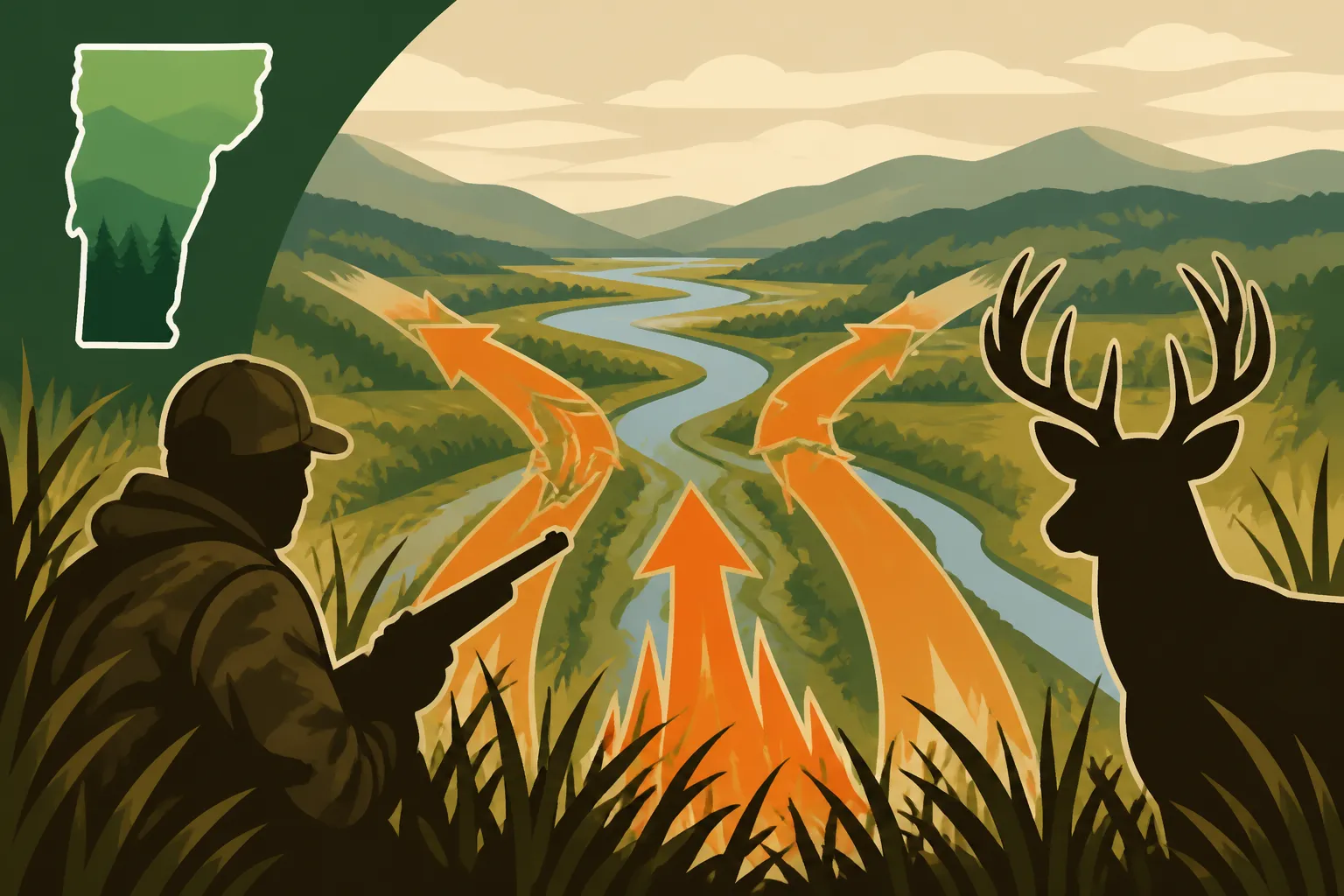
The Connecticut River Valley, with its fertile agricultural lands and winding waterways, creates a unique hunting environment quite different from the higher elevations of Vermont. Here, deer behavior is heavily influenced by the river itself, its associated lowlands, and the interspersed human activity. Bottomland funnels aren't always dramatic pinch points between mountainsides; they are often subtle corridors that concentrate deer movement through dense cover, along field edges, or between water features.
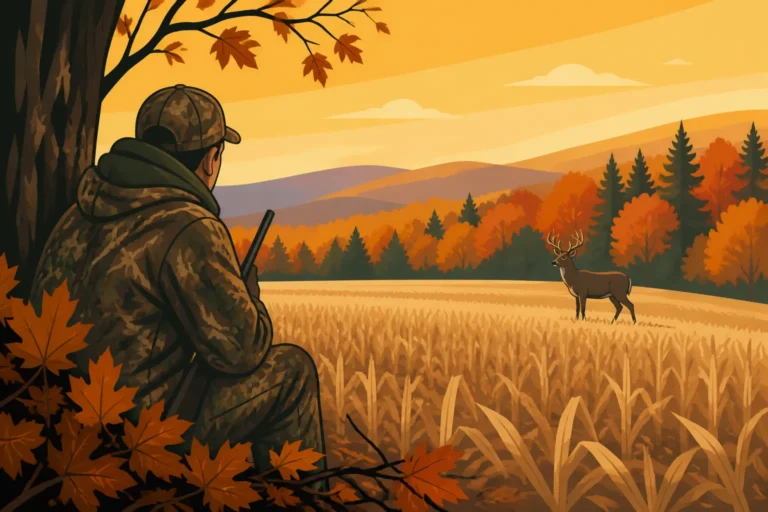
Imagine a situation where a mature buck, wary of open fields, needs to travel from a secluded bedding area in a swampy thicket to a late-season food source like a standing cornfield. He's not going to just walk across the middle of a wide-open pasture in broad daylight. Instead, he'll seek the path of least resistance and maximum cover, often following a brushy fencerow, a narrow strip of timber, or a raised bank along a creek that eventually leads him where he needs to go. These natural travel lanes become incredibly predictable, especially during the rut or when harsh weather dictates movement to specific food or bedding.
Another common scenario involves oxbows – those U-shaped bends in the river that often become cut off over time, leaving behind crescent-shaped wetlands or ponds. These features, combined with dense riparian vegetation, can create islands of cover or narrow land bridges that deer are forced to use. They might be trying to cross from one section of woods to another, or moving between different feeding areas, and the geography of the river bottom leaves them only a few viable paths. Learning to identify these "soft funnels" is absolutely crucial for success. They are less about elevation change and more about changes in vegetation density, water features, and human disturbance patterns.
Scouting and Identifying Key Funnel Points
Before you even think about hanging a stand or planning your hunt, dedicated scouting is paramount, especially in the complex environment of the Connecticut River bottomlands. You can't just walk in blind and expect to find these subtle funnels; they demand careful observation and often, a little investigative work. Start by spending time pouring over aerial maps and topographic maps. Services like GoHunt offer excellent mapping overlays that can help you identify potential pinch points long before you ever set foot in the woods. Look for areas where dense timber narrows between open fields, where a creek or small tributary meets the main river, or where elevated ground creates a natural travel corridor through a swampy area. Pay close attention to any areas that appear to restrict deer movement, such as steep banks, deep water, or wide, exposed agricultural fields.
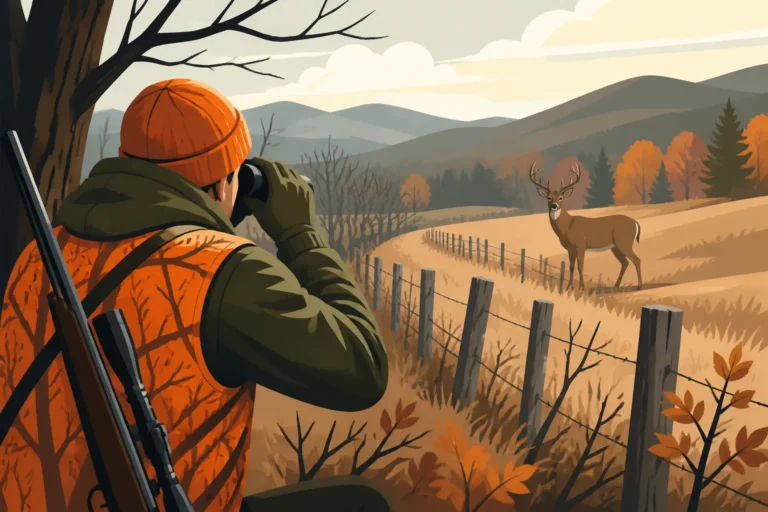
Once you have a few promising locations marked on your map, it's time to hit the ground. During the pre-season, when leaves are off the trees, you'll have a much clearer view of the landscape. Walk the suspected funnels and look for hard sign: well-used deer trails, rubs, and scrapes. A well-defined trail worn into the soil, especially where it bottlenecks, is a strong indicator of consistent deer traffic. Don't be fooled by faint trails; you're looking for highways, not just a casual stroll path. Check the edges of standing cornfields, especially if they back up to a timber block. Deer will often skirt these edges, entering and exiting at predictable points. You might also want to read up on Scouting Vermont Public Land Before Season to refine your general approach before focusing on these specific funnel types.
Understanding how deer use these funnels at different times of the day and year is also part of effective scouting. In early season, deer might move more freely, but as pressure increases or the rut approaches, they become much more secretive and reliant on cover-laden funnels. During the colder months, deer often seek out shelter in dense softwood stands or sheltered pockets, and a funnel leading to or from these wintering areas can be golden. Consider using trail cameras throughout the year to monitor activity. Place them on well-used trails within your identified funnels. Not only will this confirm consistent deer movement, but it will also help you determine the size of the bucks using the area and their travel patterns, giving you vital intel on when and where to set up.
Setting Up for Success in Bottomland Funnels
Setting up correctly in a bottomland funnel requires meticulous attention to detail, arguably more so than in other terrains. Because the deer are concentrated into a smaller area, any mistake in your approach or stand placement can blow your chances. Your primary goal is to be invisible, scent-free, and positioned to take a shot without being detected.
Mastering Wind and Thermals in Flat Terrain
One of the biggest challenges in river bottoms is the unpredictable nature of wind and thermals. Unlike steep mountainsides where thermals reliably rise in the morning and fall in the evening, flat river bottoms can be a swirling mess. The Connecticut River itself can influence wind direction, and changes in topography, even slight ones, can create micro-thermals. A gentle breeze might be flowing from the north, but a small ditch or a patch of dense cover could cause a localized eddy that carries your scent directly into the path of a cruising buck. This is where real-time wind apps become invaluable. Before every hunt, check the detailed wind forecast for your specific location. However, don't rely solely on forecasts; always carry a powder bottle or milkweed seeds to test the actual wind direction once you're on site. If you're struggling with the local atmospheric conditions, checking out resources like Wind and Thermals in Steep Green Mountain Terrain can offer foundational knowledge that, while focused on different topography, can still help you understand the principles of air movement that apply in some capacity even in flatter areas.
When choosing a stand site, always prioritize concealment and a favorable wind. If a funnel consistently carries deer, but the prevailing wind makes it unhuntable from your ideal spot, you need to find an alternative. This might mean setting up on the downwind side of the funnel, catching deer as they approach or leave, or finding a different funnel entirely. It's often better to hunt a slightly less active funnel with a perfect wind than a super-active one with a compromised wind. Remember, a deer's nose is its primary defense, and if they catch a whiff of you, the hunt is over.
Strategic Stand Placement and Access Routes
Your stand placement within the funnel is critical. You want to be close enough for a shot, but far enough away not to spook deer on their approach. Look for natural cover that breaks up your silhouette, such as a large oak tree on a field edge, a cluster of pines in a hardwood bottom, or even a dense brush pile. Consider a ladder stand for stability and comfort, or a hang-on stand if you need to be more mobile or if the trees are scarce. If you're hunting an area with very little vertical cover, don't rule out using a ground blind. If using a ground blind, remember to brush it in thoroughly several days or even weeks before you plan to hunt it. Ensure your shooting lanes are clear, but avoid over-trimming, which can make your presence obvious.
Your access route is just as important as your stand placement. You need to be able to get to and from your stand without alerting deer. This means planning a route that uses natural terrain features, follows ditches, or skirts the farthest edge of fields, always keeping the wind in your favor. Approach quietly, under the cover of darkness if possible, and exit the same way. Avoid walking directly through the funnel you intend to hunt, as this will contaminate the area with your scent and potentially push deer out. If hunting near an active farm, you might find some relevant tips in Hunting a Champlain Valley Dairy Farm Edge, which covers similar agricultural interfaces.
Here’s a breakdown of common bottomland funnel types and suggested hunting strategies:
| Funnel Type | Description | Ideal Wind Direction | Best Time to Hunt | Notes & Considerations |
|---|---|---|---|---|
| Timber Strip between Fields | A narrow band of woods separating two open agricultural fields (corn, hay, soybeans). Deer use this for cover when moving between feeding areas or from bedding to food. Often runs parallel to the river. | Perpendicular to the strip | Morning (to bedding), Evening (to feeding) | Set up on the downwind side. Look for intersections with cross trails. |
| Creek Bottom / Riparian Zone | A creek or small river flowing into the Connecticut River, often lined with dense brush, willows, and hardwoods. Deer follow these natural corridors, especially when traversing open areas. | Parallel to creek or quartering | All day, especially during the rut | Water masks scent somewhat, but still be careful. Look for crossings and tight bends. |
| Oxbow / Wetland Edge | The raised, dry land edge around an old river bend or wetland that funnels deer movement around water features. | Away from the water, into the cover | Mid-day cruising (rut), Evening (feeding) | Very high deer traffic in these areas. Look for defined trails where the dry land narrows. |
| Logging Road / Old Farm Lane | An unused, grown-over road or lane that provides an easy travel route through dense timber or along a field edge. | Varies, often perpendicular | All day, depends on activity | Deer often use these for ease of travel. Check for fresh tracks and rubs on trees lining the path. |
| Hardwood/Softwood Transition | Where a block of dense softwood (pines, hemlocks) meets an area of mature hardwoods. Deer will often transition through the hardwood edge before diving into the safety of the softwoods, especially for bedding. | Blowing into the hardwoods | Morning (from feeding), Evening (to feeding) | Excellent for bedding-to-feeding patterns. Look for heavy trails along the transition line. |
Hunting Strategies for Different Seasons
The Connecticut River bottomlands can be productive throughout the Vermont deer season, but your strategies need to adapt to the changing behavior of deer as the season progresses.
Early Season Success (Archery)
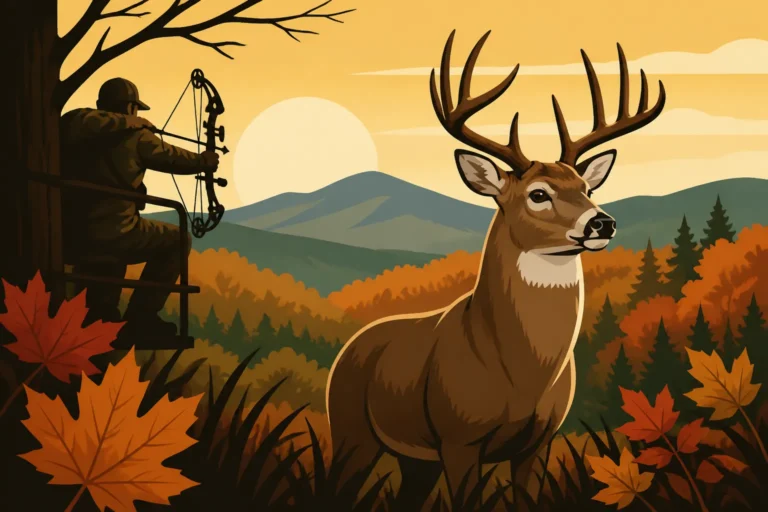
When the Vermont archery season kicks off, deer are still largely on a summer pattern, focusing on food and security. Early season funnels are often found connecting bedding areas (dense river bottoms, swampy thickets) to abundant food sources like standing alfalfa fields, clover plots, or even early mast crops if you're lucky enough to find a productive oak or apple tree. The key here is predictability. Deer will often move at dawn and dusk, so your setup needs to be dialed in for those low-light hours. Focus on funnels that offer good, consistent food. A well-placed treestand overlooking a funnel leading to a green field or an active apple orchard could provide your best chance. Be mindful of temperatures; early season can still be warm, so scent control is absolutely paramount. Think about applying what you'd learn for Bowhunting Vermont's Expanded Archery Season but tailoring it to this specific river bottom environment.
Mid-Season and the Rut
As October transitions into November, the pre-rut and then the peak rut hit Vermont, transforming deer behavior. This is often the most exciting time to hunt funnels. Bucks are now actively seeking does, and they will use these constricted travel corridors to cover ground efficiently while scent-checking and looking for receptive females. A funnel that connects two known bedding areas, or one that runs between a dense swamp and a hardwood ridge, can be a magnet for cruising bucks. This is an excellent time to try rattling and grunting, as a curious buck might investigate what sounds like another deer challenging his territory. For more on this, check out Rattling and Grunting Vermont Bucks.
During the rut, deer activity can extend throughout the day, so an all-day sit in a productive funnel can pay off. While most hunters are focused on Hunting the Rut in Early-to-Mid November in general, targeting specific funnels amplifies your odds. Pay attention to scrapes and rubs that suddenly appear in these funnels; they're signposts indicating active buck travel. GoHunt's detailed weather tracking features can also help you predict peak movement times based on cold fronts and moon phases, which can intensify rutting activity in these key areas.
Late Season Challenges
Once Vermont's rifle season has passed and the colder, sometimes snowy, December muzzleloader season arrives, deer have a different set of priorities: survival. Their primary focus shifts to finding reliable food sources and sheltered bedding areas to conserve energy. Funnels that connect dense thermal cover (like stands of hemlock or pine) to persistent late-season food sources become hot spots. Think about fields with standing corn, leftover crop residue, or even natural browse in sheltered areas. Deer might yard up in thick softwoods, and a funnel leading from these yards to a feeding area can be incredibly productive, especially during periods of heavy snow. Understanding Late-Season Food Sources for Vermont Whitetails is crucial for pinpointing these areas.
Hunting late season often means dealing with colder temperatures, so proper layering and cold-weather gear are essential for long sits. Persistence is key, as deer movement can be more sporadic but intensely focused when it does occur. Pay attention to fresh tracks in the snow; they'll tell you exactly which funnels deer are using. If you find a particularly active late-season funnel, you might be able to intercept deer as they make their slow, deliberate journeys between food and cover.
Remember, the Connecticut River bottomland is dynamic. Flooding can alter terrain, agricultural practices change, and deer patterns shift. Consistent scouting, adaptable strategies, and a deep understanding of how deer use these unique funnels will greatly increase your chances of success in this picturesque part of Vermont.
Disclaimer
Hunting is an inherently dangerous activity. Always prioritize safety, follow all local and state regulations, and obtain proper licenses and permits. The information provided here is for educational purposes and should not replace professional guidance or personal experience. Be aware of your surroundings and always know your target and what lies beyond.