Buying a License Through Vermont’s Online Portal
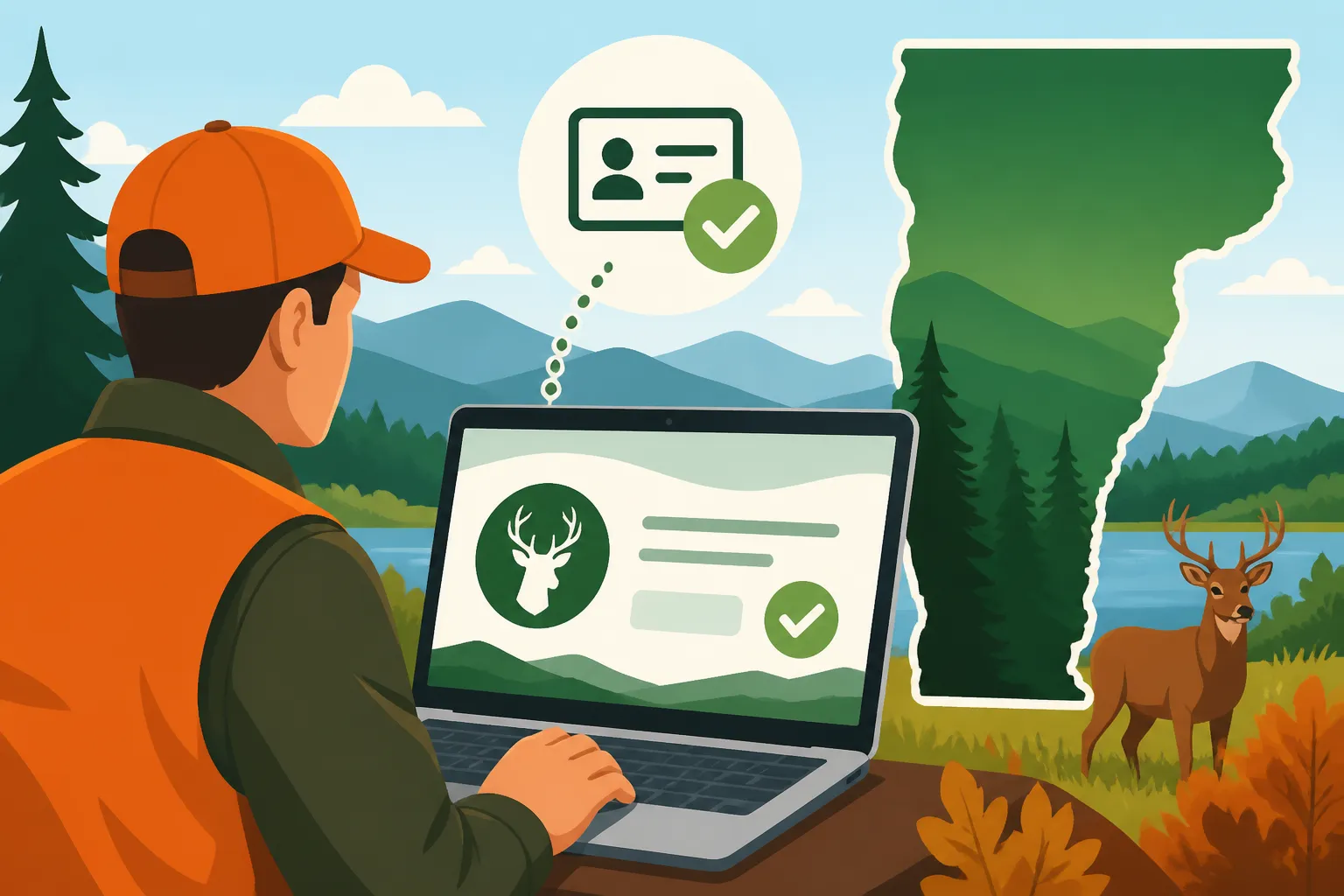
There's nothing quite like the excitement of planning your next Vermont hunting adventure – scouting out new areas, prepping your gear, maybe even eyeing some potential spots with the help of apps like GoHunt. But let's be honest, the administrative side of things, like actually acquiring your hunting license, used to feel like a tedious hurdle before you could even think about hitting the woods. For years, it meant making a special trip, sometimes standing in line, and dealing with paper forms that always seemed to disappear when you needed them most. This guide is here to walk you through exactly how to navigate the Vermont Fish and Wildlife Department's online portal, making the process smoother than ever so you can focus on what truly matters: your time in the field.
Why the Online Portal is a Game Changer for Vermont Hunters
For a long time, getting your Vermont hunting license involved a trip to a general store, a Fish & Wildlife office, or sometimes even through the mail. While those methods still exist, they often came with their own set of frustrations: limited hours, out-of-stock permits, or the sheer inconvenience of having to drive somewhere when your schedule was already packed. The introduction of the online portal has fundamentally shifted this experience, empowering hunters with unparalleled access and efficiency right from their homes. It's truly revolutionized how we manage our hunting paperwork.
Ditching the Paperwork Hassle
Remember trying to keep track of that little green slip of paper for your archery license, or fumbling for your big game tag in the bottom of your hunting pack? The online portal drastically cuts down on that physical paperwork dependency. Once you've completed your purchase, everything is stored digitally within your account. This means less chance of losing a crucial document and the ability to retrieve it instantly if you do. It also streamlines the process of renewing licenses year after year, as your basic information is already on file. No more repetitive form-filling; the system remembers you, which is a huge relief when you're trying to squeeze in that license purchase between work and scouting.
Instant Access, Anytime, Anywhere
The beauty of the online portal is its 24/7 availability. Whether it's late at night and you suddenly remember the regular archery opener in October is just around the corner, or you're on a long drive and decide to pick up an extra antlerless permit, you can access the system from any device with an internet connection. This flexibility means you're no longer bound by business hours, nor do you have to worry about a store being closed. It’s particularly helpful for those spontaneous decisions, like deciding to take advantage of the opportunity to hold two antlerless permits in different WMUs, or when you suddenly realize you need to certify for migratory birds before heading out for a duck hunt.
Navigating the Vermont Fish and Wildlife Online Portal
The thought of an "online portal" can sometimes feel a bit daunting, conjuring images of confusing government websites. But trust me, the Vermont Fish and Wildlife Department has done a commendable job making their system user-friendly. It’s designed to guide you through each step, ensuring you have all the necessary components for your hunting season. Let's break down the typical journey you'll take from login to license in hand.
Setting Up Your Hunter Profile
If you're a first-time user, your initial step will be to create a hunter profile. This involves inputting your personal details, such as your name, address, date of birth, and contact information. For returning hunters, you'll simply log in with your existing credentials. The system will often link your new online profile to any previous licenses you’ve held, based on information like your social security number or a previous hunter ID number. It’s important to ensure all information is accurate and up-to-date, as this forms the foundation of your official hunting record with the state. This profile is where all your licenses, permits, and past harvest reports will live, providing a centralized hub for all your Vermont hunting activities.
Choosing the Right Licenses and Permits
Once your profile is set, the exciting part begins: selecting the licenses and permits you need. Vermont offers a variety of options, from a basic hunting license to specific archery, muzzleloader, and turkey permits. You'll navigate through categories, adding the relevant items to your "cart" much like an online shopping experience. Pay close attention to the season dates and specific game you intend to pursue. For instance, a resident hunter might need a combination license and a spring turkey permit for early May, while a non-resident focused solely on deer might opt for a non-resident hunting license and specific deer tags. This is also where you'd select your tags for Vermont's expanded archery zones in September or ensure you have the correct permit for hunting Vermont's regular archery season into December.
It's a good idea to review the Vermont Hunting Licenses and What They Cost page or the specific Vermont Resident License Options or Vermont Nonresident License Options to ensure you're picking exactly what you need. The portal also makes it easy to add items like a migratory bird certification if you're planning on Decoying Ducks on Lake Champlain. The system is designed to prevent you from purchasing conflicting licenses, but always double-check your selections before proceeding to payment to avoid any last-minute mix-ups.
Understanding Vermont's License Year
One common point of confusion for hunters, especially those new to the state or those who only hunt occasionally, is understanding Vermont's license year. Unlike some states that might run licenses for a calendar year, Vermont's hunting licenses typically run from January 1st to December 31st. However, specific permit seasons, like the spring turkey season or certain expanded archery windows, might have their own unique validity periods. When you purchase a license online, the system will clearly indicate its validity dates.
This is particularly crucial if you're planning ahead or buying a license late in the year. A license purchased in December will only be valid for the remainder of that calendar year, not for the entire following year. Always pay close attention to the dates displayed during your purchase to ensure your license covers the period you intend to hunt. For hunters considering long-term planning, options like the Vermont Five-Year License Options can simplify this annual renewal process, providing peace of mind that your base license is covered for an extended period.
Essential Information to Have on Hand
Before you even log into the online portal, it’s incredibly helpful to have a few key pieces of information ready. Trying to dig up documents or remember forgotten numbers mid-purchase can be frustrating and lead to errors. Being prepared ensures a smooth, quick transaction, getting you one step closer to the woods.
Personal Identification Details
You'll need your full legal name, current address, date of birth, and usually, your Social Security Number (SSN). The SSN is often required by state agencies for identification purposes, especially when verifying hunter education records or linking previous licenses. For non-residents, you may also need your driver's license number or state ID. Having these details accurate and readily available will prevent any holdups in the account creation or license purchase process. If you’ve ever bought a license in Vermont before, having your previous hunter ID number can also expedite the process by allowing the system to quickly locate your existing record.
Hunter Education Requirements
Perhaps the most critical piece of information, especially for new hunters or those who haven't purchased a Vermont license in a while, is proof of hunter education. Vermont requires all first-time hunters born after January 1, 1970, to complete a hunter education course. If you’ve taken a course in Vermont, your certification should be on file. However, if you took a course in another state, you may need to provide proof of that completion. The online portal is usually integrated with national hunter education databases, but in some cases, you might need to manually input your certificate number or even contact the department if your record doesn't automatically show up. Make sure you understand Vermont Hunter Education Requirements before you attempt to purchase your license, as this is a common reason for a transaction to be put on hold.
Here's a handy checklist to make sure you have everything ready before you log in:
| Item | Why You Need It | Where to Find It (Typically) |
|---|---|---|
| Full Legal Name | Official identification for your license | Driver's License/State ID |
| Current Address | For official records and mailing permits (if applicable) | Driver's License/Utility Bill |
| Date of Birth | Age verification for license types and regulations | Driver's License/State ID |
| Social Security Number | Required for identification and hunter education linkage | SSN Card, Tax Documents |
| Hunter Education Cert. # | Proof of mandatory safety course completion | Hunter Ed Certificate, Previous Licenses |
| Previous VT Hunter ID # | Speeds up account lookup for returning hunters | Old VT Licenses, VT Fish & Wildlife correspondence |
| Payment Method | To complete your purchase | Credit Card, Debit Card details |
| Valid Email Address | For confirmation, digital license delivery, and updates | Your active email account |
| Phone Number | For contact in case of issues | Your cell phone |
Troubleshooting Common Online License Issues
Even with the most user-friendly systems, sometimes things don't go exactly as planned. From forgotten passwords to payment glitches, running into a snag when you're trying to secure your hunting license can be genuinely frustrating, especially when you're eager to get out in the woods. Let's cover some of the most common issues you might encounter and how to tackle them.
Account Access and Password Woes
It's happened to all of us – you go to log in, and your usual password just isn't working. The Vermont Fish and Wildlife online portal has standard "Forgot Password" or "Forgot Username" recovery options. Typically, this involves entering your email address associated with the account, and a reset link or your username will be sent to you. If you don't receive the email, check your spam or junk folder.
A more challenging issue can arise if you've changed email addresses since your last purchase, or if there's a discrepancy in your personal information that prevents the system from recognizing you. In these cases, you might need to contact the Vermont Fish and Wildlife Department directly. Their customer service can often verify your identity and help you regain access to your account. Remember, having your old license information or hunter ID number handy can significantly speed up this process when you call.
Payment Processing Problems
You’ve got your licenses selected, your information is correct, and you hit "submit" – only to have the payment fail. This is another common frustration. There are several reasons this might occur:
- Incorrect Card Information: Double-check your card number, expiration date, and CVV code. A single digit off will cause a rejection.
- Insufficient Funds: Ensure there’s enough money in your account or credit available on your card.
- Bank Security Flags: Sometimes banks flag online transactions, especially with government agencies, as potentially fraudulent. A quick call to your bank to authorize the purchase can resolve this.
- Website Glitch: Rarely, the portal itself might experience a temporary hiccup. If all else fails, try again after a few minutes, or consider trying a different browser or device.
If the problem persists, reach out to the Department. They might be able to see a more specific error code from their end or advise on alternative payment methods.
Lost or Undelivered Digital Licenses
The convenience of digital licenses is huge, but what if the email never arrives, or you accidentally delete it? Thankfully, your online account is your central hub. After a successful purchase, your licenses and permits are immediately available within your hunter profile on the portal. You can log back in at any time to view, download, or print your license. This means even if you've deleted the email, you still have access.
It’s always a good idea to download a copy of your license to your phone and/or print a physical backup to keep in your wallet or hunting pack. While Vermont law generally allows Carrying Proof of License on Your Phone, having a hard copy is a solid failsafe, especially in areas with no cell service like deep in the Green Mountain National Forest. Plus, it's often easier to show a printed license at a game check station than to fiddle with your phone screen.
Beyond the Purchase: Managing Your Vermont Hunting Account
The online portal isn't just a place to buy your licenses; it's a comprehensive tool for managing almost all aspects of your hunting life in Vermont. Getting familiar with its full capabilities can save you time and streamline your responsibilities as a hunter, from reporting harvests to applying for coveted permits.
Printing Replacement Licenses and Permits
As mentioned, one of the biggest benefits of the online system is the ability to print replacements. If your paper license gets wet, torn, or simply goes missing, there’s no need to panic or pay for a new one. Simply log into your account, navigate to your purchased licenses, and print another copy. This feature is particularly useful for permits like your deer tags or turkey tags, which you need to attach to your harvested animal immediately. It’s also invaluable if you’re heading out for Bowhunting Vermont's Expanded Archery Season, where having your tag readily available is non-negotiable.
Reporting Your Harvest Online
Vermont, like most states, requires hunters to report their harvests. This data is crucial for the Fish and Wildlife Department to monitor game populations, assess herd health, and make informed management decisions. The online portal makes this process incredibly simple and convenient. After a successful hunt, you can log into your account and report your deer, bear, or turkey directly through the system. This often involves entering details like the date of harvest, the Wildlife Management Unit (WMU) where it was taken, and information about the animal itself (e.g., antler points for deer, sex for turkey).
This online reporting functionality saves you a trip to a physical check station, though traditional check stations are still available. For busy hunters or those who hunt in remote areas, it's a huge time-saver. Just make sure you understand Vermont Deer Reporting Requirements and the specific deadlines for submitting your harvest information. Reporting online is not just a convenience; it's a vital part of conservation efforts in our state, ensuring that future generations can enjoy the same hunting opportunities.
Applying for Special Lotteries (Moose, etc.)
Vermont offers limited special permits for certain species, most notably moose. These permits are typically allocated through a lottery system due to the limited number available, such as Vermont's Eighty-Five 2026 Moose Permits. The online portal is your gateway to applying for these highly sought-after opportunities. You’ll be able to submit your application, pay the associated fee, and often track your application status directly through your account.
Applying for a moose permit can be a once-in-a-lifetime opportunity for many, and the online system simplifies what could otherwise be a complicated process. While applying, you can specify your preferred WMU, increasing your chances in areas like the Northeast Kingdom, known for its moose population. Just make sure to pay close attention to the Vermont Moose Lottery Application Process and deadlines, as missing them means missing out for another year. The portal streamlines applications for other specialized permits too, such as the early bear permit, which is essential if you're planning on Bear Hunting Vermont's Long September-to-November Season.
Maximizing Your Online Experience with Vermont Hunting Resources
The online license portal is just one piece of the puzzle when it comes to leveraging technology for your Vermont hunting endeavors. Smart hunters combine the convenience of online license management with other digital tools and resources to stay informed and enhance their time in the field.
Syncing with Mobile Apps for Field Use
After purchasing your license and permits online, consider how they integrate with mobile apps you might use in the field. Many mapping and scouting apps, like GoHunt or OnX Hunt, allow you to save property boundaries, mark waypoints, and often store digital copies of your licenses and permits. While Vermont requires you to show your actual license if asked by a game warden, having a digital backup accessible even without cell service is a smart move.
Think about how you use tools like GoHunt for scouting before the season. Having your official licenses readily available on your phone, perhaps stored in a cloud service or directly within a robust mapping app, ensures you’re always compliant. This seamless integration means you can focus on reading a Green Mountain deer yard or scouting a Champlain Valley dairy farm edge without worrying about forgotten paperwork.
Staying Informed with Email Notifications
When you create an account on the Vermont Fish and Wildlife online portal, you'll usually have the option to sign up for email notifications. This is a highly recommended practice for any Vermont hunter. These emails can keep you informed about critical updates, such as changes to season dates, upcoming lottery deadlines, important regulation changes like Vermont's New Archery-During-Rifle Overlap Rule, or news regarding wildlife management efforts.
Imagine getting an alert when it’s time to apply for a moose permit, or a reminder about the deadline for Vermont's Dual Antlerless Permit Rule. These timely notifications can prevent you from missing out on opportunities or inadvertently violating a new regulation. It's like having a personal assistant from the Fish and Wildlife Department, ensuring you're always in the loop and prepared for the next adventure. This connection helps hunters adapt to evolving conditions and take full advantage of the hunting calendar, from Hunting the Rut in Early-to-Mid November, to Hunting Into the December Muzzleloader Close.
Disclaimer
This guide provides general information about purchasing Vermont hunting licenses online and is not a substitute for the official regulations and statutes of the Vermont Fish and Wildlife Department. Hunters are responsible for knowing and adhering to all current hunting laws, regulations, and permit requirements. Always consult the official Vermont Fish and Wildlife website or their annual hunting guide for the most up-to-date and complete information.