Vermont Blaze Orange Requirements
Navigating the dense woods and rolling hills of Vermont during hunting season requires more than just skill and patience; it demands a keen understanding of safety regulations, especially those concerning visibility. Many hunters, particularly those new to the Green Mountain State or coming from areas with different rules, often grapple with exactly when and how much blaze orange they need to wear. This comprehensive guide will meticulously break down Vermont's blaze orange requirements, ensuring you're compliant, safe, and ready for your next hunt.
Understanding Vermont's Blaze Orange Mandate
The requirement to wear blaze orange while hunting in Vermont isn't just a suggestion; it's a critical safety measure designed to protect hunters in the field. It’s about being seen by other hunters, reducing the risk of accidental shootings, and making your presence known in areas where others might be stalking game.
The Core Regulations: When and Where It's Required
Vermont law is very specific about when blaze orange (or blaze pink, which we'll get into) must be worn. The primary objective is to make sure hunters are highly visible during specific periods when firearms hunting for deer or bear is most prevalent. This isn't just a guideline; it's a legal obligation. Generally, if you're out hunting during the regular rifle or muzzleloader deer seasons, or during specific portions of the bear season, blaze orange is absolutely mandatory. Failing to wear it can result in fines and, more importantly, puts you and others at unnecessary risk. Think of it as a uniform that signals "hunter" to everyone else in the woods, distinguishing you from the deer, bear, or other game you might be pursuing. The regulations are designed to minimize confusion and maximize safety, especially when visibility might be reduced due to weather or thick cover.
The Purpose Behind the Color: Enhancing Safety
Blaze orange, sometimes referred to as hunter orange, is chosen for a very good reason. Unlike natural colors found in the forest—greens, browns, grays, and even the subtle yellows of fall foliage—blaze orange stands out dramatically. Deer, like many ungulates, are dichromatic, meaning they see colors differently than humans. They lack the red photoreceptors that allow humans to distinguish red and orange hues from green. To a deer, blaze orange appears as a shade of yellow or gray, often blending into the background of the forest. To the human eye, however, blaze orange is incredibly vibrant and distinct, even in low light or against a snowy backdrop. This stark contrast ensures that another hunter, scanning the woods, will immediately register your presence, preventing them from mistaking you for game. This simple color choice has been scientifically proven to significantly reduce hunting accidents involving mistaken identity, saving lives year after year. It's a testament to the power of a proactive safety measure.
Distinguishing Blaze Orange from Other Colors
It's crucial to understand that "blaze orange" isn't just any orange. The Vermont Fish & Wildlife Department, like most state agencies, specifies a particular shade and intensity. This isn't your average safety orange from a construction vest, nor is it the muted tones of a pumpkin. True blaze orange is a fluorescent, highly saturated shade of orange, often described as a vivid, neon orange. The key is its luminosity and its ability to reflect light, making it pop in the natural environment. While some gear might be "hunter orange," if it's not truly blaze orange in its reflective qualities and hue, it might not meet the legal requirements or, more importantly, provide the intended safety benefit. Don't confuse it with regular orange clothing or camouflaged patterns that incorporate some orange. The purpose is maximum visibility, and only true blaze orange delivers on that promise.
Specific Seasons and Situations Demanding Blaze Orange
Understanding the broad mandate is one thing, but knowing the precise season-specific requirements is another. Vermont's diverse hunting calendar means that blaze orange isn't a constant, but rather a strategic safety measure deployed during periods of heightened risk.
Rifle Season: Non-Negotiable Visibility
The annual November rifle season for deer is arguably the most highly anticipated and participated-in hunting period in Vermont. It's also the time when the blaze orange requirement is most stringent and non-negotiable. During the two-week rifle season, which usually runs from the second Saturday in November, every hunter pursuing any game, even small game, must wear at least 500 square inches of blaze orange or blaze pink above the waist. This includes a hat. The reason is simple: this is when the highest concentration of hunters armed with high-powered rifles are in the woods, pursuing deer. The risk of a hunter being mistaken for game is at its peak. Whether you're targeting squirrels, pheasants, or even just hiking in the woods with a firearm for any reason, if it's rifle season, you need to be visible. This applies even if you're not actively hunting deer but are out in the woods during this period. For those interested in deeper dives into this popular season, articles like Vermont's November Rifle Season offer excellent insights into the tactics and regulations for deer hunting during this crucial timeframe.
Muzzleloader Season: Staying Safe in Late Fall and Early Winter
Vermont offers two muzzleloader deer seasons: an October antlerless-only window and a longer December season. The blaze orange rules shift slightly between these. During the October antlerless muzzleloader window, which usually follows the regular archery season, hunters pursuing deer with a muzzleloader are also required to wear blaze orange. This is a critical time, as other archery hunters might still be in the woods, and ensuring everyone's visibility is paramount. Come December, during the main muzzleloader season, the full 500 square inches of blaze orange or blaze pink, including a hat, is again mandatory for anyone hunting any species. The landscape by December is often blanketed in snow, and while this can sometimes aid visibility, the dense thickets and shadows of winter still necessitate this bright safeguard. For more on late-season hunting, consider exploring topics like Hunting Vermont's December Muzzleloader Season to prepare adequately.
Archery Season: When the Rules Change (and When They Don't)
Archery season in Vermont has more nuanced blaze orange requirements. Generally, during the statewide regular archery season, which typically runs from early October through early December, archery hunters are NOT required to wear blaze orange. The logic here is that archery hunting is often a more solitary pursuit, and the range of archery equipment is much shorter than a rifle, reducing the risk of long-distance mistaken identity. However, there's a significant exception: the archery-rifle overlap.
Vermont has a unique period where the archery season overlaps with the rifle season, allowing bowhunters to continue their pursuit while rifle hunters are also in the woods. During this specific overlap period, which aligns with the November rifle season, archery hunters ARE required to wear the full 500 square inches of blaze orange or blaze pink, including a hat. This rule ensures that all hunters, regardless of their weapon choice, are equally visible during the most intense hunting pressure. It’s a crucial detail that many bowhunters, especially those accustomed to the early archery season, might overlook. Understanding the intricacies of Hunting Vermont's New Archery-Rifle Overlap is vital for safety and compliance.
Youth and Novice Weekends: Prioritizing New Hunter Safety
Vermont is dedicated to fostering the next generation of hunters, offering special youth and novice hunting weekends for deer and turkey. These weekends are fantastic opportunities for new hunters to gain experience in a mentored setting. During the youth and novice deer hunting weekend, which typically occurs in late October, all hunters—both the youth/novice and their adult mentors—are required to wear blaze orange. This heightened visibility is critical because new hunters are still learning the ropes, and having both mentor and mentee highly visible adds an extra layer of protection. It underscores the state's commitment to safety from the very first steps into the field. If you're planning to participate, be sure to review Vermont Youth and Novice Weekend Rules to ensure everyone is properly outfitted.
Beyond Deer Hunting: Other Game and Blaze Orange Considerations
While deer seasons are the primary drivers of blaze orange mandates, it’s important to remember that these rules can extend to other game animals, depending on the overlap with firearms deer seasons.
Bear Hunting: Early Season vs. Overlap Periods
Vermont offers a generous bear hunting season, running from September through November. For much of the early bear season, especially the September to mid-November period when bowhunting for bear is common, blaze orange is typically not required for bear hunters. Bear hunters often rely on stealth and camouflage, and the early season largely avoids significant overlap with high-pressure firearms deer hunting.
However, as the season progresses and moves into the November rifle season, the rules change dramatically. If you're hunting bear during the November rifle season, or during the December muzzleloader season, the full blaze orange requirement (500 square inches, including a hat) applies to bear hunters as well. This is because you are sharing the woods with firearms deer hunters, and the overriding safety concern dictates maximum visibility for all. Always check the current year's regulations for specific dates, but a good rule of thumb is: if deer rifle season is open, wear blaze orange, regardless of what you're hunting. For more information on bear hunting opportunities, check out Bear Hunting Vermont's Long September-to-November Season.
Small Game and Predator Hunting: Unexpected Requirements
This is where many hunters get tripped up. It's a common misconception that blaze orange is only for big game like deer or bear. In Vermont, if you are hunting any species with a firearm during the regular November rifle deer season or the December muzzleloader deer season, you must wear the prescribed amount of blaze orange or blaze pink. This means if you're out chasing squirrels, rabbits, ruffed grouse, or even calling coyotes during these specific periods, you need to be highly visible.
Imagine you're pursuing snowshoe hare in a cedar swamp during late November. Even though your quarry isn't a deer, the presence of deer hunters in the surrounding hardwoods means you still pose a potential mistaken identity risk. Similarly, predator hunters who might prefer to blend into their surroundings when calling coyotes during these windows must still prioritize safety by wearing blaze orange. While there's extensive guidance on various methods of small game pursuit, such as Squirrel Hunting Vermont Hardwoods, it's crucial to cross-reference these with general season rules regarding blaze orange.
Turkey Hunting: A Different Set of Rules
Wild turkey hunting in Vermont, both spring and fall, operates under entirely different visibility rules. For spring turkey hunting, the season typically runs in May, long before any firearms deer season opens. During this time, turkeys are actively breeding, and hunters often use camouflage to blend into their surroundings to successfully call in a gobbler. Therefore, blaze orange is not required for spring turkey hunting. In fact, wearing it would likely hinder your chances.
For fall turkey hunting, which has both archery and shotgun seasons, the rules are also distinct. During the statewide fall archery turkey season, blaze orange is generally not required. However, if you are hunting fall turkeys with a shotgun during any period that overlaps with the November rifle deer season or the December muzzleloader season, then yes, blaze orange is mandatory. This again ties back to the principle of ensuring safety when multiple types of hunting, especially firearms deer hunting, are occurring simultaneously. If you're going after a fall flock, it's always smart to double-check the current regulations, especially if you're utilizing the Hunting Vermont's Fall Shotgun Turkey WMUs opportunities.
Here's a quick reference table for clarity:
| Season/Activity | Blaze Orange Required? | Minimum Square Inches | Notes |
|---|---|---|---|
| Regular Rifle Deer Season (November) | Yes | 500 | Mandatory for ALL hunters, regardless of game pursued. Includes a hat. |
| Muzzleloader Deer Season (October Antlerless) | Yes | 500 | Mandatory for deer hunters. Includes a hat. |
| Muzzleloader Deer Season (December) | Yes | 500 | Mandatory for ALL hunters, regardless of game pursued. Includes a hat. |
| Regular Archery Deer Season (non-overlap) | No | N/A | Archery-only hunters are generally exempt outside of firearms seasons. |
| Archery during Rifle/Muzzleloader Overlap | Yes | 500 | Mandatory for bowhunters when sharing the woods with firearms hunters. Includes a hat. |
| Youth & Novice Deer Weekend | Yes | 500 | Mandatory for both youth/novice hunters and their mentors. Includes a hat. |
| Bear Hunting (Early Season, no firearms deer) | No | N/A | Bear hunters using archery or non-firearms during early season are generally exempt. |
| Bear Hunting (during firearms deer season) | Yes | 500 | Mandatory for bear hunters when sharing the woods with firearms deer hunters. Includes a hat. |
| Small Game / Predator Hunting (during firearms deer season) | Yes | 500 | Mandatory for ALL hunters with firearms, regardless of game, during these periods. Includes a hat. |
| Spring Turkey Season | No | N/A | Turkeys rely on camouflage; no firearms deer season is open. |
| Fall Turkey Season (archery-only, no firearms deer) | No | N/A | Generally not required. |
| Fall Turkey Season (shotgun, during firearms deer) | Yes | 500 | Mandatory for shotgun turkey hunters when sharing the woods with firearms deer hunters. Includes a hat. |
| Important Note: Always consult the current Vermont Fish & Wildlife hunting regulations booklet for the most up-to-date and specific legal requirements each season, as regulations can change. |
Legal Requirements and Practical Application
Knowing when to wear blaze orange is only half the battle. Understanding how much and what type of blaze orange is legally acceptable, and equally important, practical for your hunt, is crucial.
Minimum Square Inches: What "Visible" Truly Means
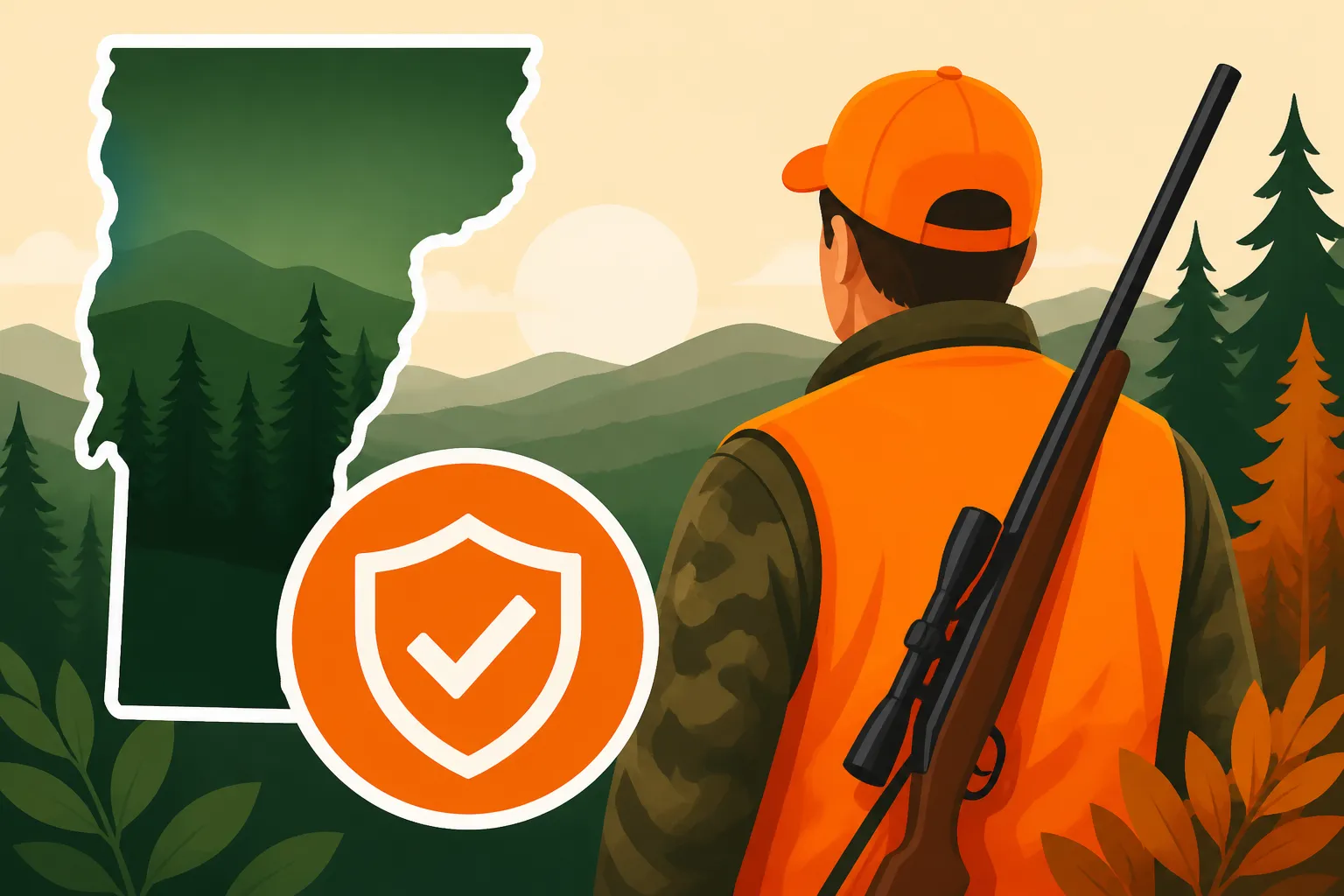
Vermont law, similar to many other states, specifies a minimum of 500 square inches of blaze orange or blaze pink to be worn above the waist and visible from all sides. This isn't an arbitrary number; it's a calculated area designed to provide sufficient visibility in varied terrain and conditions. Imagine you're still-hunting through a thick stand of evergreens, or setting up against a large sugar maple. A small patch of orange on your sleeve simply won't cut it. The 500 square inches ensures that a significant portion of your upper body is brightly colored, increasing the chance of another hunter seeing you even if your movement is minimal or you're partially obscured. This typically means a vest that wraps around your torso and a blaze orange or blaze pink hat. It's not enough to have it on your backpack or just a small bandana. The intent is for it to be a prominent part of your silhouette.
Acceptable Garments: Vests, Hats, and Beyond
To meet the 500 square inch requirement, most hunters opt for a combination of a blaze orange vest and a hat. The vest should be a substantial piece of clothing, covering your torso from the front, back, and sides. It shouldn't be covered by a backpack or jacket unless that outer layer also meets the blaze orange requirement. A blaze orange hat, whether a baseball cap, beanie, or stocking cap, is also a standard part of the ensemble and often explicitly required.
While vests and hats are the most common, other garments can contribute to the total square inch count, as long as they are worn above the waist and visible. For instance, some hunters use full blaze orange jackets, which easily meet the requirement. However, if you're using a camouflage jacket with blaze orange panels, you need to ensure the orange panels themselves add up to the 500 square inches. It’s always best to err on the side of more visibility rather than less. When planning your gear, platforms like GoHunt can offer useful insights into apparel options that meet these visibility requirements, often showcasing gear designed with hunter safety in mind.
Exemptions and Exceptions: Understanding the Nuances
While the rules are generally quite clear, there are a few specific exemptions and exceptions to the blaze orange mandate in Vermont.
- Waterfowl Hunting: When hunting waterfowl from a blind, boat, or over decoys, blaze orange is typically not required. This is because the nature of waterfowl hunting often requires concealment, and the risk of mistaken identity from other waterfowl hunters is generally lower. However, when moving to and from your blind, especially if crossing public lands during a firearms deer season, it's wise to still wear blaze orange.
- Archery Only (Non-Overlap): As discussed, during the dedicated archery deer season when no firearms deer seasons are open, bowhunters are not required to wear blaze orange.
- Trapping: Individuals engaged in lawful trapping activities are generally not required to wear blaze orange, as trapping is a distinct activity from hunting with firearms.
- Landowners on Own Land: There can sometimes be specific nuances for landowners hunting on their own land, though generally, the safety regulations for firearms deer season still apply. It's always best to assume the rules apply unless explicitly stated otherwise by the Vermont Fish & Wildlife Department.
These exceptions are specific and limited. For all other hunting activities with a firearm during the mandatory periods, the blaze orange rule is strictly enforced.
Penalties for Non-Compliance: What's at Stake
Ignoring Vermont's blaze orange requirements isn't just a minor oversight; it's a violation of state hunting law and carries potential penalties. The Vermont Fish & Wildlife Department takes hunter safety very seriously, and officers will issue citations for non-compliance. Penalties can include fines, which can be significant, and potentially loss of hunting privileges. Beyond the legal ramifications, the real "penalty" for not wearing blaze orange is the increased risk of a tragic accident. No harvest is worth risking your life or the life of another hunter. It's a simple, effective safety measure that costs little but gains invaluable protection. Always prioritize safety over personal preference when the law demands it.
Choosing the Right Blaze Orange Gear for Vermont's Conditions
Selecting the right blaze orange gear isn't just about meeting the legal square inch requirement; it's about choosing functional, comfortable, and durable items that will serve you well through Vermont's diverse and often challenging hunting conditions.
Layering Strategies for Cold Vermont Weather
Vermont's hunting seasons often plunge into cold, wet, and snowy conditions. Your blaze orange gear needs to integrate seamlessly into your layering system without compromising warmth or freedom of movement.
- Outer Layer: Many hunters opt for an uninsulated blaze orange vest over their primary outer layer, such as a fleece jacket or a waterproof shell. This allows you to adjust your insulation layers underneath as temperatures fluctuate throughout the day.
- Integrated Jackets: Some companies offer full blaze orange insulated jackets, which simplify layering but might be too warm for early season or too bulky for active hunting.
- Breathability: Look for vests or jackets made from breathable materials to prevent overheating when you're hiking or tracking, and to shed moisture from precipitation or perspiration. Brands often focus on material science to provide both visibility and performance. You'll want something that doesn't feel like a heavy plastic tarp when you're on the move.
- Packability: Consider a lightweight, packable blaze orange vest that can be easily stowed in your backpack and donned when you enter a mandatory zone or during the overlap season. This flexibility is key for those who might be Bowhunting During Vermont's Rifle Season.
Durability and Functionality in the Field
Vermont's terrain can be rugged, from dense briar patches to steep, rocky climbs. Your blaze orange gear needs to stand up to the abuse.
- Material Strength: Look for ripstop fabrics or durable nylon blends that can resist snags and tears from branches and thorns.
- Quietness: Avoid overly noisy materials that can rustle and spook game, especially if you're still-hunting or moving through thick cover.
- Pockets and Features: Practicality matters. A vest with well-placed pockets can be incredibly useful for carrying small essentials like calls, a rangefinder, or a compass.
- Ease of Cleaning: Hunting is messy. Choose gear that is easy to clean and maintain, as you'll likely be dealing with mud, blood, and other natural elements.
Blaze Pink Options Under Vermont Law
Vermont is one of a handful of progressive states that offers hunters the option to wear blaze pink in addition to blaze orange. The legal requirements for blaze pink are identical to blaze orange: 500 square inches worn above the waist and visible from all sides, including a hat, during mandatory seasons.
Blaze pink offers the same high visibility to the human eye as blaze orange, serving the exact same safety function. The decision to include blaze pink was largely driven by efforts to make hunting more appealing and accessible to a broader demographic, including women and youth, who might prefer the color. It's a fantastic initiative that provides personal choice without compromising on the critical safety aspect. So, whether you opt for the classic blaze orange or the vibrant blaze pink, know that both are equally effective and compliant with Vermont law, ensuring you are seen and safe in the woods. You can learn more about this by researching Blaze Pink Options Under Vermont Law.
Enhancing Your Safety Beyond Blaze Orange
While blaze orange is a cornerstone of hunter safety in Vermont, it's just one piece of the puzzle. A truly safe hunt involves a combination of preparation, awareness, and responsible practices that go far beyond just what you wear.
Communication and Hunt Planning
Effective communication and thorough hunt planning are paramount, especially when hunting with a group or in unfamiliar territory.
- Detailed Plans: Before you even step foot in the woods, discuss your hunting plan with your group. This should include your intended hunting area, entry and exit points, the direction of travel, and any specific areas you will be avoiding. Having a clear plan reduces confusion and the likelihood of hunters inadvertently crossing paths.
- Check-In Procedures: Establish a check-in procedure, particularly at dusk. Know when and how you'll communicate with your hunting partners, whether it's through cell phone (where service permits), two-way radios, or satellite communicators like those compatible with a GoHunt subscription, which often include GPS tracking and messaging features.
- Emergency Contacts: Ensure everyone in your party knows who to contact in an emergency and has access to a basic first-aid kit.
- Topo Maps and GPS: Even with blaze orange, knowing your exact location and the location of your hunting partners is crucial. Utilize paper topo maps in conjunction with GPS units or mapping apps on your phone (like the ones supported by GoHunt, which can work offline) to track your movements and identify potential hazards. This is particularly important when navigating areas like the Green Mountain National Forest.
Awareness of Your Surroundings and Other Hunters
Staying acutely aware of your surroundings is a fundamental safety practice that complements wearing blaze orange.
- Scan Continuously: Develop a habit of continuously scanning the woods, not just for game, but for any signs of other hunters. Look for movement, listen for voices, and be alert to any sounds that indicate human presence.
- Positive Identification: Always, always positively identify your target and what lies beyond it before taking a shot. This is the golden rule of firearms safety. Never shoot at sound or movement alone. The presence of blaze orange should be an immediate flag that what you're seeing is another person, not game.
- Respect Boundaries: Be mindful of property lines, safety zones around dwellings, and other restricted areas. Vermont has strict rules regarding firearms discharge setbacks. Using mapping tools to clearly identify these boundaries is essential.
- Hunting Pressure: Be aware that some areas, especially public lands near population centers, experience higher hunting pressure. Consider scouting these areas before the season using tools that identify land ownership and potential access points to find less-pressured areas, as discussed in guides like Hunting Pressure on Vermont Public Land.
Using Technology for Enhanced Safety and Navigation
Modern technology can be a powerful ally in hunter safety and navigation.
- GPS Devices and Apps: Dedicated GPS units and robust mapping apps like onX Hunt, available through a GoHunt membership, can provide invaluable real-time location data, topographical maps, and public/private land boundaries. They help you stay on course, avoid trespassing, and pinpoint your position for emergency services if needed. These apps often work offline, which is critical in Vermont's remote areas where cell service is spotty. Knowing how to use the GoHunt app layers for Vermont land status can be a game-changer for safety and navigation.
- Satellite Communicators: For truly remote hunts, especially in areas like the Northeast Kingdom, a satellite communicator (e.g., Garmin inReach or Zoleo) is a wise investment. These devices allow you to send and receive text messages, track your location, and send an SOS signal even when far beyond cell service. This is particularly relevant for extended trips or when pursuing larger game like moose, where help might be hours away.
- Headlamps: Essential for pre-dawn hikes to your stand or tracking game after dark. A reliable headlamp ensures you can safely navigate treacherous terrain and clearly see your path, reducing the risk of falls or disorientation.
Ultimately, while blaze orange is a statutory requirement during certain Vermont hunting seasons, true safety is a holistic approach. It’s about being prepared, being aware, and utilizing all available tools and knowledge to ensure every hunt is as safe as it is successful.
Disclaimer
Please remember that hunting regulations, including those pertaining to blaze orange and blaze pink, can change. Always consult the most current Vermont Fish & Wildlife Department regulations booklet or their official website before heading into the field. This guide is for informational purposes only and does not supersede official state regulations.