Minimum Age for Unsupervised Vermont Hunting
It can feel like a maze trying to figure out the exact rules for young hunters in Vermont, especially when you're dreaming of that moment they can finally head into the woods on their own. The desire for independence is strong in any budding outdoors enthusiast, but safety and legal compliance are paramount. This guide will walk you through Vermont's regulations regarding the minimum age for unsupervised hunting, shedding light on the paths young hunters can take toward their solo adventures.
Understanding Vermont's Hunting Age Regulations
Vermont's Fish & Wildlife Department has clear guidelines designed to ensure safety and responsible hunting practices, especially when it comes to our youngest enthusiasts. It's not just about picking up a license; it's about a progression of learning, experience, and demonstrating competency.
The Legal Minimum for Unsupervised Hunting
The critical age for unsupervised hunting in Vermont is 16 years old. This means that once a hunter reaches their 16th birthday, and has successfully completed the mandatory hunter education course, they are legally permitted to hunt alone without direct supervision. Prior to this age, every hunter must participate in Vermont's Mentored Youth Hunting Program, which requires them to be accompanied and closely supervised by a licensed adult mentor. It's a significant milestone, marking a new level of trust and responsibility in their hunting journey, and one that many young hunters eagerly anticipate after years of learning the ropes with an experienced guide.
This 16-year-old threshold isn't arbitrary; it's rooted in the idea that by this age, individuals generally possess the maturity, judgment, and physical capability to make safe and ethical decisions in the field. It implies they've absorbed the lessons from their hunter education, gained practical experience through mentored hunts, and are ready to apply that knowledge independently. It’s also important to remember that “unsupervised” doesn’t mean unsupported; even independent young hunters should always communicate their plans and locations with family or friends for safety.
Hunter Education Requirements for Young Hunters
Before any young person can legally purchase a hunting license in Vermont, regardless of whether they plan to hunt independently or as part of the mentored program, they must successfully complete a state-approved hunter education course. This isn't just a formality; it's a foundational step that instills critical knowledge about firearm safety, wildlife identification, hunting ethics, conservation principles, and landowner relations. The course covers everything from understanding game laws to blood trailing and field dressing, providing a comprehensive toolkit for responsible hunting.
There are various avenues for completing Vermont Hunter Education Requirements. Many young hunters attend traditional in-person classes, which often include practical, hands-on firearm safety drills and outdoor scenarios. This interactive environment allows for direct engagement with experienced instructors and peers, fostering a deeper understanding and appreciation for the responsibilities of hunting. For those with busy schedules or limited access to in-person courses, there are also options for Taking Vermont Hunter Education Online, though these typically require a follow-up field day to demonstrate practical skills.
The certification from this course is a lifelong achievement, recognized across North America. It signifies that the individual has met a baseline standard of knowledge and safety. While this certification is essential for licensing, it’s just the beginning. The real education, as many seasoned hunters will tell you, continues with every hunt, every observation, and every lesson learned from the natural world and from fellow outdoors enthusiasts. This continuous learning, coupled with solid foundational training, ensures that young hunters are well-prepared for the challenges and rewards of hunting independently.
The Mentored Youth Hunting Program in Vermont
For those under the age of 16, Vermont's Mentored Youth Hunting Program is the only legal pathway to participate in hunting. This program is a fantastic initiative designed to foster a safe, educational, and hands-on introduction to hunting, ensuring that new generations learn from experienced role models. It bridges the gap between completing hunter education and being fully independent.
How the Mentored Program Works
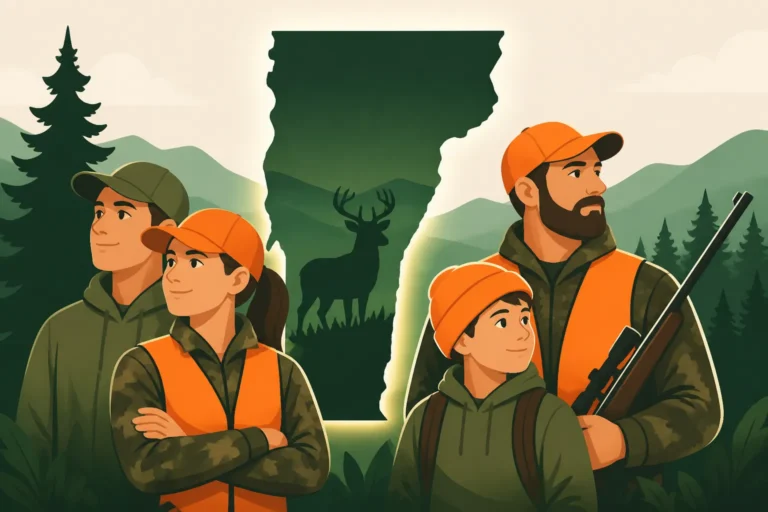
The Vermont Mentored Youth Hunting Rules are straightforward: a youth under 16 years of age can hunt if they are accompanied by a fully licensed and qualified mentor. This mentor must be at least 18 years old, possess a valid Vermont hunting license for the current year, and must have completed a hunter education course themselves. The mentor-to-youth ratio is strictly one-to-one, meaning one mentor can only supervise one youth at a time. This ensures undivided attention and supervision, which is crucial for safety and effective teaching.
The most critical aspect of the mentored program is the proximity requirement. The mentor must remain within How Close a Vermont Mentor Must Stay – at all times, the mentor must be in close proximity, able to maintain direct verbal and visual contact with the youth. This isn't just about being in the same general area; it means being close enough to immediately intervene if a safety issue arises, provide guidance on shot placement, or assist with game recovery. It's a true apprenticeship model, where the youth learns by doing, with the safety net of an experienced hunter by their side. This hands-on guidance builds confidence, teaches ethical decision-making in real-time, and creates invaluable memories that often last a lifetime.
Licensing for Youth and Mentors
Participating in the Mentored Youth Hunting Program also has specific licensing requirements. The youth hunter needs a valid hunting license, even though they are hunting under supervision. For residents, this typically involves purchasing a junior hunting license, which is significantly less expensive than an adult license. Non-residents also have junior license options. The mentor, as previously mentioned, must possess a full, valid adult Vermont Resident License Options for the current year, corresponding to the species being hunted (e.g., a big game license for deer hunting).
In addition to the regular hunting license, Vermont also offers special opportunities like the Vermont Youth and Novice Weekend Rules. This specific weekend, typically held in late October for deer and in April for turkeys, allows eligible youth (and first-time adult hunters) to hunt specific game before the general season opens. This provides a less pressured environment for learning and increases the chances of success, making it an incredibly popular and beneficial program for new hunters. It's a fantastic way to introduce young hunters to the excitement of the chase without the crowds of peak season.
| Feature | Mentored Youth Hunting (Under 16) | Unsupervised Hunting (16+) |
|---|---|---|
| Age Requirement | Under 16 years old | 16 years old and above |
| Supervision | Mandatory: Must be accompanied by a licensed, 18+ mentor | Not required, can hunt alone |
| Mentor Proximity | Mentor must maintain direct visual and verbal contact | N/A |
| Hunter Ed Req. | Required for youth | Required |
| License Type | Junior hunting license for youth; full license for mentor | Appropriate adult hunting license |
| Responsibility | Shared with mentor; mentor is legally responsible | Full legal responsibility rests with the hunter |
| Special Seasons | Eligible for Youth & Novice Weekend opportunities | Generally hunts during regular statewide seasons (unless 1st-time adult) |
Progression to Independent Hunting and Important Considerations
The transition from mentored hunts to fully independent hunting is a significant step for any young Vermonter. It represents years of learning, practice, and a growing understanding of the outdoors. This journey isn't just about reaching a certain age; it's about developing the skills, judgment, and ethical compass to navigate the wild safely and responsibly on one's own.
Transitioning from Mentored to Solo Hunts
After years of following a mentor, observing their choices, and participating in the hunt under their watchful eye, turning 16 and being able to hunt solo can feel like a major achievement. However, the first few independent hunts often bring a new set of challenges and responsibilities that even the most well-prepared young hunter might not have fully anticipated. Suddenly, all decisions – from choosing a stand location to tracking a deer or navigating back to the truck – fall solely on their shoulders. There's no longer an experienced voice to consult in real-time.
This is where all those lessons learned during the mentored years truly come into play. It’s crucial for young hunters to continue to apply the principles of safety first, ethical hunting, and respect for wildlife and landowners. Even when hunting alone, using resources like mapping apps can be incredibly beneficial. Tools like GoHunt offer detailed maps, public/private land boundaries, and satellite imagery that can help even an experienced hunter scout new territory or navigate challenging terrain, and they can be invaluable for a newly independent hunter. It's about building on the foundation, not abandoning it. Parents and mentors can continue to play a vital role by discussing hunt plans, reviewing gear, and debriefing after solo excursions, offering support without direct supervision.
Essential Safety Practices for Young Hunters
Even as a hunter gains independence, safety must always remain the top priority. The principles learned in hunter education, such as treating every firearm as if it's loaded, keeping the muzzle pointed in a safe direction, being sure of your target and what's beyond it, and keeping your finger off the trigger until ready to shoot, are non-negotiable. Beyond firearm handling, there's a broader scope of personal safety in the field. This includes dressing appropriately for the weather, which can change rapidly in Vermont's mountains, especially during colder months. Layering is key, and carrying emergency supplies, a first-aid kit, and reliable communication devices (like a fully charged cell phone or satellite communicator in areas without service) are absolute necessities.
Understanding Blaze Orange Requirements is also critical. During deer rifle season and other specific periods, wearing a minimum amount of blaze orange is legally mandated for all hunters to increase visibility and prevent accidents. Even when not legally required, wearing some blaze orange or pink, especially when moving through cover, is a smart practice. Furthermore, knowing how to use mapping technology, such as GPS and Mapping Apps for Vermont Public Land, is paramount for navigation, especially when venturing into unfamiliar territory or staying out until dusk. A young hunter should always have a plan, share it with someone reliable, and know their limitations. Pushing too hard, taking unnecessary risks, or getting lost can quickly turn an enjoyable hunt into a dangerous situation, so preparedness and sound judgment are lifelong safety habits.
Navigating Specific Seasons and Species for Young Hunters
Vermont has designed specific seasons and opportunities to cater to younger hunters, recognizing that a gradual introduction to the sport fosters greater success and lifelong participation. These special windows allow for focused, less pressured experiences.
Youth-Specific Hunting Opportunities
One of the most exciting opportunities for young hunters in Vermont is the Vermont Youth and Novice Weekend Dates. This special weekend, typically occurring in late October for deer, provides a unique chance for eligible youth to hunt antlerless deer with a firearm before the regular rifle season opens. This means less hunting pressure in the woods, often leading to better chances of success and a more relaxed environment for learning and developing skills. It’s a dedicated time where the focus is squarely on introducing and supporting new hunters.
Similarly, there's a Hunting the Youth and Novice Turkey Weekend in the spring, allowing young hunters to pursue gobblers before the general spring turkey season begins. These youth-specific opportunities are not just about harvesting game; they are carefully crafted experiences meant to instill confidence, reinforce safe practices, and create positive memories that encourage continued engagement in hunting. For many families, these weekends become annual traditions, providing invaluable bonding time in the outdoors and laying the groundwork for future independent hunts. These are also prime times for mentors to double down on teaching important field skills, from scouting new areas to reading sign and ethical shot placement, without the added pressure of competing with a full contingent of adult hunters.
General Hunting Season Considerations for Minors
Once a young hunter reaches 16 and can hunt unsupervised, they are largely subject to the same regulations as adult hunters for all general Vermont Archery Season Dates, Vermont Rifle Season Dates, and Vermont Muzzleloader Season Dates. This means they must adhere to bag limits, weapon restrictions, reporting requirements, and all other statewide hunting laws. However, it's worth noting that the maturity and experience gained through mentored hunts are invaluable during these general seasons. The ability to make independent decisions regarding safety, ethics, and strategy becomes paramount.
Understanding the nuances of each season and species is also critical. For instance, Bowhunting Vermont's Expanded Archery Season might require a different set of skills and tactics compared to Hunting Vermont's November Rifle Season. As they gain experience, young hunters might also find themselves interested in pursuing Small Game and Predator Hunting in Vermont, which offers year-round opportunities and unique challenges. Even with their independence, many young hunters continue to benefit from informal mentorship, discussing strategies, reviewing maps on tools like GoHunt to analyze terrain and access, and sharing experiences with family and friends. The journey of a hunter is a continuous one, always learning and adapting to the dynamic environment of Vermont's wild landscapes.
Disclaimer
The information provided in this guide is for informational purposes only and is not a substitute for official legal advice. Hunting regulations can change, and it is the responsibility of every hunter to consult the most current Vermont Fish & Wildlife Department regulations before engaging in any hunting activity.