Vermont Coyote Hunting Season Rules
There's nothing quite like the sound of a coyote howl cutting through a crisp Vermont night, but for many landowners and hunters, those howls represent more than just wilderness ambiance—they signal a potential threat to livestock, local deer populations, or even beloved pets. Figuring out when and how you can legally pursue these clever canids in the Green Mountain State can feel like navigating a maze of regulations, especially with rules around night hunting and specific equipment. This comprehensive guide is here to clear up all the confusion, laying out Vermont's coyote hunting season rules in plain, actionable terms so you can hunt responsibly and effectively.
Understanding Vermont's Coyote Hunting Regulations
Coyotes are incredibly adaptable animals, and their presence across Vermont is undeniable, from the agricultural lands of the Champlain Valley to the rugged peaks of the Northeast Kingdom. Vermont's Fish & Wildlife Department recognizes the need for management, which is why coyote hunting regulations offer a unique flexibility compared to many other game species. However, that flexibility comes with its own set of specific rules that every hunter needs to understand thoroughly.
Year-Round Opportunity and Bag Limits
One of the most appealing aspects of coyote hunting in Vermont is the sheer availability: the season is open year-round. That's right, 365 days a year, there’s an opportunity to pursue coyotes. This continuous open season reflects the department's strategy to manage coyote populations, which can impact deer fawn survival and livestock, particularly in certain areas. It's a recognition of the ecological role coyotes play and the potential challenges they present.
Unlike deer or turkey, there are no daily or seasonal bag limits for coyotes in Vermont. This means if you have a successful hunt, you're not restricted by the number of animals you can take. For many hunters, this continuous opportunity provides an excellent way to hone their calling and tracking skills outside of traditional big game seasons. It also means you can respond quickly if coyotes become an issue on land you have permission to hunt. The year-round nature of the season also implies that the focus is on population control rather than managing for specific harvest numbers or trophy animals. This approach empowers hunters to contribute directly to local wildlife management efforts.
Legal Hunting Hours: Day Versus Night Hunting
While the coyote season is open year-round, the legal hunting hours are where things get a bit more nuanced. For most of the year, coyote hunting follows standard daylight hours, meaning one half-hour before sunrise to one half-hour after sunset. This is the simplest way to pursue coyotes and requires no special permits beyond your general hunting license.
However, a significant portion of successful coyote hunting, especially when targeting problem animals, often happens under the cover of darkness. Vermont does permit night hunting for coyotes, but this isn't a free-for-all. It comes with strict requirements, primarily the need for a specific night hunting permit. Without this permit, hunting coyotes after legal shooting light (half-hour after sunset) or before legal shooting light (half-hour before sunrise) is illegal. The department carefully regulates night hunting to ensure safety and prevent conflicts with other nocturnal wildlife or human activity. These rules are particularly important when you consider that coyotes are often most active during twilight and nighttime hours, making night hunting a highly effective strategy for those who are prepared and properly permitted. If you're planning on hunting coyotes after dark, it's absolutely crucial to understand and adhere to these regulations, which we'll delve into in more detail shortly. For a deep dive into the specifics of hunting after dark, you'll want to review the official information on Vermont's specific night hunting rules for coyotes.
Weapon Restrictions and Equipment Considerations
When it comes to the tools you can use for coyote hunting in Vermont, you have a fair amount of flexibility, much like with the season itself. Most legal hunting methods for other game species are permitted for coyotes. This includes:
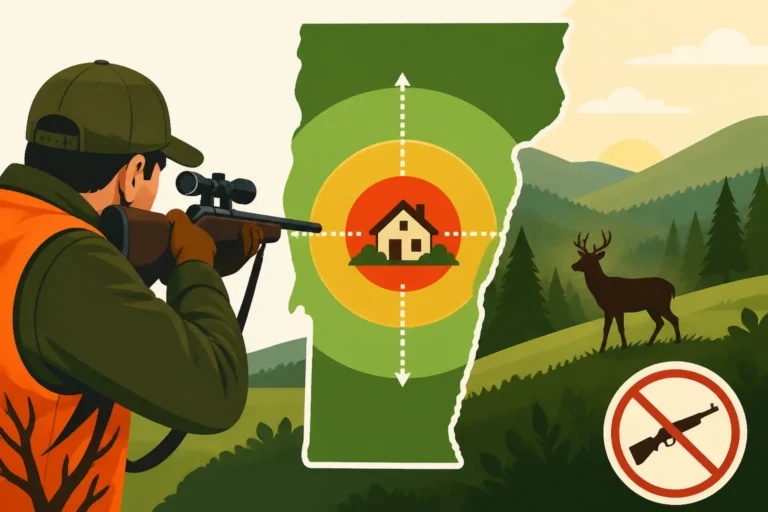
- Rifles: A wide variety of calibers are suitable for coyotes, from smaller varmint calibers like .223 Remington or .204 Ruger to larger deer calibers such as .30-06 Springfield or .308 Winchester. The key is choosing a cartridge that offers accuracy and sufficient knockdown power for a clean harvest, while also considering potential over-penetration and backstop safety, especially in more populated areas or on private land. For larger calibers, bullet choice (e.g., frangible bullets) can help minimize ricochets.
- Shotguns: Shotguns loaded with buckshot (e.g., #4 buck or larger) or slugs can be effective at closer ranges, especially in thick cover where shots might be quick and close. This is often a popular choice for hunters who are also targeting other small game or fowl, offering versatility in the field.
- Muzzleloaders: If you enjoy traditional hunting methods, muzzleloaders are also legal for coyote hunting. Just ensure you're using appropriate projectiles for coyotes.
- Archery Equipment: Bows and crossbows are perfectly legal for coyote hunting. This offers a silent, stealthy approach, particularly effective when calling coyotes into close range. You'll need to use broadheads suitable for coyotes, similar to those used for deer. This can be a great way to extend your bowhunting skills outside of the deer seasons, especially if you're comfortable with Bowhunting During Vermont's Rifle Season.
Regardless of your weapon choice, a quality set of calls is often your most important piece of gear. Electronic calls are legal and incredibly effective for mimicking distress sounds or coyote howls, while mouth calls offer portability and traditional appeal. Other essential equipment includes binoculars for scanning, a rangefinder for accurate shot placement, and appropriate camouflage for the environment you're hunting. For night hunting, specifically, regulated artificial lights become a critical component of your setup, as we’ll discuss next.
The Nuances of Night Hunting for Coyotes in Vermont
Night hunting coyotes is a thrilling and often highly productive way to target these animals, especially when they're particularly elusive during the day. However, it's not a simple matter of waiting for dark and heading out. Vermont has specific regulations in place to ensure safety, minimize conflicts, and maintain ethical hunting practices after hours.
Obtaining Your Night Hunting Permit: Step-by-Step
To legally hunt coyotes at night in Vermont, you must obtain a special night hunting permit from the Vermont Fish & Wildlife Department. This isn't just a recommendation; it's a legal requirement, and heading out after dark without one can lead to serious penalties. The permit is designed to ensure that hunters understand and comply with the specific rules associated with night hunting, which differ significantly from daytime regulations.
The process for obtaining this permit typically involves contacting the Vermont Fish & Wildlife Department directly. You'll need to fill out an application and, usually, pay a small fee. The department uses these permits to track night hunting activity and to provide hunters with the most current information regarding safety and legal requirements. Often, these permits will include a clear outline of what's allowed and what's not, serving as a handy reference in the field. It's a good idea to apply for this permit well in advance of when you plan to hunt, just in case there's a processing delay. Don't assume you can just purchase it on the fly. Being a responsible hunter means doing your homework and having all your ducks (or in this case, coyotes) in a row before you hit the woods after dark. This permit is an essential step if you're serious about Night Hunting Rules for Vermont Coyotes.
Permitted Equipment for Night Hunting: Lights and More
The biggest difference between day and night hunting, beyond the permit itself, lies in the equipment you're allowed to use, particularly artificial lights. For night hunting coyotes in Vermont, you are generally allowed to use artificial lights, such as spotlights or weapon-mounted lights, to locate and shoot coyotes. However, there are limitations:
- Artificial Lights: These can be handheld spotlights or lights attached directly to your firearm or bow. The intent is to allow illumination for target identification and shot placement.
- Light Power: While specific lumen restrictions might vary, the general rule is to use lights responsibly. Avoid blinding property owners or other individuals.
- Night Vision and Thermal Imaging: This is a crucial distinction. As a general rule, night vision and thermal imaging devices that aid in the taking of game are typically prohibited for hunting in Vermont. While they are powerful tools for observation in the dark, they fall outside the scope of what's allowed for recreational coyote hunting. It's always best to check the absolute latest regulations from the Vermont Fish & Wildlife Department, but historically, these technologies for hunting coyotes have been restricted. The focus remains on traditional artificial lights for illumination.
Having the right gear, and understanding its limitations, is paramount for a safe and legal night hunt. This includes having reliable batteries for your lights, backup light sources, and perhaps a red lens filter for less disruptive illumination while scanning. Remember, the goal is not just to see the coyote, but to clearly identify your target and ensure a safe shot.
Safety and Ethical Considerations After Dark
Hunting at night inherently carries increased risks, which is why safety and ethical considerations become even more critical when pursuing coyotes after sunset.
First and foremost, positive target identification is absolutely non-negotiable. In the dark, sounds and shadows can play tricks on your mind. You must be 100% certain you are aiming at a coyote and not another animal, or worse, a person. Never shoot at sound or movement alone. Use your permitted lights to clearly identify your target before shouldering your weapon.
Secondly, knowing your backstop becomes significantly harder at night. Always be aware of what lies beyond your target. In rural Vermont, there might be barns, homes, or roads further than you realize. Shooting into a dark landscape without a clear understanding of the terrain beyond your shot is incredibly dangerous. Take the time to scout your hunting area during daylight hours to identify safe shooting lanes and potential hazards.
Thirdly, communication is key. If you're hunting on private land, ensure the landowner is fully aware of your plans, including the use of lights at night. Consider letting neighbors know as well, especially if your hunting activity might be visible or audible from their property. If you're hunting with a partner, always communicate your movements and shooting intentions clearly. The isolation and reduced visibility of night hunting demand an even higher level of situational awareness. These are considerations that every responsible hunter, whether pursuing deer or coyotes, must uphold, especially when Hunting Deer After a Cold Front or when going after a clever predator.
| Rule Category | Day Hunting Coyotes | Night Hunting Coyotes |
|---|---|---|
| Season Dates | Year-round | Year-round |
| Bag Limit | No limit | No limit |
| Hunting Hours | 1/2 hour before sunrise to 1/2 hour after sunset | 1/2 hour after sunset to 1/2 hour before sunrise |
| Permit Required | No (general hunting license sufficient) | Yes, specific Vermont Fish & Wildlife Night Hunting Permit |
| Artificial Lights | Not generally used/needed | Permitted for illumination (spotlights, weapon-mounted) |
| Night Vision/Thermal | Prohibited for aiding in take of game | Prohibited for aiding in take of game |
| Legal Weapons | Rifles, shotguns, muzzleloaders, archery | Rifles, shotguns, muzzleloaders, archery |
Navigating Land Access and Public Versus Private Land Rules
Finding a place to hunt coyotes in Vermont can be one of the biggest hurdles, just as it is for any game species. Understanding land access rules for both private and public property is paramount to hunting legally and maintaining a good reputation as a hunter.
Hunting on Private Land: The Permission Imperative
By far, the most common and often most effective way to hunt coyotes, especially when dealing with nuisance animals, is on private land. Many farmers and landowners are keenly aware of the impact coyotes can have on their livestock, gardens, or local deer populations. Because of this, they are often receptive to hunters who offer to help manage coyote numbers.
However, the absolute golden rule in Vermont, as in most places, is that you must have permission from the landowner before hunting on private property. This isn't just a courtesy; it's the law. Verbal permission is legally sufficient in Vermont, but it's always a better practice to obtain written permission, especially if you plan to hunt repeatedly or at night. Written permission leaves no room for misunderstanding and can prevent potential conflicts. A simple signed note stating the dates, specific property, and game you're allowed to hunt can save you a lot of headache.
When seeking permission, be polite, respectful, and prepared to explain your intentions. Offer to share any game (if the landowner is interested) or help with other tasks around the property. Building a strong relationship with a landowner is invaluable and can lead to long-term hunting opportunities. Many hunters find that Knocking on Doors in Champlain Valley Farm Country is a successful way to gain access to prime coyote habitat. Remember, if land is posted, it signifies the owner’s intent, and you absolutely need explicit permission. For more detailed information on this, check out Vermont’s guidelines on Do You Need Written Permission in Vermont?.
Public Land Opportunities: Where to Go
Vermont boasts a significant amount of public land that offers excellent coyote hunting opportunities, though these areas might require more effort and different tactics compared to private farm country.
- Green Mountain National Forest (GMNF): Spanning hundreds of thousands of acres across central and southern Vermont, the GMNF is a vast resource for public land hunters. These are rugged, remote lands, perfect for those who enjoy covering ground and using predator calls. While the deer density might be lower in some areas compared to private lowlands, coyotes are widespread. You'll need good mapping tools, like those offered by GoHunt, to navigate the extensive trail systems and identify suitable hunting zones. Knowing how to interpret aerial photos for green mountain deer movement can also help you understand coyote travel patterns here.
- Wildlife Management Areas (WMAs): Scattered throughout the state, WMAs are managed specifically for wildlife habitat and public recreation, including hunting. These can vary greatly in size and terrain, from wetland complexes like Missisquoi National Wildlife Refuge to forested tracts. Each WMA might have specific rules or access points, so always check the Vermont Fish & Wildlife Department's website for details on the specific WMA you plan to visit. Accessing detailed WMA maps and understanding the unique habitat of areas like Victory Basin Wildlife Management Area can greatly enhance your hunting strategy.
- State Forests and Reservations: Similar to WMAs, Vermont's state forests also offer public hunting access. These lands are often less heavily pressured than some GMNF areas, particularly if you're willing to walk a bit further from common access points.
Hunting public land for coyotes requires a different approach than private land. You'll likely be covering more ground, relying more heavily on locator calls, and needing to adapt to diverse terrain. Ensure you understand general rules for Public Hunting Land in Vermont regarding vehicle access, camping, and use of trail cameras, as these can impact your coyote hunting strategy.
Maximizing Your Coyote Hunting Success and Impact
Coyotes are notoriously intelligent and wary animals, making them a challenging but rewarding quarry. To increase your chances of success and make a tangible impact on local populations, understanding effective strategies and coyote behavior is key.
Effective Calling Strategies for Vermont Coyotes
Calling is arguably the single most effective tactic for coyote hunting. There's an art and science to it, and success often hinges on adapting your calls to the local coyotes and terrain.
- Distress Calls: Rabbit, fawn, or bird distress calls are universally effective. These mimic an injured or vulnerable animal, which triggers a coyote's predatory instincts. Vary the intensity and duration of your calls to sound realistic. Sometimes a soft, short series of squalls is all it takes, other times a long, pleading wail might be necessary. In farm country, understanding Coyote Calling Vermont Farm Country tactics will focus on sounds that mimic common prey found near agricultural lands.
- Howls: Coyote howls serve several purposes: locator howls to determine if coyotes are in the area, challenge howls to provoke a response, and even lonesome howls to attract solitary animals. Starting with a locator howl can tell you if you're in an active area. If you get a response, you can switch to distress calls or more aggressive howls. When hunting in vast, rugged terrain like the Green Mountains, learning Predator Calling Green Mountain Backcountry techniques might involve using louder, more far-reaching calls.
- Location and Setup: Always set up with the wind in your favor. Coyotes have an incredible sense of smell and will circle downwind to confirm a call. Position yourself to have good visibility and shooting lanes downwind of your calling position. Use natural cover to break up your silhouette. Think about the topography; in Vermont's varied landscape, wind and thermals can be tricky.
Patience is a virtue in coyote hunting. Don't give up too quickly on a stand. Coyotes can be slow to respond, sometimes taking 20-30 minutes to approach, especially wary, older animals.
Scouting and Understanding Coyote Behavior
Just like hunting deer or bears, successful coyote hunting begins long before you pull the trigger. Effective scouting and a deep understanding of coyote behavior will dramatically improve your odds.
- Sign Reading: Look for coyote tracks in mud, snow, or dusty trails. Scat (droppings) containing hair or bone fragments indicates their diet and presence. Scent posts (urination marks on prominent objects) are also clear indicators of coyote activity. Pay attention to areas where coyotes might cross paths with their prey, such as deer trails, field edges, or creek bottoms. Reading fresh deer movement in Vermont mud can often give you clues about where coyotes might be lurking.
- Habitat Preferences: Coyotes are opportunists and thrive in diverse habitats. They'll utilize thick cover for bedding and denning, open fields for hunting small mammals, and travel corridors like logging roads, river bottoms, and fencelines. In Vermont, this means they can be found in anything from deep woods to the edges of suburban developments. Mapping services like those found on GoHunt can help you identify these varied habitat types and plan your approach.
- Food Sources: Coyotes primarily eat small mammals (voles, mice, rabbits), deer (especially fawns or winter-killed adults), and opportunistically, livestock or carrion. Understanding local food sources will help you predict where coyotes will be concentrating their activity. If deer populations are high, or if there are active agricultural operations nearby, coyotes are likely present. Consider using the Vermont Fish and Wildlife App to scout public land before the season even starts, looking for these key habitat features.
- Time of Day/Year: While year-round, coyote activity can fluctuate. They might be more active during dawn, dusk, and night, but don't underestimate their daytime movements, especially on overcast days or during the rut. In winter, snow makes tracking easier and can reveal their travel patterns.
By combining diligent scouting with skilled calling, you'll not only be more successful but also gain a deeper appreciation for these incredibly resilient predators that roam Vermont's diverse landscape.
Disclaimer
Please note: Hunting regulations are subject to change. Always consult the official Vermont Fish & Wildlife Department website or current hunting guide for the most up-to-date and complete regulations before planning any hunting trip. This article is intended for informational purposes only and does not supersede state law or official department regulations.