Coyotes and Predators in Vermont
Living in Vermont, you quickly learn that wildlife management isn't just about deer and turkeys; it's a complex dance with the animals that hunt them. For many of us, the sight of a coyote track in the snow or the sound of a distant howl brings a mix of awe and, let's be honest, a little bit of dread for the impact on our favorite game species. This guide is all about understanding the dynamic world of coyotes and other predators in Vermont, exploring their behaviors, management, and the strategies we can employ to coexist or, when necessary, manage their populations effectively.
Understanding Vermont's Predator Landscape
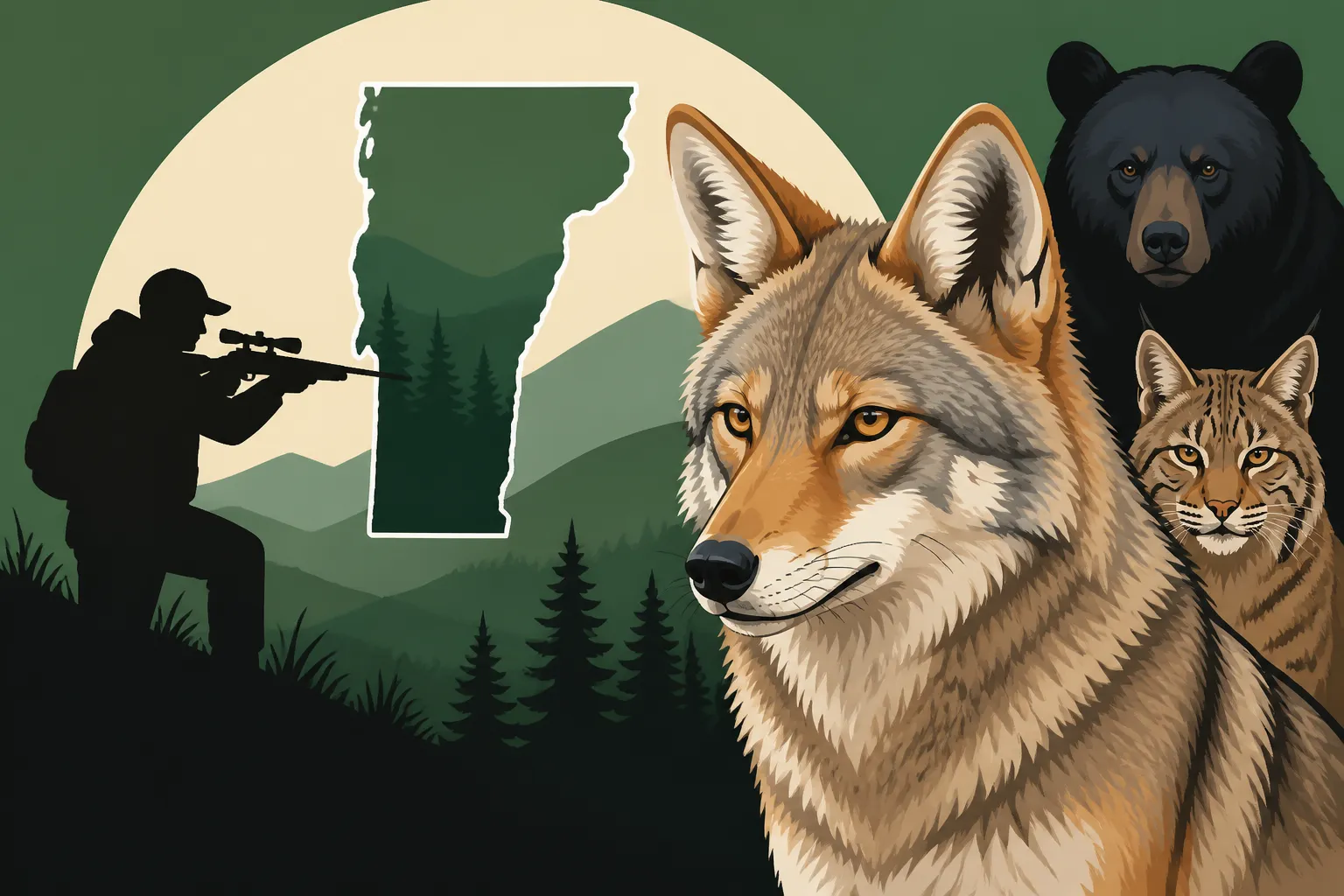
Vermont is a wild place, and it's home to a diverse array of predators that play crucial roles in our ecosystem. From the cunning Eastern coyote to the elusive bobcat and the stealthy fisher, these animals help shape the health and balance of our woods and fields. Their presence is a sign of a vibrant, healthy environment, but it also presents unique challenges for hunters, farmers, and even pet owners. Understanding who these predators are, where they come from, and how they operate is the first step in appreciating their place in the Green Mountain State.
The Elusive Eastern Coyote: Their History and Spread
The Eastern coyote (Canis latrans var.) is perhaps Vermont's most talked-about and often controversial predator. Unlike their smaller, western cousins, these coyotes are often larger, a trait attributed to hybridization with wolves as they expanded eastward into vacant niches left by extirpated wolves. They arrived in Vermont relatively recently, establishing a foothold in the mid-20th century, and have since spread throughout the entire state. Their adaptability is truly remarkable; they thrive in dense forests, agricultural landscapes, and even suburban fringes, making them a constant presence in nearly every corner of Vermont.
Their spread was quite rapid, filling an ecological void that had been empty for decades. Early Vermont settlers eliminated gray wolves and mountain lions, the historical apex predators, leaving a gap that coyotes were perfectly poised to fill. They are incredibly intelligent animals, capable of learning and adapting quickly to human activity, which contributes to both their success and their elusiveness. For hunters, particularly those focused on deer and turkey, the coyote's presence is a significant factor in game populations, often leading to frustrations about fawn and poult survival. This widespread presence means that wherever you are in Vermont, from the Champlain Valley to the Northeast Kingdom, understanding coyote behavior is key to understanding the broader wildlife picture.
Vermont's Recovering Bobcat Population: A Success Story
While coyotes draw a lot of attention, Vermont is also home to other fascinating predators, including the bobcat (Lynx rufus). Unlike the coyote, which is a relatively new arrival, bobcats are native to Vermont and have seen a remarkable recovery in recent decades. For a long time, unregulated trapping and habitat loss took a significant toll on their numbers. However, with improved conservation efforts, stricter regulations on trapping, and a resurgence of suitable habitat, these beautiful felines have made an impressive comeback.
Vermont's bobcat population trends show a positive trajectory, a testament to effective wildlife management. You'll find them primarily in heavily forested areas, particularly those with dense undergrowth, rocky outcrops, and swamps—places where they can effectively stalk their prey and find secure den sites. They are ambush predators, relying on stealth and explosive speed to catch rabbits, squirrels, grouse, and even young deer. Seeing a bobcat in the wild is a rare and thrilling experience for any outdoors enthusiast, a truly special moment that reminds us of the wild heart of Vermont. Their presence indicates a healthy, diverse ecosystem, and their management is a carefully balanced act to ensure their continued thriving without undue impact on other species.
The Stealthy Fisher and Other Furbearers
Beyond coyotes and bobcats, Vermont's forests are home to a variety of other furbearers that also act as predators, often playing a more specialized role. The fisher (Pekania pennanti), a member of the weasel family, is a perfect example. These incredibly agile and powerful animals are known for their ability to hunt porcupines, a feat few other predators can accomplish. They also prey on squirrels, rabbits, mice, and even small birds, making them an important component of forest health. Like bobcats, fishers were once rare in Vermont but have also seen a strong recovery thanks to reintroduction efforts and sound management.
Other furbearers like mink, ermine (short-tailed weasel), and even red fox also contribute to the predator landscape. While generally smaller and less impactful on big game populations than coyotes or bears, they are vital for controlling rodent and small mammal numbers. Mink, for instance, are semi-aquatic predators, excellent at hunting muskrats, frogs, and fish along Vermont's waterways. Understanding the diversity of these smaller predators helps complete the picture of how our ecosystem functions, and for those interested in Trapping Vermont Furbearers, knowledge of their habits and habitats is crucial. Each of these animals contributes in its own unique way to the intricate web of life in Vermont.
The Eastern Coyote: Vermont's Apex Small Predator
Let's really dig into the Eastern coyote, because they are undeniably a dominant force in Vermont's predator landscape, often stirring up strong opinions among those who spend time in the woods. Their success can be attributed to their incredible adaptability, intelligence, and a diverse diet that allows them to thrive in varied environments. While fascinating creatures, their impact on game species is a constant topic of discussion among hunters and wildlife managers alike.
Coyote Diet and Impact on Prey Populations
The Eastern coyote is an opportunistic omnivore, meaning they'll eat just about anything they can get their paws on. Their diet is incredibly varied, shifting with the seasons and the availability of prey. During spring and summer, they might focus on young deer fawns, turkey poults, small mammals like voles and mice, insects, berries, and even apples or other fruits. As fall and winter arrive, their diet often shifts towards deer, especially those weakened by harsh conditions, roadkill, or those injured during hunting season. They are not typically pack hunters in the same way wolves are, but family units will often work together to take down larger prey.
The impact of coyotes on game populations in Vermont is a complex issue, and it's one that frustrates many a deer or turkey hunter. Studies have shown that fawn predation by coyotes can be significant, especially in areas with high coyote densities and low deer populations, or in years where fawns are born late or under poor nutritional conditions. For wild turkeys, coyotes are also known predators of nests and poults, adding another layer of challenge for these ground-nesting birds. This pressure can be particularly acute in certain areas, potentially leading to lower recruitment rates for both deer and turkey. While coyotes don't typically wipe out entire populations, they certainly act as a limiting factor, and their presence is always something to consider when you're thinking about the overall health and numbers of game in your hunting spot. The constant challenge of managing game populations in the face of effective predators like coyotes is a reality for wildlife biologists and hunters in Vermont.
Coyote Behavior and Social Structures
Understanding coyote behavior is key to managing them, whether you're hunting, trapping, or simply trying to coexist. Coyotes are incredibly intelligent and social animals, though their social structure is less rigid than that of wolves. They typically live in family units consisting of a breeding pair and their offspring from the current year, and sometimes yearlings from the previous year. These family groups maintain territories, which they defend from other coyotes, often marking them with scent posts and vocalizations. That haunting howl you hear across a valley isn't just for show; it's a communication tool, announcing their presence and claiming their turf.
They are primarily nocturnal or crepuscular (most active at dawn and dusk), but it's not uncommon to see them during the day, especially if food is scarce or they feel secure. Their senses are incredibly sharp – excellent hearing, a keen sense of smell, and good eyesight, all of which contribute to their effectiveness as predators and their ability to elude detection. When you consider their cunning, their speed, and their ability to adapt to human presence, it’s clear why they are such formidable survivors. Knowing their habits, such as how they use terrain to travel undetected or how they respond to different calls, is absolutely essential for anyone looking to hunt or trap them.
Understanding Their Range and Density Across Vermont
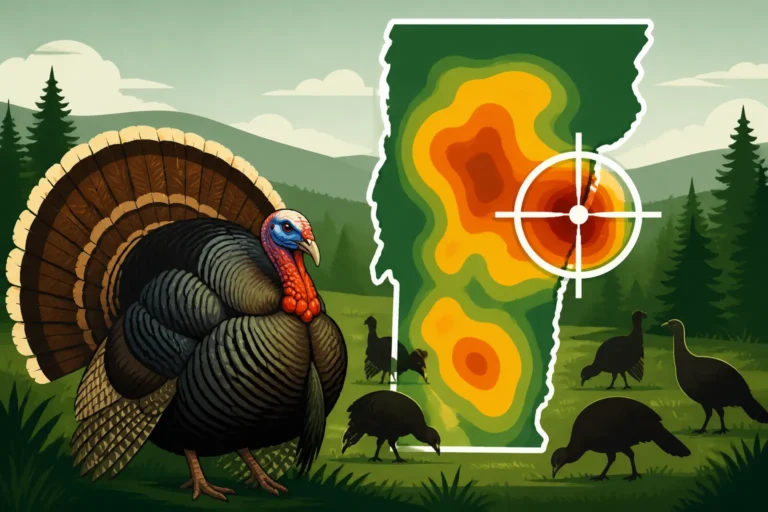
Coyotes are found in all 14 counties of Vermont, from the agricultural fields of the Champlain Valley to the remote, dense forests of the Northeast Kingdom. Their wide distribution is a testament to their adaptability and ability to exploit a variety of habitats and food sources. However, their density can vary significantly depending on the region. Areas with a mosaic of forest, field, and brushy edges often support higher coyote numbers due to the abundance of small game, deer, and cover. Vermont Coyote Range and Density are directly influenced by these habitat characteristics, as well as factors like prey availability and human population density.
In more remote, heavily forested areas, coyote densities might be slightly lower due to fewer agricultural food sources, but they are still very much present. Conversely, areas near human settlements can sometimes see higher coyote activity, as they learn to exploit human-provided food sources like garbage or pet food, or prey on domestic animals. This ubiquitous presence means that virtually every hunter in Vermont will encounter coyote sign or hear their calls at some point during the season. Understanding these regional variations in density can help hunters and landowners target their efforts more effectively, whether it's through calling, trapping, or habitat management.
Hunting and Trapping Coyotes in Vermont
For many Vermont hunters and landowners, managing coyote populations is not just a recreational pursuit but often a necessary step to protect game populations or livestock. It can be a frustrating endeavor, as coyotes are notoriously smart and resilient. However, with the right knowledge, techniques, and persistence, it's possible to be successful.
Effective Coyote Calling Strategies: From Howls to Distress Calls
Coyote calling is a thrilling and challenging pursuit that requires patience and a good understanding of coyote vocalizations. There are two main types of calls: distress calls and interrogation howls. Distress calls mimic an injured rabbit, fawn, or other small animal, playing on a coyote's predatory instinct. These are often most effective when coyotes are actively hunting or when they are hungry, drawing them in close to investigate a potential meal. For those interested in Coyote Calling Vermont Farm Country, these calls can be deadly effective in open areas where coyotes might be looking for an easy meal.
Interrogation howls, on the other hand, are used to locate coyotes and challenge their territorial instincts. You might start with a lonesome howl to see if any coyotes respond, indicating their presence. If you get a response, you can then switch to challenge howls or even pup distress calls to try and draw them in for a confrontation. When calling, it's crucial to consider the wind direction and set up in a location that offers good visibility and a clear shot lane. Using a quality electronic caller, like those from Foxpro or ICOtec, or even good hand calls from brands like Verminator, can make a huge difference. Remember, coyotes are smart; they'll often circle downwind to try and scent-check the source of the call, so positioning yourself carefully, often with your back to dense cover, is paramount. Success doesn't always come easy, but when a coyote commits to the call and comes trotting in, it's an unforgettable experience.
Night Hunting Rules for Vermont Coyotes: What You Need to Know
Hunting coyotes at night can be an incredibly effective strategy, especially given their largely nocturnal habits. However, it comes with a strict set of regulations in Vermont, and it's absolutely vital to know these rules inside and out before you ever step foot in the woods after dark. Vermont allows night hunting for coyotes and foxes, but there are specific restrictions regarding legal hours, lighting, and weapon choices. For instance, Night Hunting Rules for Vermont Coyotes stipulate that artificial lights can be used, but generally, there are limitations on their intensity or how they can be attached to firearms. Many hunters choose powerful spotlights or headlamps to pick up eye shine, and thermal optics or night vision devices are also growing in popularity, offering a significant advantage in low light conditions.
Safety is always the number one priority. Always be absolutely certain of your target and what lies beyond it. Night hunting requires even greater discipline and awareness than daytime hunting. You also need to be very mindful of private property boundaries and get explicit permission from landowners if you're hunting on private land, especially after dark. Often, landowners are more amenable to coyote hunting requests, especially if they have livestock concerns. Hunting coyotes under the stars adds an entirely new dimension to the sport, demanding a different set of skills and an even deeper respect for the wild.
Running a Trapline for Coyotes: Techniques and Regulations
Trapping coyotes is another highly effective method for population management, often preferred by those who want to target specific areas or remove problem animals. It requires a significant commitment of time, effort, and specialized knowledge, but it can be incredibly rewarding. Vermont has specific regulations regarding trapping seasons, trap types, and setback distances from public areas, which need to be thoroughly understood. Trapping Vermont Furbearers is a skill passed down through generations, and it demands respect for the animals and the land.
Successful coyote trapping hinges on understanding their travel patterns, habits, and keen senses. Set location is paramount, often focusing on natural funnels, pinch points, creek crossings, or areas where coyotes are known to travel between feeding and bedding areas. "Dirt hole" sets, "flat sets," and "snare sets" are common techniques, each designed to entice a coyote into the trap using various baits and lures. Using clean, properly handled traps and applying a good coyote-specific lure or urine can make all the difference. For those dedicated to it, running a trapline provides a deep connection to the land and an intimate understanding of the movements of these cunning predators. A successful trapper often observes more about wildlife in a season than many hunters do in a lifetime.
| Method | Primary Objective | Season | Typical Gear | Key Considerations |
|---|---|---|---|---|
| Calling | Attract curious or hungry coyotes | Year-round | Electronic caller, hand calls, rifle/shotgun, camo | Wind direction, setup visibility, patient waiting |
| Still-Hunting | Stalking coyotes in their habitat | Year-round | Rifle/shotgun, binoculars, stealthy movement, camo | Reading sign, silent travel, understanding terrain |
| Trapping | Target specific problem animals | Regulated season | Foothold traps, snares, bait, lure, trap tools | Knowledge of regulations, set location, trap safety |
| Night Hunting | Capitalize on nocturnal activity | Regulated season | Rifle/shotgun, thermal/NV optics, spotlight, camo | Strict rules, target identification, safety first |
Bobcats and Fishers: Unique Vermont Predators
While coyotes might be the most visible and widely discussed predators, Vermont's bobcats and fishers are equally fascinating and ecologically important. Their unique adaptations and hunting styles make them formidable in their own right, and their management presents different challenges and opportunities for conservationists and trappers.
Identifying Bobcat Sign and Habitat
Spotting a bobcat in the wild is a rare treat, but finding their sign can be a more common occurrence for the observant woodsman. Bobcat tracks are distinctive: typically 2-3 inches long, rounder than a coyote or dog track, and crucially, they rarely show claw marks because bobcats retract their claws while walking, just like house cats. You might also find scat, often segmented and containing hair or bone fragments from their prey, typically deposited in visible locations to mark territory. Scrape marks on logs or trees, where they sharpen their claws, can also indicate their presence.
Bobcats prefer dense, cover-rich habitats. Think mixed forests with thick undergrowth, rocky ledges, swamps, and areas with abundant prey like snowshoe hares and grouse. They are often found in areas that offer good ambush cover, allowing them to stalk and pounce on unsuspecting prey. Vermont Bobcat Population Trends show that they are doing particularly well in regions where these types of diverse habitats are prevalent and connected, especially away from major human disturbance. Learning to read the subtle clues they leave behind is a rewarding skill, offering a glimpse into the secretive lives of these beautiful wild cats.
Trapping Vermont Fox and Bobcat Season Rules and Methods
Trapping bobcats and foxes in Vermont is a regulated activity, reflecting their status as valuable furbearers and important components of the ecosystem. Seasons are carefully set by the Vermont Fish and Wildlife Department to ensure sustainable populations. For bobcats, strict quotas and reporting requirements are often in place, and trappers typically must present the animal for a seal to a game warden, allowing biologists to collect valuable data. This careful management is crucial for continuing the positive bobcat population trends we've seen.
Methods for trapping bobcats often involve cubby sets or baited foothold sets placed strategically along travel corridors or near known den sites. Lure and bait choice can be specific, often utilizing musky bobcat glands or a fresh carcass scent to draw them in. For foxes, a dirt hole set or a flat set with gland lure and urine can be very effective. Regardless of the species, successful trapping demands a deep understanding of animal behavior, meticulous attention to detail in set construction, and an unwavering commitment to ethical and humane practices. Trapping provides not only a source of income from furs but also helps to gather vital biological data for wildlife management and, for some, offers a direct way to manage local predator populations on their land.
The Resilient Fisher: Trapping and Management
Fishers are another fascinating furbearer with a strong predatory streak. They are known for their incredible agility and strength, capable of climbing trees with ease and taking down prey much larger than themselves. Their preferred habitat is typically dense, mature coniferous or mixed forests, where they can find plenty of cover and their primary prey, like porcupines, squirrels, and snowshoe hares. The recovery of the Vermont's Recovering Fisher Population is a success story, largely due to reintroduction programs and thoughtful management, including regulated trapping seasons.
Trapping fishers in Vermont follows similar principles to bobcats and foxes, with specific season dates and trap regulations. Box traps or cubby sets, often elevated off the ground to avoid non-target species, are common methods. Baits often include meat scraps, and strong, musky lures are frequently used to attract these curious predators. Like bobcats, harvested fishers often require sealing by a game warden, which helps the state monitor populations and ensure sustainable harvest levels. For trappers, pursuing fishers offers a unique challenge, requiring knowledge of their arboreal habits and preferred forest types, adding another layer to the rich tapestry of Vermont's trapping heritage.
Other Predators and Their Role in the Ecosystem
While coyotes, bobcats, and fishers are significant, they aren't the only predators roaming Vermont. Our ecosystem supports a broader range of species that contribute to the natural balance, from the largest carnivores to winged hunters, each playing a critical role.
Black Bears: The Biggest Predator in the Green Mountains
Vermont's black bear (Ursus americanus) population is robust and growing, making them the largest and, in some ways, most formidable predator in the state. While often thought of as omnivores whose diet heavily relies on berries, nuts, and vegetation, black bears are indeed opportunistic predators. They will readily prey on deer fawns, moose calves, and even small game if the opportunity arises, especially in the spring when other food sources are scarce. They are also known to raid turkey nests and consume eggs. Their sheer size and strength mean that a bear can have a significant localized impact on prey populations.
You'll find black bears throughout Vermont, particularly in heavily forested areas of the Green Mountains and the Northeast Kingdom. Vermont Bear Population Estimate shows a healthy population, and encountering a bear, while rare for many, is a real possibility in much of Vermont's wild country. For hunters, knowing that a bear might be in the area, especially when Hunting Bear Through the Long September Season, can influence tactics and awareness. While we don't typically "hunt" bears to control deer predation, their presence is an undeniable part of the predator landscape, and understanding their habits is crucial for anyone spending time in the woods.
Raptors and Avian Predators: Hawks and Owls
Beyond mammals, the skies above Vermont are patrolled by a host of impressive avian predators. Hawks, falcons, and owls play a vital role in controlling populations of small mammals, birds, and even some reptiles. Red-tailed hawks are a common sight, soaring high above fields and woodlands, their keen eyesight scanning for voles, mice, and rabbits. Cooper's hawks and goshawks, known for their incredible agility, specialize in hunting birds in denser forests.
Owls, particularly great horned owls and barred owls, take over the night shift. Great horned owls are incredibly powerful predators, capable of taking down skunks, rabbits, and even other birds of prey. Barred owls, with their distinctive "Who cooks for you?" call, often hunt along forest edges and near water, preying on small mammals, amphibians, and insects. These winged hunters are often unsung heroes of pest control, and their healthy populations are an indicator of a balanced ecosystem. While not directly competing with hunters for big game, they are a constant force in the food web, subtly influencing the availability of smaller game animals.
Managing Conflicts with Predators: Livestock and Pets
The presence of predators, especially coyotes and bears, sometimes leads to direct conflicts with human interests, particularly for farmers and pet owners. Losing livestock to a coyote or having a bear raid a beehive or chicken coop is a very real and frustrating experience for Vermonters. This is where active management and preventative measures become crucial. For livestock, options include robust fencing (electric fencing is often effective), guard animals (dogs, donkeys, llamas), and secure night enclosures. Regular checks of livestock and immediate removal of deceased animals can also help, as scavengers can attract predators.
For pet owners, especially those living near wooded areas, keeping cats indoors and supervising dogs, especially at dawn, dusk, and night, is essential. Coyotes can view small dogs as prey or competitors, and an unleashed dog can easily stumble into a dangerous encounter with a bear. These conflicts underscore the need for a realistic approach to living with wildlife in Vermont. While the state offers some assistance and resources for dealing with problem predators, prevention is always the best medicine. Understanding the natural instincts of these animals helps us reduce the chances of these unfortunate encounters.
Conservation and Management of Vermont's Predators
Managing predator populations in Vermont is a balancing act, requiring careful scientific assessment, adherence to regulations, and public input. The goal is to maintain healthy ecosystems, support viable wildlife populations, and address the concerns of various stakeholders, including hunters, farmers, and conservationists. It's not always easy, but it's essential work.
Vermont's Predator Monitoring Programs
The Vermont Fish and Wildlife Department (VFWD) continuously monitors predator populations through a variety of methods. For species like coyotes, bobcats, and fishers, this often involves analyzing harvest data from hunting and trapping seasons, collecting biological samples (such as teeth for age determination), and using scent stations or trail cameras to estimate population trends and densities. They also track citizen sightings and reports, which contribute valuable anecdotal data to their scientific surveys. For bears, monitoring includes den visits, marking and tracking individuals, and population modeling based on harvest data.
These monitoring programs are absolutely critical. They provide the VFWD with the scientific data needed to make informed decisions about seasons, bag limits, and overall management strategies. Without this ongoing research, it would be impossible to ensure that predator populations remain healthy and sustainable, while also addressing their impacts on other game species and human interests. The VFWD often collaborates with university researchers and non-profit organizations to expand the scope and accuracy of these monitoring efforts, ensuring that Vermont's wildlife remains well-managed.
The Role of Hunters and Trappers in Predator Management
Hunters and trappers play a significant, if sometimes controversial, role in predator management in Vermont. By participating in regulated seasons, they help control populations of species like coyotes, providing a direct mechanism for reducing pressure on deer, turkey, and other small game. For many deer hunters, reducing coyote numbers is seen as a way to boost fawn survival and improve local deer herd health, an argument often made when discussing Vermont Deer Herd Size and management.
Beyond direct population reduction, hunters and trappers contribute valuable data to the VFWD. Mandatory reporting of harvests, submission of biological samples (like bear teeth or bobcat pelts for sealing), and general observations from the field provide critical information that informs management decisions. This partnership between the state and its licensed outdoorsmen and women is a cornerstone of Vermont's conservation model. It ensures that management is not just theoretical but grounded in real-world observations and practices. Furthermore, the fees from hunting and trapping licenses directly fund wildlife conservation efforts, making participants vital contributors to the overall health of Vermont's wildlife.
Debates and Challenges in Predator Conservation
Predator conservation is rarely without its debates and challenges. There's a wide spectrum of opinions, from those who advocate for hands-off, purely ecological management to those who believe in aggressive population control, especially when predators impact game species or livestock. The Eastern coyote, in particular, often sits at the center of these discussions due to its widespread presence and perceived impact on deer.
One significant challenge is effectively communicating the science behind predator management to a diverse public. Explaining why, for example, eliminating all coyotes isn't feasible or necessarily beneficial for the ecosystem, or how compensatory mortality works, can be difficult. Another challenge is balancing the needs of different user groups – the hunter who wants more deer, the farmer who wants to protect their animals, and the wildlife enthusiast who simply appreciates the presence of wild predators. Vermont's management approach strives for this balance, using sound science to guide decisions while also acknowledging the varied perspectives of its citizens. The ongoing dialogue and adaptive management strategies are crucial for navigating these complex issues and ensuring a future where Vermont's diverse wildlife, including its predators, can thrive.
Disclaimer
Please note: Hunting and trapping regulations are subject to change. Always consult the most current Vermont Fish and Wildlife Department regulations before engaging in any hunting or trapping activities. Safety should always be your top priority in the field.