How Fish and Wildlife Counts the Deer Herd
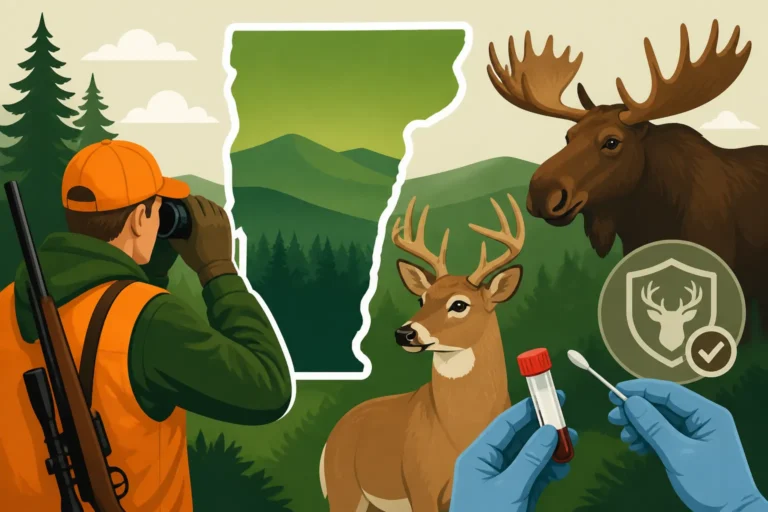
It's easy to wonder, when you're sitting in your stand or tracking a fresh set of prints in the snow, just how exactly the Vermont Fish and Wildlife Department knows how many deer are out there. It can feel like an impossible task, trying to get a handle on a wild population spread across mountains, valleys, and forests. But believe it or not, there's a robust system in place to gather the data that ultimately shapes our hunting seasons and ensures a healthy, sustainable herd for generations to come. This guide will pull back the curtain on the methods used to estimate Vermont's deer population, showing you how science, hunter participation, and good old-fashioned fieldwork combine to keep our whitetails thriving.
Why Deer Population Data Matters More Than You Think
Before we dive into the nitty-gritty of counting, it's crucial to understand why this information is so vital. It's not just about setting bag limits; it’s about maintaining ecological balance, supporting forest health, and ensuring a vibrant hunting tradition for all of us who cherish it. Without sound population data, deer management would be little more than guesswork, leading to boom-and-bust cycles that benefit no one.
Balancing the Ecosystem
Deer are an integral part of Vermont's ecosystem. When their numbers get too high, they can overbrowse forest understories, impacting plant diversity and the habitat for other wildlife, including songbirds and small mammals. Conversely, if deer numbers dip too low, it can affect predator populations and reduce hunting opportunities. Wildlife biologists constantly strive for a balance where the deer population is healthy, resilient, and in harmony with its environment. This delicate dance requires accurate estimates of how many deer are in a given area, allowing the department to make informed decisions about antlerless permits and season structures. Understanding this balance is key to responsible management, and it's a topic often discussed when considering the overall Vermont Deer Population Estimate.
Guiding Hunting Regulations
For us hunters, population data directly translates into the rules we follow each season. When biologists have a good handle on herd health and density, they can determine how many antlerless permits to issue, whether to open an October muzzleloader antlerless window, or if changes are needed in zones like the Northeast Kingdom versus the Champlain Valley. These decisions are not arbitrary; they are the result of careful analysis of multiple data points, all aimed at achieving specific management objectives for each Wildlife Management Unit (WMU). It's a complex puzzle, but every piece of information helps the department ensure that our hunting opportunities are sustainable and that we're helping to maintain a healthy herd, rather than depleting it or allowing it to overgrow its habitat.
The Science Behind the Estimates: Vermont's Approach
So, how do they actually do it? It's not like they're flying around counting every deer with binoculars. Instead, Vermont Fish and Wildlife employs a multi-faceted approach, combining direct observations with statistical modeling, heavily relying on the data provided by hunters themselves. This comprehensive strategy allows them to track trends and make educated estimates rather than attempting an impossible exact count.
Harvest Data and Hunter Reporting
This is arguably the single most important piece of the puzzle. Every deer harvested in Vermont, whether it's an antlered buck during Vermont Rifle Season Dates or an antlerless deer taken during Vermont's New Archery-During-Rifle Overlap Rule, must be reported. This mandatory reporting provides a wealth of information. When you report your deer, you provide the date, location (often down to the WMU), and sex of the animal. This data, compiled year after year, allows biologists to track harvest trends, see where pressure is highest, and identify areas where deer numbers might be increasing or decreasing.
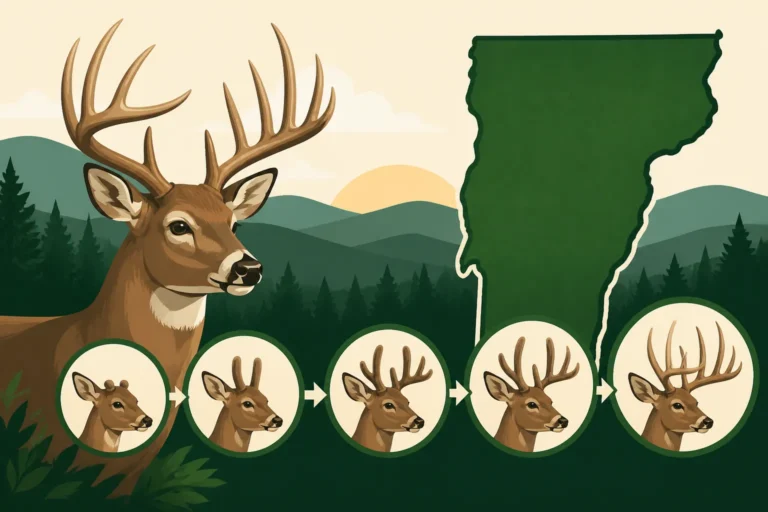
Beyond the basic reporting, voluntary biological check stations and sometimes mandatory checks on specific weekends gather even more crucial data. Here, biologists can determine the age of the deer by examining teeth, check for lactation in does (indicating successful fawn rearing), and measure antler characteristics in bucks. This provides a snapshot of the herd's age structure, health, and reproductive success. For example, a high proportion of yearling bucks often suggests a younger, growing herd, while older bucks might indicate less hunting pressure or a more mature population. Knowing these figures is crucial for understanding the overall Vermont Annual Deer Harvest and making future predictions.
Winter Severity Index and Roadkill Data
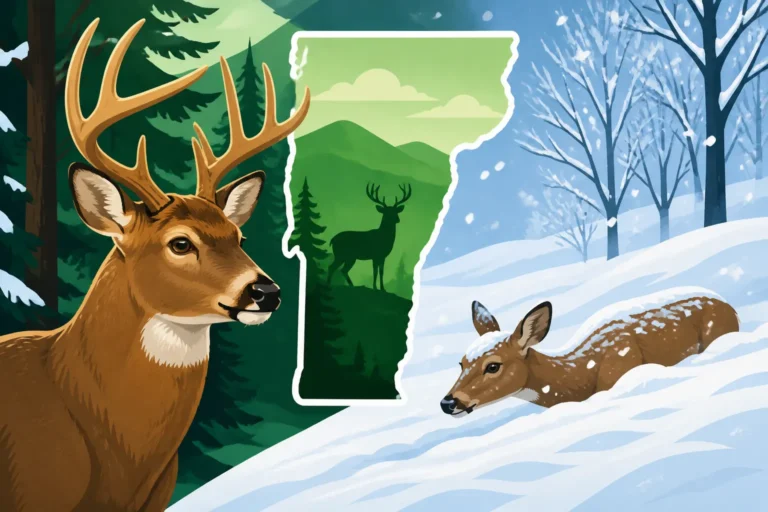
Deer face significant challenges beyond hunting pressure, especially in a state like Vermont. The Winter Severity Index (WSI) is a critical tool that tracks how harsh the winter conditions are. Deep snow and prolonged cold temperatures can lead to significant winter mortality, particularly among fawns and older deer. Biologists monitor snow depths and temperatures in specific "deer yards" or wintering areas. A severe winter can mean a lower fawn recruitment the following spring, and thus a smaller population going into the next hunting season.
Another often overlooked data point is roadkill. While tragic, the number of deer killed in vehicle collisions provides valuable insight into localized deer densities and movement patterns. High numbers of deer-vehicle collisions in certain areas can suggest a higher deer population in those specific corridors. This information, along with other observations like Vermont Deer Vehicle Collisions, helps to fill in gaps that harvest data alone might miss, offering clues about deer presence outside of traditional hunting zones or during non-hunting periods.
Citizen Science and Field Observations
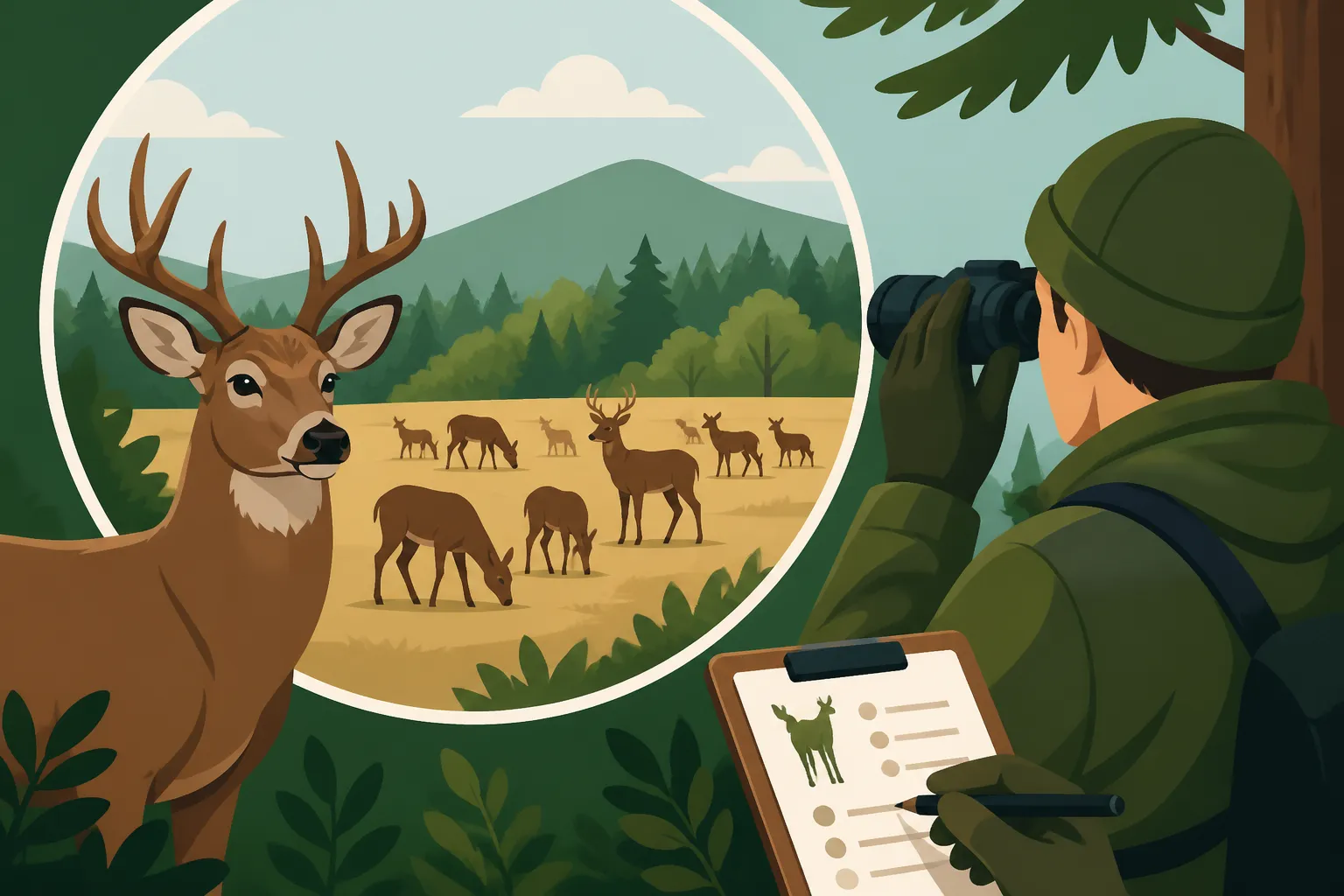
Vermont Fish and Wildlife also relies on observations from the public and their own field staff. This "citizen science" can be invaluable. Think about those winter drives where you see a dozen deer feeding in a field – those sightings, when reported, contribute to the broader understanding of deer distribution and activity. Department staff conduct their own field surveys, looking for deer sign, assessing habitat conditions, and observing deer directly. While not providing exact numbers, these observations offer context and help ground-truth the data collected through other means. It's about building a mosaic of information, where each piece adds to the overall picture.
Piecing It All Together: From Raw Data to Management Decisions
Gathering all this disparate data is one thing; making sense of it and translating it into actionable management plans is another entirely. Biologists use sophisticated models and statistical analyses to interpret the data, focusing on population trends and health indicators rather than attempting a precise head count. This process allows them to develop recommendations that ensure a healthy herd and sustainable hunting.
Calculating Population Estimates Through Trends
Instead of counting every single deer, which is practically impossible, biologists focus on trends and indices of population change. They use methods like harvest rate models, sex-age-kill models, and recruitment rates (how many fawns survive to adulthood) to estimate population dynamics. For example, by tracking the ratio of harvested does to bucks, and knowing the typical fawn production rates, they can estimate population growth or decline. These models factor in annual harvest data, the Winter Severity Index, and biological data from deer check stations.
Imagine a spreadsheet where each year's harvest numbers, age data, and winter conditions are entered. Over time, patterns emerge, allowing biologists to project how many deer are likely present and how the population is changing. They might look at the Vermont Buck Age Structure from check station data to understand how many mature deer are in the population. Tools like GoHunt can help hunters visualize these trends and harvest data in specific WMUs, making it easier to understand the management context. These aren't exact counts, but rather highly informed, scientifically derived estimates that guide management.
The Role of Wildlife Management Units (WMUs)
Vermont is divided into numerous Wildlife Management Units (WMUs), and this is where the localized data really shines. Deer populations can vary drastically even within a relatively small geographic area due to habitat differences, hunting pressure, and winter conditions. What works for deer management in the Champlain Valley might be completely inappropriate for the Green Mountains high country. Therefore, data is collected and analyzed at the WMU level, allowing for targeted management decisions.
For example, if one WMU shows a consistently high proportion of does in the harvest and evidence of overbrowsing, the department might increase antlerless permit allocations for that specific area. Conversely, if another WMU shows declining buck harvest numbers and poor fawn recruitment, antlerless permits might be reduced or eliminated to allow the population to recover. Understanding the nuances of Deer Density by Vermont Region is paramount, and WMUs are the granular way to apply management. This focused approach ensures that management actions are tailored to the specific needs of the local deer herd and its habitat.
Hunter Input and Public Meetings
While scientific data forms the backbone of deer management, the human element is also crucial. Vermont Fish and Wildlife often holds public meetings and solicits feedback from hunters, landowners, and other interested parties. Your observations from the field – what you're seeing (or not seeing) – provide valuable qualitative data that can sometimes highlight trends or issues that the numbers alone might not immediately reveal.
This public input helps wildlife managers balance biological objectives with social acceptance. After all, managing deer isn't just about the deer; it's also about managing human expectations and ensuring public support for conservation efforts. It's a collaborative process, and your voice as a hunter is an important part of the conversation.
Your Role in the Equation: Every Hunter's Contribution
As hunters, we are more than just participants in a recreational activity; we are active partners in wildlife management. The data we provide, the observations we make, and the ethical choices we employ in the field directly contribute to the department's ability to maintain a healthy and robust deer population.
Mandatory Reporting: It’s More Than Just a Chore
The requirement to report your deer isn't just a bureaucratic formality; it's the foundation of Vermont's deer management system. Every single piece of information you provide when you register your deer feeds into those complex models and helps paint a clearer picture of the herd. Without accurate and timely reporting, the entire system would suffer.
So, when you tag that buck or doe this fall, take a moment to ensure you're providing all the required information. Whether you're reporting it online or through the Vermont Fish and Wildlife App, know that you're contributing to the long-term health of the deer herd and the future of hunting in Vermont. Missing The Vermont Deer Reporting Deadline can impact the accuracy of the overall dataset. This critical data also informs decisions regarding programs like Vermont's Dual Antlerless Permit Rule.
Beyond the Harvest: Field Observations
Even when you don't fill a tag, your time in the woods provides valuable insights. Pay attention to what you're seeing:
- Fawn Sightings: Are you seeing many fawns with does? This indicates good reproductive success.
- Deer Health: Do the deer you observe look healthy? Are they of good body weight for the time of year?
- Antler Quality: What does the antler growth look like on the bucks you encounter?
- Habitat Use: Are deer utilizing certain food sources or cover types more than others?
These observations might seem minor, but collectively, they can contribute to the understanding of local deer populations. Programs might occasionally ask for voluntary surveys or feedback, and participating in these can be another way to share your boots-on-the-ground knowledge. When you are Scouting Vermont Public Land Before Season, use apps like GoHunt to log your sightings and share notes with hunting partners – these informal observations build a deeper collective understanding.
Ethical Hunting and Conservation
Ultimately, participating in the managed harvest of deer is one of the most direct and impactful ways to contribute to conservation. By following regulations, respecting bag limits, and making ethical choices in the field, you help ensure that Vermont's deer population remains strong and resilient. The very act of hunting, when done responsibly, is a powerful tool for wildlife management, helping to balance populations and prevent issues like overbrowsing or disease outbreaks.
The next time you head out for Muzzleloader Deer Hunting in Vermont or any other season, remember that you are an active part of a much larger system. The health of Vermont's deer herd relies not just on the biologists crunching numbers, but on every single one of us who steps into the woods. Our shared passion for hunting and commitment to conservation are what keep Vermont's wild traditions alive and well.
Disclaimer
This article is for general informational purposes only and does not constitute professional advice. Laws, prices and regulations vary by location and change over time. Consult a qualified professional for guidance on your specific situation.