Vermont Marten Trapping Season
For those of us who love the woods and the rhythm of the seasons, the thought of setting a trapline in Vermont brings a unique kind of satisfaction. There’s a quiet challenge to it, an understanding of the landscape and the animals that call it home. But when it comes to certain furbearers, like the elusive American marten, the reality of their conservation status often overrides the trapper's ambition. This guide will walk you through the current situation regarding marten trapping in Vermont, why it is what it is, and what opportunities exist for responsible furbearer management here in the Green Mountain State.
The Elusive American Marten in Vermont
When you picture a marten, you might imagine a sleek, agile creature with rich, dark fur, darting through old-growth forests. They're undeniably captivating, and for many, the idea of pursuing such a beautiful animal for its pelt is a draw. However, the story of the American marten in Vermont is one of both historical presence and a long, hard struggle for recovery.
Historical Presence and Decline
Historically, American martens were a natural part of Vermont's rich forest ecosystem. They roamed the mature coniferous and mixed hardwood forests, perfectly adapted to hunting small mammals and birds among the dense cover and rocky outcrops. For early trappers and settlers, their valuable pelts were highly sought after, contributing to the burgeoning fur trade. This intense pressure, coupled with widespread deforestation in the 18th and 19th centuries that reshaped vast swathes of Vermont's prime marten habitat, led to a significant and heartbreaking decline in their numbers.
It's easy to look back and lament the past, especially when we think about how many of these animals once thrived here. Trappers of old didn't have the scientific understanding of population dynamics we possess today, and the focus was often on immediate harvest. The loss of vast, unbroken tracts of mature forest, essential for marten survival and denning, simply compounded the problem, pushing these incredible creatures to the brink of extirpation in much of the state.
Current Status and Protection
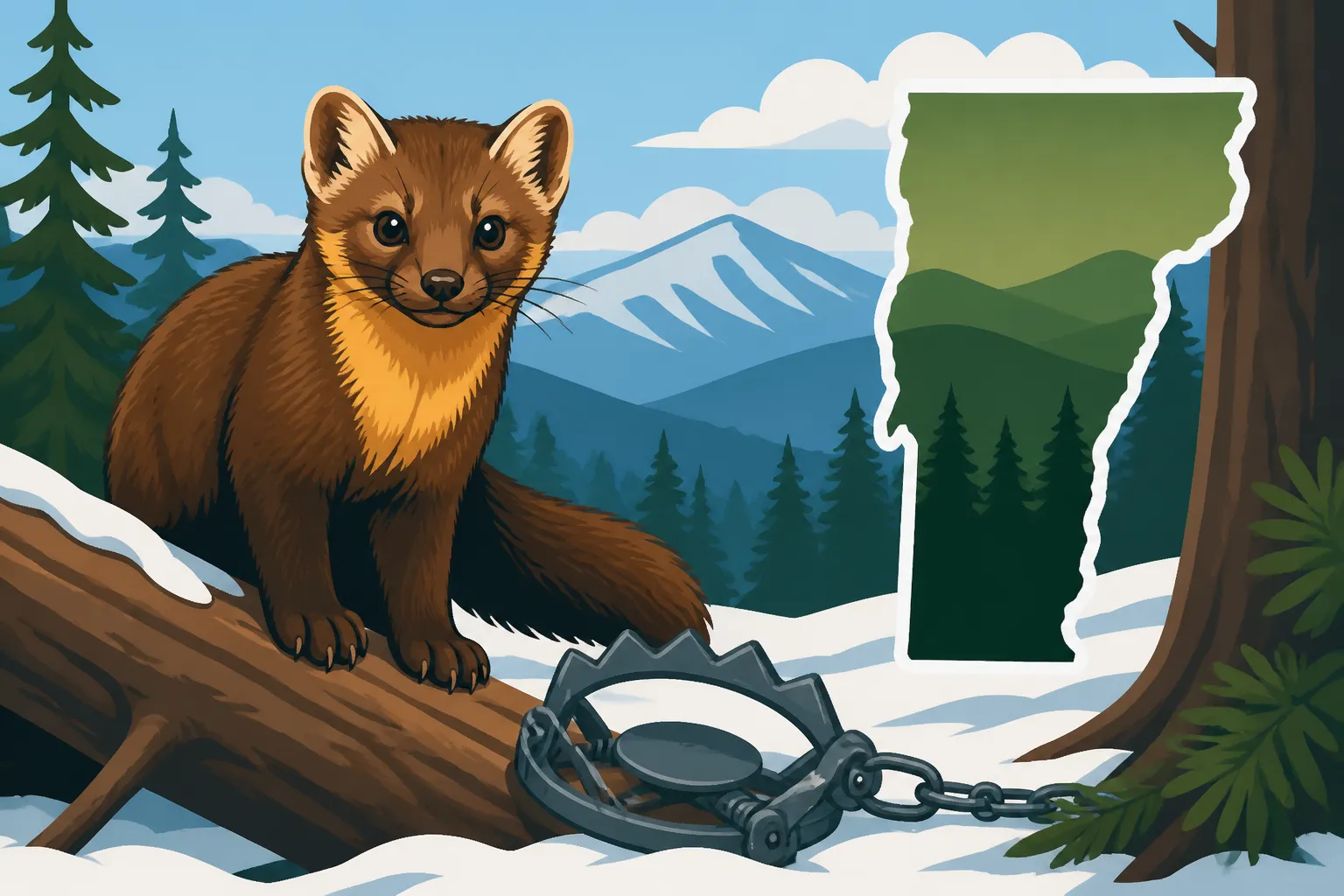
Today, the situation is markedly different. The American marten is considered an endangered species in Vermont, afforded full protection under state law. This means that, unlike species like fox, beaver, or coyote, there is no open trapping season for marten. Any taking of a marten, intentional or otherwise, is illegal and carries significant penalties. This isn't just a bureaucratic decision; it's a reflection of their precarious population levels and the ongoing efforts to help them re-establish a foothold in their historical range.
The Vermont Fish & Wildlife Department, along with conservation partners, has been diligently working on habitat restoration and monitoring efforts. There have been some exciting reintroduction projects and documented sightings in recent decades, particularly in the most remote, high-elevation areas of the Green Mountains and the Northeast Kingdom. For a dedicated trapper, this can be a tough pill to swallow – the desire to engage with all native furbearers is strong. However, understanding that their protection is paramount for their long-term survival helps us appreciate the bigger picture. Instead of setting traps for marten, trappers in Vermont are encouraged to focus their efforts on more abundant furbearer species, while still being aware of marten presence and actively avoiding any areas where they might occur. This vigilance is crucial for their continued recovery.
Understanding Vermont's Furbearer Management
Vermont's approach to wildlife, especially furbearers, is rooted deeply in scientific management and public input. It’s not about arbitrary rules; it’s about balancing ecological health, recreational opportunities, and economic impacts. Understanding this framework helps us grasp why certain species, like the marten, are off-limits, while others have robust trapping seasons.
How Seasons and Regulations Are Established
The process of setting trapping seasons and regulations in Vermont is quite rigorous, driven by the Vermont Fish & Wildlife Department's team of biologists and wildlife managers. They're constantly out in the field, collecting data on furbearer populations – things like harvest numbers, population estimates, habitat assessments, and reproductive success. For species like beaver or muskrat, where populations might fluctuate or even cause nuisance issues, they might adjust season lengths or bag limits. For others, like the fisher, which has seen a remarkable comeback, seasons can be carefully reopened or expanded when data supports a healthy, sustainable population.
This scientific approach means that decisions are based on the best available information, not just tradition or anecdotal evidence. There's also a critical public input component. Before any significant changes are made to regulations, proposals are shared, and the public has opportunities to comment, ask questions, and voice concerns. Trappers, landowners, and conservationists all get a seat at the table, ensuring a well-rounded perspective. This democratic process helps ensure that when a species like the marten is deemed protected, it's not a decision taken lightly, but one backed by extensive research and shared community values. Staying informed, perhaps by utilizing a tool like GoHunt to review current regulations or track proposals, is key for any serious trapper.
The Importance of Conservation for All Species
The protection of the American marten isn't an isolated incident; it's a shining example of Vermont's broader commitment to conservation for all species. Sustainable furbearer management is about ensuring healthy populations thrive for generations to come, not just for today's harvest. This philosophy extends to every furbearer we interact with. For instance, while we have seasons for species like coyote and fox, the goal isn't eradication, but rather managing populations in a way that respects their ecological role while also mitigating conflicts with human interests or livestock.
This approach also emphasizes habitat protection. Marten need those dense, mature forests, and beaver need healthy wetland ecosystems. By protecting and restoring these habitats, we're not just helping one species; we're creating a more resilient ecosystem for countless others. Trappers themselves play a vital role in this. By adhering to regulations, practicing humane trapping methods, and reporting any unusual observations or accidental captures, they become integral partners in conservation. The future of Vermont's diverse wildlife, from the smallest shrew to the largest moose, depends on this collective stewardship. Vermont's Recovering Fisher Population is a great example of successful conservation.
Trapping Other Vermont Furbearers
While the American marten is off-limits, Vermont offers a wealth of opportunities for the dedicated and responsible trapper to pursue other furbearers. This is where your skills, knowledge of the land, and understanding of animal behavior truly come into play. There’s a certain satisfaction that comes from a successful trapline, knowing you’ve ethically harvested a resource and contributed to responsible wildlife management.
Common Trapping Opportunities
Vermont's diverse habitats support a robust population of various furbearer species, providing ample opportunity for those looking to get out on the trapline. When you can't pursue marten, you can certainly shift your focus to species that are currently thriving and have open seasons. You'll find strong populations of beaver and muskrat in our many waterways, from small streams to the vast expanses of Lake Champlain. Their seasons often run through the colder months, making for some chilly but rewarding days. Mink, often found along the same watercourses as beaver and muskrat, offer another challenge, requiring keen observation skills to identify their travel routes.
On the terrestrial side, coyotes and foxes are prevalent across the state, from farmlands to deep woods. Their seasons are typically longer, often stretching into the late winter, allowing for various trapping methods. For a more intense challenge, bobcat and fisher seasons are typically shorter and more restricted, often in late fall and early winter, reflecting the careful management of these recovering populations. Raccoons and skunks, being more adaptable, offer opportunities in a wider range of habitats, often closer to human activity. Each species presents its own set of challenges and rewards, making a trapper's season diverse and engaging. Vermont Small Game and Furbearers provides an excellent overview of all the species you can pursue.
Essential Gear and Techniques for Responsible Trapping
Responsible trapping isn't just about catching an animal; it's about doing so ethically, safely, and in accordance with all regulations. Choosing the right gear is fundamental. For water sets, body-gripping traps like Conibears are highly effective for beaver and muskrat, but they must be properly sized and set to ensure quick, humane dispatch. Foothold traps are versatile for land-dwelling furbearers like fox and coyote, but require careful bedding, camouflage, and the use of drags or stabilizers to ensure the animal cannot escape and is held securely until you arrive. Live traps are an option in some areas or for specific situations, but you must be aware of regulations regarding their use and relocation.
No matter the trap type, diligence is paramount. Vermont regulations require frequent trap checks, ensuring any captured animal is dealt with as quickly and humanely as possible. Scent control is critical, especially for wary canids, meaning clean gloves and careful handling of traps and baits. Understanding animal behavior – their travel patterns, feeding habits, and denning sites – is what separates a novice from a seasoned trapper. This often means extensive preseason scouting, much like a hunter would for deer or moose, to identify prime locations. A great tool like GoHunt can help you scout and understand the lay of the land, marking potential sets and property lines, which is crucial for ethical and legal trapping. Always consult the current Vermont Furbearer Regulations for specific trap types, sizes, and setting requirements, as these can change.
Here’s a quick overview of some common Vermont furbearers and their general trapping characteristics:
| Furbearer Species | Typical Season Window | Primary Habitat | Common Trap Types |
|---|---|---|---|
| Beaver | Late Fall – Spring | Streams, Ponds, Wetlands | Conibear, Foothold |
| Muskrat | Late Fall – Spring | Marshes, Ponds, Rivers | Conibear, Snare, Foothold |
| Mink | Late Fall – Winter | Stream banks, Wet areas | Conibear, Foothold |
| Fox (Red/Gray) | Late Fall – Winter | Farmland, Forests, Edges | Foothold, Snare |
| Coyote | Late Fall – Winter | Open country, Forests, Farms | Foothold, Snare |
| Fisher | Short Fall Window | Dense Forests, Mixed Woods | Conibear, Foothold |
| Bobcat | Short Fall/Early Winter | Dense Forests, Rocky Areas | Foothold, Snare |
| Raccoon | Late Fall – Winter | Woods, Farms, Urban edges | Foothold, Box, Cage |
| Skunk | Late Fall – Winter | Farms, Woods, Urban edges | Cage, Foothold |
Remember, specific dates and regulations for Vermont Fox and Bobcat Trapping Season or Vermont Beaver Population and Damage can vary year to year, so always check the official Vermont Fish & Wildlife regulations.
Educating Yourself as a Vermont Trapper
Becoming a responsible and effective trapper in Vermont is a continuous journey of learning. It's not just about knowing where to set a trap, but understanding the intricate web of wildlife management, ethics, and legal requirements. Just like with hunting, education is the bedrock of responsible participation.
Trapper Education Requirements
If you're new to trapping in Vermont, or even if you're an experienced trapper from another state, you'll find that completing a mandatory trapper education course is a prerequisite for obtaining your license. This isn't just a hoop to jump through; it's an invaluable opportunity to learn the ropes from seasoned instructors who understand Vermont's unique environment and regulations. These courses cover a broad spectrum of critical topics: trapping ethics, furbearer identification (crucial for distinguishing protected species like marten from legal ones), trap types and safe handling, humane dispatch methods, pelt preparation, and, of course, a deep dive into Vermont's specific laws and regulations.
The importance of this education cannot be overstated. It's where you learn the nuances of responsible trap placement to avoid non-target catches, how to properly secure your traps, and the legal requirements for trap tags and checking frequency. Knowing what not to trap – specifically the American marten – is as vital as knowing what to trap. These courses provide the foundation for a safe, ethical, and successful trapping career, ensuring you're a responsible steward of Vermont's furbearer resources. You can find more information about this by looking up Vermont Trapping License Requirements.
Resources for Staying Informed
The world of wildlife management is dynamic, and regulations can change. Therefore, staying informed is an ongoing responsibility for every Vermont trapper. Your primary resource should always be the official Vermont Fish & Wildlife Department website. It's updated regularly with the latest regulations, season dates, and important announcements. They also publish a comprehensive annual digest of hunting, trapping, and fishing regulations, which you should carry with you in the field. This little booklet is your Bible out there, and it's essential to read it cover-to-cover every single year.
Beyond official channels, local trapping associations offer incredible value. These groups provide a community for trappers to share knowledge, techniques, and support. They often host workshops, demonstrations, and provide mentorship opportunities that are invaluable for both beginners and experienced individuals. Online resources, forums, and mapping applications like GoHunt can also be powerful tools. GoHunt can help you scout public lands, identify private property boundaries, and even track habitat features that might lead you to productive trap lines. Remember, while modern tools are fantastic, they complement, rather than replace, official regulations and hands-on experience. Staying connected and continuously educating yourself ensures you remain a responsible and effective participant in Vermont's rich trapping tradition. You might also find resources related to Scouting Vermont Public Land Before Season helpful for planning your trap locations.
Disclaimer
This article is for general informational purposes only and does not constitute professional advice. Laws, prices and regulations vary by location and change over time. Consult a qualified professional for guidance on your specific situation.