Best Release Aid for a Treestand Bowhunt
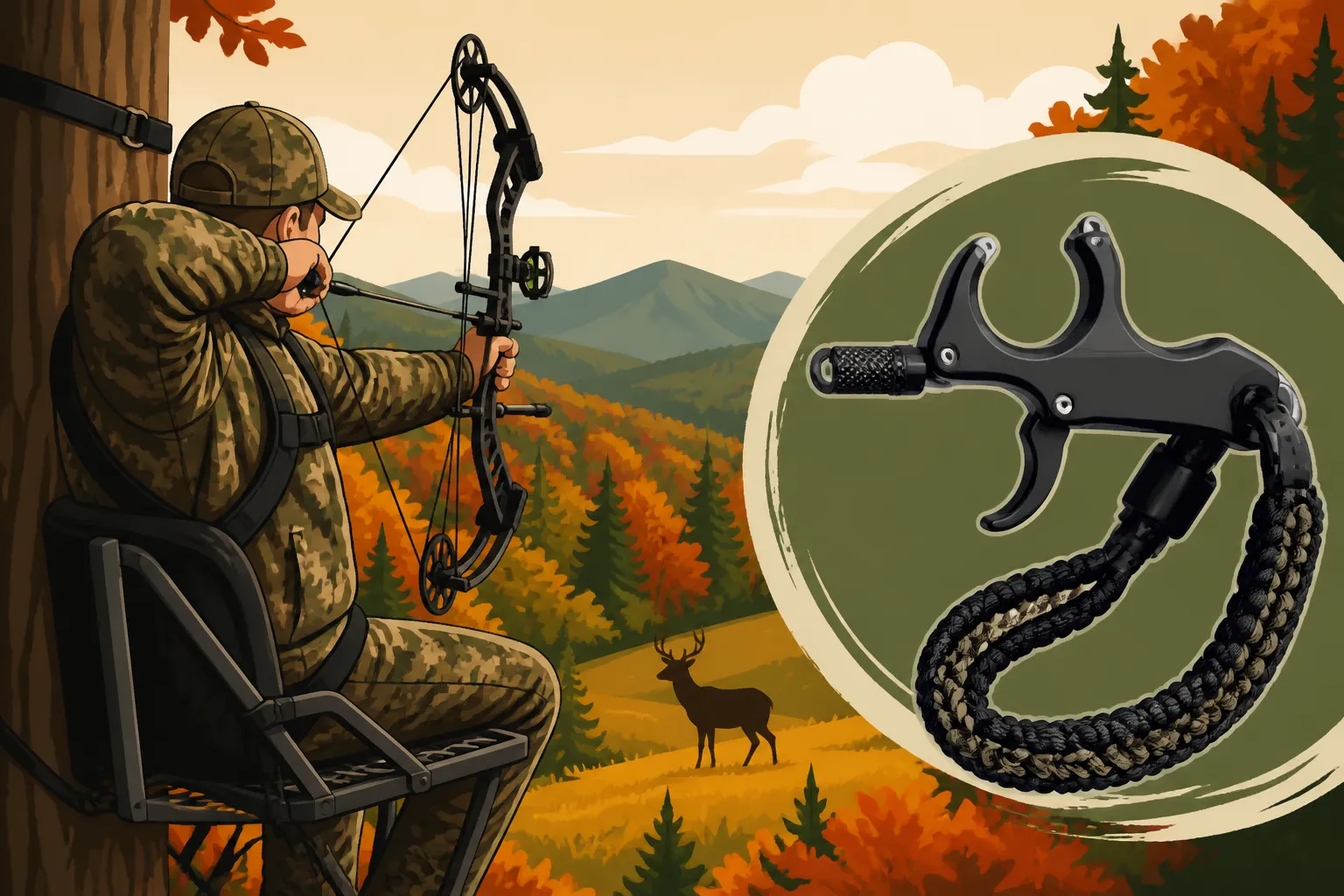
There's nothing quite like the rush of a treestand bowhunt in Vermont. You've climbed up into your stand long before dawn, the air crisp and hinting at the coming day, and every rustle in the leaves below electrifies your senses. But then, when that buck finally steps out, perfectly broadside, it’s not just about drawing your bow quietly; it’s about making a clean, ethical shot under pressure, often with cold fingers and from an awkward angle. The release aid you choose can make or break that moment, and many hunters struggle to find one that performs consistently when it really counts. This guide is here to walk you through the nuances of selecting the best release aid specifically for the unique demands of treestand bowhunting, helping you gain the confidence you need when a Vermont whitetail offers you an opportunity.
Why Treestand Hunting Demands a Specific Release Aid
Treestand hunting isn't just "hunting from a tree." It presents a distinct set of challenges that can heavily influence your gear choices, especially something as critical as your release aid. It's not the same as shooting on a flat range in warm weather, or even spot-and-stalk hunting where you might be moving more. From the confined space of your perch to the unpredictable elements, these factors compound to make your release aid selection paramount.
The Impact of Cold and Reduced Dexterity
Let's be honest, those early morning sits in October and November in Vermont can get cold. Even with the best gloves, your fingers can become stiff, numb, and less nimble. This is a huge factor when you need to quietly clip your release onto your D-loop, draw your bow, and execute a precise shot. A release aid that requires intricate finger placement or has a hair-trigger mechanism that's hard to control with a stiff digit can lead to a rushed shot, a flinch, or even a dropped arrow. Imagine fumbling with a tiny hinge-style release when a big Green Mountain buck is twenty yards out, looking your way. The frustration is real, and it can cost you. You need a release that you can confidently operate even when your hands are far from their peak performance.
Shooting Angles and Stability Challenges
From a treestand, you're almost always shooting at a downward angle, sometimes a steep one. This changes your anchor point, your bow arm position, and how you interact with your release. A release that feels comfortable and natural on flat ground might feel awkward and unstable when you're leaning, twisting, or drawing from an elevated position. The slightest shift in your hand or wrist can throw off your shot. Furthermore, movement in a treestand, even subtle shifts in weight, can affect your stability. You need a release that allows for a consistent, repeatable anchor and a smooth activation regardless of the contorted position you might find yourself in. This consistency is key to ethical hunting.
Noise, Security, and Ease of Operation
Picture this: A mature whitetail is slowly working its way into your shooting lane, pausing to sniff the air. You need to draw your bow, clip your release, and get ready without making a sound. A noisy release, one that clinks against your bow riser or D-loop, can send that deer bolting. Similarly, security is paramount. A release that's easy to drop or fumble while climbing, adjusting in your stand, or even just sitting patiently is a huge liability. Nobody wants to watch their expensive release clatter to the forest floor. You need something that's secure on your wrist or in your hand, easy to clip on your D-loop quickly and quietly, and simple to operate under the pressure of a close encounter. Many hunters find that a simple, robust design is often the most reliable when Hunting Vermont's November Rifle Opener or Hunting the Rut in Early-to-Mid November from a stand.
Types of Release Aids for Treestand Bowhunting
When you start looking at release aids, you'll quickly realize there are several main categories, each with its own benefits and drawbacks for treestand hunting. Understanding these differences is crucial to picking one that truly fits your style and the conditions you'll face in the Vermont woods.
Wrist-Strap Index Finger Releases
These are arguably the most common and popular choice for many bowhunters, and for good reason. They consist of a strap that secures around your wrist, with a caliper-style head that attaches to your D-loop. You activate the release by pressing an index finger trigger, much like firing a rifle.
Pros for Treestand Hunting:
- Security: The wrist strap means the release is always attached to you. You won't drop it from the stand, which is a huge advantage when you're 20 feet up.
- Ease of Use: They are very intuitive for new and experienced hunters alike. The trigger mechanism is familiar, and most hunters can pick one up and start shooting with reasonable consistency quickly.
- Quick Activation: When a deer steps into a shooting lane, you can quickly and quietly clip the caliper to your D-loop, draw, and activate the trigger. This speed can be crucial when dealing with an alert animal.
- Cold Weather Performance: With a bit of practice, you can often operate these fairly well even with moderately cold or gloved fingers, as the trigger is usually a bit larger and more distinct than a small button.
Cons for Treestand Hunting:
- Potential for Trigger Punching: Because of the rifle-like trigger, some hunters develop a habit of "punching" the trigger, leading to less accurate shots. This can be exacerbated by cold fingers or buck fever.
- Noise: Some models, especially older or cheaper ones, can be a bit noisy when clipping onto the D-loop or when the caliper closes after the shot.
- Consistency: While easy to use, achieving truly consistent back tension with an index finger release can be harder for some archers, potentially impacting accuracy, especially on longer shots or from awkward angles.
Thumb Button Releases
Thumb button releases are often favored by target archers for their clean break and precision, but they also have a strong following among bowhunters who value consistency and a surprise release. These releases are held in your hand, and you activate them by pressing a small button with your thumb.
Pros for Treestand Hunting:
- Clean Release: The thumb button often provides a very clean, crisp break, which can lead to greater accuracy and reduce the tendency to "punch" the trigger.
- Consistent Anchor: Many hunters find it easier to achieve a consistent anchor point with a handheld release, as it doesn't have the wrist strap component. This can be helpful when your body is twisted or contorted in a stand.
- Reduced Torque: Held correctly, a thumb button release can help reduce torque on the bowstring, leading to tighter groups.
Cons for Treestand Hunting:
- Security: This is the biggest hurdle for treestand hunters. Without a wrist strap, there's a significant risk of dropping the release. Many hunters attach them to a lanyard around their neck or wrist, but this can still be cumbersome. Losing your release 20 feet up means your hunt is over.
- Cold Weather Operation: The small thumb button can be challenging to operate with numb or gloved thumbs. It requires more fine motor skill than a larger index finger trigger.
- Learning Curve: While not as steep as a hinge, it can take some practice to get accustomed to the thumb activation and achieve a surprise release.
Hinge/Back Tension Releases
Hinge releases, also known as back tension releases, are the pinnacle of shot execution for many competitive archers. They don't have a trigger in the traditional sense. Instead, they are designed to fire when you rotate the release using back tension, creating a "surprise" release.
Pros for Treestand Hunting (with significant caveats):
- Ultimate Accuracy: When mastered, these releases can lead to incredibly accurate and consistent shooting by eliminating trigger anticipation.
- Eliminates Target Panic: For hunters who struggle with target panic, a hinge release can be a game-changer by forcing a surprise release.
Cons for Treestand Hunting:
- Very Steep Learning Curve: This is not a "pick up and shoot" release. It requires extensive practice to use effectively and safely. Trying to learn it during hunting season is a recipe for disaster.
- Security: Like thumb buttons, most hinges are handheld and can easily be dropped.
- Cold Weather Dexterity: Operating a hinge release effectively requires precise control and feel, which is severely compromised by cold, numb fingers or thick gloves.
- Not for Quick Shots: The surprise release mechanism, while great for accuracy, is not ideal for situations where you need to take a quick shot on a moving or highly alert animal. If a buck pauses for a second and then starts to walk, you might not have time to execute a proper hinge release.
- Safety: Without proper training and consistent practice, a hinge release can lead to accidental misfires, which is dangerous in a hunting scenario, especially from a treestand.
For the vast majority of Vermont treestand bowhunters, especially those dealing with variable weather and the need for quick, decisive shots, a wrist-strap index finger release or a well-practiced thumb button with a secure lanyard will be the most practical choice. For example, when you're out hunting a Green Mountain National Forest timber stand and a deer materializes from the thick evergreens, you need something reliable and quick.
Here's a quick comparison of the common release types and their suitability for treestand hunting:
| Release Type | Security (Dropping) | Ease of Operation (Cold/Gloves) | Precision Potential | Quick Shot Capability | Recommended for Treestand? |
|---|---|---|---|---|---|
| Wrist-Strap Index Finger | Excellent (attached) | Good | Good | Excellent | Yes, highly recommended |
| Thumb Button | Low (needs lanyard) | Fair (small button) | Excellent | Good | Yes, with practice/lanyard |
| Hinge/Back Tension | Low (needs lanyard) | Poor (requires fine control) | Excellent | Poor | Generally not recommended |
Key Features to Look for in a Treestand Release Aid
Once you've narrowed down the type of release aid you're leaning towards, it's time to dive into the specific features that will make one model stand out from the rest for your treestand adventures. A good release isn't just about the trigger; it's about the whole package, how it feels, how it functions, and how it handles the abuse of a long season.
Adjustability and Customization
Just like your bow, your release aid should be customizable to fit you. Look for models that offer adjustability in a few key areas:
- Trigger Travel: Can you adjust how far the trigger moves before it fires? Many hunters prefer a very short, crisp travel for a "surprise" release, while others like a little more give. Being able to fine-tune this to your preference, especially when wearing thick gloves, is a huge benefit.
- Trigger Tension/Sensitivity: How much pressure does it take to activate the trigger? In cold weather, with numb fingers, a very light trigger can be dangerous, leading to accidental misfires. Conversely, a too-heavy trigger can cause you to pull your shot. The ability to adjust this balance is critical. Many high-quality releases, like those you might find on GoHunt's gear comparison section, offer excellent adjustability.
- Strap Length (for wrist straps): Ensuring the wrist strap fits comfortably and securely, even over multiple layers of clothing, is important. A good fit prevents the release from flopping around or being too tight.
- Head Rotation/Length: Some releases allow the caliper head to rotate or adjust in length, which can help achieve a more comfortable hand position and a better anchor point, especially when shooting from awkward treestand angles.
Quiet Operation and Durability
Noise is the enemy of the bowhunter. A release that clinks, clanks, or rattles can ruin a shot before it even begins. Pay attention to the materials and construction. Avoid releases with excessive metal-on-metal contact or loose parts. Test it in a quiet environment. Draw your bow, clip it on, and let down. Is it silent? If it’s not, you might spook that wary Northeast Kingdom buck you’ve been chasing. Durability is also paramount. Your release will be exposed to rain, snow, cold, and bumps against your stand or gear. Choose a model built to withstand the elements and repeated use throughout Vermont's Long Hunting Season. You don't want a critical piece of gear failing on you deep in the backcountry.
Retention, Comfort, and Safety Features
Retention, especially for wrist-strap models, means the release stays where it should be. A comfortable wrist strap, often made of padded leather or neoprene, is essential for long hours in the stand. You don't want a rough strap chafing your wrist or cutting off circulation.
- Ergonomics: The body of the release should fit comfortably in your hand, allowing for a relaxed grip. This reduces tension and promotes a smooth shot.
- Safety Mechanism: Some releases incorporate a safety feature, like a thumb safety or a locking mechanism, that prevents the trigger from being accidentally activated until you're ready to shoot. This is a valuable feature for treestand hunting, where an accidental dry fire could be catastrophic.
- Material: Consider the materials. Some releases use a blend of metal and polymer for reduced weight and noise, while others are all-metal for maximum durability. Look for corrosion-resistant finishes, especially if you hunt in wet Vermont weather. When researching gear, I often check out what the folks on GoHunt are saying about material quality and real-world durability.
Tips for Practicing with Your Treestand Release Aid
Getting the right release aid is only half the battle; the other half is putting in the practice to make it an extension of yourself. This is especially true for treestand hunting, where conditions are rarely perfect and pressure is always high. Consistent, thoughtful practice will build the muscle memory and confidence you need.
Practice from Elevated Positions
It sounds obvious, but so many hunters practice exclusively on flat ground. Shooting from a treestand fundamentally changes your form, your anchor, and your shot execution.
- Set up a ladder stand or hang-on stand in your yard: Practice shooting at various targets from realistic treestand heights and angles.
- Simulate real hunting scenarios: Shoot at targets directly below you, slightly behind you, and at various distances. Practice twisting your body to mimic shots you might take in a stand. This will expose any uncomfortable angles or issues with your release's ergonomics when shooting downward.
- Practice with an empty bow: Even without an arrow, going through the motion of drawing, acquiring your target, and executing the release from a stand helps solidify muscle memory and identify potential hang-ups like noisy clothing or awkward arm positions. You can find plenty of tips for setting up productive practice sessions, even on public land, by exploring resources like Scouting Vermont Public Land Before Season.
Incorporate Cold Weather and Glove Practice
This is where the rubber meets the road for Vermont hunters. Don't wait until opening day to find out your release doesn't work with your gloves.
- Practice in varying temperatures: As the weather cools down in late summer and fall, make an effort to practice outdoors, even when it's chilly.
- Wear your hunting gloves: Try shooting with the exact gloves you plan to wear in the stand. Do you have enough dexterity? Is the trigger still easy to feel and activate? Some hunters opt for thinner shooting gloves or fingerless gloves for their release hand, paired with a hand warmer muff for overall warmth.
- Simulate numb fingers: While you can't truly make your fingers numb safely, try practicing after holding an ice pack for a few minutes (without actually making them too cold for safety). This gives you a taste of what it's like to operate the release with reduced sensitivity. This kind of dedicated preparation is what separates successful hunts from frustrating ones.
Focus on Consistent Shot Execution
The goal of any release aid is to facilitate a smooth, consistent, and surprise release, leading to better accuracy.
- Develop a pre-shot routine: Every time you draw your bow, follow the same steps: settle your grip, find your anchor, acquire the target, and then execute the shot using back tension (even with an index finger release, pulling through the shot with your back muscles improves consistency).
- Blind bailing: This is a fantastic practice method where you shoot at a blank target at a very close range (5-10 yards) without aiming. The focus is entirely on your form and release execution. This helps you break the habit of "aiming and shooting" and instead focuses on "aiming and releasing."
- Video Yourself: Set up a camera to record your form from various angles, especially your bow arm and release hand. You might be surprised at what you see. Are you punching the trigger? Is your hand torquing the string? Video feedback is an invaluable tool for improvement.
- Regular Practice: Just like any skill, consistency comes from regular repetition. Short, frequent practice sessions are often more effective than one long session once a month. This kind of dedicated practice will help you develop the confidence to make the shot when you're deer hunting in the Hunting the Champlain Valley or Hunting the Green Mountains High Country. Many serious hunters track their practice on apps or platforms, even integrating data from tools like GoHunt, to refine their skills and gear choices.
By putting in the work with the right release aid, you’ll be much better prepared for whatever a Vermont treestand bowhunt throws at you. Whether it’s Hunting a Clover Plot at First Light or waiting patiently for a buck to cross a logging road, your release aid will be an extension of your intent, delivering that arrow true.
Disclaimer
This article is for general informational purposes only and does not constitute professional advice. Laws, prices and regulations vary by location and change over time. Consult a qualified professional for guidance on your specific situation.