Coyote Calling at First Light
Vermont coyote calling at first light offers hunters a prime advantage through morning animal behaviors and shifting thermals.
Close the distance.
Archery, muzzleloader, and firearm techniques — calling, stand placement, still-hunting, spot-and-stalk, and the weapon rules that change at the state line.
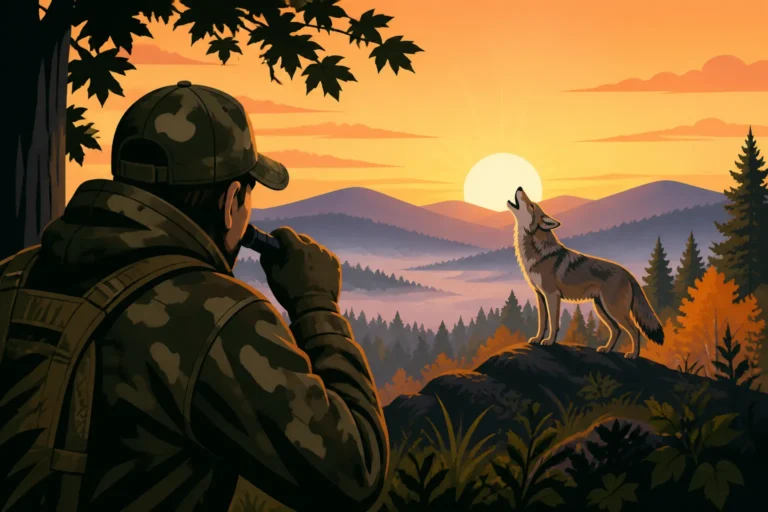
Vermont coyote calling at first light offers hunters a prime advantage through morning animal behaviors and shifting thermals.
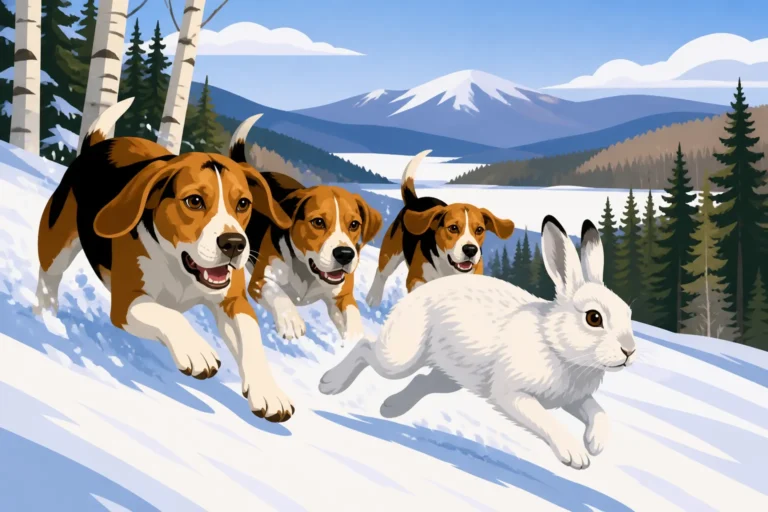
Running beagles on snowshoe hare in Vermont involves targeting dense conifer stands and navigating deep winter snow caves in the Northeast Kingdom.
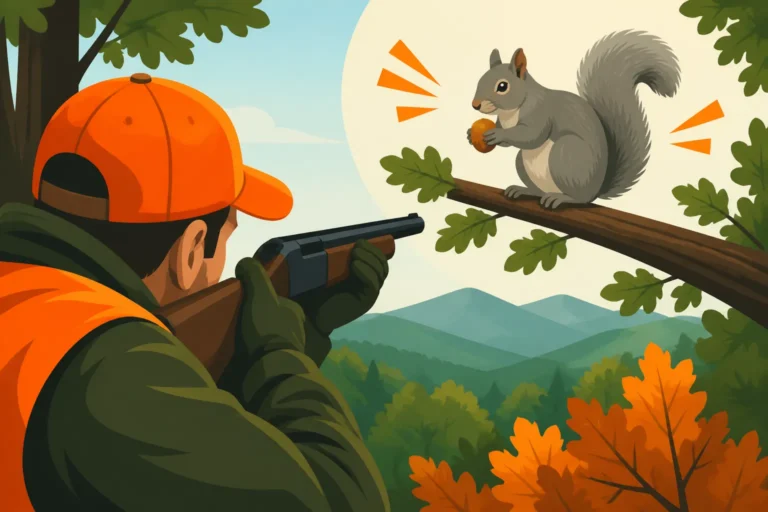
Early season Vermont squirrels reveal their hidden locations through distinct alarm barks, rustling leaves, and falling mast sounds.
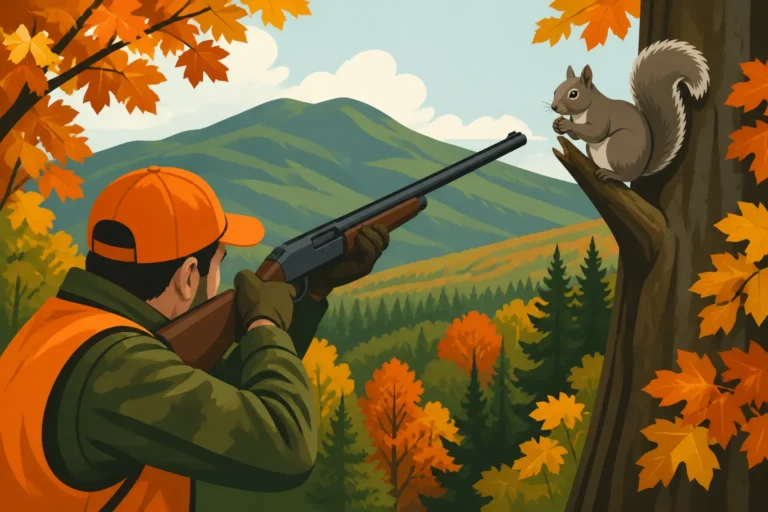
Gray squirrel hunting in Vermont Green Mountain hardwoods requires tracking oak, beech, and hickory food sources for success.
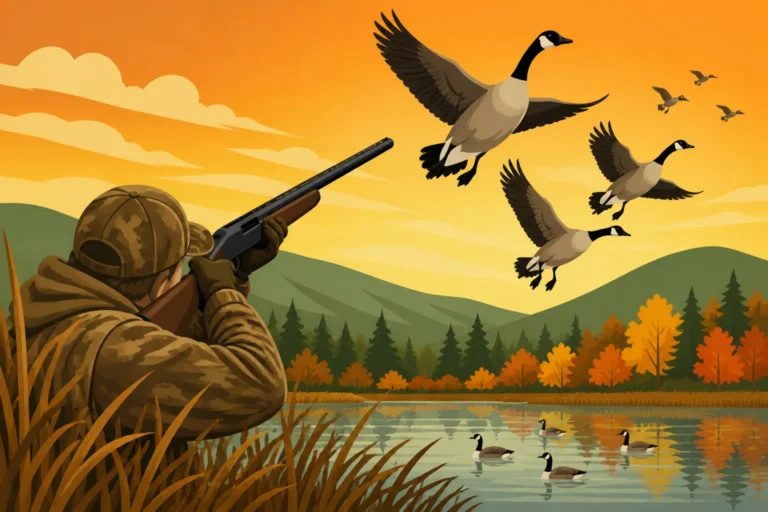
Pass-shooting Canada geese off Vermont roost ponds explains flight patterns, scouting methods, and strategic ambush setups.
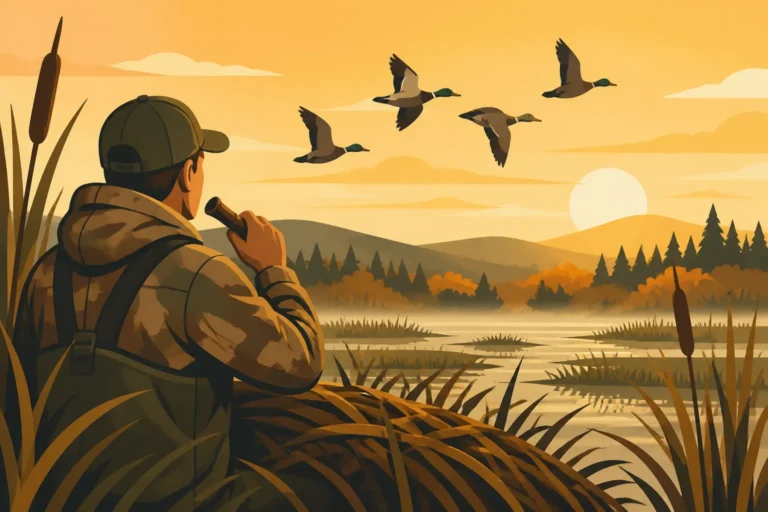
Vermont waterfowl hunting strategies for interpreting marsh dynamics, weather conditions, and morning duck flight paths.
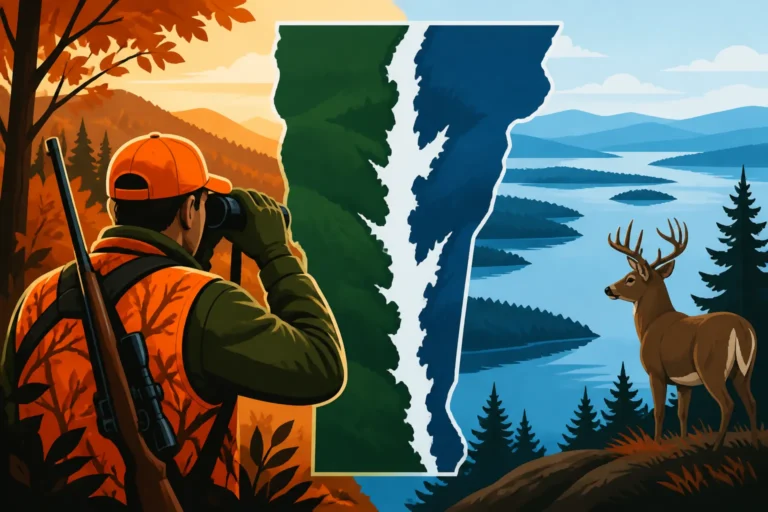
Vermont waterfowl hunters learn how the Lake Champlain Zone split season manages resident and migratory bird populations.
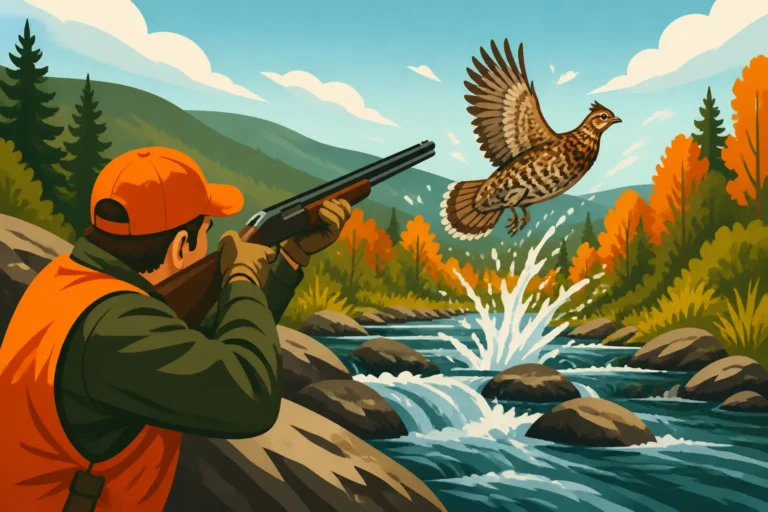
Jump-shooting Vermont creeks offers dynamic waterfowl hunting strategies for ducks and geese along winding waterways during hunting season.
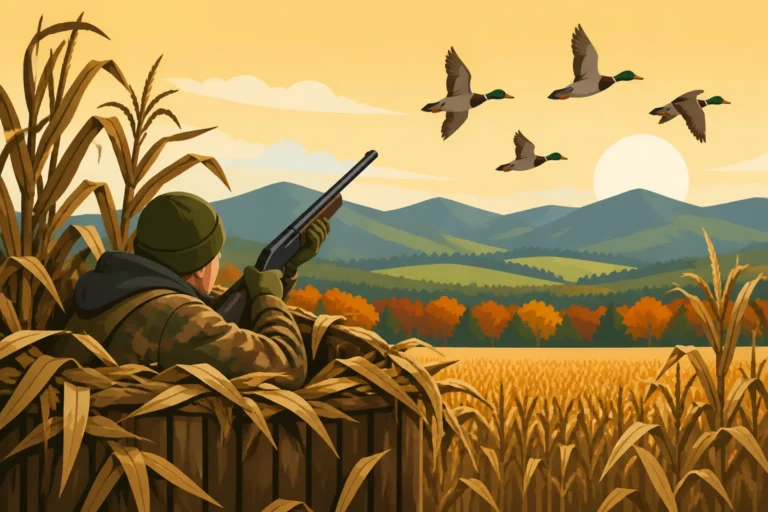
Layout blind hunting in Champlain Valley cornfields helps waterfowl hunters conceal themselves and get closer to ducks and geese.
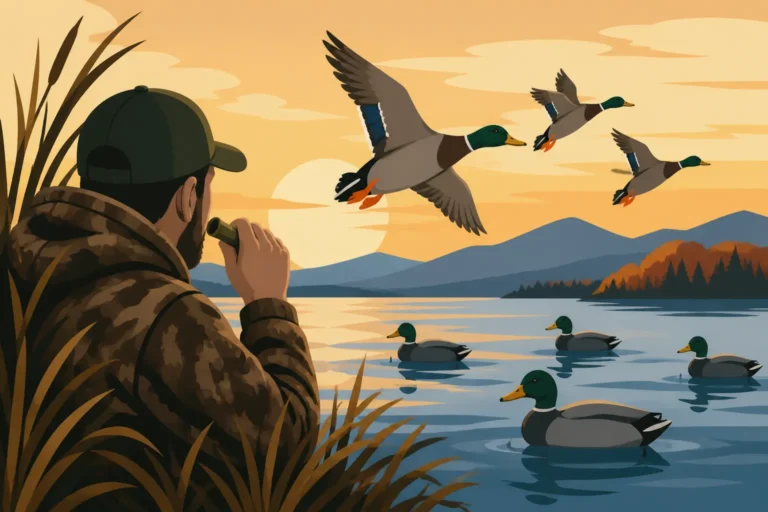
Mallard hunting on Lake Champlain requires strategies for shifting winds, strong currents, local populations, and migratory patterns.