Hunting the Taconic Range Ridgelines
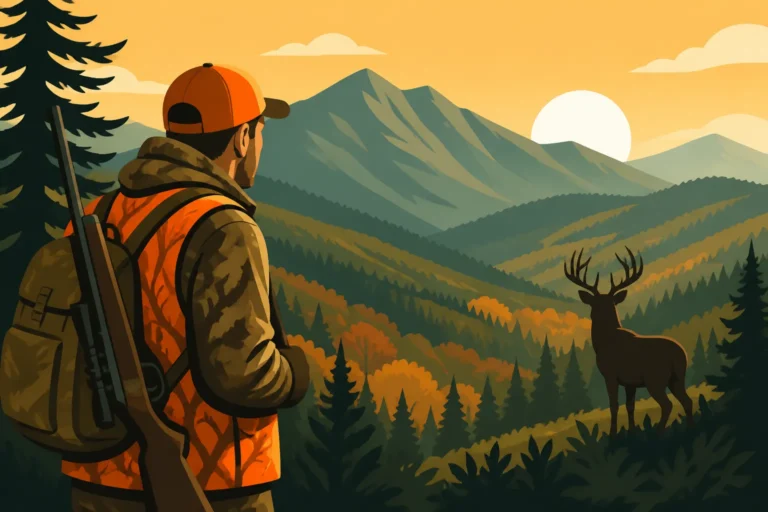
Hunting the Taconic Range ridgelines presents a truly unique challenge for any deer hunter in Vermont. These aren't your gentle rolling farmlands; we're talking about steep, rocky ascents, dense pockets of timber, and deer that are often much less accustomed to human presence. It can be incredibly frustrating to scout these areas, only to feel lost when the season opens. This guide is all about equipping you with the knowledge and strategies to confidently tackle the Taconic Range, helping you understand its terrain, scout effectively, and implement smart hunting techniques to increase your odds of success.
Understanding the Taconic Range's Unique Challenges
The Taconic Range in Vermont is a world apart from many other hunting locales in the state. Forget wide-open fields or easily accessible woodlots; here, you're dealing with a rugged landscape that demands respect and a solid plan. These ridgelines aren't just pretty views; they're dynamic ecosystems that deer use in very specific ways, and understanding that is your first step to success.
One of the most immediate challenges you'll face is the sheer topography. The Taconics are characterized by steep, often rocky slopes that rise sharply, creating natural funnels and pinch points that are key to deer movement. However, these same features make travel difficult for hunters, particularly when you're trying to move quietly or extract a harvested animal. You'll encounter dense undergrowth in some areas, thick stands of evergreens offering thermal cover in others, and exposed, windy rock outcroppings. This variety means deer can quickly move between different cover types depending on weather and pressure.
Another significant factor is the unpredictable wind and thermals. In such mountainous terrain, the wind rarely blows consistently in one direction. Instead, you'll experience thermals — warm air rising during the day and cool air falling at night — which can play havoc with your scent control and make it incredibly difficult to predict deer movement. A buck might be feeding below you, but a sudden shift in thermals could carry your scent directly to him. Wind and Thermals in Steep Green Mountain Terrain dives deeper into how these air currents affect your hunting. This means constant vigilance and adapting your approach is essential, rather than relying on a single prevailing wind direction.
Finally, access to these ridgelines can be limited. While parts of the Taconic Range are public lands, finding an entry point that doesn't involve a strenuous uphill climb or crossing heavily posted private property can be tricky. Even when you find public access, you might be looking at miles of hiking before you reach prime deer habitat. This physical exertion weeds out many hunters, which can be a good thing if you're willing to put in the effort, as it often means less hunting pressure on the deer that call these ridgelines home.
Scouting Strategies for Taconic Ridgelines
Effective scouting is paramount when hunting the rugged Taconic Range. You can't just show up on opening day and expect to find deer; these animals are masters of their environment, and you need to understand their patterns before you ever carry a weapon into the field. Your scouting efforts here will involve a mix of aerial reconnaissance and on-the-ground legwork.
Start your scouting from the comfort of your home using digital mapping tools. Platforms like onX Hunt are invaluable for getting a bird's-eye view of the terrain. Look for prominent ridgelines, saddles, benches, and steep draws that could act as natural travel corridors or bedding areas. Pay close attention to changes in timber type – mature hardwoods might indicate prime feeding areas, especially during good mast years, while dense softwood stands often provide crucial thermal and security cover, particularly in colder weather. Identify potential bottlenecks where deer movement might be concentrated, such as narrow passes between two peaks or areas where dense cover funnels into a more open section. Using the topographic and satellite layers on onX Hunt can help you visualize elevation changes and pinpoint features that might not be obvious on flat maps. Reading Aerial Photos for Green Mountain Deer can help you interpret what you see.
Once you have a few promising spots identified on your map, it's time to hit the woods. Pre-season scouting on the ground allows you to confirm what you saw digitally and find fresh sign. Look for well-used deer trails running along the contours of the ridgelines, especially those that connect bedding areas on higher ground to feeding areas in lower valleys. Keep an eye out for rubs and scrapes, which indicate buck activity and can often be found along travel routes leading to and from saddles or benches. Focus your efforts on finding distinct bedding areas – often on the downwind side of a ridge where deer can watch their backtrail and smell anything approaching from below. These spots will frequently offer good visibility, allowing the deer to spot danger.
Don't forget to consider seasonal food sources. While acorns, beech nuts, and wild apples can be huge attractants, they can vary year to year. During years with poor mast crops, deer might shift their focus to browse, like maple or aspen regeneration in clear-cuts or recent timber harvests. Look for areas with fresh browsing on saplings and shrubs. Also, take note of water sources; while less critical during much of the season, in dry spells, knowing where deer can get a drink can be a huge advantage. Remember that deer in this steep country are constantly adapting, so your scouting needs to be ongoing and responsive to changing conditions. Scouting Vermont Public Land Before Season offers broader advice that applies directly to these specific areas.
Hunting Techniques Tailored for Steep Terrain
Hunting the Taconic Range ridgelines demands a different approach than sitting a field edge. The undulating terrain, dense cover, and often sparse deer population in some high-country areas mean you need to be mobile, patient, and keenly aware of your surroundings.
Still-hunting is often one of the most effective strategies on these ridgelines. This involves moving slowly and deliberately through the woods, taking one or two steps, then stopping to scan and listen for several minutes. The goal is to cover ground silently, spotting deer before they spot you. When still-hunting a ridgeline, consider moving just off the very top, slightly on the downwind side, allowing your scent to be carried off the main crest but giving you a view of the slopes below and above. This also often keeps you out of the direct wind, making it easier to detect subtle movements or sounds. Use the natural topography to your advantage, moving along benches and terraces where deer are likely to travel. Focus on areas where changes in elevation or cover create natural funnels.
When considering a stand setup, whether it's a treestand or a ground blind, placement is critical. For treestands, look for funnels created by topography or dense cover. A saddle connecting two ridgelines, or a bench that deer use to skirt a particularly steep section, can be a prime ambush point. Always prioritize your wind direction, aiming for a setup that allows your scent to blow away from expected deer travel lanes. Ground blinds, whether pop-up or brushed-in natural blinds, can also be effective, especially in areas with limited suitable trees for a treestand. Ensure your ground blind blends seamlessly with the surroundings, and use available cover to break up your outline. Brushing In a Blind on a Field Edge offers tips that can be adapted for a ridgeline ground blind, focusing on natural concealment. Remember, deer on these ridgelines are often warier than those in agricultural areas, so minimize your impact on entry and exit.
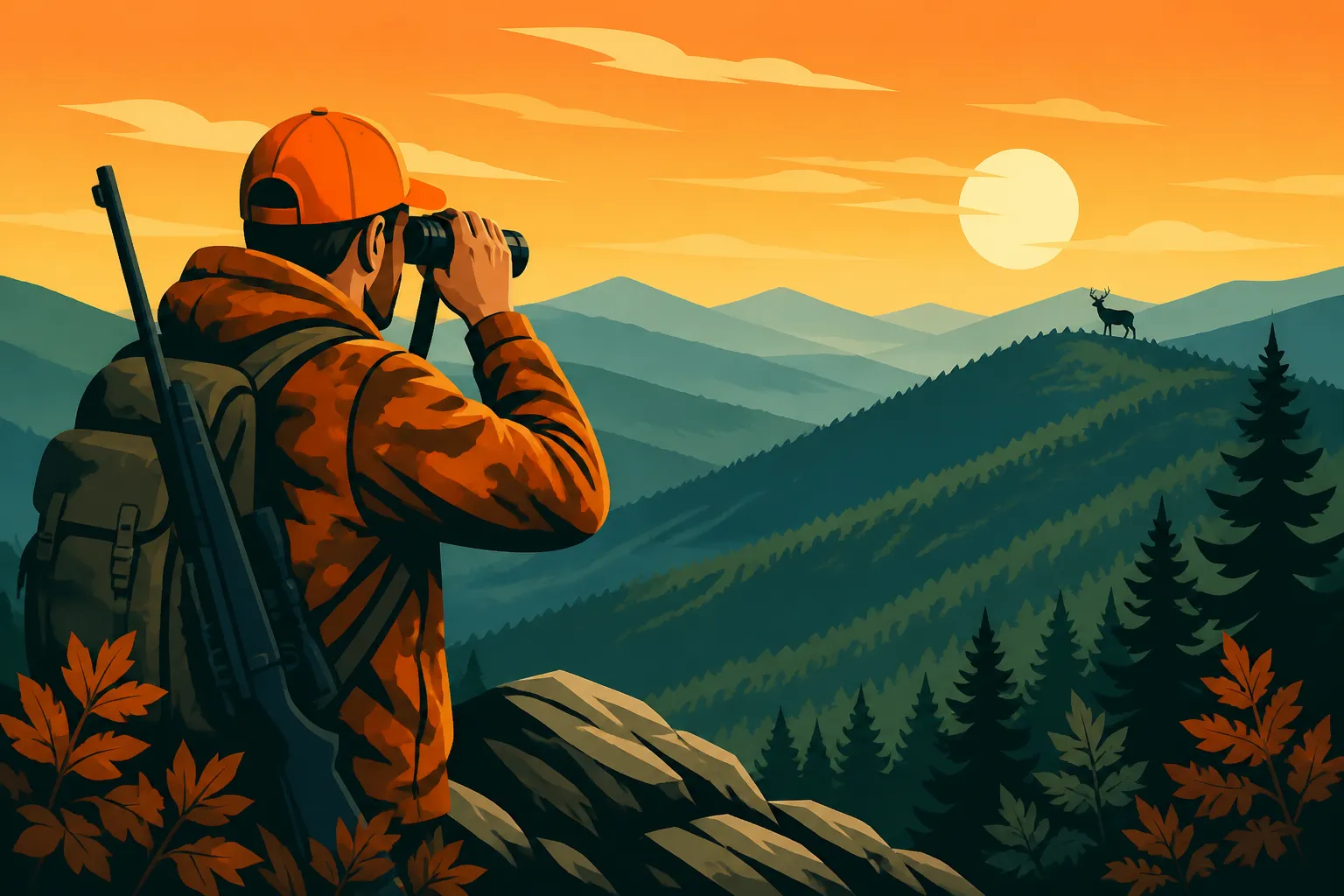
Patience is a virtue, especially in challenging terrain. Don't be afraid to sit longer in a promising spot if the conditions are right, particularly during the rut when bucks are on the move searching for does. Conversely, don't be afraid to move if your current spot isn't producing or if the wind shifts unfavorably. One effective tactic for the Taconics is to hunt your way up a ridge in the morning, finding a good vantage point to sit and glass the surrounding slopes, then still-hunt your way down in the afternoon, slowly covering ground that deer might be moving into for evening feeding. This allows you to leverage both stationary observation and active searching techniques within a single hunt.
| Hunting Technique | Best Use Case on Taconic Ridgelines | Key Considerations |
|---|---|---|
| Still-Hunting | Covering vast, varied terrain; actively searching for deer. | Move slowly, stop frequently, use wind/thermals, observe changes in cover. |
| Treestand Hunting | Ambushing deer in known funnels, saddles, or benches. | Scout entry/exit routes, prioritize wind, ensure stable and safe setup. |
| Ground Blind Hunting | Limited trees, thick cover, specific ambush points near bedding. | Maximize concealment, brush in extensively, control scent. |
| Glassing | Long-range observation from high vantage points, especially early/late. | Quality binoculars/spotting scope, stable rest, scan thoroughly, patient observation. |
Essential Gear for a Taconic Ridgeline Hunt
Hunting the steep and often unforgiving terrain of the Taconic Range means your gear choices aren't just about comfort; they're about safety, efficiency, and ultimately, success. Don't skimp on the essentials, because being unprepared here can quickly turn a challenging hunt into a miserable or even dangerous one.
First and foremost, your footwear is critical. You'll be doing a lot of climbing, traversing uneven ground, and potentially dealing with wet, rocky, or snowy conditions. Invest in high-quality, waterproof hunting boots with excellent ankle support and aggressive traction. A stiff sole will protect your feet from sharp rocks and provide better stability on steep slopes. Look for boots designed for mountain hunting or rugged terrain, as they'll offer the durability and comfort you need for long days afield. Boots for Green Mountain Ridge Terrain goes into more detail on what to look for. Complement your boots with good wool socks to manage moisture and prevent blisters.
Navigation is another non-negotiable item. Even if you know the area well, the dense woods and shifting terrain can quickly disorient you. A reliable GPS unit or a smartphone with a robust hunting app like onX Hunt is essential. Download offline maps before you go, as cell service will be spotty or nonexistent in many parts of the Taconics. Mark your vehicle, potential bedding areas, food sources, and any key sign you find. This digital mapping capability, often enhanced by features like property line overlays, helps you stay on track, avoid trespassing, and navigate effectively, especially in low light conditions. You might also consider a satellite messenger for emergencies, as communication can be a real challenge in remote areas. Best GPS App for Vermont Public Land offers some great options.
Finally, think about your clothing layers and optics. The weather in the Taconics can change rapidly, with significant temperature swings between morning and midday, or sunny and cloudy conditions. A good layering system is key – start with a moisture-wicking base layer, add insulating mid-layers, and top it off with a waterproof and windproof outer shell. This allows you to adjust to changing conditions without overheating or getting cold. For optics, quality binoculars are a must. In this broken terrain, you'll spend a lot of time glassing distant slopes, clear-cuts, or open timber to locate deer. A good pair of 10×42 or 12×50 binoculars will make a huge difference in picking apart the cover. Consider a rangefinder as well, as judging distances in steep, timbered country can be surprisingly difficult. Resources like GoHunt can provide useful insights into choosing the right gear for various hunting scenarios, helping you make informed decisions before you head out. Layering for Vermont's Long Hunting Season will give you a comprehensive breakdown of clothing strategies.
Recovering Your Trophy in Difficult Terrain
You've put in the work, made a great shot, and now the real challenge begins: recovering your deer from the steep, often unforgiving terrain of the Taconic Ridgelines. This is where preparation truly pays off, and having a plan for extraction can save you a lot of heartache and back pain. Don't underestimate the effort it takes to get an animal out of a deep ravine or up a steep hillside.
The first step after a shot is always about thorough blood trailing. In this kind of terrain, a good blood trail can be hard to follow, especially if the ground is rocky or covered in thick leaves. Take your time, mark the last blood with flagging tape, and systematically search for the next sign. If the blood trail becomes sparse, expand your search in the direction of travel, looking for disturbed leaves, broken twigs, or even the animal's tracks. Often, a deer will try to bed down on a steep hillside or seek dense cover after being hit. Having a good headlamp is essential, as blood trailing often extends into low light or darkness. Blood Trailing After Dark in Vermont provides excellent tips for navigating these challenging situations.
Once you locate your deer, the decision of how to get it out is critical. If you're hunting alone, quartering the animal is almost always the most sensible option. Field dressing and then breaking the deer down into manageable quarters significantly reduces the weight and makes it much easier to pack out over steep distances. Having good game bags to keep the meat clean and a sharp, reliable knife and a bone saw are indispensable tools for this process. A quality internal or external frame pack can be a game-changer for hauling quarters out, distributing the weight more efficiently than simply dragging or carrying a whole animal. This is where those heavy-duty boots really earn their keep.
If you have hunting partners, you might be able to drag a whole deer, but even then, it's a monumental task in the Taconics. Consider a game cart only if you know you have a relatively clear, downhill path to your vehicle. Many ridgeline areas simply don't lend themselves to cart use. Instead, focus on using ropes and strategic leverage. Dragging downhill is always easier than uphill, so plan your exit route carefully. Sometimes, it's better to make a slightly longer detour on a less steep path than to attempt a direct, brutal ascent. Remember, safety first – a slip or fall with a heavy load on steep terrain can be dangerous. Take breaks, stay hydrated, and work together if you're with a group. Recovering a Deer From a Steep Ravine outlines specific strategies for these challenging scenarios.
Disclaimer
This article is for general informational purposes only and does not constitute professional advice. Laws, prices and regulations vary by location and change over time. Consult a qualified professional for guidance on your specific situation.