Vermont Boone and Crockett Whitetails
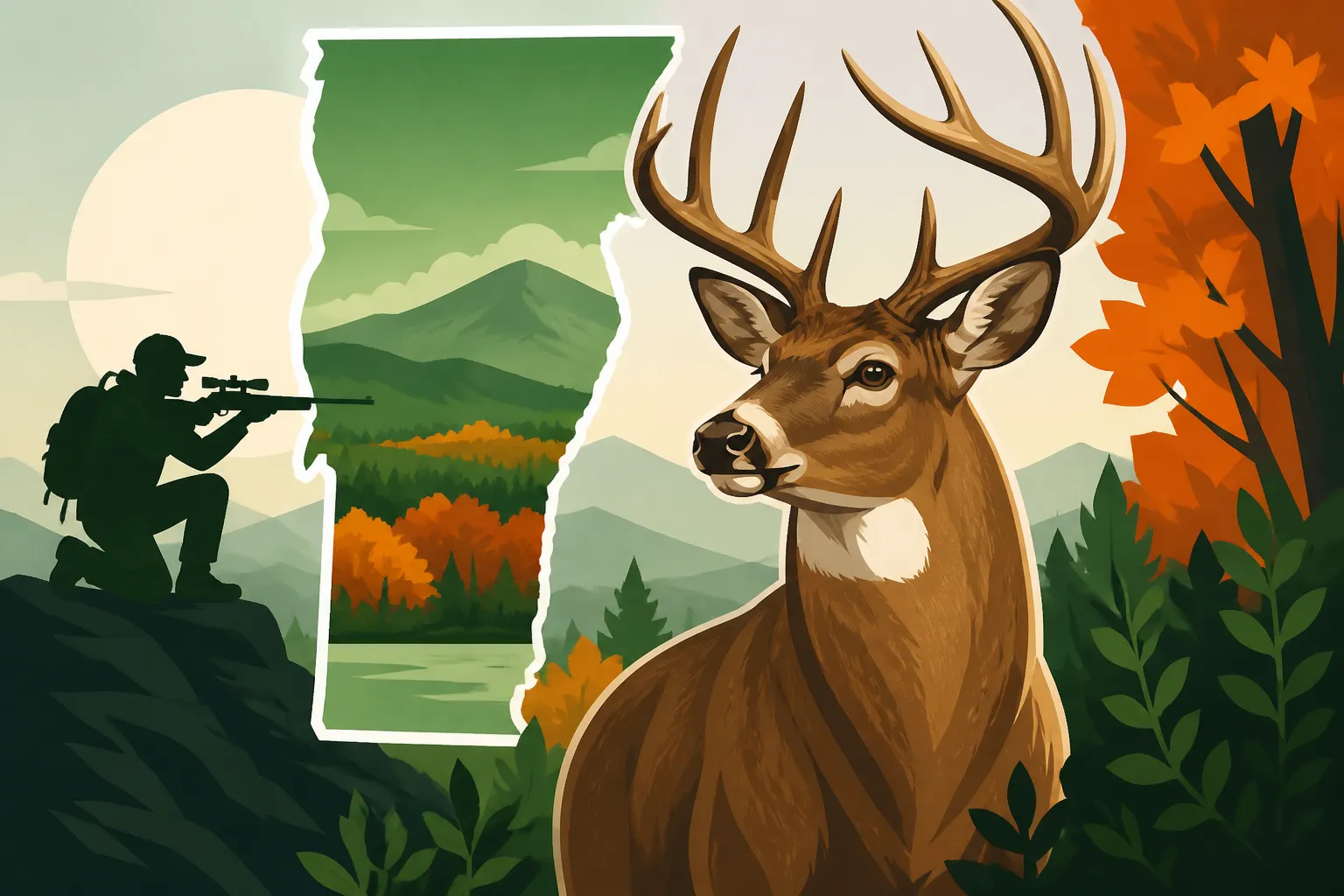
Hunting a trophy whitetail in Vermont that truly measures up to Boone and Crockett standards is a dream that dances in the minds of many dedicated hunters. But let's be real: the Green Mountains aren't always touted as a B&C hotspot like some Midwestern states, and the path to even seeing such a deer can feel incredibly steep and frustrating. This guide is here to shed light on what it actually means to pursue a Boone and Crockett caliber whitetail in Vermont, offering realistic insights and strategies to help you navigate that challenging, yet incredibly rewarding, quest.
Understanding Boone and Crockett Scoring and Its Significance
For many, the mention of "Boone and Crockett" immediately conjures images of colossal antlers. But what exactly does it mean, and why is it such a benchmark in the hunting world? It's not just about a big rack; it's about a deer that has reached its maximum genetic and environmental potential, often signifying exceptional management and, frankly, a bit of luck.
The Basics of B&C Scoring: Typical vs. Non-Typical
The Boone and Crockett Club has a very specific, meticulous system for measuring antlers. It's not simply about throwing a tape measure around the main beams. Instead, it involves a precise accounting of all aspects of the antler: length of main beams, length of tines, circumference measurements at specific points, and inside spread.
There are two primary categories for whitetail deer: "Typical" and "Non-Typical." A typical rack is one that is largely symmetrical, with points (tines) growing primarily off the top of the main beam in a uniform fashion. Non-typical racks, on the other hand, feature abnormal points—often called "kickers," "drops," or "stickers"—that deviate significantly from the typical pattern. These abnormal points are measured differently and can often add significant points to a deer's score, but they also introduce deductions if the rack isn't perfectly symmetrical. Both categories have minimum scores for entry into the B&C record book, with typical scores generally being higher due to the strict symmetry requirements. Understanding these distinctions is crucial, as a deer that might not make the typical minimum could easily qualify as a non-typical if it has enough abnormal antler growth.
Why B&C Bucks are a Rarity, Especially in Vermont
Let's not sugarcoat it: a true B&C whitetail is a unicorn in most places, and Vermont is no exception. While our deer herd is healthy, as discussed in White-Tailed Deer Across Vermont, the factors that lead to such monumental antler growth are a perfect storm of genetics, nutrition, and age, coupled with minimal hunting pressure.
Firstly, a buck needs to live long enough to express its full antler potential. In Vermont, where hunting pressure can be significant in some areas, many bucks are harvested before they reach the 4.5, 5.5, or even 6.5+ year mark when their antlers are truly peaking. Secondly, nutrition is paramount. Deer need a consistent, high-quality food source rich in protein and minerals to grow massive antlers. While Vermont has pockets of excellent habitat, including agriculture in the Champlain Valley and abundant mast crops in good years, it's not universally as rich in high-protein forage as some other regions. Finally, genetics play a role. While all deer have the potential for good antlers, some simply have the genetic blueprint for larger, more impressive racks. When you combine these factors, the odds of a buck achieving B&C status are incredibly slim. It requires a specific set of circumstances that are simply harder to come by in our rugged, timber-heavy landscape.
The Realities of Vermont's Deer Herd and Trophy Potential
While B&C bucks are rare, Vermont does produce some truly magnificent whitetails. The key is understanding where and why certain areas might have better potential, and adjusting your expectations accordingly.
Factors Influencing Antler Growth in Vermont
Antler growth in any whitetail is a complex interplay of three main components: age, nutrition, and genetics. In Vermont, how these elements manifest can vary significantly by region.
- Age Structure: This is arguably the most critical factor. A buck simply won't grow a truly massive rack until it reaches maturity, typically between 4.5 and 7.5 years old. In areas with high hunting pressure, bucks are often harvested before they reach this peak. For example, in some of the more accessible public lands or heavily hunted private parcels, bucks might only live to be 2.5 or 3.5 years old. This means the sheer number of mature bucks is lower, reducing the probability of finding a true giant.
- Nutrition: Vermont's landscape offers a diverse diet for deer. The Champlain Valley, with its fertile soils and agricultural fields (corn, alfalfa, soybeans), often provides a richer, more consistent food source than the rugged Green Mountain National Forest. Hard mast, like acorns and beechnuts, can be vital fuel in the fall, but these crops fluctuate year to year. After a poor acorn year, antler quality can dip across the state. This regional variation explains why hunters often note that Why Champlain Valley Deer Run Bigger than their mountain counterparts. Access to consistent, high-quality forage throughout the year, especially during antler growth periods in spring and summer, is indispensable for a buck to pack on inches.
- Genetics: While environmental factors play a huge role, the underlying genetic potential for antler size and shape is always present. A buck with great genetics in a poor nutritional environment won't reach its full potential, just as a buck with average genetics won't suddenly grow a B&C rack even with perfect food. However, in areas where bucks can consistently reach maturity and have access to good food, the better genetics within the local herd will naturally start to express themselves more frequently, leading to larger average antler sizes.
Where to Look for Vermont's Biggest Bucks
Finding a B&C caliber whitetail in Vermont often means looking in places that offer a combination of these critical factors: older age structure, superior nutrition, and lower hunting pressure.
- Agricultural Areas with Cover: The Champlain Valley is often cited as Vermont's best bet for larger-bodied and larger-antlered deer. Here, extensive agricultural fields provide year-round nutrition. The key is finding pockets of dense cover adjacent to these food sources – thick swamps, overgrown hedgerows, or small, overlooked woodlots that provide sanctuary. These areas allow bucks to grow old and thrive. Access to these private lands often requires building relationships with landowners.
- Remote Public Land Pockets: Don't count out public land entirely, but be prepared to work harder and go deeper. The vastness of the Green Mountain National Forest or larger Wildlife Management Areas (WMAs) like Victory Basin or Steam Mill Brook can hold older bucks that have evaded hunters simply by living in less accessible terrain. These deer may not have the same nutritional intake as their farm country cousins, but their age can make up for some of that. Look for remote benches, deep ravines, or areas with minimal roads and trails. You'll need to focus on Reading Aerial Photos for Green Mountain Deer to identify these hidden gems.
- Sanctuaries and Low-Pressure Zones: Any area, public or private, that acts as a de facto sanctuary can hold older bucks. This might be small, unhunted private parcels nestled among hunted ground, or vast, rugged terrain where few hunters venture. These are the places where bucks can truly age, giving their antlers the time they need to grow. Using scouting tools like GoHunt to identify public land parcels with limited access points or areas adjacent to developed land that are rarely hunted can be a game-changer.
| Factor | Impact on Antler Growth | Vermont Regional Example |
|---|---|---|
| Age Structure | Most critical; bucks peak 4.5-7.5 years old. | Better in remote public lands or selectively managed private. |
| Nutrition | High-quality forage (protein/minerals) essential year-round. | Champlain Valley agriculture offers superior nutrition. |
| Genetics | Underlying potential; expressed with age and nutrition. | Herd genetics vary; consistent conditions allow expression. |
| Hunting Pressure | Low pressure allows bucks to reach older age classes. | Remote wilderness areas or strict private land management. |
| Habitat Quality | Dense cover for security, diverse food sources. | Woodlots bordering ag fields, mature timber with mast. |
Strategies for Pursuing a Boone and Crockett Caliber Whitetail in Vermont
Chasing a B&C buck isn't just about hunting; it's a year-round commitment to scouting, understanding deer behavior, and exercising tremendous patience. It's a journey that reshapes your entire approach to hunting.
Prioritizing Age and Scouting Smart
The biggest challenge in harvesting a B&C caliber buck is letting it live long enough to grow those antlers. This requires discipline from all hunters, but for the individual pursuing such a deer, it means only targeting mature animals and being prepared to pass on younger, smaller bucks.
- Year-Round Scouting: This isn't just a pre-season activity; it's a lifestyle. Start right after the season closes, looking for shed antlers, identifying travel corridors, and locating winter food sources. As spring arrives, focus on finding green-up areas and early browse. Summer is prime time for trail camera placement, especially near food plots or mineral sites on private land. This continuous scouting allows you to build a comprehensive picture of deer movement patterns and identify specific bucks, year after year. For those wanting to get really serious, using an app like GoHunt can help you overlay public land boundaries with satellite imagery and historical harvest data, helping pinpoint potential areas of interest even before you set foot in the woods. This detailed information is crucial for those dedicated to finding a truly exceptional whitetail.
- Trail Cameras are Your Eyes: Trail cameras are invaluable for identifying mature bucks and tracking their movements. Place them strategically on travel corridors, pinch points, and near primary food sources or water. Pay close attention to patterns of movement: when are they using certain areas, and are they nocturnal or moving during daylight? This intel is critical for timing your hunts. Remember, Vermont has strict rules regarding trail cameras on public land, so always check regulations.
- Understanding Food Sources: Vermont's diverse landscape means food sources shift throughout the year. In spring and summer, lush green fields, clover, and early browse are key. As fall progresses, focus shifts to hard mast (acorns, beechnuts) and agricultural fields. Knowing what deer are eating and when, and where those sources are located, will dictate where you focus your efforts. For instance, after a poor mast year, deer will be more concentrated on agricultural fields or areas with late-season browse, influencing where you might set up a stand when Hunting After a Poor Acorn Year.
Hunting Tactics for Mature Bucks
Once you've identified a mature buck or a promising area, your hunting tactics need to be precise, patient, and adaptable.
- Still-Hunting and Stealth: In Vermont's dense timber and rugged terrain, still-hunting can be incredibly effective, especially when you're hunting an area you know holds big deer. Moving slowly, stopping frequently to glass, and using the wind to your advantage allows you to cover ground effectively while maintaining stealth. This is particularly useful in tracking a deer in fresh green mountain snow or when trying to navigate thick cover in the Green Mountain National Forest.
- Strategic Stand Placement: Whether you're in a treestand or a ground blind, placement is everything. Don't just pick a tree; pick the right tree. Consider prevailing winds, access routes that won't spook deer, and shooting lanes. For example, if you're Hunting a Funnel Between Two Woodlots or Sitting a Field Edge in Late Season, your stand needs to be positioned to intercept deer traveling between bedding and feeding areas, with the wind in your favor. A mature buck has an uncanny ability to detect danger, so minimizing your scent and sound is paramount.
- Capitalizing on the Rut: The rut offers the best chance to encounter a mature buck during daylight hours, as their focus shifts from survival to breeding. Pay attention to scrape lines along a logging road and rub lines, which indicate buck activity. This is also when techniques like rattling and grunting Vermont bucks can be most effective, though their success can vary. Understanding when the Vermont Rut Peaks in your specific hunting area will inform your most critical hunting days.
- Patience and Persistence: Pursuing a B&C buck is a marathon, not a sprint. You might scout for years, pass on numerous smaller deer, and sit countless hours without seeing the buck you're after. Persistence, the ability to adapt to changing conditions, and the patience to wait for that one perfect opportunity are what set successful trophy hunters apart. Even when using an app like GoHunt to understand game movement and identify productive zones, the final act comes down to your personal dedication in the woods.
The Journey Beyond the Scorebook: Conservation and Appreciation
Ultimately, while the pursuit of a Boone and Crockett whitetail is a thrilling endeavor, the true value often lies beyond the tape measure. It's about respecting the animal, appreciating the habitat, and the lessons learned along the way.
The Value of Letting Them Go
For many hunters, the journey of pursuing a B&C buck fundamentally changes their relationship with the deer herd. It moves beyond simply filling a tag to a deeper understanding of deer biology, habitat management, and the importance of allowing bucks to reach maturity. Making the conscious decision to pass on a promising young buck, even when it's tempting, is a sign of respect and an investment in the future quality of the herd. This practice is at the heart of quality deer management and significantly contributes to the chance that future generations might encounter such an animal. By being selective, hunters actively participate in creating an older age structure within the deer population, which benefits not only trophy potential but also overall herd health and breeding dynamics.
This mindset also aligns with broader conservation goals, supporting a healthy and balanced ecosystem. The experience of seeing a deer mature over several seasons, either through trail camera photos or actual encounters, adds an incredible layer of richness to the hunting experience, regardless of whether that specific buck ever makes the record books. It fosters a connection to the land and its wildlife that transcends the hunt itself.
Official Scoring and the Legacy
If you are fortunate enough to harvest a Vermont whitetail that you believe might qualify for Boone and Crockett, the process of official scoring is a memorable one. You'll need to allow the antlers a mandatory drying period, usually 60 days, before an official measurer can take the final score. This ensures the antlers have stabilized and won't shrink, impacting the final measurement.
Whether your buck makes the B&C minimum or simply lands in the state record book, like the Vermont Deer Record Book, the experience of achieving such a feat is a testament to your dedication, skill, and understanding of the wild. It's a profound connection to the landscape and the culmination of countless hours of scouting, strategizing, and hunting. Such a deer represents not just a trophy, but a story – a legacy of the hunt, the land, and the wild spirit of Vermont. Sharing these stories, and the ethics behind them, helps inspire new generations of hunters to appreciate the sport beyond the immediate harvest, focusing on conservation and the rich experiences our natural world offers.
Disclaimer
This article is for general informational purposes only and does not constitute professional advice. Laws, prices and regulations vary by location and change over time. Consult a qualified professional for guidance on your specific situation.